
Film Movement Context
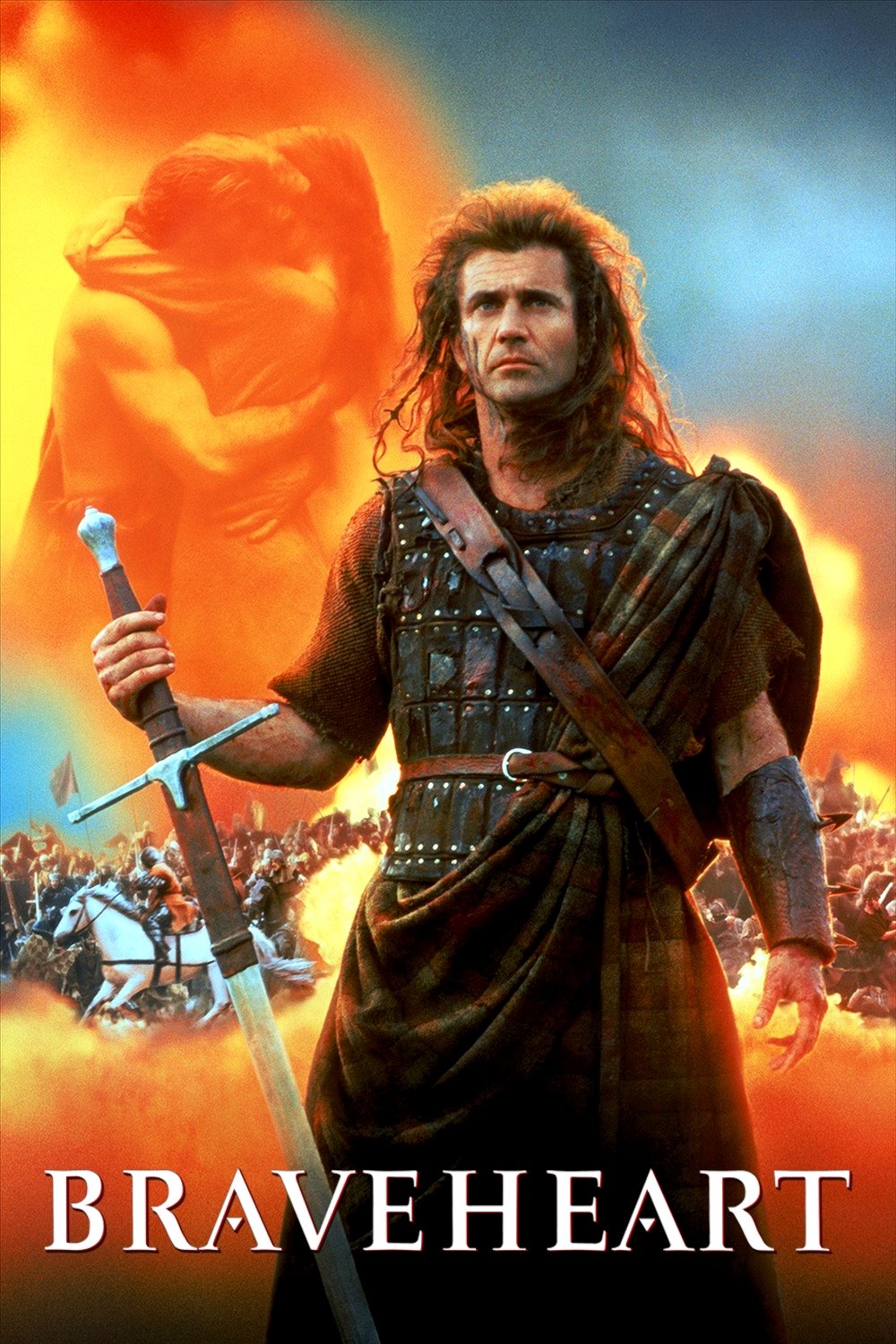
When I first watched Braveheart, I was struck by how the film didn’t neatly fit into any single, easily defined tradition. Yet, as I examined its techniques and ethos, I became convinced that Braveheart resonates most powerfully with the historical epic revival movement that swept Hollywood in the 1990s. I see it as a crucial pivot point, revitalizing interest in grand narratives and heroic myths while modernizing the language of the historical epic for a new generation. It belongs to that distinctive strain of cinema in which personal freedom, national myths, and kinetic battle scenes coalesce into something fiercely compelling. While the historical epic had earlier flourished in the mid-20th century, Braveheart reintroduced its emotional intensity for the postmodern era—melding gritty realism, intense violence, and a deep individualism that set the stage for many epics that followed. In my view, this film is both a product and a catalyst of a reinvigorated epic tradition, one that reshaped how audiences engage with history, heroism, and spectacle on screen.
Historical Origins of the Movement
I’ve found that understanding the historical epic’s transformation requires tracing Hollywood’s recurring fascination with vast, sweeping stories. Classic epics like Ben-Hur and Lawrence of Arabia typified the genre’s golden years, focusing on grandeur and spectacle, with protagonists swept up by massive historical forces. However, by the 1970s and 80s, the genre had largely retreated from mainstream prominence. The cultural and political climate had shifted; audiences appeared more skeptical of mythic narratives, perhaps more attuned to ambiguity and disillusionment in an era defined by post-Vietnam malaise and Watergate. Even as fantasies and science fiction flourished, straightforward historical epics became rare, associated with bloated budgets and waning box office interest.
What fascinates me is how, in the early 1990s, the climate changed again. A longing for stirring stories about identity, freedom, and national legacy began to creep back into cinematic consciousness. I think a confluence of factors played into this: the end of the Cold War prompted reflection on the meaning of nationhood; advancements in filmmaking technology made large-scale battles and immersive worlds more feasible; and perhaps a sense of nostalgia emerged for narratives larger than life. Films like Schindler’s List (with its wrenching moral epic), and later Gladiator and The Last of the Mohicans, rode this wave. What set the stage for Braveheart was a desire to revisit epic tales, but to infuse them with a 1990s sensibility—one deeply attuned to personal struggle, emotional interiority, and brutality unsoftened by old Hollywood gloss.
The movement that Braveheart epitomizes, as I see it, isn’t reducible to mere spectacle or nostalgia for past epics. Rather, it emerged from a hunger to see history refracted through contemporary anxieties and desires: a yearning for unambiguous heroism coupled with the messiness of actual human experience. This gave rise to a genre revival that privileged individual agency over passivity, and moral clarity alongside visceral, sometimes shocking depiction of violence and loss. The 1990s epic was less about reverent historical re-enactment, more about myth-making in the face of an uncertain world—a tendency I find deeply entwined with post-Cold War consciousness and the technological innovations that made these stories more immersive than ever.
This Film’s Contribution to the Movement
Revisiting Braveheart always leaves me marveling at the way it redefines what a historical epic can be. Rather than merely echoing earlier genre conventions, I believe the film carves out its own distinct identity—blending personal mythology with grand-scale conflict. What captivates me most is its willingness to foreground lived emotion within the broader sweep of epic history. Watching Mel Gibson’s William Wallace, I’m not just witnessing a tokenized historical figure, but rather an individual whose passion, loss, and determination feel as raw and immediate as any modern antihero.
One of the things I’ve become attuned to is how Braveheart replaces polished, almost operatic battle choreography with chaotic, visceral realism. The hand-held camera work plunges me into the dirt and blood—combat depicted as harrowing and desperate, a far cry from the formalized violence of classical epics. For me, this signals a new cinematic language, where historical conflict isn’t romanticized but rendered in bruising, almost documentary detail. The film’s visual and sound design, with its unflinching portrayal of wounds and fear, connects me viscerally to the realities of medieval life, stripping away “safe” distance between audience and spectacle.
But it’s not all grim fatalism. What makes Braveheart so compelling to my mind is its mythic vision of freedom—a value treated with genuine urgency. I’m always struck by how much the film’s politics of resistance, however anachronistic, are shaped by late-20th-century ideas about the individual’s right to self-determination. Wallace’s rallying cries evoke not just Scottish history but universal longings for autonomy, and the film leverages every cinematic tool—from sweeping landscapes to James Horner’s anthemic score—to immortalize that longing. This willingness to marry private anguish to collective myth, to render history newly relevant through emotional immediacy, marks Braveheart as, for me, a quintessential text in the 1990s epic revival.
I also see it as quietly subversive. The narrative structure upends the expectation that historical dramas should simply venerate the past. Instead, the film foregrounds betrayal, manipulation, and factional infighting—not as minor plot beats but as critical drivers of action. For me, Braveheart insists that the appeal of the epic goes beyond grand battles; it’s about the psychological costs of rebellion, the pain of sacrifice, and the inevitably ambiguous legacy of supposed heroes. As someone fascinated by the evolution of genre, I find this approach to be one of its most significant contributions—it complicates, rather than just celebrates, the heroic narrative.
Influence on Later Genres and Films
- Reinvigorating Battle Cinematography – I recognize that Braveheart ushered in a paradigm shift in how contemporary filmmakers approached screen violence and historical combat. Before this film, battle scenes in large-scale epics often felt distant or overly staged. After Braveheart, there was a noticeable pivot toward brutal immediacy and immersive choreography, as seen in Gladiator, The Lord of the Rings trilogy, and even later war films like Saving Private Ryan. This gritty, handheld style emphasized the chaos and terror of combat, altering audience expectations about what epic action could and should feel like.
- Reshaping the National Myth Epic – I’ve always been influenced by how Braveheart paved the way for a new genre subset: the “national myth” film. Its enormous success inspired filmmakers to look to foundational legends and uprisings that shaped national identities. Whether in Russian, Chinese, or even Hollywood cinema, there was an uptick in epics that foregrounded local resistance and valor, from The Patriot (evoking American revolutionary mythology) to Hero and Red Cliff in East Asian cinema. The urgency and emotional depth that Braveheart brought to the table redefined how national lore was depicted on a global stage.
- Blending Historical Realism with Melodrama – I consider Braveheart pivotal in mainstreaming a narrative blend that fuses fact-based realism with unapologetic melodrama. Rather than shying away from emotional extremity, the film leans into it—pairing bombastic, heart-on-sleeve declarations with carefully researched costuming and set design. This became a template for later historical films: the personal is epic, and the epic is personal. Movies as distinct as Troy, Kingdom of Heaven, and even series like Game of Thrones draw on this DNA—balancing historical verisimilitude with sweeping, often tragic, melodrama in ways that seem inconceivable without Braveheart’s influence.
The Movement’s Lasting Impact
As someone obsessed with cinema’s capacity to mirror and shape cultural values, I continually circle back to the historical epic revival for what it reveals about who we are and what we hope for. In my view, Braveheart exemplifies why this movement continues to matter—not solely because it entertains, but because it legitimates myth as a way of wrestling with difficult questions about freedom, power, and legacy. Unlike the straight-laced heroism of golden-age Hollywood, this modern epic thrusts me into the mud and blood of history, forcing an encounter with the cost of ideals in an imperfect world. Every time I see those panoramic shots of the Scottish highlands, or hear Wallace’s iconic pleas for liberty, I’m reminded of cinema’s unique ability to make the distant past pulse with contemporary relevance. To me, the movement persists not just in epic spectacle, but in the emotional urgency it brings to old stories—a reminder that the struggles, betrayals, and longings of the past remain powerfully alive in the narratives we choose to (re)tell.
To connect style and technique with broader context, you may find these perspectives useful.
🎬 Check out today's best-selling movies on Amazon!
View Deals on Amazon