
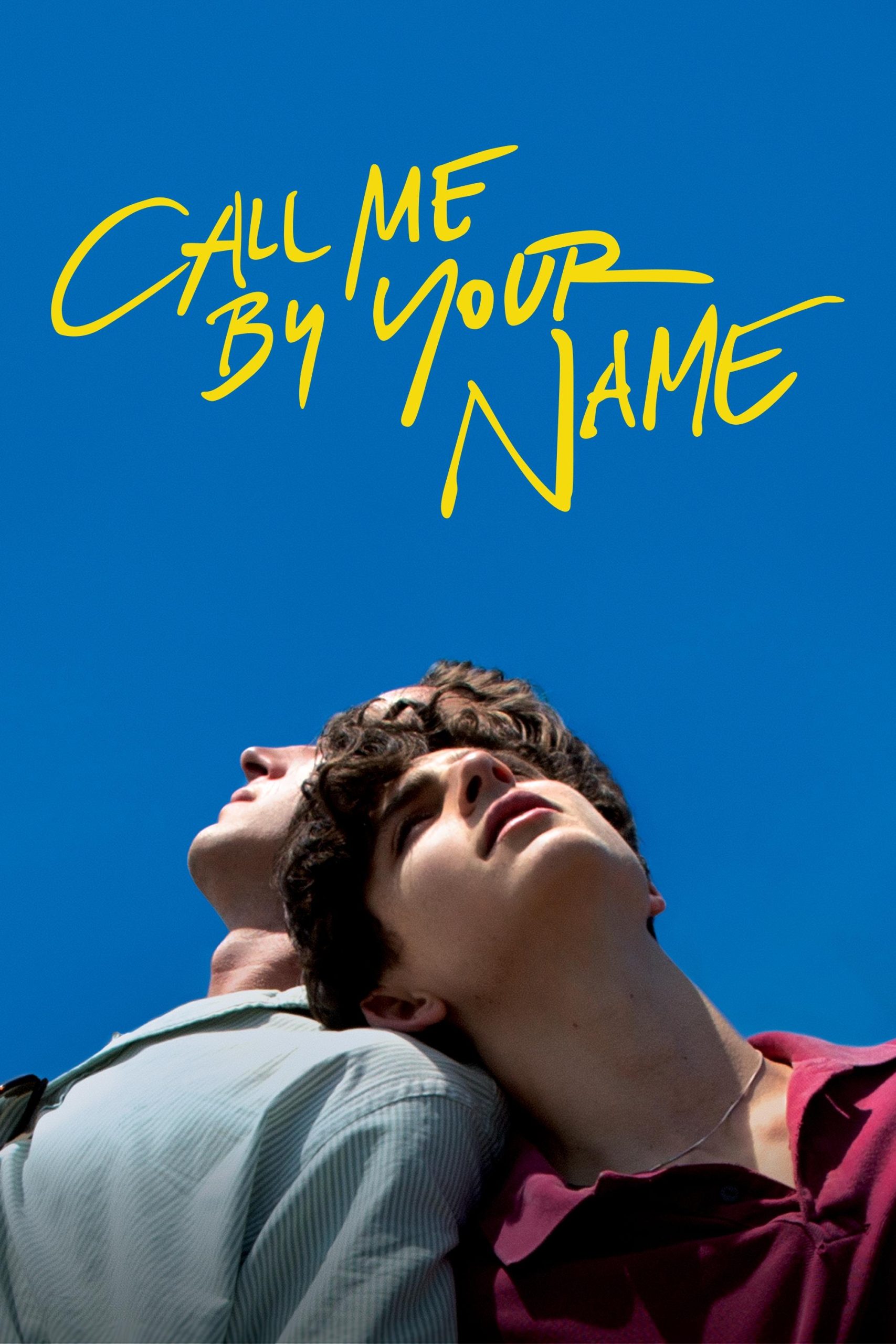
The Genre of This Film
Call Me by Your Name swept me off my feet the first time I watched it, not because it delivered high-stakes drama or glittering spectacle, but because it carved out a deeply-felt, slow-burning intimacy. For me, this film sits firmly in the romantic drama genre, and it’s impossible to ignore how its sensitive portrayal of first love and coming-of-age elevates that categorization. The movie folds romance and drama together so seamlessly that, when I consider what defines its core, I see the beating heart of a drama intensified by the rush and ache of romance. When I reflect on genre placement, I always ask whether a story’s tension and satisfaction come from relationships and emotional development, or plot twists and external events. With this film, all the energy is emotional—so my answer is clear: this is romantic drama at its purest.
Key Characteristics of the Genre
-
Common themes
Whenever I approach a romantic drama, I expect emotional intersections—love and longing colliding with circumstance, youth encountering those confusing first passions, or adults grappling with missed chances. I’ve always noticed that romantic dramas thrive on authenticity and complexity: forbidden love, coming-of-age, regrets, or cultural differences are often at play. These themes aren’t mere window dressing; for me, they dig at the soft and raw corners of human vulnerability. -
Typical visual style
The romantic drama often wraps its subjects in lush, atmospheric visuals—soft lighting, languorous camera movements, and a palette tuned to intimacy rather than spectacle. I can usually sense the deliberate choices behind framing: shots linger on faces, fingers almost touching, the angle of sunlight through a bedroom window. The mood is tactile—you feel the warmth of a summer afternoon or the charged stillness of an unspoken confession. I see the camera as a character itself, quietly inviting me into private, sometimes painful, spaces. -
Narrative structure
Patterns emerge here that always draw me in: character-driven stories, often unfolding across a single summer or a turning point in someone’s life. There’s no rush to reach dramatic conclusions. Instead, these stories meander through conversational moments and introspection, letting romance emerge organically out of everyday interactions. I recognize the classic arc—relationship forms, tension rises, separation or conflict intervenes, and finally, transformation or bittersweet acceptance. Resolution does not always mean a happy ending, but by the close, I feel changed alongside the protagonists. -
Character archetypes
I notice these films love to dwell on the emotionally curious—the introverted, precocious young adult or the inexperienced but eager romantic. Alongside them, there’s usually a more worldly partner, someone who catalyzes awakening or self-discovery. Parents, mentors, or outsiders act as foils or guides, helping or hindering the central relationship. The conflicts are rarely external threats but rather inner turmoil or subtle social pressures. I relish watching characters learn to express themselves, even awkwardly, revealing the genre’s affinity for emotional complexity.
How This Film Exemplifies the Genre
Few films remind me so powerfully of how exquisitely tuned the romantic drama can be as Call Me by Your Name. I find every element—the sun-soaked Italian landscapes, the unhurried conversations, the glances that last just a moment too long—speaks to the genre’s love affair with longing and intimacy. From the outset, I noticed that the narrative never forces the romance; instead, it blooms organically from the protagonist’s own conflicting feelings and uncertainties. Watching Elio, I see not a Hollywood ideal of love, but the messy, confusing, intoxicating reality of first attraction.
The visual style swept me into languid afternoons, and I felt the heat of the Italian summer settling into every scene. The focus on objects—a peach, a notebook, a clinking bicycle—felt like an invitation, letting me experience sensuality as Elio does. For me, this aligns perfectly with the romantic drama’s commitment to immersing the viewer in mood and texture rather than bombarding with action or melodrama.
The film’s structure, spinning out across a single transformative summer, rang familiar to my expectations: it’s the brief encounter that changes everything, precisely as the genre so loves. What struck me most was how I could follow Elio’s interior life through silences, hesitant gestures, and the way his world grew larger and more complicated after he met Oliver. Instead of propelling itself with wild twists, the story pulled me in through tiny moments—a hand on a shoulder, a clandestine smile. That, to me, is how this genre works at its best.
I am drawn to the archetypes the film offers. Elio represents the thoughtful, bookish youth, uncertain and emotionally brave in fits and starts. I see Oliver, on the other hand, as worldly, charming, and guarded, a contrast that amplifies every interaction. The supporting characters—especially Elio’s parents—complicate and humanize the world rather than serving as mere obstacles. The parents’ warmth and wisdom, to me, add emotional layers I rarely see in simpler romantic fare; their presence tips the balance toward drama, embedding the film more deeply within the genre’s best traditions.
I return often to that final scene—Elio, reflective and transformed, facing the knowledge of love and loss in equal measure. There’s no tidy closure, but the resolution—personal growth, newfound vulnerability, and yearning—feels utterly right for a romantic drama. That willingness to leave me with tears, nostalgia, and some small seed of hope explains why the film, in my view, so perfectly embodies the genre.
Other Essential Films in This Genre
- Brokeback Mountain (2005) – When I first watched Brokeback Mountain, I was struck by its patient unfolding of forbidden connection between two men in rural America. Like Call Me by Your Name, it’s less about spectacle and more about the intensity of private longing, the pain of societal constraints, and the bittersweet ache that persists long after the final credits. In both films, I find characters navigating expectations and desire, with nature itself reflecting inner turmoil.
- In the Mood for Love (2000) – Wong Kar-wai’s film intoxicates me with its melancholy and restraint. Watching the slow dance of longing between two neighbors in 1960s Hong Kong, I see all the hallmarks of romantic drama: sublime visuals, a gentle narrative pace, and characters who communicate more through stolen glances and silences than declarations. To me, the film is about what isn’t said as much as what is—romantic drama distilled to its essence.
- Blue Is the Warmest Color (2013) – My experience with this film was overwhelming in its intimacy. I found myself drawn into the messy, all-consuming relationship between two young women as they explore sexuality, heartbreak, and self-discovery. The film’s raw emotional honesty and observational style remind me just how powerful the romantic drama can be, especially when it centers on first love’s growing pains and joys.
- Portrait of a Lady on Fire (2019) – When I think of recent milestones in the genre, this one stands out. There’s a painterly quality to every frame, and I felt the film’s commitment to lingering in moments of anticipation, hesitation, and subtle connection. Like Call Me by Your Name, it’s a romance that unfolds quietly but leaves me shaken by its emotional resonance and stunning artistry.
Why This Genre Continues to Endure
If I’m honest about what draws me back to the romantic drama time after time, I have to admit it’s about more than just escapism or nostalgia. I crave these films for their willingness to take emotion seriously—they honor the heartbreak and elation of falling in love, often for the first time. There’s something universal in tracing characters as they stumble through uncertainty or chase after fleeting happiness, and it reassures me that my own clumsy, awkward moments of longing are stitched into the very fabric of cinema history.
The genre’s visual and narrative language lets me see the world through another’s eyes, whether I’m basking in a Mediterranean summer or huddling against wintry isolation. I’ve noticed how these films aren’t afraid to let things unfold naturally, with space for ambiguity and silence; screenplay and direction leave room for me to bring my own experience and emotion to the story. That trust in the viewer keeps me engaged, and it keeps romantic drama relevant, generation after generation.
I keep finding new perspectives in romantic dramas as filmmakers from different backgrounds and identities step forward. Today’s stories are more inclusive and nuanced, but the emotional core hasn’t changed. Whether I’m watching two men hesitant to express what they feel, or lovers divided by time, class, or circumstance, I always see the same risk: the possibility of loving and losing, and yet being changed by the experience. It’s that hope, and that pain, that give the genre its remarkable staying power. When I think about Call Me by Your Name or all the other films I’ve discussed, I’m reminded how deeply audiences crave honest reflection of their most formative emotions, and why romantic drama remains as vital and resonant now as ever.
If you’re interested in how viewers respond beyond technique, you may want to explore audience and critical reception.
🎬 Check out today's best-selling movies on Amazon!
View Deals on Amazon