
The Genre of This Film
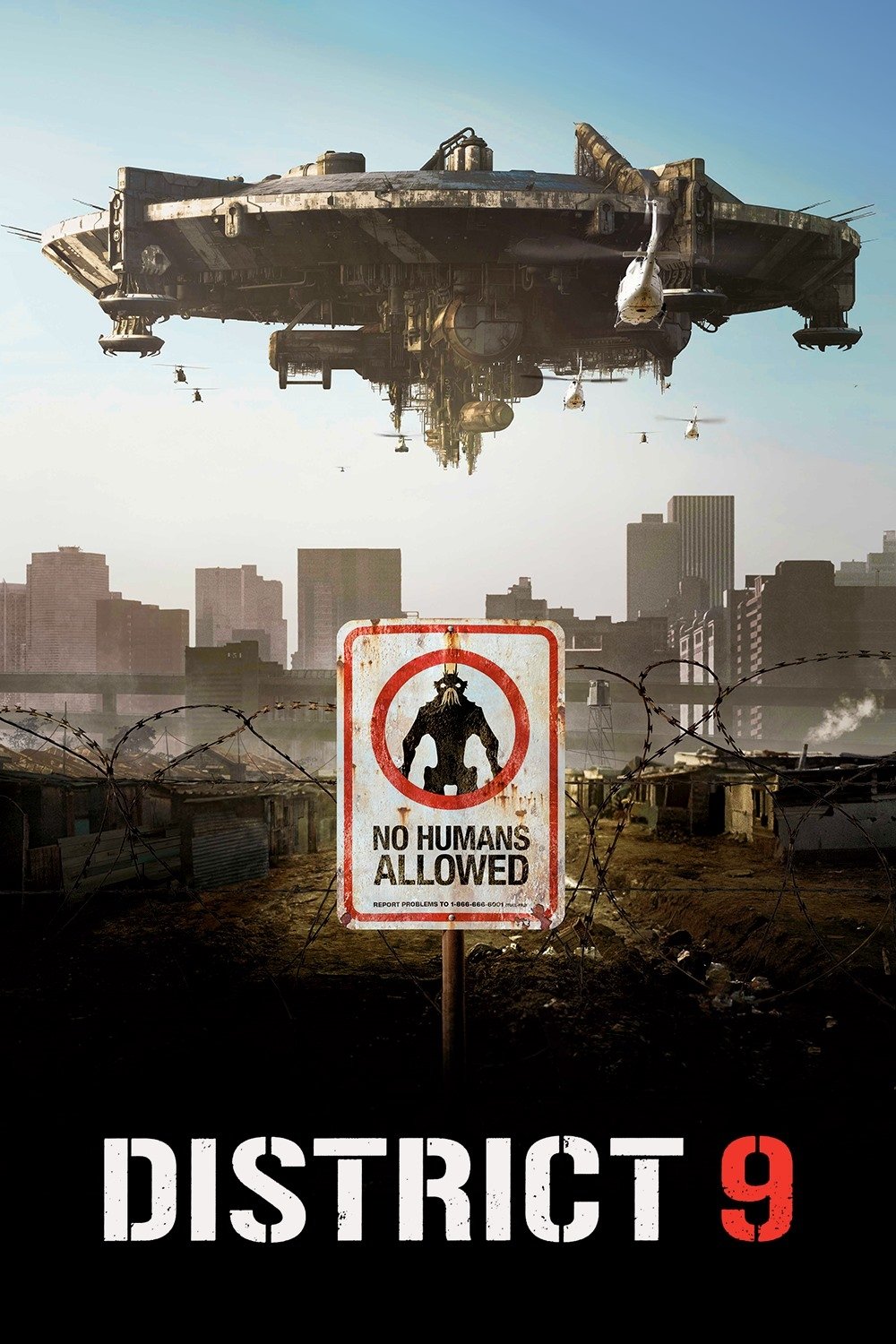
District 9, from the moment I first watched it, made me reimagine how vividly the science fiction genre can act as a lens on society. For me, this film’s DNA is unmistakably science fiction—everything from its central conceit of extraterrestrial refugees being stranded on Earth, to its imaginative blend of speculative technology and social tension, situates District 9 firmly within that genre. I’ve always seen science fiction as more than just stories of spaceships and laser battles; it is a territory where filmmakers openly engage with “what if” scenarios anchored in both the extraordinary and the familiar. District 9 takes this a step further, using the arrival and segregation of alien beings in Johannesburg to probe deeply personal and cultural questions about otherness, bureaucracy, and empathy. Watching it, I didn’t just see sci-fi trappings; I experienced a story that truly leverages that genre’s defining capacities—tackling profound issues through imaginative, alternate realities.
Key Characteristics of the Genre
-
Common themes
- What always strikes me in great science fiction is the recurrence of certain questions: How would society evolve if exposed to the truly unknown? Are technological advancements truly progress, or can they deepen divides? District 9 underscores themes that I continually see in classic sci-fi—alienation, social stratification, the tension between technology and humanity, and the possibility or impossibility of coexistence. The genre loves contemplating not just alien visitors, but what that encounter reveals about humankind itself.
-
Typical visual style
- For me, science fiction’s look is nearly as important as its content. I’ve noticed films in this genre often marry the clean, sharp lines of futuristic technology with settings charged by contrast—dusty, industrial regions side by side with the gleam of advanced machinery. District 9’s style is unforgettably gritty and grounded: I found its pseudo-documentary camerawork, hand-held shots, and raw depiction of a makeshift alien ghetto to be a bold deviation from the gleaming aesthetic of many futuristic films. That realism, interspersed with sudden bursts of alien weaponry and biomechanical effects, amplifies the genre’s impact.
-
Narrative structure
- When I analyze sci-fi narratives, I usually expect layered storytelling. Science fiction often relies on a narrative arc where a protagonist is thrust into an extraordinary situation, challenged by new technologies or beings, and forced to confront their beliefs. District 9 follows this template, but what I found exhilarating was its documentary framing—a stylistic nod to realism that made the escalating events feel less like fantasy and more like a breaking news event. This sense of immediacy and uncertainty is something I associate with the genre’s ability to unsettle and provoke: traditional acts—setup, escalation, climax—are bound up with subplots examining ethics, biopolitics, and power.
-
Character archetypes
- The genre’s characters have always fascinated me. I see recurring archetypes: the accidental hero, the reluctant bureaucrat, the visionary outsider, the misunderstood alien. What stands out most in District 9 for me is the figure of Wikus, who encapsulates the “everyman swept up by forces greater than himself.” He isn’t naturally brave or insightful; instead, he represents someone forced to change by an intimate encounter with the unknown—a journey emblematic of the best science fiction. The aliens themselves defy villainous stereotypes, compelling the audience (and me) to reconsider our definitions of heroism, victimhood, and agency.
How This Film Exemplifies the Genre
When I think back over District 9, I see a film that embraces everything I prize about science fiction, yet does so in ways that are refreshingly raw. The movie’s speculative core—a ship hovering over Johannesburg, with its stranded “prawn” aliens—offers what I consider the genre’s signature tool: making the familiar strange and the strange familiar. By setting its extraordinary scenario within the very real textures of South Africa, this film blurs boundaries between realism and the fantastic. I was immediately struck by how the pseudo-documentary format grounds the extraordinary in everyday banality: interviews, surveillance footage, shaky pursuit sequences. That level of immersion is rare for a genre sometimes accused of being too glossy or detached.
I find that District 9’s narrative avoids the pitfall of easy, binary oppositions. Rather than a straightforward “us versus them” dynamic, it constantly reshuffles my sympathies. Wikus’s arc—from compliance to reluctant empathy—mirrors the journey I take as a viewer, confronted with prejudice, fear, and desperation on both sides. The science fiction machinery—bio-weapons, transformation sequences, shocking alien biology—never exists just for dazzle; it instead underscores the film’s focus on identity, change, and the limits of understanding.
What resonates most with me is how the genre’s potential for social commentary is fully realized here. District 9’s aliens, rather than being threatening conquerors, become proxies for real-world marginalized groups. In my analysis, the film leverages science fiction’s capacity to explore uncomfortable realities at a safe remove. The conditions in the District, the bureaucratic indifference, and the escalating militarization: all these elements crystalize genre tendencies toward dystopia and ethical inquiry.
Visually, I find that the film’s blend of grungy, lived-in environments with bursts of “hard” sci-fi effects roots its events in credibility. The juxtaposition of hand-held realism and sudden, eye-popping alien technology continually disorients me in the best way, keeping that boundary between “possible” and “impossible” deliciously porous.
Finally, I cannot ignore that the very structure of the story—framed by interviews, found footage, and government records—feels like a tribute to science fiction’s adaptability. By eschewing the pristine, controlled aesthetic of classic sci-fi for something that tangibly bristles with unpredictability, District 9 revitalizes genre conventions. I left the film reflecting on how my initial assumptions about “the other” had been upended, proving once again why science fiction, in my mind, remains the most elastic and thought-provoking of genres.
Other Essential Films in This Genre
- Blade Runner (1982) – When I first encountered Blade Runner, I was captivated by its atmospheric depiction of a near-future Los Angeles. What I admire most is how this film weaves together questions of artificial intelligence, memory, and identity within a rain-soaked, neon-lit cityscape. There’s a palpable weight to every shot—the genre’s fascination with the collision between organic and synthetic life has never felt more poignant or immersive to me. It’s a meditation on what it might truly mean to be human, and it set a template for countless science fiction works that followed.
- Children of Men (2006) – Whenever I revisit Children of Men, I’m reminded of how contemporary socio-political anxieties are refracted through speculative storytelling. The world’s collapse, biological crisis, and mass displacement explored in the film reflect the genre’s intense focus on potential futures and existential dread. I’m especially drawn to its bleak yet hopeful tone and how it uses the trappings of science fiction—infertility, authoritarian governments—to investigate the persistence of empathy and hope in a world that seems to have abandoned both.
- Arrival (2016) – With Arrival, I encountered a side of science fiction that is contemplative and deeply humanist. The film’s mysterious alien visitors upend linguistic and psychological paradigms, pushing the genre’s fascination with first contact in new directions. What stays with me is the way the film explores communication, temporality, and the boundaries of perception. Science fiction’s great gift, for me, is to ask what it means to understand each other—and Arrival does this through both profound intellectual puzzles and small, intimate moments.
- RoboCop (1987) – In RoboCop, I relish the collision between dystopian satire and explosive action. The genre’s preoccupation with embodied technology and corporate overreach is satirized to thrilling effect. Every time I watch the film, I’m struck by how it uses its central conceit (a cyborg lawman) as an evolving metaphor for agency, autonomy, and the consequences of privatizing public order. Its blend of dark humor and speculative violence is, in my view, pure science fiction—a subversive takedown of both genre convention and social complacency.
Why This Genre Continues to Endure
When I consider why science fiction has continued to fascinate both myself and so many others, I keep returning to the genre’s malleability and provocative edge. No other cinematic style allows such freedom to reimagine the rules of the world—its societies, its ethics, its very biology. Each time I watch a new science fiction film, I’m invited to ask, “What if?”—and there’s little that excites my curiosity more.
Science fiction endures, in my experience, because it is always in conversation with the present. District 9’s apartheid-inspired context is just one example of how the genre anchors speculative narratives in contemporary or historical realities. I find that, rather than simply predicting technological advances, science fiction helps us process change: it navigates uncertainty about where we are heading, and it gives form to anxieties and aspirations that are otherwise difficult to articulate.
What I’ve learned through years of watching and studying these films is that the genre offers both escape and confrontation. It lets me inhabit worlds beyond my own, but it also refuses to let me turn away from difficult questions. Whether confronting the dehumanizing potential of bureaucracy (as District 9 does), the trauma of ecological disaster, or the possibilities of interspecies understanding, science fiction always finds fresh ways to challenge and comfort me simultaneously.
I’m constantly amazed by how science fiction can spark the imagination of new generations—each wave of technological or cultural change seems to inspire a fresh set of stories that push boundaries and provoke debate. For me, that is its greatest virtue: it never stands still. The possibilities feel endless, and every new film is an invitation to think, wonder, critique, and dream.
If you’re interested in how viewers respond beyond technique, you may want to explore audience and critical reception.
🎬 Check out today's best-selling movies on Amazon!
View Deals on Amazon