
Film Movement Context
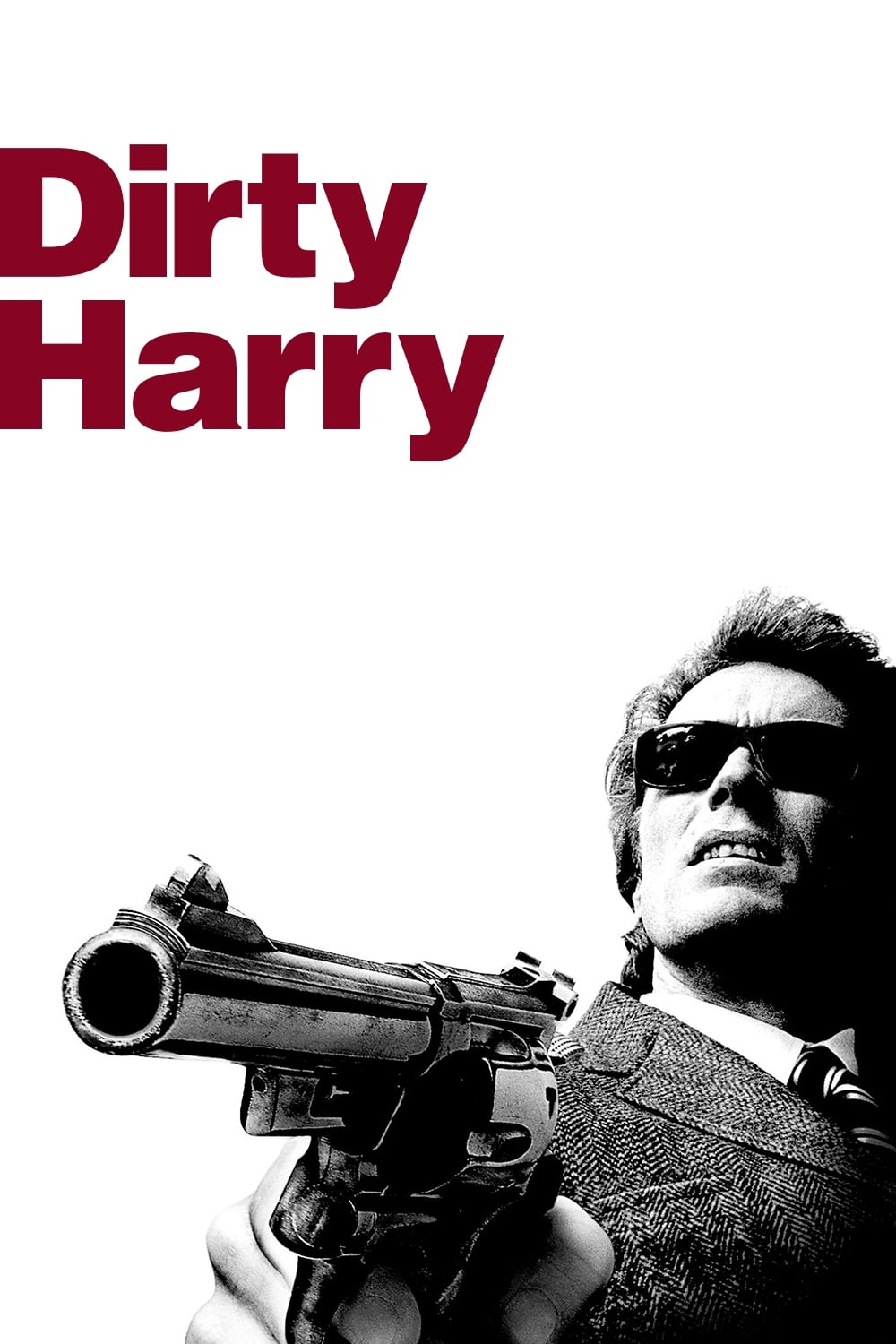
For me, sitting through Dirty Harry always feels like stepping directly into the heart of American New Hollywood cinema, with its grittier edges and rebellious perspectives. This is not just a crime thriller or a police procedural; it’s a trademark product of a turbulent film movement that reimagined what authority, violence, and vigilantism looked like on screen. When I think about Dirty Harry, what jumps out immediately is its allegiance to the New Hollywood movement of the late 1960s and 1970s, a wave of films defined by their defiant resistance to classical Hollywood conventions. More specifically, I see it as an instigator in the rise of the “urban crime” subgenre—what many later dubbed the “Dirty Harry effect”—where the antihero cop, cynical realism, and political ambiguity came to dominate the cinematic landscape. Watching Clint Eastwood’s Harry Callahan, I can’t help but recognize a break from traditional order: the old-school moral clarity gives way to deep ambivalence, and that personal, dangerous dance with the law is as much the point as the crimes he solves.
Historical Origins of the Movement
Why did the New Hollywood movement take root so powerfully in the late 1960s and early 1970s? Every time I revisit these films, I realize that it wasn’t mere stylistic innovation but a direct response to a much wider cultural and social rupture in American life. The studios’ dominance over filmic storytelling—locked down since the 1930s—just couldn’t withstand the seismic pressures of postwar disillusionment, the Vietnam conflict, civil rights struggles, and the collapse of Production Code censorship. Directors and writers sought license to explore the ugly side of heroism, the complexity of violence, and the instability of urban living. I’m always struck by how audiences—perhaps exhausted by patriotic mythologies—seemed to crave stories where good and evil jostled for ground in every frame. I see Dirty Harry as a turning point: a film that took the unrest and suspicion of its times—especially the distrust of institutions—and built a narrative whose protagonist mirrored the era’s own contradictions and uncertainties. Where the old school cop dramas romanticized justice, this new breed smudged all the lines.
This Film’s Contribution to the Movement
From my perspective, Dirty Harry doesn’t just represent the New Hollywood movement; it presses its most confrontational impulses to the forefront. What especially stands out to me is the film’s unnerving rejection of comfort. Instead of offering me a seductively noble cop, I get Harry Callahan: a figure of both retribution and unease, a man whose form of justice is as terrifying and ambiguous as the chaos he confronts. I can’t forget the first time I watched that opening scene—a ruthless sniper perched in the city, anonymous and random, forcing the audience to confront the horror of seemingly motiveless violence. It felt almost documentary, unruly and uncontained, much like the world outside the cinema.
The character of Harry lingers with me, not as a champion of law and order, but as a product—and perhaps a victim—of a city sick with fear and vengeance. I see in him the skepticism that came to define the era: the idea that institutions, hobbled by bureaucracy and indecision, might actually fail to protect the vulnerable. Every time Harry’s superiors berate him, I get the feeling the film is staging its own argument with conventions of decency and due process—and letting Harry’s stubborn individualism speak to the audiences’ sense of frustration and impotence. Some might see his methods as heroic; for me, the film is excruciatingly aware of how deeply problematic—yet emotionally cathartic—that fantasy of vigilante justice really is. The movement’s rawness, its use of location shooting over Hollywood sets, and its weary, almost existential camerawork draw me into a world constantly in flux, ethically and stylistically. No film before Dirty Harry dared to stare so unblinkingly at the moral cost of fighting violence with violence.
Influence on Later Genres and Films
- Birth of the Modern Cop Antihero – What sticks with me is how Dirty Harry created the enduring figure of the cop who bends, or outright breaks, the law to serve a greater justice. Later films like Lethal Weapon and TV police procedurals owe much to this archetype: tough, abrasive, emotionally scarred. Without the contradictions embodied by Harry Callahan, I doubt audiences would have accepted such flawed protagonists in mainstream entertainment. I see echoes of this influence in everything from action blockbusters to the ethically conflicted heroes of cable dramas.
- Reframing Urban Space – Every time I revisit the film, I’m struck by how the city—San Francisco’s overpasses, rooftops, and anonymous apartment blocks—becomes a hostile, unpredictable character. I feel this emphasis on urban anxiety became a touchstone for later neo-noirs and thrillers, from Taxi Driver to Se7en. The movement away from stylized studio backlots to gritty, lived-in streets transformed expectations, demanding that suspense arise not just from plot mechanics but from the neurotic pulse of real environments.
- Political Ambiguity as Genre – What impresses itself on me most profoundly is the way Dirty Harry refuses to tell me what to think. Is Harry a fascist, a necessary evil, or something in between? Later films and filmmakers seized upon this ambiguity—sometimes to spark controversy, sometimes as an invitation to challenge the audience’s own convictions. The rise of complex, morally uncertain thrillers and dramas in the decades since—Heat, True Detective, even The Dark Knight—draws from this willingness to leave questions unresolved, to make anxiety itself a genre.
The Movement’s Lasting Impact
Reflecting on why this movement endures, I keep coming back to its relentless insistence on moral uncertainty and creative risk. The New Hollywood era—personified in films like Dirty Harry—reminds me that cinema can be anarchic and searching even in the guise of crowd-pleasing entertainment. Every time I return to these works, I experience the thrill of unpredictability: movies unafraid to tackle injustice, institutional failure, and, most dangerously, the temptation of absolute power in the hands of desperate individuals. Where earlier genres leaned into reassurance, this movement—through its adoption of antiheroes, documentary realism, and narrative ambiguity—still challenges me to confront the chaotic spaces between right and wrong, courage and brutality. Its imprint is everywhere: in the cynicism of police procedurals, the grayed-out ethics of superhero epics, and the willingness of filmmakers to trust audiences with the hardest questions. I believe Dirty Harry’s legacy lies in the way it forced American cinema to mature, to dare audiences not merely to watch but to feel implicated, even indicted, by what unfolds on screen. That discomfort is not just residue—I see it as the movement’s most vital, enduring gift.
To connect style and technique with broader context, you may find these perspectives useful.
🎬 Check out today's best-selling movies on Amazon!
View Deals on Amazon