
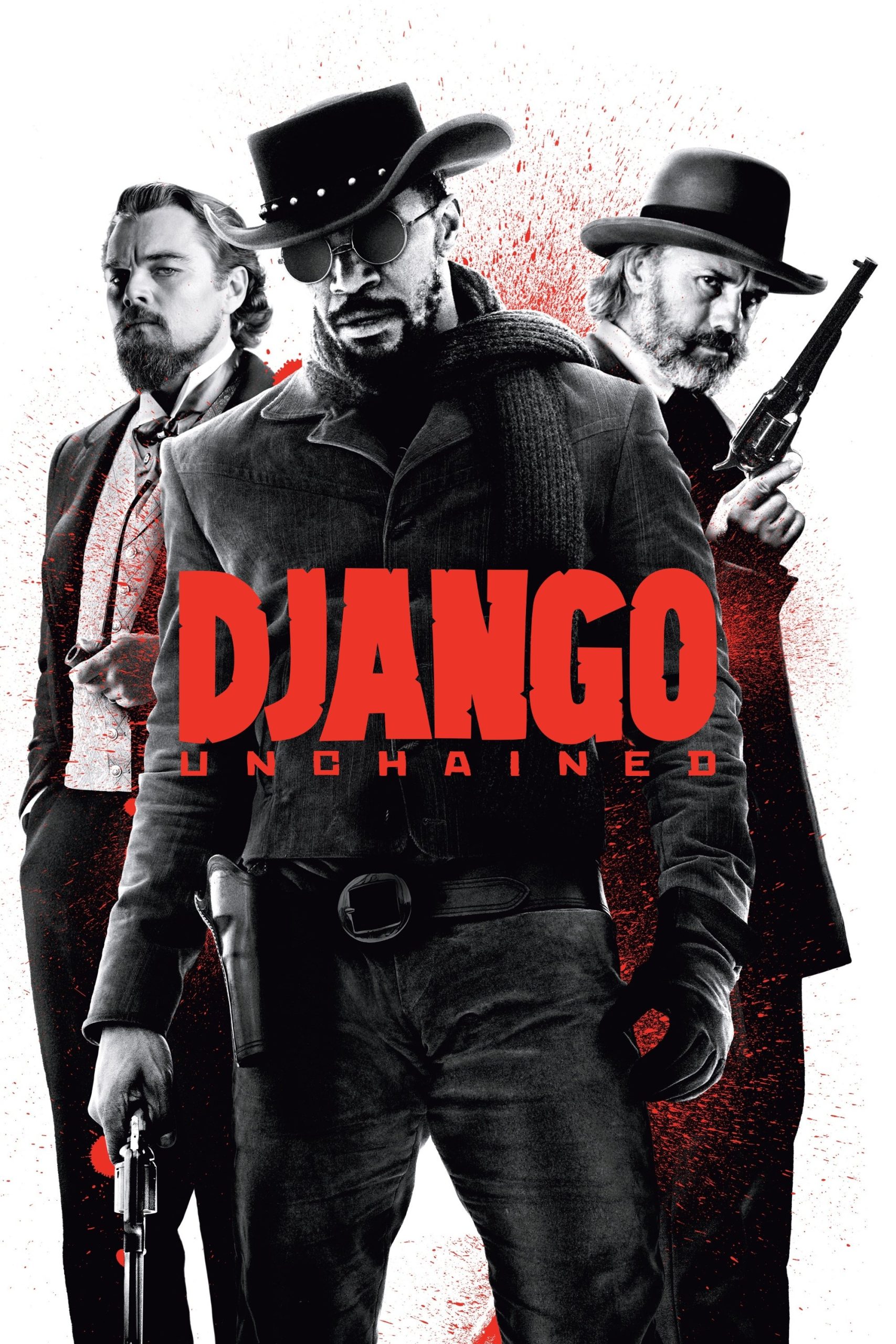
Film Movement Context
Quentin Tarantino’s Django Unchained struck me as one of those rare films that doesn’t just fit into a movement—it almost wrestles with cinematic traditions and refuses to let any one label define it. Yet, if I had to anchor it, I’d argue this movie sits most squarely within the postmodern film movement, and even more pointedly within the subgenre of the Neo-Western and Revisionist Western. I remember, while watching Django Unchained for the first time, feeling both dizzy and exhilarated by its audacious mixing of tones, genres, and historical references. Tarantino’s film does not so much echo the spaghetti westerns of Sergio Corbucci and Sergio Leone, as it detonates them and reshapes the fragments. For me, the film is a defiant gesture within postmodern cinema—utterly unafraid to hybridize exploitation films, Western tropes, and even blaxploitation aesthetics. This is why, whenever I think about its legacy, I see it as a vital part of the ongoing dialogue about what the Western—indeed, what American cinema itself—can and should be.
Historical Origins of the Movement
When I reflect on what brought about the postmodern film movement and the Revisionist Western in particular, I tend to picture a collision of dissatisfaction and creative freedom in the mid to late 20th century. Traditional Westerns, once the backbone of American mythology, wore thin as social realities and political awareness shifted—I recall that after the 1960s, the clear-cut morality and patriarchal heroism of classic Westerns began to look naive and out-of-touch. The Vietnam War, Civil Rights Movement, and general turbulence of the era forced filmmakers to reckon with more ambiguous, often grim realities. But postmodern cinema as a whole, not just the revisionist take, emerged as a kind of playful, radical reaction to narrative certainty and singular points of view. Directors like Jean-Luc Godard, Robert Altman, and even later auteurs such as Tarantino himself found fecund ground in pastiche, fragmentation, and distrust of grand narratives. For me, the Revisionist Western, which began germinating in works like The Wild Bunch and blossomed in the spaghetti westerns of the 1960s and early 1970s, became a laboratory for genre deconstruction—a space where cinema could question American violence, race relations, and the very idea of the hero. I see postmodernism’s cinematic variety as a movement driven as much by cultural exhaustion as by creative curiosity, eager to pick apart the bones of older genres and find new stories to tell with them.
This Film’s Contribution to the Movement
What continually strikes me about Django Unchained is how decisively it refuses to pay reverent homage to its cinematic ancestors. Instead, I see Tarantino using the language of genre mashup to launch a searing, personal critique of American history and the mythology of the Western frontier. The film’s very form—its deliberate collage of Spaghetti Western codes (from Ennio Morricone’s music to the lurid violence and anachronistic flourishes) and blaxploitation swagger—signals, to my mind, a kind of gleeful subversion. I sense that Tarantino is not merely dressing up history in the trappings of cinema; he’s indicting the very conventions through which America has long mythologized its past.
In my eyes, Django Unchained advances the postmodern and revisionist program by forcing a confrontation with the violence and racial injustice that traditional Westerns all but erased. The film’s protagonist isn’t the white gunslinger but a Black freedman, brilliantly, bitterly flipping the script on cinematic and historical archetypes. I felt the film channeling trauma and catharsis in equal measure, and I can’t think of many Westerns—revisionist or otherwise—that have dared to center enslaved Black agency and vengeance so provocatively. Tarantino isn’t simply toying with references for their own sake; he’s building an argument about who gets to be a Western hero, and at what moral cost.
Every time the film shattered the fourth wall or yanked me out of ambient period realism with contemporary music or hyper-stylized violence, I was reminded of postmodernism’s fundamental project: exposing the artificiality of all stories, and inviting the audience to re-examine inherited myths. For me, this is what distinguishes Django Unchained from the more self-serious entries in the Revisionist Western canon—it refuses closure, moral certainty, or comfort. I remember leaving the theater, my mind racing through antecedents (from Corbucci to Melvin Van Peebles), but feeling unmistakably that I’d seen something both uniquely of its time and impossibly rooted in cinema history.
If I had to name a single way Django Unchained pushes the movement forward, it’s in how it weaponizes genre and style to critique not just history, but the very means by which history is told. Its gleeful pastiche isn’t just clever; it’s a form of cultural activism. The film’s very excesses—the blood-soaked duels, the operatic set pieces, the pitch-black gallows humor—are, for me, arguments against erasure, inertia, and complicity.
Influence on Later Genres and Films
- Politicized Genre Reinterpretations — What stands out as a first major influence for me is the way Django Unchained emboldened subsequent filmmakers to treat genre as a space for explicit, often uncomfortable political exploration. Before Tarantino’s film, most Hollywood Westerns still tiptoed around the true horrors of slavery and the realities of Black experience in the 19th-century West. After Django Unchained, I noticed films like The Harder They Fall and even Jordan Peele’s Get Out (while not Westerns, certainly postmodern genre works) taking risks in repurposing familiar forms to foreground and confront race. For me, Tarantino’s film kicked open doors for genre cinema to be not just revisionist, but actively political and confrontational about history’s darkest chapters.
- The Mainstreaming of Meta-Narrative and Pastiche — I felt post-Django Unchained cinema leaning even harder into meta-narrative, intertextuality, and playful hybridity—particularly among Hollywood auteurs. When I saw films like Logan or Deadpool, I recognized a similar willingness to break narrative and aesthetic boundaries: using genre as a sandbox, not just a set of rules. Tarantino’s approach—never afraid to winking at the audience or to puncture his own mythmaking—helped make these forms of storytelling more palatable to wider audiences. Where pastiche had often seemed the realm of the cult or the niche, I caught its coded language blossoming everywhere from superhero sagas to historical epics.
- Black Representation in the Western and Action Genres — Personally, one of the most heartening aftershocks from Django Unchained has been the visible, intentional diversification of the Western landscape. For decades, the Western remained one of Hollywood’s final bastions of whiteness. After Tarantino’s film, I witnessed new projects—like Concrete Cowboy and Godless—where the old, exclusionary boundaries were undeniably challenged, if not upended. I find the influence subtle but unmistakable: more creators, more actors, and more audiences now imagine themselves as central to stories that once erased or marginalized them. Though not a perfect rectification, Tarantino’s brash recentering of the Black protagonist has emboldened further experimentation with casting, narrative focus, and cultural imagination.
The Movement’s Lasting Impact
Whenever I contemplate why the postmodern and Revisionist Western movements continue to matter—to me, but also to the larger conversation around film—I find myself circling back to the idea of reckoning. These films prod us, sometimes mercilessly, to confront our inherited myths and interrogate their uses and abuses. For all their stylistic bravado and playfulness, I see their true power in their ability to destabilize old certainties: the supposed virtue of historical violence, the easy binaries of good and evil, the invisibility of the marginalized. Django Unchained isn’t simply a monument to subversive cinema; it’s a reminder that genre, when wielded with urgency and wit, can become a tool for cultural critique and imaginative reconstruction.
I believe the legacy of these movements is visible everywhere I look—in the willingness of contemporary filmmakers to rip apart and reassemble genres at will, to tell uncomfortable truths through familiar forms, and to make visible the stories and perspectives that history once tried to erase. For me, the persistent relevance of postmodernism and the Revisionist Western is less about nostalgia and more about permission: to disrupt, to rewrite, and to make the cinema of the past serve the questions and crises of today. In a film like Django Unchained, I see proof that no genre needs to remain static or exclusionary; with audacity and intelligence, any tradition can be remade to tell the stories a new time demands.
To connect style and technique with broader context, you may find these perspectives useful.
🎬 Check out today's best-selling movies on Amazon!
View Deals on Amazon