
Film Movement Context
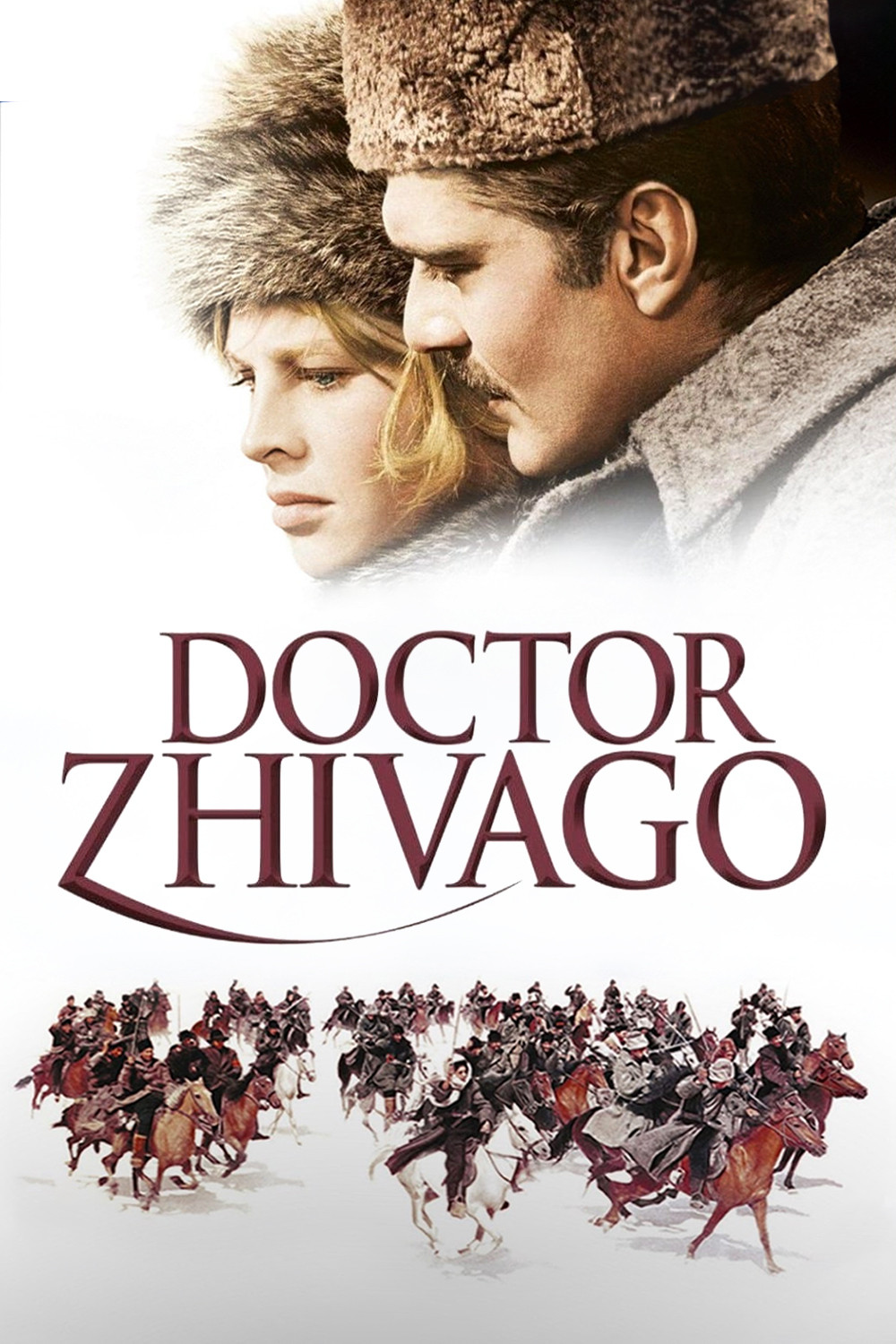
When I first encountered Doctor Zhivago, I was immediately swept up by its immense visual romance, its grandeur, and the way every frame felt immaculately composed. For me, this film doesn’t simply belong in a single, neatly defined movement; it occupies a fascinating nexus within the tradition of postwar epic cinema—a genre-blending “prestige film” that draws from both Classical Hollywood and the international currents of the 1960s. Yet, if I had to place Doctor Zhivago within a movement, it would be nestled most convincingly within the Postwar Epic tradition, specifically the Epic Melodrama strain that flourished in the 1950s and 60s. What captivates me most is that beneath its gloss as a grand romantic tale, this film marks a culmination of the classic epic form while absorbing distinctly modern anxieties about individuality and social upheaval. Rather than simply belonging to the British New Wave, Soviet Realism, or the New Hollywood movements, Doctor Zhivago occupies a unique space: it’s at once the lush swan song of classical epic storytelling and an early echo of modernist disillusionment with history’s grand narratives.
Historical Origins of the Movement
As I look back, I see the roots of Postwar Epic cinema running deep into the anxieties and ambitions that marked the years after World War II. Hollywood and Britain, emboldened by new technology—widescreen processes, vivid color film stocks, dazzling sound—sought to draw audiences back to theaters amid the threat of television. Filmmakers responded by creating what I always think of as “cinematic cathedrals”: sprawling historical spectacles like Ben-Hur, Lawrence of Arabia, and Cleopatra, designed to overwhelm the senses and address existential questions through intimate, personal stories swept up in historical events. For me, these films reflected a collective desire to reconcile personal values with historical forces; they didn’t just entertain, they consoled, reassured, or troubled, depending on the climate of the era.
This trend was shaped significantly by the legacy of prewar historical melodramas and the more recent wave of Italian neorealism, which prioritized lived experience within broader social upheaval. I always find it striking that within the epic tradition, a subversive undercurrent persisted: a willingness to question the myth of the heroic individual locked in battle with fate or revolution. By the early 1960s, the international art film movement—embodied by Fellini, Kurosawa, Bergman—had complicated audience expectations. Filmmakers like David Lean masterfully navigated both commercial spectacle and psychological nuance by blending broad themes of love, loss, and revolution with deep attention to individual character, all amplified through epic scale. Doctor Zhivago, for me, exemplifies the final evolution of this movement before the rise of the New Hollywood auteurs and the “personal epic” of the 1970s shifted genre boundaries yet again.
This Film’s Contribution to the Movement
Watching Doctor Zhivago, I always feel the ghostly hand of tradition gently giving way to modern malaise. David Lean doesn’t simply replicate the epic formula; instead, he pillages the cinematic playbook of the genre to fashion something hauntingly elegiac. What grabs me isn’t just the snowbound romance or Omar Sharif’s sensitive magnetism, but Lean’s commitment to interiority—a sense of being dwarfed not just by landscape, but by history’s violent churn. While films like Gone with the Wind or Exodus plumb grand passions, Zhivago feels strikingly melancholic, as though everything beloved is already on the cusp of ruin.
For me, the crucial contribution Doctor Zhivago makes is how it subtly undermines the heroic certitudes at the core of the epic tradition. Instead of providing audiences with a rousing, clear-eyed protagonist who triumphs against adversity, the film invites us to witness the powerlessness and vulnerability of individuals swept along in the froth of revolution. I’m always struck by Lean’s lingering camera on barren winter landscapes, suggesting that human aspirations—love, poetry, memory—are fragile, provisional, and almost laughably small in the face of epochal change. Doctor Zhivago doesn’t just represent history; it questions whether individuals can even exist authentically within it.
Its fusion of lyricism and political catastrophe became for me the defining experience of the Epic Melodrama. The film’s lush aesthetic—its shimmering icicle vistas, the delicate choreography of candlelight on frozen windowpanes—seems to waltz with the despair of characters exiled from their ideals. I see this as Lean’s most poetic interrogation of the gap between public myth and private longing. In hands less deft, such tension could drown in bathos, but here, it’s what generates the movie’s profound sense of loss and yearning. And what leaves an even deeper impression on me is how Lean, rather than staging sweeping battle scenes, foregrounds ordinary anguish: the coldness of separation, the wonder and terror in brief moments of connection, the inexorable ambiguity of both love and ideology. In this way, Doctor Zhivago interrogates the very genre it exemplifies.
Influence on Later Genres and Films
- Influence 1 – Aesthetic Lexicon for Romantic Epic – When I think about the legacy of Doctor Zhivago, the first thing that comes to mind is its indelible contribution to the aesthetic template for the historical romance epic. Later films like Out of Africa, The English Patient, and even the Soviet-influenced Fiddler on the Roof borrow Zhivago’s grand visual palette—the contrast of intimacy against vistas of loss. For directors seeking to evoke lost worlds or love under siege, Lean’s technique with snow, silence, and stately camera movement became a form of visual shorthand. I see echoes of this style every time a contemporary drama tries to merge landscape with emotional devastation.
- Influence 2 – The “Dislocated Hero” Trope – What stands out to me is how Doctor Zhivago helped popularize a specific kind of protagonist: the poetic, introspective hero rendered powerless by political forces. The film’s treatment of Yuri’s subjectivity—the way he bears witness, suffers, but rarely shapes the historical current—became influential for writers and filmmakers throughout the 1970s and beyond. I think about Warren Beatty’s character in Reds or the central figures from Bernardo Bertolucci’s 1900, and I sense the lingering influence of Zhivago’s melancholy vision. These later films also foreground the psychological isolation of individuals within revolutions, directly channeling Lean’s approach.
- Influence 3 – Epic as Vehicle for Political Skepticism – Perhaps most revelatory for me is how Doctor Zhivago recast the epic as a vessel for political ambiguity rather than assurance. Unlike earlier historical spectacles that celebrated national destiny or revolution in broad strokes, Lean’s film seems deeply skeptical—almost mournful—about the capacity of any political ideology to account for human experience. This tonal shift resonates in subsequent epics such as Warren Beatty’s Reds, Roman Polanski’s The Pianist, and Steven Spielberg’s Empire of the Sun, where the epic form frames political history as profoundly ambiguous or even tragic for individuals. The impulse to use big-canvas stories not for triumphalist mythmaking but for critical, self-doubting meditation owes much, in my view, to Doctor Zhivago’s ambivalence.
The Movement’s Lasting Impact
Every time I return to the Epic Melodrama movement, I’m reminded why it continues to fascinate and provoke. For me, its lasting importance lies in how it attempts to reconcile personal vulnerability with historical magnitude. If postwar epic cinema initially sought to comfort viewers with reassuring narratives of heroism, films like Doctor Zhivago reveal the genre’s capacity to unsettle, to open up wounds rather than heal them. This tension—between public spectacle and private ache—mirrors the very contradictions of modern life, and I find it endlessly resonant. Contemporary filmmakers mining the ruins of twentieth-century history, whether in the context of political revolution, migration, or war, still wrestle with the dilemmas these epics foreground: can individuals shape history, or are we merely swept along for the ride?
Doctor Zhivago’s movement matters, to me, because it signals the end of cinematic innocence and the beginning of something far more complex—a tradition in which epic scale no longer guarantees certainty, where every grand gesture is shadowed by hesitation and doubt. The persistent popularity of such stories demonstrates how we remain hungry for meaning, especially in times of upheaval, but are also haunted by the elusiveness of stable answers. Ultimately, the postwar epic film embodies the desire—sometimes doomed—to make sense of the chaos around us by imagining love and beauty as fleeting acts of resistance. It is this audacious blend of spectacle and skepticism, grandeur and grief, that defines the movement’s legacy for me. Watching Doctor Zhivago now, I see why these films remain vital: they question, they mourn, and—just often enough—they still manage to astonish.
To connect style and technique with broader context, you may find these perspectives useful.
🎬 Check out today's best-selling movies on Amazon!
View Deals on Amazon