
The Genre of This Film
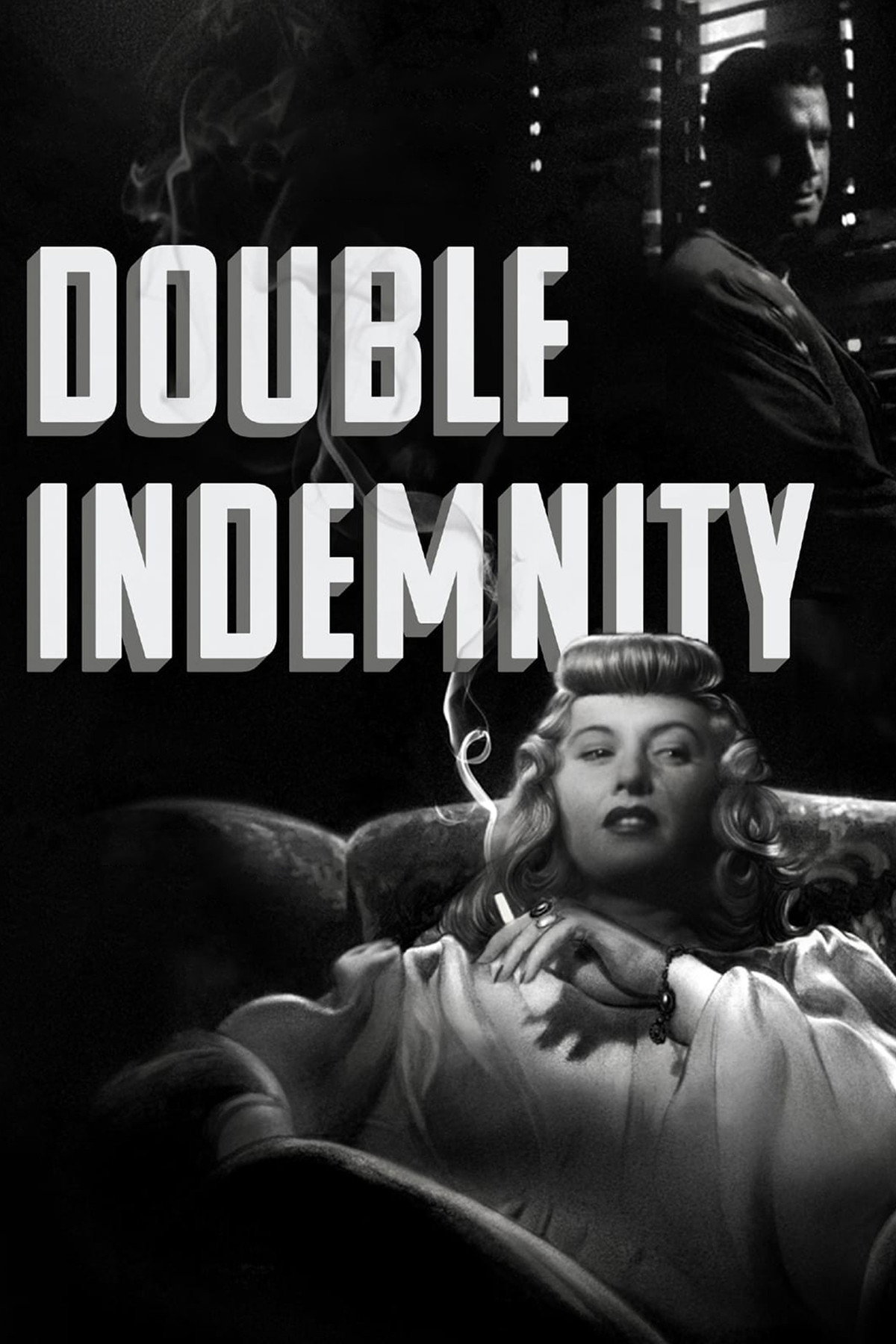
Every time I sit down to watch Double Indemnity, I instantly feel swept into the moody, enigmatic world that defines what I consider to be a true film noir. For me, this film stands as a masterclass not only within its genre but almost as the essence of the genre itself. Double Indemnity belongs unequivocally to the film noir tradition—an American cinema movement that crystallized during the 1940s and early 1950s. I’m drawn to this film precisely for the way it encapsulates the dark, morally ambiguous universe of noir, from its shadowy cinematography to its haunted, fatalistic characters. Everything about how the story unfurls, and the emotional temperature of every scene, echoes what I find most compelling about noir: a relentless tension, a world gone wrong at its core, and a parade of characters dangling at the precipice of their own undoing.
Key Characteristics of the Genre
-
Common themes
From my perspective, the heart of film noir is the sense of doom and ambiguity—nobody is fully innocent, and every decision seems to pull characters deeper into moral quicksand. The genre thrives on distrust, regret, double-crosses, and an ever-present threat of betrayal. I frequently notice obsessions with fatalism, alienation, and an almost inescapable pull toward self-destruction. Greed and lust often drive the plots, with conspiracies lurking behind everyday facades. There’s an intensity to the exploration of moral conflict that keeps me rapt even after repeat viewings. -
Typical visual style
Whenever I think of film noir visuals, sharp contrasts leap to mind—deep shadows swallowing faces and alleys alike, with slicing beams of light highlighting moments of both revelation and deception. Heavy use of Venetian blinds casting jagged patterns, distorted reflections in mirrors, and rain-slick streets glowing in the night lend these films an undercurrent of anxiety. I find the black-and-white chiaroscuro cinematography crucial, not just stylistically but emotionally, giving scenes a hard-edged, dreamlike atmosphere that makes everything feel like it’s teetering between reality and nightmare. -
Narrative structure
Noir stories rarely play out in chronological order; instead, I’m regularly guided by unreliable narrators, voiceover confessionals, and flashbacks that drip-feed critical information. There’s a persistent sense that events are out of control, unraveling in hindsight. Often when I watch a film noir, I feel as though I’m piecing the truth together from fragments or whispered regrets, like sifting through someone else’s memories. This style emphasizes an almost existential pessimism—as if fate has already sealed the characters’ doom by the time the story begins. -
Character archetypes
My favorite noir protagonists are often hard-boiled antiheroes: worn-down detectives, corrupted insurance men, or cynical ordinary folks seduced by chance and desire. They’re neither purely heroes nor simple villains; instead, they’re profoundly flawed, frequently haunted by past misdeeds or caught in situations spiraling out of their control. Then there’s the iconic femme fatale—the captivating, mysterious woman whose allure promises escape but often delivers ruin. Supporting characters—crooked bosses, loyal friends with secrets, or gullible husbands—usually serve as mirrors, highlighting the protagonists’ wavering sense of morality.
How This Film Exemplifies the Genre
Whenever I return to Double Indemnity, I’m immediately struck by how meticulously it embodies the core traits of noir, shaping my understanding of the genre each time. The suffocating air of doom that hangs over Walter Neff’s fateful confession is more than just plot—it’s the genre’s fatalism incarnate. I notice how the story’s relentless tension doesn’t just drive suspense; it creates an atmosphere where even moments of tenderness or humor feel laced with underlying dread. The entire film dances around moral dilemma: ambitions warp into deadly bargains, love simmers alongside duplicity, and every whispered promise seems intertwined with a threat.
I find myself mesmerized by the visuals: in every shadow-drenched corridor and every slanting beam across Fred MacMurray’s anxious face, there’s an expression of characters divided against themselves and their worlds. It’s a language of light and darkness, and I read in every frame a subconscious battle between truth and concealment. The sound design is another aspect that strikes me—sharp footsteps echoing on tile and the hushed exchanges between Neff and Phyllis create a tactile moodiness, making me feel as though danger is always thumping just beyond the doorway.
The way the narrative is shaped—told through flashbacks as Neff dictates his account into a recorder—feels so quintessentially noir to me. I see this structure as doing more than telling a story; it turns confession into self-judgment, truth into a slow-drip poison. I’ve always been fascinated by how this technique blurs the line between honesty and manipulation, pushing me to ask whether the protagonist is deceiving himself as much as everybody else. Even the film’s dialogue, with its rapid-fire, hard-boiled exchanges, perfectly reflects a genre that rarely deals in sentimentality except when weaponized for deceit. The tension crackles not just in what’s said, but in what’s left unsaid.
Of course, the archetypes at play here are irresistible. Fred MacMurray’s Neff personifies noir’s morally compromised everyman—a man seduced by opportunity and a dangerous woman. Barbara Stanwyck’s Phyllis Dietrichson fulfills and then undermines the role of the femme fatale: her allure, cunning, and sense of danger define for me what makes this archetype both compelling and frightening. Their banter is fraught with layers, their chemistry electric yet chilling, creating what I feel is a perfect encapsulation of desire entangled with danger. Edward G. Robinson’s Keyes offers a portrayal of the dogged investigator, sharp yet blind to the treachery right under his nose. It’s this interplay of motives and masks, of trust and subterfuge, that keeps me thinking about the film long after the final scene fades to black.
Other Essential Films in This Genre
- The Maltese Falcon (1941) – When I think of foundational noirs, The Maltese Falcon always comes to mind. I’m endlessly fascinated by how its web of lies and deception, driven by world-weary private eye Sam Spade, solidifies the genre’s DNA: a search for truth tangled with greed and betrayal. Its mosaic of suspicious characters and the sense that every word is a half-truth reminds me precisely what drew me to noir in the first place.
- Out of the Past (1947) – This is my go-to example of noir’s fatalism entwined with a seductive, dreamlike mood. The flashback-heavy narrative pulls me into the protagonist’s efforts to escape his past, only to get dragged further in. It’s a story where trust is dangerous and love can be a fatal mistake—elements I see echoed in nearly every great noir, including Double Indemnity.
- Laura (1944) – I’ve always admired how Laura injects an almost mythic sense of obsession and ambiguity into the noir framework. Its mystery deepens less because of what the detective finds and more because of how he becomes entangled emotionally. The film’s lush, eerie atmosphere and warped romanticism offer a fresh variation on noir themes, showing me how elastic the genre can be.
- Pickup on South Street (1953) – In my view, few films match the gritty urban realism and paranoia that this movie achieves. The antiheroes here are swept up not just in personal troubles but also in wider cultural anxieties about trust, loyalty, and surveillance. Every time I revisit it, I appreciate anew how noir can reflect the anxieties of its moment through the lens of crime drama.
Why This Genre Continues to Endure
I think the enduring appeal of film noir lies in its audacious honesty about the complexities of human nature. Every time I watch a classic noir, I feel it strips away the easy comfort of clear-cut morality, showing a world where survival demands compromise, love might be a trap, and justice is never simple. These films invite me—and, I suspect, many other viewers—to confront our own shadows, fears, and ambiguous desires. There’s something liberating about seeing characters wrestle with dilemmas we might otherwise hide from ourselves.
The visual inventiveness of the genre always holds me spellbound. The striking use of shadow and space still looks fresh, even when I compare these films to more recent cinema. I think the visual grammar of noir has become universal, influencing everything from neo-noirs to psychological thrillers, and I notice its fingerprints in stories that still captivate modern audiences. The genre’s psychological depth, its willingness to dive into flawed, driven, and desperate minds, feels perennially relevant to me—especially in a world that grows ever more complicated.
At heart, I believe film noir has survived across generations because its questions are timeless: What would I do in the grip of temptation? How much control do we really have over our fate? Can anyone be wholly trusted? The answers, as noir continually suggests, are never black and white. The genre’s commitment to exposing complexity and contradiction in even the most banal actions speaks directly to my sense of curiosity about human behavior. This devotion to ambiguity, to moral adventure, is what keeps me and other film lovers returning to the shadows, eager for another brush with the unknown.
If you’re interested in how viewers respond beyond technique, you may want to explore audience and critical reception.
🎬 Check out today's best-selling movies on Amazon!
View Deals on Amazon