
Film Movement Context
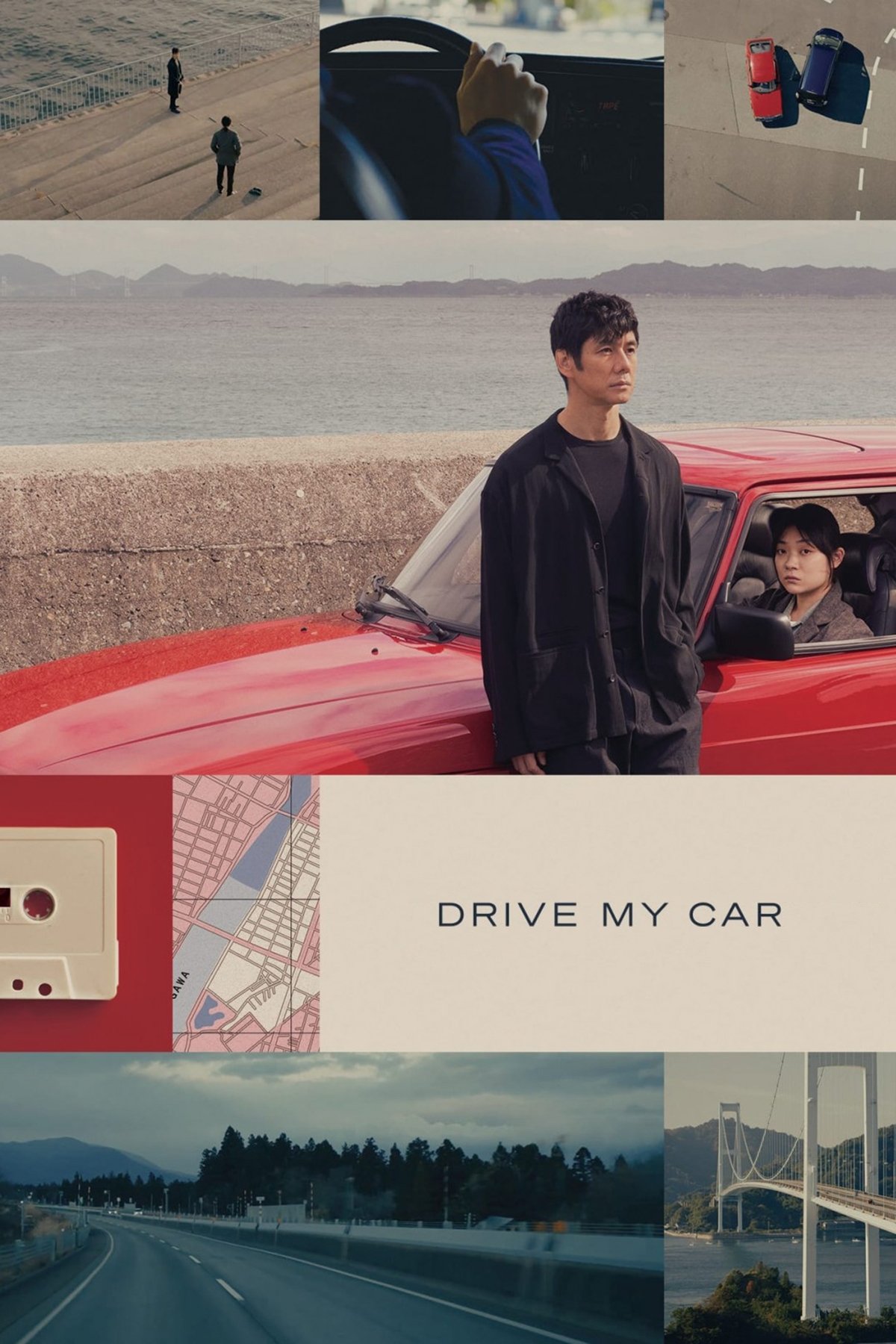
When I first encountered “Drive My Car,” I immediately recognized its deliberate pacing and emotional restraint as hallmarks of a cinematic lineage deeply rooted in Japanese art-house realism. For me, this film is utterly immersed in the contemporary slow cinema movement, yet it also channels the contemplative humanism of postwar Japanese auteurs. I’d argue that “Drive My Car” is, above all, a spiritual successor to the Japanese New Wave and the wider tradition of humanist cinema—movements defined not by overt stylistic flourishes, but by their patience, depth, and emotional authenticity. I often find myself returning to this film as a touchstone for how the lineage of realism, tinged with existential inquiry and narrative ambiguity, continues to reverberate in modern international cinema. Its hushed grace and focus on the long gaze—the way characters sit with their grief or drive quietly for minutes on end—places it within a global tradition of “slow cinema,” but with a distinctly Japanese sensibility that I find intimately connected to filmmakers like Yasujirō Ozu, Hirokazu Kore-eda, and even remnants of the shomingeki genre. The resonance for me comes not from genre conventions, but from the film’s allegiance to an affective, meditative tradition that asks us to dwell in the unspoken and unresolved.
Historical Origins of the Movement
I’ve always traced the lineage of films like “Drive My Car” back to mid-20th-century Japanese cinema, where narratives shifted away from melodrama toward the quotidian. The postwar period in Japan was marked by a transformation—directors like Ozu and Naruse began to focus on everyday life, unhurried rhythms, and emotional nuance, creating what later critics called shomingeki or “films about ordinary people.” To me, this approach emerged as a way of processing the monumental trauma Japan faced after World War II. Rather than grand gestures, these filmmakers leaned into silence and subtlety. The aftermath demanded reflection, not spectacle. Later, in the 1960s, the Japanese New Wave infused this foundation with a more modern, sometimes abrasive sensibility, but the core values persisted: restraint, empathy, and an insistence on honoring life’s ambiguities.
Why did this movement take hold? My view is that, at its core, it was a reaction against the studio-dominated, often escapist fare of the early 20th century. Society itself had changed; both the urban middle class and the rural poor saw their stories rarely reflected with authenticity. The art-house realism and later, what I now recognize as precursors to “slow cinema,” offered resistance: a refusal to cut away from uncomfortable moments, a will to linger. Over time, this aesthetic sensibility spilled past Japan’s borders. In Europe, particularly during the late 20th century, directors such as Béla Tarr and Abbas Kiarostami adopted and adapted these slow, observational methods. This transnational dialogue gestated what is now called “slow cinema”: a movement characterized by minimalism, long takes, silences, and interiority. When I watch “Drive My Car,” I experience this history layered into each frame—the past always present, the cinematic gaze gently radical in its refusal to hurry or spell out answers.
This Film’s Contribution to the Movement
There’s something deeply courageous, I think, about the way “Drive My Car” pushes slow cinema and Japanese humanist traditions into the modern era. When I sat with this film, I felt it opening new emotional spaces precisely because it resisted explanation. The narrative’s slow burn and its willingness to dwell on awkward silences or simple routines—a man driving, rehearsing Chekhov, the awkwardness of a car ride shared between two people bound by grief—felt to me like a further refinement of the contemplative style. But what truly distinguishes “Drive My Car” within this movement is its layering of language, performance, and trauma. The film does not simply depict slowness or quietness for their own sake; instead, it renders these qualities into the very texture of communication and miscommunication. The use of multilingual theater rehearsals, for example, mirrors how the characters struggle to reach understanding even within themselves. I see this as a kind of meta-cinema, where the film interrogates not just its characters’ lives, but also the broader potential of cinema as a vessel for empathy and connection.
I’m particularly enamored by how the film’s structure expands the vocabulary of slow cinema. Instead of offering unresolved, static tableaux, it meticulously builds landscapes of memory and loss. The three-hour runtime isn’t indulgence; it’s a mechanism for the audience to inhabit the psychological spaces of characters who cannot, or will not, move quickly through grief. In many recent slow films, pacing can sometimes feel like an affectation. Here, it becomes a crucible. “Drive My Car” extracts meaning from durational time—something I value as both a formal experiment and a philosophical position. Every extended scene of silence or repetition mirrors the halting recovery from sorrow, inviting me not only to observe but also to participate in the patient work of healing. Rarely do I encounter a film that treats the process of mourning with such deep integrity.
Within the context of Japanese cinema, I view “Drive My Car” as emblematic of what the movement has become: global, dialogic, restless yet still, suffused with a worldliness that does not sacrifice emotional intimacy. It’s a quietly radical expansion, demonstrating how the legacy of shomingeki, New Wave, and slow cinema can embrace new global audiences while retaining its uniquely Japanese sensibility. When I think about how this film will be remembered, I suspect it will be regarded as both a culmination and a transformation of this enduring approach.
Influence on Later Genres and Films
- Genre-Bending Approaches to Time and Narrative – The most exciting impact for me is how “Drive My Car” challenges genre boundaries by treating duration not as an obstacle, but as a narrative tool. I’ve seen its influence crop up in recent drama films that dare to let scenes breathe, prioritizing character psychology over plot mechanics. In an era dominated by whiplash editing, the film’s willingness to unfold time at a meditative pace inspires a certain courage among emerging directors. For instance, I’ve noticed new independent films, both in Asia and the West, embrace this durational approach to deeply explore character subjectivity, even within the framework of genres like romance and mystery. The way “Drive My Car” navigates between genres—merging drama, road movie, and existential meditation—pushes other filmmakers to reconsider how narrative time can be stretched or contracted for maximum emotional impact.
- Expanded Global Reception of East Asian Humanist Cinema – One of the joys I’ve discovered in the international art-house circuit is how “Drive My Car” has drawn fresh attention to the subtleties and innovations of East Asian cinema. Thanks to its visibility at international festivals and its Oscar recognition, I observe more audiences and critics actively seeking out films with similarly understated sensibilities—from the works of Lee Chang-dong in Korea to Apichatpong Weerasethakul’s Thai meditations on memory. I believe “Drive My Car” opens doors by modeling how contemporary films from the region can speak affectively to global concerns (grief, forgiveness, the frailty of communication) without diluting cultural specificity. Its success reinvigorates the slow cinema movement worldwide, inviting new cross-pollinations between filmmakers from different traditions who are alive to silence, subtext, and the power of long takes.
- Innovations in Depicting Grief, Trauma, and Interiority – What strikes me most, on repeated viewings, is how “Drive My Car” reinvents cinematic language for personal trauma and healing. I see its influence seeping into films that once might have defaulted to melodramatic explosions of emotion. Instead, directors now hesitate; they give their characters space to reflect, to miscommunicate, to heal in real time. Personally, I find this more honest and affecting. The film’s use of theater—especially Chekhov’s “Uncle Vanya”—as a meta-commentary on performance in everyday life has inspired others to experiment with intertextuality and layered narrative forms. Other filmmakers, I’ve noticed, now dare to leave narrative threads unresolved, trusting viewers to dwell in uncertainty rather than demanding catharsis. For me, this marks a significant evolution in how grief and the inner life are treated onscreen, not just in Japanese cinema, but across global auteurs working today.
The Movement’s Lasting Impact
Whenever I reflect on why the movement anchored by films like “Drive My Car” continues to reverberate, I return to the feeling that it offers a necessary corrective in a culture obsessed with speed, clarity, and spectacle. The deliberate pacing, the attention to everyday ritual, the trust placed in audiences to find meaning in what’s left unsaid: these qualities resist the disposability that often characterizes mainstream cinema. For me, the movement’s value lies not only in aesthetic choices, but also in its moral and philosophical commitment—an insistence that suffering, memory, and personal transformation cannot be neatly resolved. In my viewing experience, such films slow me down and ask for participation: not merely to watch, but to listen, to reflect, to share in the uncertainty that is woven through human lives. It’s this rare invitation—to think along with the movie, rather than be dictated to—that persists as the movement’s greatest legacy. As someone who prizes nuance and introspection in film, I find that the humanist tradition embodied in “Drive My Car” continues to matter, precisely because it models a cinema of empathy, patience, and radical honesty. And I suspect that as long as audiences seek not just escape, but insight and solace, the movement will endure.
To connect style and technique with broader context, you may find these perspectives useful.
🎬 Check out today's best-selling movies on Amazon!
View Deals on Amazon