
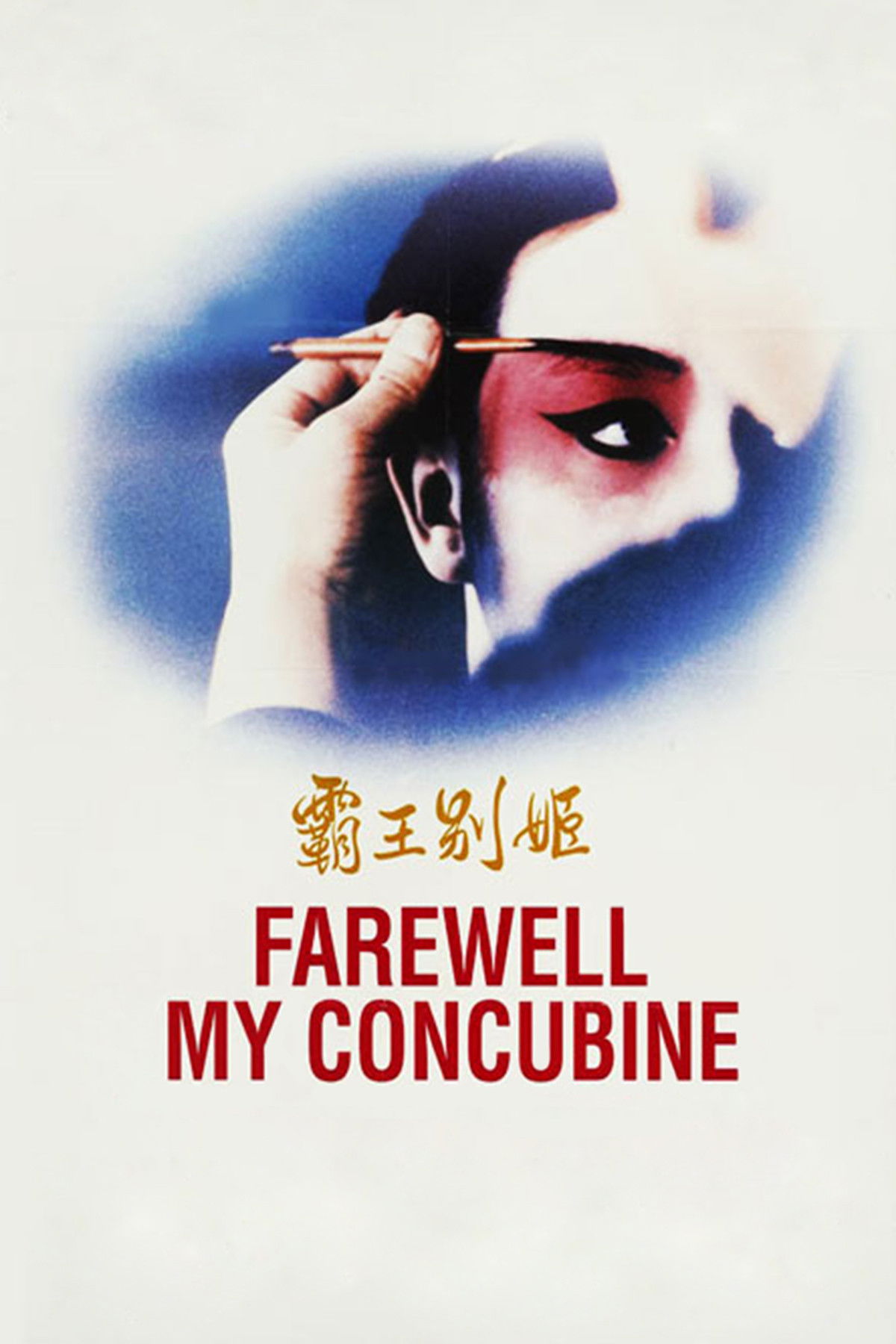
The Genre of This Film
Watching “Farewell My Concubine” for the first time, I felt utterly overwhelmed by its intensity and richness—the film left me with a lasting impression that only certain genres can deliver. To me, this film sits firmly within the historical drama genre. The depth of character experience, entwined with decades of political and cultural turbulence, pointed unmistakably toward a genre that thrives on multifaceted storytelling rooted in real, transformative history. I find historical dramas powerful because they reveal the personal alongside the political, and “Farewell My Concubine” does exactly that. The breadth of the narrative, covering over fifty years in China’s 20th-century history, joins the fate of its characters with sweeping change, which I feel is the core characteristic of a historical drama.
Key Characteristics of the Genre
- Common themes: I’ve noticed that historical dramas frequently explore themes of power, tradition, survival, and the interplay between personal choices and larger social forces. Often, I see honor, duty, sacrifice, and societal upheaval threaded throughout. These stories tend to place individual destinies against the unstoppable tide of history, examining how people’s lives are shaped, shattered, or elevated by external events.
- Typical visual style: Visually, I expect authenticity in historical dramas—highly detailed period costumes, meticulous set design, and a noteworthy emphasis on atmosphere. Lighting tends to underscore mood as much as period accuracy. I often see filmmakers imbuing scenes with textures that evoke specific eras, whether through muted palettes reflecting hardship or extravagant colors signaling moments of simmering passion or cultural vibrancy. Camerawork frequently prioritizes panoramic shots to situate characters within a tangible historical context.
- Narrative structure: For me, the narrative arc in historical drama is usually expansive. Rather than being tightly compressed, stories often unfold across many years, sometimes decades. Interwoven timelines and flashbacks are common, and I often see multi-generational storytelling. The historical drama leans on significant real-world events as pivots around which the fictional or semi-fictional narrative turns.
- Character archetypes: Whenever I think of this genre, certain types of characters come to mind. There are individuals caught in the crossfire of power struggles—survivors, exiles, rebels, and reluctant heroes. There’s a frequent presence of figures drawn along the lines of tradition-bearers and innovators. I notice how these archetypes underscore the emotional stakes, inviting me to connect on a deeply personal level with the inner conflicts they embody.
How This Film Exemplifies the Genre
Whenever I revisit “Farewell My Concubine,” I see a masterclass in historical drama at work. The film’s authenticity catches me in every scene—from the impeccably recreated Beijing streets to the radiant, elaborate opera costumes. I always feel as if the camera is inviting me to participate in the cultural and political complexities of 20th-century China, rather than merely observing from a distance. The narrative arc spans more than half a century, a period I recognize as one of the most tumultuous in Chinese history. For me, this breadth is essential for the genre; it transforms individual stories into echoes of collective experience.
I’m especially struck by how the film’s themes operate on several levels. Watching the characters grapple with allegiance, betrayal, and the constraints of tradition, I recognize core elements of the historical drama. The protagonists—actors forever defined and confined by their roles, both on stage and off—seem, to my mind, to personify the era’s shifting rules and values. Their lives, torn apart and brought together by wars, revolutions, and ideological purges, reinforce my belief that historical drama is never just about the past; it’s about how change consumes the human spirit. I notice that every supporting detail—the lighting in shadowy backstage spaces, the rituals depicted with loving precision—builds the credibility and immersion I crave in this genre. Even the film’s pacing, deliberate and unforgiving, mimics the long march of time, making me feel as though I am standing witness to history’s inexorable flow.
Other Essential Films in This Genre
- “The Last Emperor” (1987) – When I watched this film, I immediately thought about how it charts the entire arc of Puyi, China’s last imperial ruler, mapping his personal tragedy against political upheaval. Its extraordinary attention to historical detail makes it feel, to me, more immersive than most biopics. The grandeur of its visuals and the slow, inevitable unraveling of old regimes evoke the scale I expect from first-rate historical drama.
- “Reds” (1981) – In my view, “Reds” stands out for its ambitious sweep across crucial moments in American and world history, particularly the Russian Revolution. What makes it resonate for me is how it merges political commitment and personal turmoil, highlighting how idealism is battered by real-world events. I find its blend of documentary testimony and narrative innovation to be a hallmark of historical drama pushing its own boundaries.
- “Atonement” (2007) – When I think about historical melodramas set against the backdrop of war, “Atonement” jumps out because of its lyrical, almost painterly approach to both the horror and heartbreak of WWII-era Britain. The film’s nonlinear storytelling, and its portrayal of a single moment’s ripple effect through history, strikes me as uniquely moving. I appreciate how it uses a personal story to comment on larger truths about time, guilt, and forgiveness.
- “The Leopard” (1963) – Visconti’s film has always impressed me as a luminous example of the genre. Its panoramic sweep over the dying days of Sicilian aristocracy in the Risorgimento era feels epic in both scope and tone. I love how it treats the passage of time and social transformation as inevitable, yet deeply personal, consequences for its central characters. This commitment to both spectacle and inner life is, for me, the lifeblood of historical drama.
Why This Genre Continues to Endure
For me, the enduring appeal of historical drama is inseparable from my fascination with how individual lives intersect with wider historical currents. Each time I watch a film from this genre, I get the sense that the past is not merely a static backdrop, but a living, breathing force—one that can inspire, haunt, or shape our present selves. I am continually moved by how the genre recreates the material textures of another era, immersing me in lost worlds through costume, language, and ritual. There’s a vicarious thrill to watching history unfold, knowing that the people on screen are at once powerless in the face of large-scale change and yet capable of small, unforgettable acts of resistance or love.
I believe historical drama’s popularity also rests in its capacity to illuminate universal truths. Watching “Farewell My Concubine,” I am reminded that questions of loyalty, love, sacrifice, and survival have always existed, regardless of whether the audience sits in the early 20th century or in the present day. The emotional immediacy of these stories helps me see the past as intimately connected to my own experiences. The genre allows me to reflect on how societies evolve, and how culture, tradition, and political ideology can either build or destroy lives.
Perhaps what keeps me returning to historical drama is the tension it sustains between memory and myth. The genre never lets me forget that history is partly collective imagination, shaped by storytellers who sift meaning from chaos. As a cinephile and critic, I’m always challenged and compelled by the way these films provoke questions—not just about what happened, but about who we are and how we remember. When historical drama is at its best, as in “Farewell My Concubine,” it offers that rare cinematic experience where personal pain and beauty are stretched across the canvas of time, making history feel startlingly immediate and real.
If you’re interested in how viewers respond beyond technique, you may want to explore audience and critical reception.
🎬 Check out today's best-selling movies on Amazon!
View Deals on Amazon