
Film Movement Context
From the very first time I watched “Eyes Without a Face,” I was captivated by its unsettling blend of beauty and horror. What struck me most is how the film seems suspended between cinematic movements, yet it draws unmistakably from French poetic realism while simultaneously anticipating the rise of the European art-horror movement. I see it as a pivotal example of the so-called “fantastique” tradition, that rich current in French cinema which fuses the poetic, the uncanny, and the grotesque. This tradition isn’t a rigid movement in the way of Italian Neorealism or the French New Wave, but it’s the soil from which Georges Franju’s singular vision grows. As I’ve delved deeper, I’ve come to consider “Eyes Without a Face” as a key transitional work: an early European art-horror film, located between classic horror cinema and the aesthetically ambitious, psychologically layered genre explorations that would define the following decades. This film’s importance lies in how it synthesizes the lyrical style of French cinema with the thematic daring of avant-garde horror, straddling the line between Gothic fantasy and social critique. It matters to me—and, I believe, to film history—because it articulates new possibilities for genre filmmaking just as global cinema was about to transform.
Historical Origins of the Movement
I can’t examine “Eyes Without a Face” without thinking about the uneasy legacy of French cinematic traditions in the postwar period. For me, the origins of its movement are entangled with the poetic realism of the 1930s—those moody, fatalistic films of Jean Vigo, Marcel Carné, and Jean Renoir—which often hovered near the dreamlike or fantastic. After World War II, French filmmakers found themselves negotiating with the trauma of occupation, the allure of American culture, and the existential malaise that gripped the country. The horror genre in France resisted the overt supernatural spectacle of American B-movies or the formal precision of German Expressionism. Instead, French filmmakers leaned into ambiguity, subjectivity, and the surreal. I find this especially compelling in Franju’s work, since he co-founded the Cinémathèque Française, absorbing and remixing cinematic styles from across Europe and beyond. By the late 1950s, as the French New Wave was gathering force with its radical energies, there emerged an appetite for films that could look both outward—absorbing international trends—and inward, interrogating national traumas and identities. The “fantastique,” long a subversive undercurrent in French literature and silent film, resurfaced with films like Henri-Georges Clouzot’s “Les Diaboliques” and Franju’s own documentary-tinged “Blood of the Beasts.” To me, “Eyes Without a Face” arrives at the confluence of these threads: not quite horror in the customary sense, yet unmistakably macabre; not entirely realist, but deeply invested in the emotional and psychological truths underlying grotesque spectacle.
This Film’s Contribution to the Movement
When I try to articulate what “Eyes Without a Face” does for its movement, I keep returning to its uncanny atmosphere. Franju manages to take established horror motifs—disfigurement, surgical violation, the haunted house—and infuse them with a lyricism I find both disturbing and strangely delicate. Rather than slavishly following genre conventions, the film unsettles them. The surgical scenes, for example, lack the frenetic pace or sensational gore of the American horror films of its era. Instead, Franju’s camera lingers, methodically, almost clinical, making me complicit in both fascination and revulsion. The ambiguity of the setting—the chateau could belong to any time in 20th-century France—places me in a dreamlike present, dislocated from familiar cause-and-effect narrative. What resonates most for me is the film’s emotional gravity: Christiane’s tragic longing for identity and autonomy, her masked presence oscillating between victim and ghost, becomes a metaphor not just for postwar trauma but for the existential pain of disconnection. In advancing the movement, “Eyes Without a Face” demonstrates that the fantastic and the horrific are not mere escapism; instead, they are a means of engaging with what is repressed or unspeakable in society. This is horror as modernist meditation, open-ended and intellectually provocative. I see Franju’s restraint—the subtle, almost painterly use of music, light, and shadow—as a blueprint for filmmakers who would later treat genre cinema as a legitimate vehicle for aesthetics and philosophy. The film’s refusal to over-explain or moralize is central to its legacy and a reason I always return to it when talking about movement-defining works.
Influence on Later Genres and Films
- Influence 1 – The European Art-Horror Renaissance: For me, the most immediate influence of “Eyes Without a Face” is how it helped shape European art-horror in the 1960s and 1970s. I see its echoes in the psychological ambiguity of Roman Polanski’s “Repulsion” and the clinical, disorienting violence of Michael Powell’s “Peeping Tom.” These films, much like Franju’s, prioritize atmosphere, interiority, and unresolved dread over narrative closure and graphic spectacle. The way “Eyes Without a Face” aestheticizes horror makes it possible for later directors to approach the genre as a playground for experimentation, not just cheap thrills or social allegory.
- Influence 2 – The Medical and Surgical Body in Cinema: I’ve noticed that Franju’s surgical imagery directly inspires the proliferation of medical horror tropes throughout genre cinema, especially in Jess Franco’s “The Awful Dr. Orlof” and even Cronenberg’s body horror cycles. The motif of scientific overreach—cold, unemotional, and yet deeply human in its consequences—owes much to the haunting precision of Franju’s operating table scenes. For me, this is the film’s secret power: it shifts the locus of horror from the supernatural to the corporeal, foregrounding the fragility and permeability of the human body and, by extension, the self. Filmmakers from Lucio Fulci to Pedro Almodóvar (“The Skin I Live In”) have returned again and again to this ground that “Eyes Without a Face” helped define.
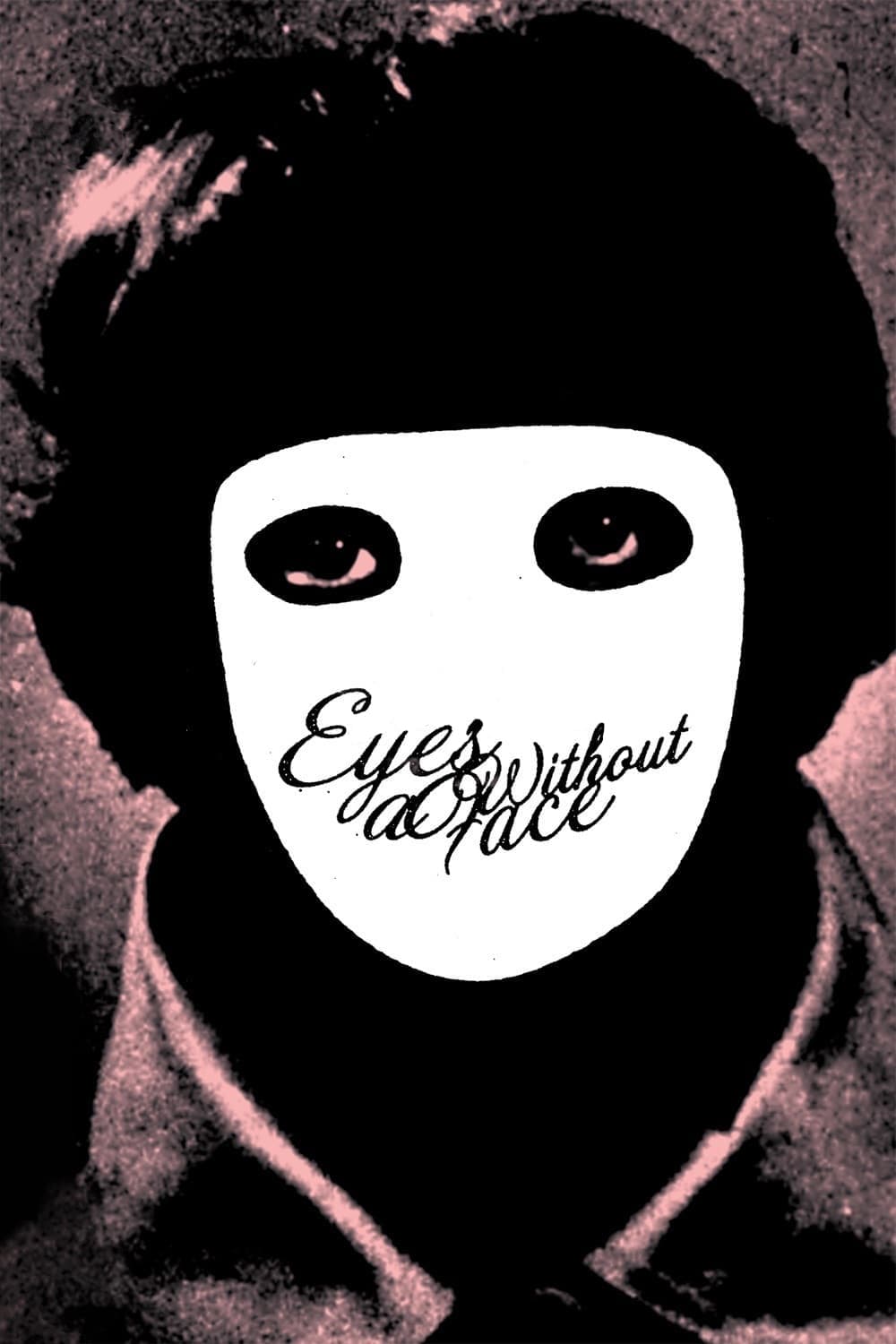
- Influence 3 – Feminine Subjectivity and Masked Identity: What I find particularly groundbreaking is the film’s meditation on female identity and masked subjectivity. Christiane’s blank visage—a literal mask hiding pain—prefigures everything from giallo heroines to David Lynch’s tragic, ethereal women. The device of the enigmatic mask crops up in films as diverse as John Carpenter’s “Halloween” and Paul Verhoeven’s “Elle.” Each time, I see filmmakers borrowing Franju’s metaphor for the fragmentation, alienation, and silencing of female characters. The narrative doesn’t just show horror inflicted on a woman; it immerses me in her perspective, her uncertainty, her haunted consciousness. This inward turn is one of the most durable legacies I trace back to “Eyes Without a Face.”
The Movement’s Lasting Impact
If I try to capture why the milieu that birthed “Eyes Without a Face” matters today, I’d say it’s because it redefined horror—and, by extension, genre cinema—as a space for seriousness, ambiguity, and artfulness. For me, the French tradition of the fantastique is more than a category of weird tales; it is where I see the boundaries between realism and fantasy, poetry and nightmare, dissolve. The film demonstrates how national trauma, psychological unrest, and philosophical inquiry can all inhabit the same cinematic body. Its stylistic legacy is visible every time a filmmaker lingers on the quiet aftermath of horror, or frames monstrosity as both visually alluring and emotionally resonant. “Eyes Without a Face” offers an argument about what cinema can be: meditative, multilayered, and unafraid to confront the unspeakable. Each time I return to it, I’m reminded that film movements matter because they give both artists and audiences a language for responding to the complexities of their world. In choosing to blur the lines between poetic realism and horror, Franju didn’t just advance a tradition—he opened a conversation I see echoed in the darkest, most beautiful corners of world cinema today.
To connect style and technique with broader context, you may find these perspectives useful.
🎬 Check out today's best-selling movies on Amazon!
View Deals on Amazon