
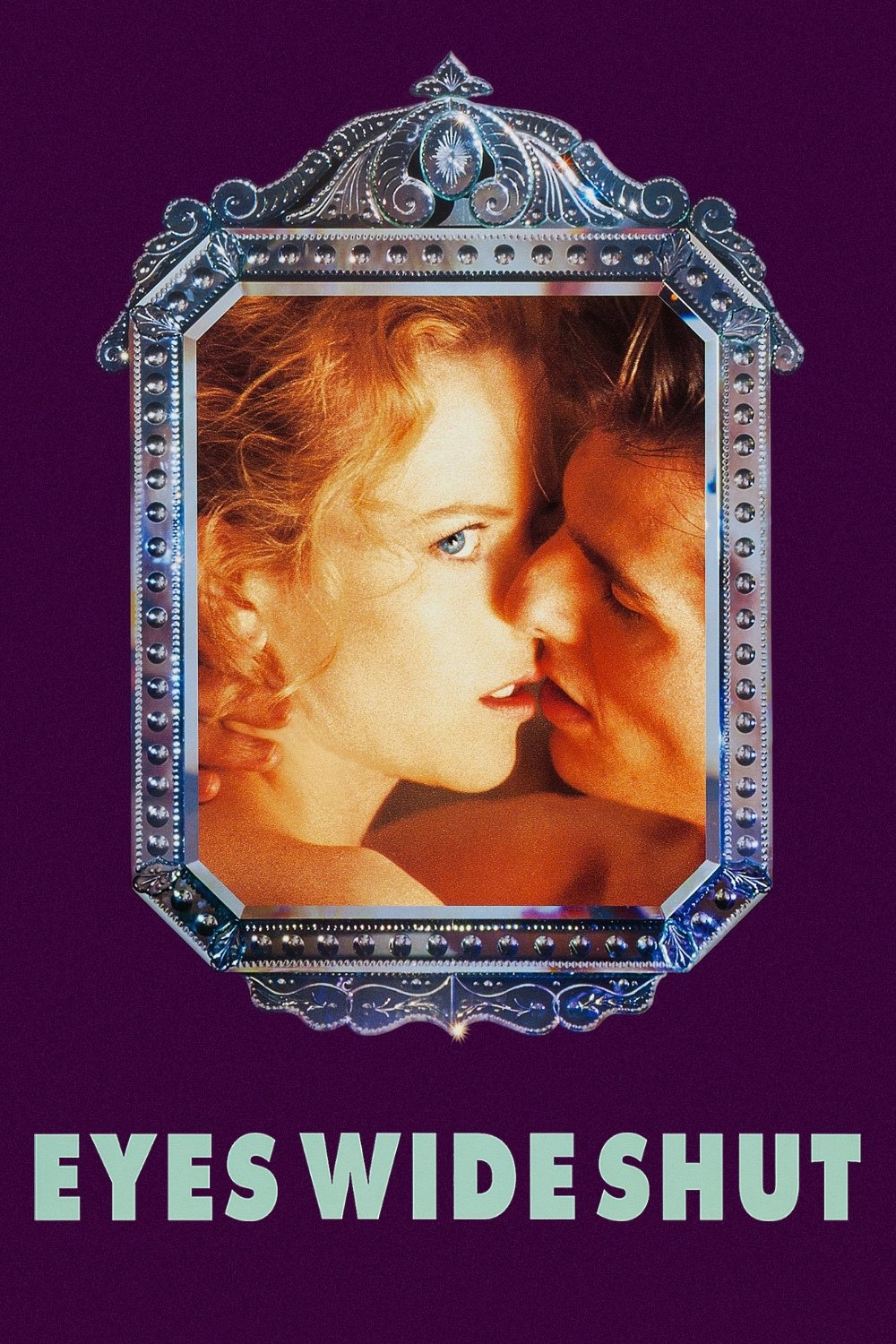
The Genre of This Film
Right from my first encounter with “Eyes Wide Shut,” I felt drawn into a space that defies simple categorization. For me, this film primarily belongs to the psychological drama genre, with a robust undercurrent of erotic mystery. The movie is best understood as psychological drama because, at its heart, it pours all its energy into unraveling layers of the human psyche rather than merely spinning a tale of physical events. What kept me riveted wasn’t just the surface intrigue—though the mysterious and erotic elements are impossible to ignore—but the constant, unsettling focus on characters’ internal anguish, uncertainty, and shifting perceptions. The intensity of that psychological probing, the way it triggers self-doubt and exposés of personal desire, is what I think places “Eyes Wide Shut” most squarely within psychological drama.
Key Characteristics of the Genre
-
Common themes
The psychological drama territory has always appealed to me because of its restless fascination with identity, repression, obsession, and the blurry lines between fantasy and reality. I notice that these films tend to probe into taboo territory—not only sex, but also guilt, envy, jealousy, moral compromise, and emotional detachment. There’s a feeling of claustrophobia in these stories, as if the characters are trapped in their own heads, worlds, and compulsions. Themes like infidelity, alienation, forbidden desire, and the dangers lurking behind the familiar resurface again and again in psychological dramas, defining the backbone of the genre. -
Typical visual style
What always strikes me about this genre visually is how the director’s choices amplify the sense of psychological tension. In the best psychological dramas, the lighting is almost sculptural: dim, ambiguous, casting deep shadows that seem to obscure as much as they reveal. Color palettes frequently oscillate between inviting warmth and icy detachment. There’s a preference for subjective camerawork—strange angles, lingering close-ups, gliding tracking shots—which plant me squarely in the character’s troubled mind rather than as an objective observer. Often, the set designs and costumes carry their own form of coded messaging, luring the viewer deeper into the emotional thicket of the story. -
Narrative structure
Whenever I’m watching a psychological drama, it feels like the story unfolds less like a straight line than like an unraveling knot. The pacing is frequently deliberate, almost meditative, which allows tension to simmer just beneath the surface. Instead of conventional cause-and-effect storytelling, these films often meander through dreams, hallucinations, and shifting perspectives. Reliability becomes negotiable—I’m invited to doubt what I’m witnessing and question how much is filtered through a given character’s subjective experience. Flashbacks, unreliable narrators, and sequences blurring reality with imagination tend to be signature moves. -
Character archetypes
The characters who populate psychological dramas tend to be deeply complex, often haunted by something unspoken. I’ve noticed a pattern: they’re usually ordinary on the outside—doctors, spouses, friends, professionals—yet on the inside, they wrestle with crippling doubts, anxieties, or desires that stand at odds with the roles they play in society. Frequently, there is a protagonist gripped by crisis, a seductive or enigmatic outsider, and a secondary character who anchors the protagonist emotionally or morally—but even these “anchor” figures may become suspects, temptations, or, more disturbingly, projections of the protagonist’s own psychic fragmentation. Above all, everyone feels slightly mysterious, paradoxical, and prone to surprise.
How This Film Exemplifies the Genre
When I reflect on “Eyes Wide Shut,” what jumps out is how uncompromisingly psychological Stanley Kubrick’s vision is. Virtually every frame reverberates with the anxiety and confusion that define the psychological drama. I never feel permitted to relax or take anything at face value; there’s an omnipresent ambiguity to every interaction, every setting, every fleeting glance. The film essentially invites me to spend two and a half hours in a mind teetering on the edge of self-destruction, temptation, and paranoia.
The most defining trait of this genre that I experience here is the relentless probing of the protagonist’s consciousness. Tom Cruise’s character, Bill Harford, may on paper be a successful doctor, but emotionally, he drifts through the streets of New York as if haunted by invisible forces. From the beginning, I sense that all his grand gestures and nocturnal wanderings are desperate attempts to reconcile his own hidden fears and insecurities, rather than solve a simple external mystery. This inward focus—the way the mystery comes to symbolize inner chaos rather than a solvable whodunit—is classic psychological drama.
Another way “Eyes Wide Shut” embodies this genre is through its feverish atmosphere. The director’s approach to lighting is almost painterly: rich red and gold lamps cast everything in dreamlike hues, while shadows linger in every corner. I feel as if every location—from lavish apartments to clandestine mansions—is constructed to communicate something about desire, control, and secrecy. My sense of what’s real becomes as unsteady as Bill’s own. This ties directly to the genre’s visual markers: the unstable, alluring beauty of the world is inextricably bound to the internal states of its characters.
The movie’s non-linear, suspense-driven progression is, to me, emblematic of the psychological drama’s structure. Events seem to happen both in slow motion and with mounting urgency, blurring the boundary between waking life and dream logic. Rather than giving me traditionally clear answers, Kubrick laces every scene with uncertainty. I find myself detecting layers of subtext in the smallest gestures—an ambiguous smile, a suppressed confession, an unexplained encounter in the night. The film’s own ambiguity is its greatest strength, drawing me into the protagonist’s nervous confusion and constant self-interrogation.
Finally, the character archetypes jump out in ways that feel deeply personal. Bill Harford is the classic psychological drama protagonist: seemingly stable, yet riven by subtle self-doubt. His wife, played by Nicole Kidman, becomes the emotional counterpoint—a seemingly devoted spouse who disrupts Bill’s sense of security with a confession that cuts him to the bone. The world they inhabit is peopled by seducers, strangers, and authority figures who each seem to represent facets of Bill’s own mind as much as independent personalities. To me, this echoes the tradition of the genre, where external antagonists often serve as mirrors to the hero’s deepest fears and yearnings.
What truly sets “Eyes Wide Shut” apart for me is its resistance to clear satisfaction or moral closure. I leave the film unsettled, with more questions than answers—exactly the emotional state that the psychological drama genre relishes cultivating.
Other Essential Films in This Genre
- “Repulsion” (1965) – Watching Roman Polanski’s “Repulsion” is like being locked inside a fevered nightmare. I find it embodies psychological drama’s obsession with mental disintegration, shown through the gradual unraveling of a woman isolated in her apartment and trapped by her own anxieties. Every aspect—the claustrophobic setting, the disturbing hallucinations, the way reality folds in on itself—mirrors the genre’s core fascination with fractured selfhood and the horror it creates.
- “Don’t Look Now” (1973) – Nicolas Roeg’s haunting exploration of grief is, to me, another cornerstone of the genre. The film’s moody Venice, shifting timelines, and the main characters’ emotional volatility play perfectly with psychological drama’s strengths. Watching it, I’m always struck by how easily the line blurs between psychological obsession and supernatural suggestion—another way this genre keeps me doubting and disoriented.
- “The Machinist” (2004) – This film stands out to me as a perfect example from the modern era. Christian Bale’s character, emaciated by guilt and insomnia, drags me into his fractured sense of self, and I find the unraveling of his mental health to be both unsettling and deeply involving. In “The Machinist,” nothing is straightforward; reality is a web, and every thread traces back to personal torment and repressed memory—a hallmark of the psychological drama.
- “Secret Window” (2004) – Looking at David Koepp’s adaptation of Stephen King’s novella, I see another highly personal take on the genre. Johnny Depp’s character is haunted, not only by possible external threats, but equally by his own slippery grasp on truth and delusion. The inevitability of breakdown, paranoia, and self-sabotage, as I experience them in this film, are absolutely in line with the psychological drama’s commitment to exploring the mind as both a prison and a mystery.
Why This Genre Continues to Endure
I believe psychological drama maintains a firm grasp on audiences precisely because it gives us a secret glimpse into experiences we can’t fully describe to others—or maybe even to ourselves. While action blockbusters and clear-cut mysteries offer a specific kind of excitement, I think psychological dramas touch something far more intimate: the confusion, longing, shame, and ambiguity we carry around in private, often unspoken conversations with ourselves. I keep returning to movies in this genre because they refuse certainty, and that uncertainty actually feels reassuring. It makes me feel less alone in my own moments of doubt or irrational fear.
There’s also something enduring in the way this genre trusts me as a viewer to sense, interpret, and imagine beyond what’s visible. These films lure me into the act of self-examination, not just letting me observe, but pushing me to feel what the characters feel—sometimes uncomfortably close to my own experiences. Whenever I watch a psychological drama, like “Eyes Wide Shut,” I get the sense that the movie is talking to the deepest parts of my anxieties and hopes, not just weaving a story but opening up a strange dialogue with my own subconscious. That taut tension between what’s shown and what stays hidden in the shadows—that’s the true engine of the genre’s staying power.
If you’re interested in how viewers respond beyond technique, you may want to explore audience and critical reception.
🎬 Check out today's best-selling movies on Amazon!
View Deals on Amazon