
Film Movement Context
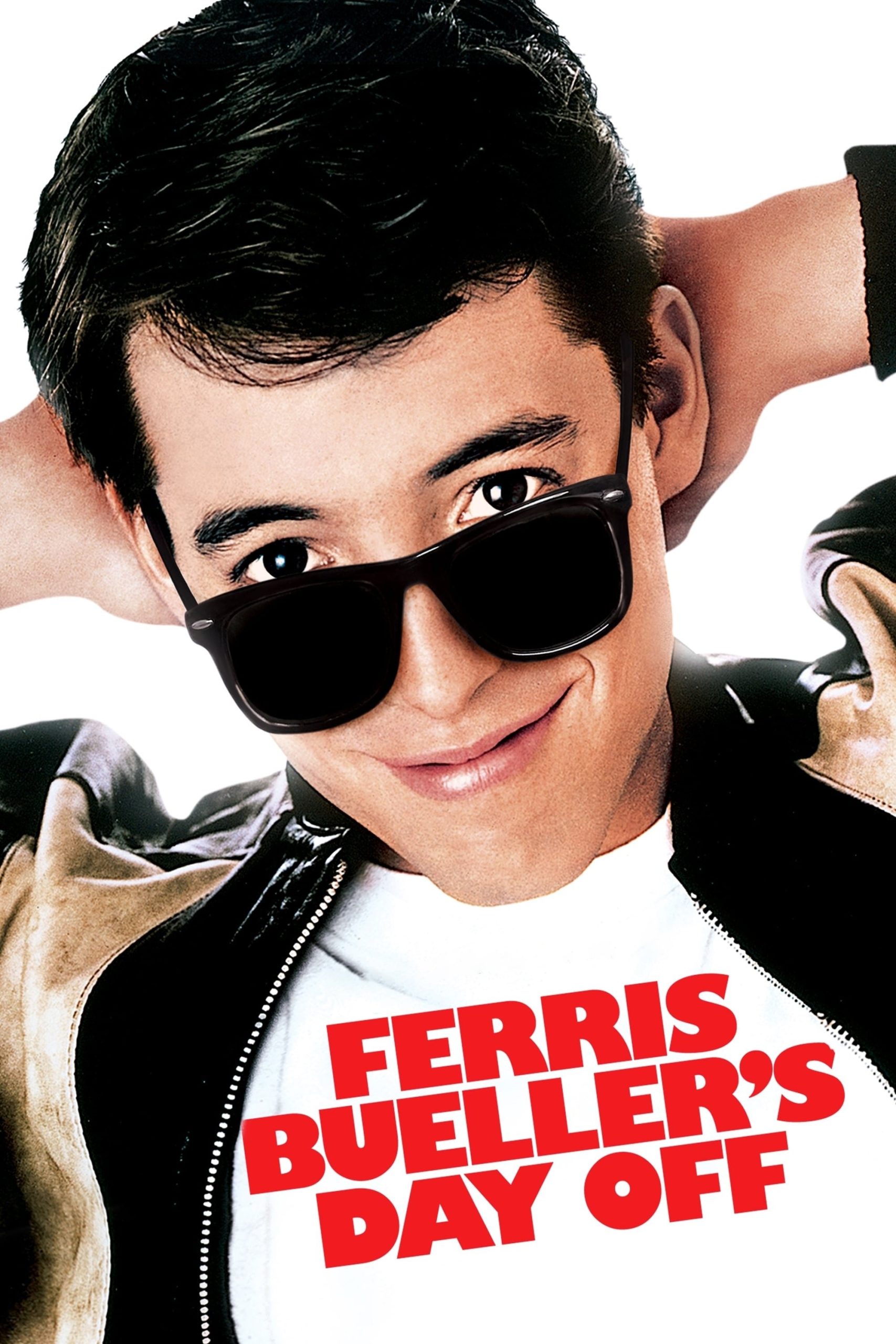
Whenever I revisit “Ferris Bueller’s Day Off,” I’m immediately struck by its inextricable ties to the teen comedy wave of the 1980s—a period that, for me, crystallized the coming-of-age genre into something at once populist and quietly subversive. What I see here is not simply a movie that fits within the so-called “teen film” subset; it’s a rich exemplar of the “New Hollywood Teen Comedy,” a movement I associate most vividly with the work of John Hughes. This isn’t just about jokes or adolescent hijinks—it’s a direct conversation with youth culture, autonomy, and the struggles of self-invention. I place “Ferris Bueller’s Day Off” squarely within this tradition, because it radiates that unique combination of irreverence, witty self-awareness, and a celebration of youthful rebellion, all projected through a lens attuned to the suburban experience. Crucially, I see it as a film meticulously crafted for, and about, teenagers—reminding me how the director granted unprecedented dignity and humor to the perspectives of young Americans.
Historical Origins of the Movement
For me, the emergence of the 1980s teen comedy isn’t a random flourish of lighthearted films, but a direct response to the shifting cultural and social sands of late 20th-century America. The late 1970s had seen the “New Hollywood” era encourage more individualistic, director-driven stories, but by the close of that decade the energy of American cinema was drumming to the beat of blockbuster entertainment. Yet, as I see it, a critical void persisted: films seemed to speak at or about teenagers, not to or with them. The teen film genre was born of that gap. Its earliest flashes can be seen in the counterculture comedies of the 1970s, but I trace its consolidation to the collision of cultural anxiety and Reagan-era conformism in the 1980s. In my view, John Hughes and his peers tapped into a generational desire for representation—a need for stories centered on teenage voices, where authority was questioned, rules could be broken, and social structures scrutinized.
What’s remarkable to me is that the “Teen Comedy” movement didn’t come from esoteric art-house circles, but from mainstream studios, aligning commerce with cultural critique. Of course, the films were often branded as simple entertainment, but I sense a deeper undercurrent: reflections on alienation, status anxiety, and the performance of identity in a society obsessed with appearances. These comedies were as much about existential dilemmas as about adolescent romance or slapstick pranks. They learned from screwball comedies, taking cues from the ensemble pageantry of earlier youth films like “American Graffiti,” yet they shed nostalgia for present-tense immediacy. When I look at “Ferris Bueller’s Day Off,” I see how the historical lodestone here is that moment when suburbia’s malaise and the hunger for freedom coalesced into a cinematic language spoken fluently by and for the young.
This Film’s Contribution to the Movement
Every time I watch “Ferris Bueller’s Day Off,” I’m reminded of how it doesn’t just participate in its movement—it seems to redefine it. Most teen comedies before Hughes hovered around ensembles, presenting youth culture as an ecosystem of types, but I find this film’s focus strikingly personal. My experience with Ferris’s character is singular: he’s not merely a prankster or class clown, but a philosophical rebel, an avatar of wish-fulfillment, and a kind of suburban trickster. What makes the film profound for me is the balance it strikes between gleeful rule-breaking and sincere existential inquiry. Ferris’s asides to the camera turn the typical narrative architecture inside out—I feel less like a spectator and more like a confidant, invited to share in both his exhilaration and his anxieties about the future.
I see the film’s Chicago setting as more than scenic backdrop—it’s a metropolitan canvas on which Ferris stages his brief, utopian escape from both school and the pressures of growing up. That’s a major advancement for the movement: whereas so many predecessors were hemmed in by domestic or institutional spaces, this film takes its characters on an odyssey into the adult world only to satirize and deconstruct it, enabling a deeper, bittersweet comedy. To me, Hughes’s directorial choices—playful montage, unconventional use of music, sharp dialogue laced with both innocence and wisdom—signal a respect for teenage intelligence. This isn’t a film content with gags; it’s asking what it means to seize agency, if only for a day. I always feel that echo, a resonance of something we want for ourselves even as we outgrow adolescence.
What catches my analytical eye every time is the way “Ferris Bueller’s Day Off” transforms the adolescent comedy formula into an open forum for self-reflection. Unlike the simplistic morality tales of the past, this film casts authority figures as buffoons and gestures towards the inherent performativity of daily life. Its awareness, its affection for youthful braggadocio, and its deft appreciation for fleeting joy all signal a major shift—not only in genre but in the artistic value Hollywood was willing to assign to coming-of-age stories.
Influence on Later Genres and Films
- Subversive Narrative Techniques – I often notice how “Ferris Bueller’s Day Off” popularized the direct address, a device that lets the protagonist shatter the “fourth wall” with impish glee. For me, this legacy is most apparent in later comedies such as “Clueless” or “Deadpool.” The trend of confiding in the audience, of letting a character narrate their universe from the inside out, seems to flow directly from Ferris’s wry, knowing glance. I see it as a crucial way later films would establish intimacy and wit, giving viewers a sense of collaboration in the story’s mischief.
- Transformation of the Teen Protagonist – Where earlier films trafficked in cliches, I recognize how Hughes’s archetype—the clever, self-aware, but emotionally complex adolescent—transformed how future films approached young heroes. For example, “10 Things I Hate About You” and even genre blends like “Mean Girls” borrow that propensity for teenage characters to challenge adult hypocrisy with both humor and self-doubt. I see Ferris not just as a rule-breaker, but as a model for protagonists who are playful, vulnerable, and aspirational, all at once. This deeply influenced not only comedies but dramedies exploring youth, such as “Lady Bird.”
- Juxtaposition of Comedy with Existential Themes – For me, what stands out most about “Ferris Bueller’s Day Off” is how it is never content with surface-level fun. The humor is a mask for deeper worries about conformity, purpose, and individuality. I trace this willingness to mix slapstick with soul-searching directly to films like “High Fidelity” or “Superbad,” where laughter is inseparable from anxiety and longing. The ripple effect, as I see it, has encouraged American filmmakers to push comedies into philosophical territories, making adolescence fertile ground for existential questioning.
The Movement’s Lasting Impact
When I reflect on the long shadow cast by the 1980s teen comedy movement, I’m continually drawn back to the paradox it embodies. On one level, the films are vibrant, funny, and accessible, but on another, they rewire the viewer’s sense of who stories are for and how humor can be mobilized for deeper ends. The movement persists because it made the internal lives of teenagers matter, not just to themselves but to the broader culture. I care about this movement because, in films like “Ferris Bueller’s Day Off,” I see a commitment to honesty over sentimentality, to questioning authority over blind acceptance, and to humor as both weapon and shield in the face of life’s uncertainties. The power of this approach endures in new teen-centered storytelling today, whether the narratives unfold in high school hallways or the digital landscapes of Gen Z. The promise of freedom, the pain of anxiety, and the ever-renewed quest for self-invention—the movement carved these as worthy cinematic subjects, and, for me, they’ll remain so as long as cinema is willing to look youth in the face and ask, ‘What will you do with your day off?’
To connect style and technique with broader context, you may find these perspectives useful.
🎬 Check out today's best-selling movies on Amazon!
View Deals on Amazon