
The Genre of This Film
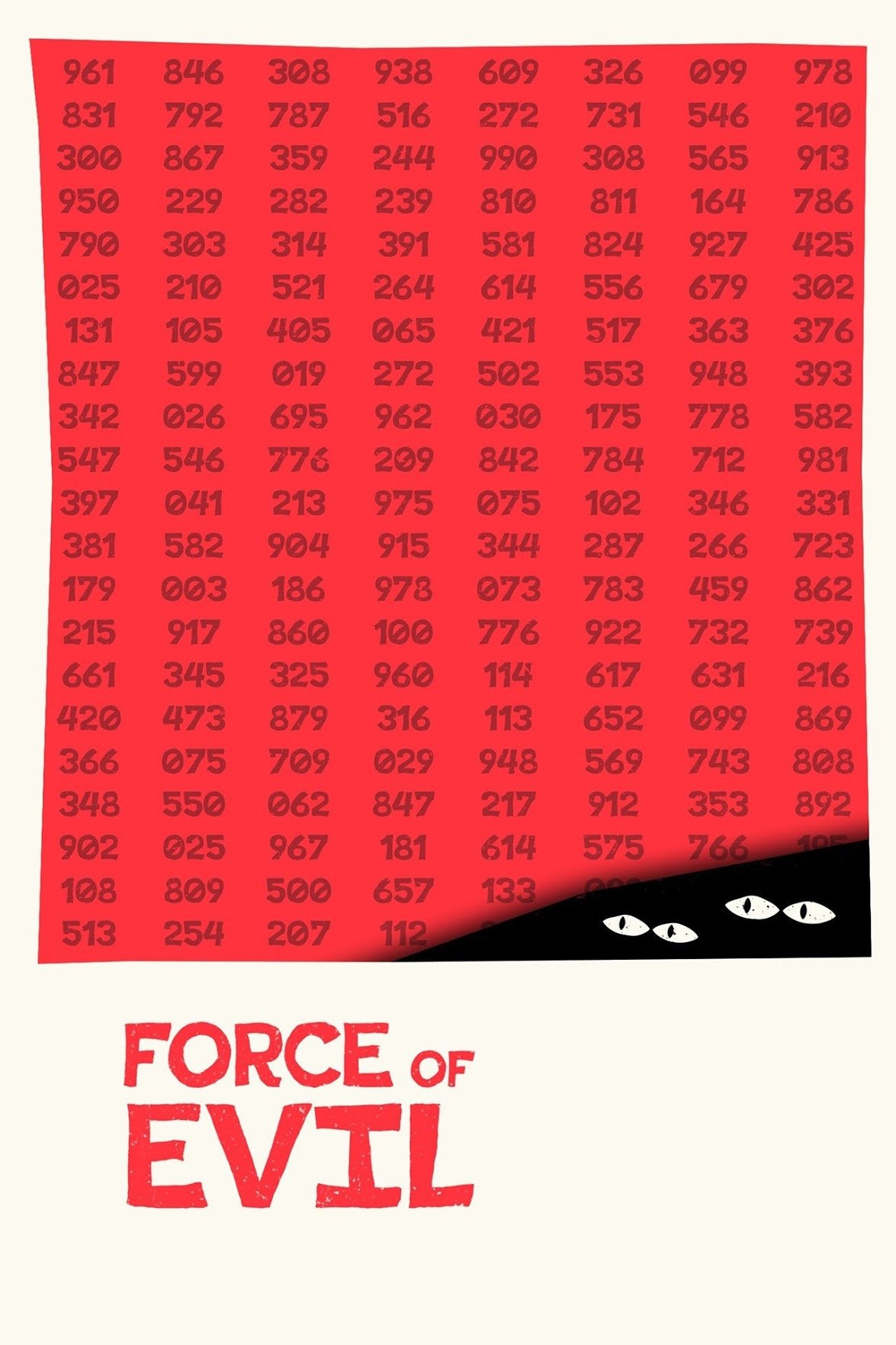
Whenever I return to “Force of Evil,” I’m pulled immediately into the moody world of classic film noir. To my eye, this film epitomizes what I consider noir: that twilight place between hope and cynicism, shot through with moral ambiguity and draped in shadows. For me, “Force of Evil” is not only a quintessential crime film with undercurrents of the urban American tragedy—it is a profound example of film noir, a genre born out of postwar unease and the complexities of human frailty. I classify it primarily as film noir because of its unmistakable visual language, existential themes, and the unresolved tension between legality and criminality woven through every frame. The way it renders its universe in stark blacks and grays, along with the way it frames guilt and fate as inescapable, is why I always place it at the heart of that genre. I don’t just consider this a crime picture or a gangster flick—”Force of Evil” is the dark soul of noir made celluloid.
Key Characteristics of the Genre
- Common themes
- Typical visual style
- Narrative structure
- Character archetypes
Whenever I watch a noir like “Force of Evil,” I am reminded that this genre thrives on ambiguity and the erosion of simplistic morality. What stands out to me most are the themes of existential despair, the corruption at the core of American society, and the ease with which idealism is swallowed by pragmatism. In this world, I see characters struggle against deterministic forces; personal choice battles against systems rigged by powers beyond their control. I think noir explores the idea that evil can be institutional as much as personal, that innocence is often a liability, and that the line between criminal and victim is rarely distinct. Guilt, betrayal, temptation, and doomed romance make up the noir lexicon as I experience it. I feel the genre crystallizes uncertainty—no one in a noir truly wins, and everyone carries a trace of the corruption they sought to escape.
For me, the visual identity of film noir is unmistakable and unforgettable. Whenever I think of the genre, it’s the interplay of pitch-black shadow and piercing light that immediately leaps into my mind. I associate noir cinematography with hard-edged contrasts—venetian blinds cutting pools of light, cigarette smoke curling through the gloom, urban streets that glisten with rainfall or neon. The camera angles tilt and unsettle, giving me a sense that the world itself is precarious and always about to tip. Interiors feel claustrophobic, and exteriors bristle with menace—that sensation, I believe, is at the heart of noir’s unique power. Often shot on a modest budget, the genre’s economic restrictions produced a creative wellspring: minimalism became a language of dread and fatalism. The visual iconography roots the audience in a reality that feels grim yet tangibly real, closing me in with these trapped characters.
As someone who reads deeply into narrative architecture, I always notice that noir rarely offers a straightforward march from beginning to end. Instead, it unfurls through a labyrinth of double-crosses, desperate gambits, and impossible choices. Flashbacks, voice-over narrations, and fractured timelines are storytelling techniques I often encounter, amplifying feelings of nostalgia and regret. I find that noirs like “Force of Evil” frequently begin in medias res, with protagonists already ensnared in their web of trouble. The journey almost always moves downward—a trajectory I see as tragic rather than redemptive. There’s little sense in holding out for a happy ending; noir narratives spiral and constrict, mirroring the psychological cages that trap their characters.
Reflecting on the faces and personalities that populate noir, I see a roster of figures both timeless and troubled. There’s the flawed antihero or “man who fell,” often an ordinary person lured outside the bounds of acceptable society, just like Joe Morse in “Force of Evil.” I always find it compelling how these protagonists rarely fit the mold of classical heroes—they’re soft around the edges, driven by internal contradictions. Alongside them, I encounter the femme fatale—though, in some noirs, this is a more understated or subverted role—and the weary detective or moral compass, sometimes embodied by a sibling or friend rather than an authority figure. Corrupt officials, menacing gangsters, and desperate hangers-on round out the cast. Their interactions turn every scene into a moral chessboard, where even the purest motives can lead to disaster. This constellation of character types is one of the genre’s signature features for me; I always feel like anyone might betray anyone, given the right pressure.
How This Film Exemplifies the Genre
Whenever I reflect on “Force of Evil,” I’m struck by how viscerally it encapsulates those noir tenets. For me, the film’s heart lives in its unsettling vision of the American dream tainted by avarice, familial conflict, and the ceaseless pull of self-interest. Watching it, I’m always caught by the brooding mood: the blinding sunlight of Wall Street turns quickly to deep, inky darkness where secrets fester. Director Abraham Polonsky’s bold direction throws me into a world where even the most principled figures are battered by compromise. In my experience, no other film so efficiently captures the dread that comes with financial success—that uneasy sense that prosperity is built atop someone else’s ruin.
I find the visual style manages to be both lush and spare. Every frame is a reminder that light and shadow aren’t just aesthetic choices; they are thematic. The skyscrapers don’t just loom; they threaten. Interiors are oppressive and confining, echoing the inner turmoil of the characters. When I watch the scenes set on narrow stairways or tight corridors, I feel a tightening in my chest, sensing how physically and morally boxed-in these people are. The pacing, too, embodies noir: quick but unhurried, full of bursts of violence and long silences that let dread seep in. The city itself feels like a living antagonist, pushing every character toward the brink.
In the characters, I always recognize the noir tradition at work. Joe Morse’s journey is not just about climbing the ladder of criminal enterprise—it is an agonizing personal reckoning with temptation, guilt, and loyalty. I sense in him the classic split: he’s both perpetrator and victim, criminal and idealist, loving brother and betrayer. The film avoids simple answers, and in doing so, it stays true to what I believe is the core noir attitude: that people are neither wholly damned nor wholly innocent, but somewhere lost in between. The moral pressure placed on each character pushes them toward irreversible choices—just as it does in every film noir I treasure.
Moreover, the thematic undercurrents of fatalism and systemic corruption are, for me, the lifeblood of the genre. The unstoppable sweep of the “numbers racket” is so much more than a plot point; it’s a comment on the machinery of power that crushes individuals. When I realize how easily the lives of the small-time bookies are discarded, and how impossible it is for any character to opt out of the system, I am forced to confront the grim sophistication of noir’s worldview. In these moments, “Force of Evil” strikes me not merely as a story but as a statement: in the world of noir, escape is a fantasy, and virtue is measured not by final outcomes but by the refusal to surrender the last sliver of conscience.
Other Essential Films in This Genre
- Double Indemnity (1944) – This film always surfaces in my mind as a definitive example of how noir fuses seduction with guilt. Watching the story unfold, I’m fascinated by how greed entangles two ordinary people in a murder plot, only for their calculations to unravel. The visual language of shadows and the unforgettable Barbara Stanwyck cement this film as one of the purest expressions of noir anxiety about consequence and moral collapse.
- Out of the Past (1947) – For me, this is the gold standard for the genre’s blend of doomed romance and existential struggle. The film draws me into a mesmerizing dance between destiny and denial, with Robert Mitchum’s laconic, world-weary performance at its core. I’m especially attuned to how memory works in this film—it always feels like the characters’ past decisions hang palpably in the air, refusing to let them start over.
- The Killers (1946) – What I find especially compelling here is the puzzle-like narrative, built around a man’s seemingly inexplicable surrender to assassination. The non-linear structure and carefully ratcheted suspense showcase how noir can stretch and subvert the structure of classic crime films. With atmospheric lighting and a sense of inevitability, it’s a story I return to when I want a sharp distillation of noir’s core fatalism.
- Gun Crazy (1950) – When I think of noir’s fixation on doomed desire and the thrill of transgression, “Gun Crazy” comes to mind almost immediately. The central couple’s high-strung love affair, ignited by shared criminality, is rendered with a kind of feverish obsession I don’t see in more traditional crime movies. The propulsive cinematography and breathless pacing make this a wrenching study in how longing and violence tangle in the noir landscape.
Why This Genre Continues to Endure
I often ask myself why, after decades, film noir remains so magnetic—why these stories of compromised heroes and unsparing worlds still speak to me and so many others. For me, it’s the raw honesty of noir’s perspective. Unlike genres that promise the restoration of order, noir exposes the cracks that run through every institution, every heart. There’s a comfort for me—even a sense of relief—in acknowledging that confusion, doubt, and darkness exist just beneath the mask of everyday life. The tension between resignation and resistance, sin and redemption, still feels modern. Audiences, I suspect (and certainly myself included), return to noir because we sense that its dilemmas haven’t lost their relevance. In a world clouded by uncertainty and power imbalances, noir offers an expressive, cathartic way to process fear, failure, and hope’s stubborn persistence. Its visual language remains alluring, its stories gripping, because they invite us to glance into the abyss—and recognize ourselves reflected there. For me, noir is not a time-locked relic, but a living genre that continues to morph and echo as long as we wrestle with the ambiguities of human nature.
If you’re interested in how viewers respond beyond technique, you may want to explore audience and critical reception.
🎬 Check out today's best-selling movies on Amazon!
View Deals on Amazon