
The Genre of This Film
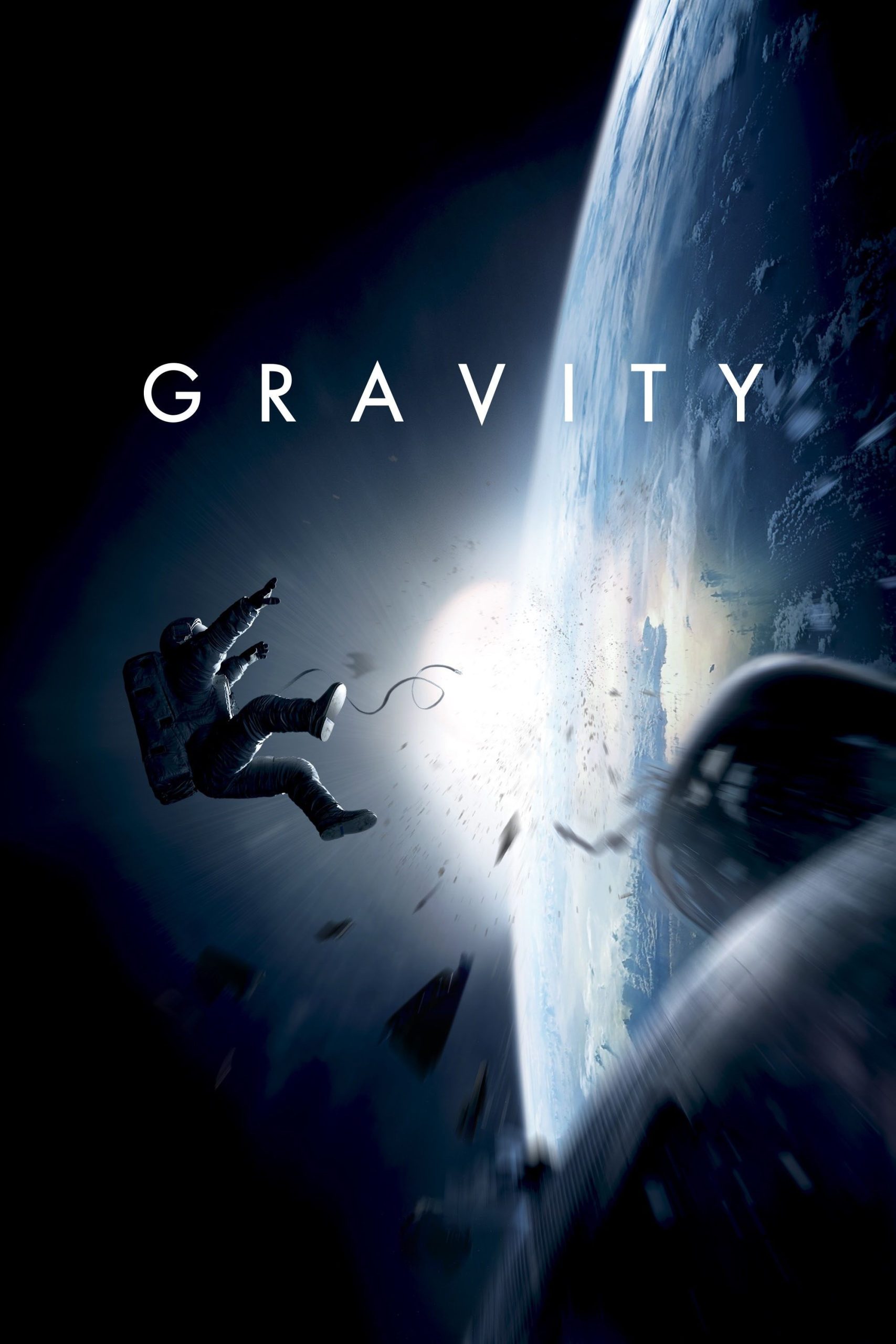
The first time I watched “Gravity,” I remember being transfixed by how it made me feel more like a participant than an observer—adrift, weightless, compelled by the uncertainty of each unfolding moment. For me, this film belongs unmistakably to the science fiction thriller genre. While it is grounded in plausible space technology and scientific reality, there’s a constant undertow of dread, pushing the experience toward suspense at nearly every turn. What stands out is how “Gravity” uses the vast, hostile environment of outer space not merely as a backdrop but as a central force—one that tests the limits of human resilience. That blend of speculative, near-futuristic science tethered to relentless suspense defines my experience and firmly categorizes the film in the realm of science fiction thrillers.
Key Characteristics of the Genre
- Common themes
In my own viewing, I notice that the best entries in the science fiction thriller tradition gravitate towards themes of human vulnerability, survival against daunting odds, and the tension between isolation and connection. There’s often a fascination with the unknown—sometimes that unknown is technological, sometimes it’s environmental, and sometimes it’s the protagonist’s own psyche under pressure. I’m frequently drawn to how these films ask what it means to survive in a context where no one can hear you scream (or help you at all), raising existential questions about our place in the universe. - Typical visual style
From my perspective, science fiction thrillers often employ stark, high-contrast cinematography that highlights the unfamiliarity of their settings—whether that’s cold metallic corridors, dazzling starlit voids, or claustrophobic ship interiors. I respond to the way these films use lighting and color to evoke both the beauty and the terror of the unknown. There’s usually a slick precision to the production design—controls, displays, and machinery rendered with almost obsessive attention to detail, making the environment feel at once awe-inspiring and intimidating. - Narrative structure
When I reflect on how narratives in this genre unfold, I realize that they’re almost always structured around escalation: a crisis emerges, complications multiply, and the stakes keep rising as resources and hope dwindle. The pacing typically ratchets up to sustain tension, and the plot often places a solitary protagonist or a small group under relentless duress. Flashbacks are rare; instead, the story unspools in real time, keeping me right in the moment with the characters as they improvise, adapt, and sometimes suffer the consequences of split-second decisions. - Character archetypes
In my analysis, science fiction thrillers tend to feature resourceful, flawed heroes who aren’t always military types or classic action stars. I notice instead scientists, technicians, or accidental survivors—people whose expertise matters as much as their courage. There’s commonly a mentor figure or a partner whose dynamic with the protagonist is crucial, whether supportive or antagonistic. Humor, bravado, and vulnerability all sit side by side, making these characters feel raw and authentic. The environment itself usually feels like a near-sentient presence, elevating even background crew members to pivotal roles, if only as reminders of mortality or cautionary tales.
How This Film Exemplifies the Genre
For me, “Gravity” doesn’t just fit in with the science fiction thriller tradition—it redefines what those words can mean on screen. Every choice feels purpose-built to evoke vulnerability and tension. The threat of invisible debris screaming through space punctuates every moment with danger, while the almost clinical accuracy of the space station interiors and the careful use of silence versus cacophonic destruction immerse me uncomfortably in the astronauts’ predicament. I’m struck by how the film refuses to let up: from the breathtaking long take that opens the story to the relentless chain reaction of disasters, the narrative structure keeps me in an uneasy equilibrium, always bracing for the next wave.
I connect with the genre most through Dr. Ryan Stone’s journey—a protagonist who’s not a superhero, not the best of the best, but an ordinary scientist thrust into an extraordinary fight for survival. There’s a kind of emotional honesty to her fear, fatigue, and determination that feels entirely specific to science fiction thrillers. Her vulnerability is both her weakness and her strength, and it’s in that struggle that I see the genre’s emphasis on human adaptability in the face of cosmic indifference.
Visually, “Gravity” brings out the genre’s love of contrast and scale better than any film I’ve encountered in recent years. The limitless void outside the station windows is beautiful and horrifying in equal measure; the camera floats, spins, and tumbles, never letting me get comfortable, and the realism of the technology anchors the suspense. I am constantly reminded by every meticulously constructed detail—gloves, oxygen levels, damaged shuttles—that in this genre, the difference between life and death is agonizingly thin.
Above all, the film’s commitment to real-time, almost real-world stakes draws me in. There’s little reliance on futuristic gadgets or deus ex machina rescues, which keeps the narrative tense and propulsive—every escape is earned, and every mistake carries palpable consequences. All of these elements combine in a way I rarely see so fully realized, crystallizing my understanding of what makes the science fiction thriller such a compelling, nerve-jangling subgenre.
Other Essential Films in This Genre
- 2001: A Space Odyssey (1968) – I have always considered this Kubrick masterpiece the genre’s gold standard, not only for its pioneering visual effects but also for its unwavering willingness to create suspense through silence and ambiguity. Its depiction of human frailty, alien technology, and existential terror bridges both science fiction and slow-burn thriller traditions, making it foundational for the kind of storytelling I admire in “Gravity.”
- Alien (1979) – For me, Ridley Scott’s “Alien” is unmatched when it comes to channeling confined spaces and technological realism into skin-crawling suspense. Its blend of near-future space travel and unpredictable threats—not only from extraterrestrial horrors but from the machinery itself—etched in my mind the idea that in space, survival is always uncertain and terror lurks in every air duct.
- Moon (2009) – Duncan Jones’ “Moon” stands out in my memory for its minimalist, introspective take on science fiction thriller conventions. The film’s portrayal of isolation, identity, and psychological unraveling in a sterile lunar habitat brings a poignant, almost claustrophobic intensity. It strips away excess spectacle and focuses instead on the tensions of self-discovery and survival.
- Sunshine (2007) – Whenever I revisit Danny Boyle’s “Sunshine,” I am reminded of how the genre excels at combining awe-inspiring visuals with existential dread. A mission to save the dying sun turns into an escalating series of disasters, and I’m drawn into the psychological and ethical fractures that emerge under immense pressure. The blend of hard science, intimate character work, and escalating suspense echoes much of what I value in “Gravity.”
Why This Genre Continues to Endure
Personally, I believe science fiction thrillers hold a unique power over audiences because they channel our deepest anxieties and aspirations into unforgettable sensory experiences. Every time I watch a new entry, I’m reminded of how these films wordlessly suggest that the boundaries of human achievement are also the edge of our vulnerability—braving the unknown is both an act of courage and a brush with oblivion. The visual effects and technical mastery might draw me in, but what actually sticks with me are the raw human struggles layered throughout: oxygen running low, a single misstep separating life from death, the deafening silence that makes every breath feel precious.
Audience fascination endures in large part, I think, because these stories so powerfully shape a convincing world where cause and effect are immediate, and where quick thinking, cooperation, and emotional fortitude matter above all else. Whether the setting is a reconstructed Apollo module, a drifting mining base, or an imperiled shuttle, there’s a clarity to the stakes that makes every setback meaningful and every victory hard-won. I never feel like the outcomes are predetermined, which heightens my investment and keeps the genre relevant.
Moreover, as our own society’s relationship with space and technology changes—through real-world achievements and tragedies—these films mirror, interpret, and sometimes challenge our optimism and dread about the frontier. Watching a science fiction thriller, I feel like I am peering into a version of our world that could exist, testing out human limits from the comfort (and relative safety) of my seat. Whether audiences crave escape or caution, the genre always finds new ways to speak to our curiosity, our fears, and our need to believe that survival—against all odds—is always possible.
If you’re interested in how viewers respond beyond technique, you may want to explore audience and critical reception.
🎬 Check out today's best-selling movies on Amazon!
View Deals on Amazon