
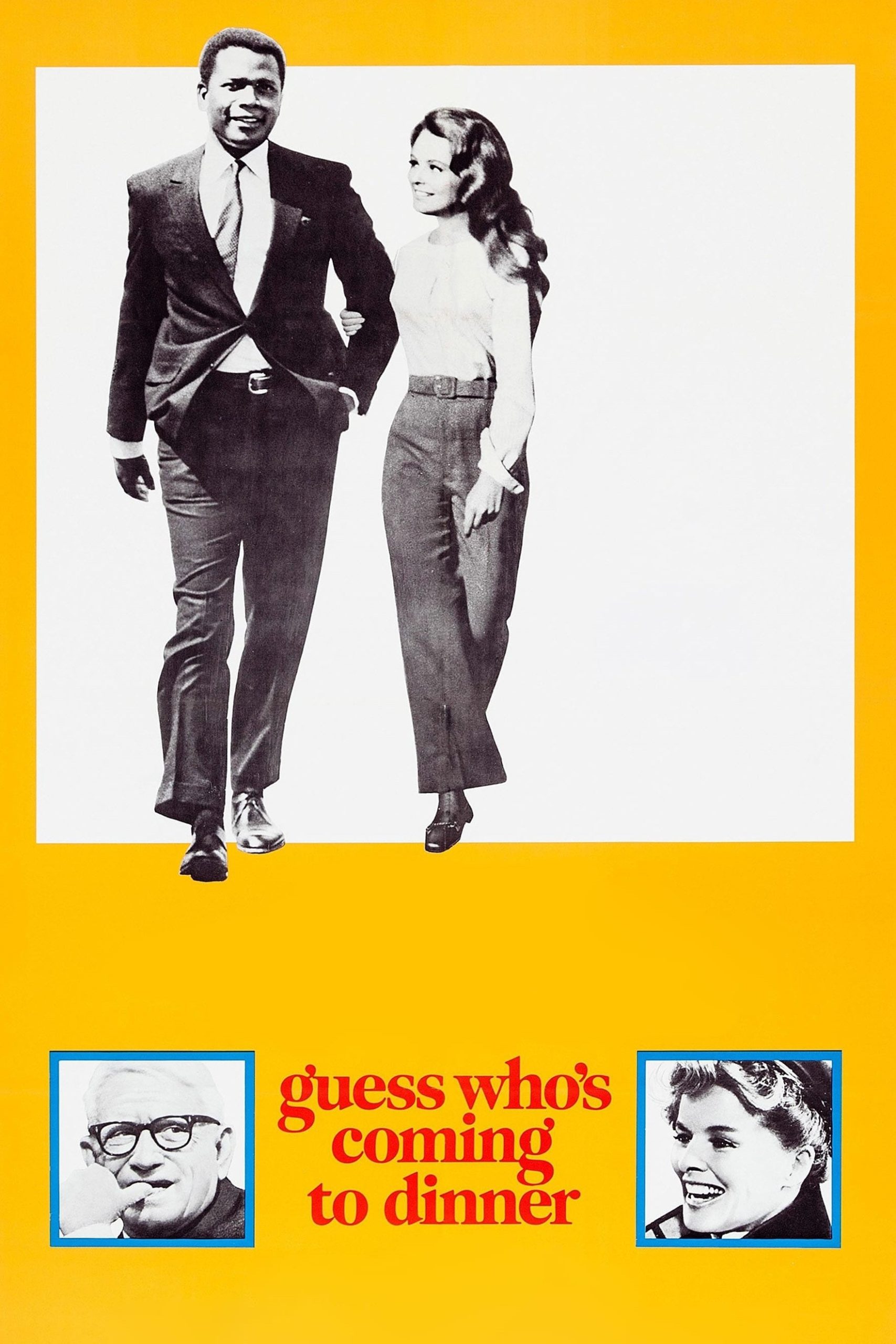
The Genre of This Film
Whenever I revisit “Guess Who’s Coming to Dinner,” I’m struck by how seamlessly it embodies the drama genre, specifically the category of social issue drama. Drama, for me, has always been about emotional authenticity and confronting the pressing tensions within society—precisely what unfolds amid the elegant dining room and stifling social conventions that the film’s characters inhabit. The way I experience this film, its entire premise hinges on relationships tested by societal norms and taboos, placing it squarely within the dramatic tradition where human conflict is examined in close-up. While I occasionally detect traces of comedy—those nervous chuckles and wry remarks that give a little oxygen to the tension—what resonates most is the seriousness with which it addresses a fraught topic of its era: interracial marriage, and by extension, the generational and cultural fault lines that divide people. This is no mere domestic squabble or lighthearted misunderstanding, but a full-on confrontation with the prevailing attitudes of the time, rendered with a sense of urgency and realism that I can only categorize as drama at its core.
Key Characteristics of the Genre
- Common themes
In my analysis, drama films like “Guess Who’s Coming to Dinner” often orbit themes of moral conflict, family dynamics, and societal pressures. The most enduring dramas, as I see it, turn a magnifying glass onto those issues society would rather ignore—prejudice, acceptance, love against all odds, and the painful process of change. The genre uses the personal to address the universal, deploying individual struggles as a means of unpacking larger societal truths. I find the authentic depiction of generational divides and clashing worldviews to be hallmarks; it is always about more than just the surface-level problem. - Typical visual style
Drama, in my view, draws its strength from realism, and the visual choices echo this authenticity. I tend to notice restrained camera work—nothing too showy or stylized. Lighting is typically balanced, neither too harsh nor overly stylized, aiming to capture subtle facial expressions and physical tension between characters. In social issue dramas specifically, I’ve observed a preference for intimate, interior settings—the sort of lived-in spaces like living rooms, kitchens, and, of course, the dinner table that is so key to this film. These choices invite the audience into the characters’ emotional space, making the conflicts feel both immediate and inescapable. - Narrative structure
I’m always fascinated by how dramas organize their narrative arcs. They usually begin with equilibrium—a status quo that is soon threatened by a disruptive event. In “Guess Who’s Coming to Dinner,” the disruption is the introduction of an interracial couple to their unsuspecting parents. What excites me as a viewer is watching that tension build through dialogue and confrontation, leading to climactic moments where characters must reckon with hard truths. This genre thrives on plausibility and emotional escalation, rarely shying away from uncomfortable, sometimes even explosive, confrontations. Conclusions in drama aren’t always tidy; I often appreciate how resolution, when it arrives, is honestly earned, not merely imposed. - Character archetypes
My favorite dramas give us characters who are both archetypal and deeply particular. There are the well-intentioned but conflicted authority figures—often parents or elders whose beliefs are challenged. The idealists or reformers bring new perspectives that clash with tradition. In “Guess Who’s Coming to Dinner,” I see these archetypes vividly: from the progressive daughter and her fiancé to the initially resistant parents forced to confront their own prejudices. Supportive characters—like wise confidants or pragmatic friends—also play a key role, reflecting and refracting the central conflict. These types may seem familiar, but in the context of a drama, their individuality and complexity are what grant depth.
How This Film Exemplifies the Genre
What makes “Guess Who’s Coming to Dinner” linger in my memory is how it embodies drama’s best qualities without resorting to melodrama or preachiness. For me, the entire film pivots on the knife edge of what is socially accepted and what is morally right—a classic dramatic conflict if there ever was one. The story unfolds almost entirely indoors, emphasizing the claustrophobia of tradition and the pressure cooker atmosphere of familial expectation. I’m always conscious of how the dialogue does the heavy lifting here, with each line functioning as both revelation and provocation. Each conversation feels less like a mere exchange and more like a trial by fire, where the true stakes are love, honesty, and the willingness to change. The family unit, tested by outside influences, is the crucible where the drama plays out, and watching those relationships shift under stress is what draws me in.
I’m consistently impressed by the refusal to simplify its characters into mere mouthpieces for ideas. Each character, from the parents wrestling with their own progressive reputations to the young couple clear-eyed about the challenges they face, is drawn with nuance and self-doubt. This is the very soul of drama—characters who are forced to battle with themselves as much as with each other. There are moments in the film where silence or a simple pause delivers more weight than a monologue. To me, this commitment to emotional realism, and the willingness to let discomfort linger in the air, is what sets this film apart not only as a drama, but as a drama grounded in pressing social realities.
Even visually, I experience a kind of emotional containment aiding the drama. Every spatial choice, from where characters stand to how the dining room is shot, underscores the sense of confrontation and containment. I find that the lack of bombast in music or camera work puts the focus where it should be—in the words spoken, the tears shed, and the doubts revealed. That patient, almost theatrical rhythm—prizing slow revelations over quick twists—has always felt to me like vintage drama at its most effective. This film truly exemplifies why drama, especially when anchored in genuine social issues, continues to challenge, provoke, and engage me as a viewer.
Other Essential Films in This Genre
- A Raisin in the Sun (1961) – I consider this adaptation of Lorraine Hansberry’s acclaimed stage play to be a cornerstone of social issue drama. Like “Guess Who’s Coming to Dinner,” it explores the collision between dreams and racial barriers, focusing on a Black family’s struggles with discrimination and intra-family ambitions. The measured pace, emotional realism, and simmering conflicts all resonate with the drama style that I find so compelling.
- On the Waterfront (1954) – When I think about dramas that deal with conscience and social responsibility, this Elia Kazan film immediately comes to mind. Marlon Brando’s performance as an ex-boxer forced to confront corruption and his own moral calculus is emblematic of the genre’s concern with inner turmoil and ethical choices, played out against a gritty, authentic backdrop. The film’s focus on the individual within a flawed system echoes the moral questions underpinning “Guess Who’s Coming to Dinner.”
- To Kill a Mockingbird (1962) – What always strikes me about this adaptation of Harper Lee’s novel is its gentle yet piercing attention to issues of justice, empathy, and racial prejudice. Through the eyes of Scout Finch, the film stages deeply human drama set against the backdrop of southern bigotry. The slow build-up to trial scenes, intergenerational tensions, and ethical quandaries are all drama genre staples that I consistently find inspiring.
- 12 Angry Men (1957) – In my view, this film is the quintessential drama fueled almost entirely by dialogue, confined space, and clashing perspectives. Watching twelve jurors deliberate the fate of a young man accused of murder, I’m always gripped by how powerfully the genre can work through argument, persuasion, and moral doubt. The film’s refusal to offer easy answers or melodramatic distractions makes it a perfect example of the drama genre’s patient unpacking of character and conscience.
Why This Genre Continues to Endure
For me, the drama genre holds an elastic appeal grounded in its commitment to realism and emotional resonance, which is why I believe it remains relevant—even as audience tastes evolve. What keeps me returning to dramas like “Guess Who’s Coming to Dinner” is their willingness to hold a mirror up to society—not through spectacle or fantasy, but through the everyday struggles and difficult conversations that define being human. I’m consistently drawn to how these films lay bare our conflicts—the ones between generations, cultures, and classes—and ask us not just to observe, but to reflect and perhaps even change.
Drama never suffices with simple entertainment; it insists that I, as a viewer, interrogate my own beliefs and assumptions. The best dramas, in my experience, refuse closure until characters—and by extension, the audience—have grappled honestly with what is at stake. I think there’s something timeless about watching people pushed to their breaking points in the name of love, justice, or personal growth. That process, both cathartic and challenging, explains why I’ll always find drama vital, no matter the era or setting.
Moreover, the genre’s visual language—uncluttered, direct, foregrounding performance—allows contemporary viewers like me to focus on the genuine dilemmas being explored. There’s no technological barrier or dated special effect to get in the way; the emotions and friction remain as immediate today as they were at the time of their making. For anyone grappling with social progress, family, or ethical uncertainty, I see drama as the most direct way cinema can make sense of that journey. For me, this genre’s recurring ability to elicit empathy, self-examination, and sometimes even hope, is why I don’t see it ever losing its power to engage and transform audiences.
If you’re interested in how viewers respond beyond technique, you may want to explore audience and critical reception.
🎬 Check out today's best-selling movies on Amazon!
View Deals on Amazon