
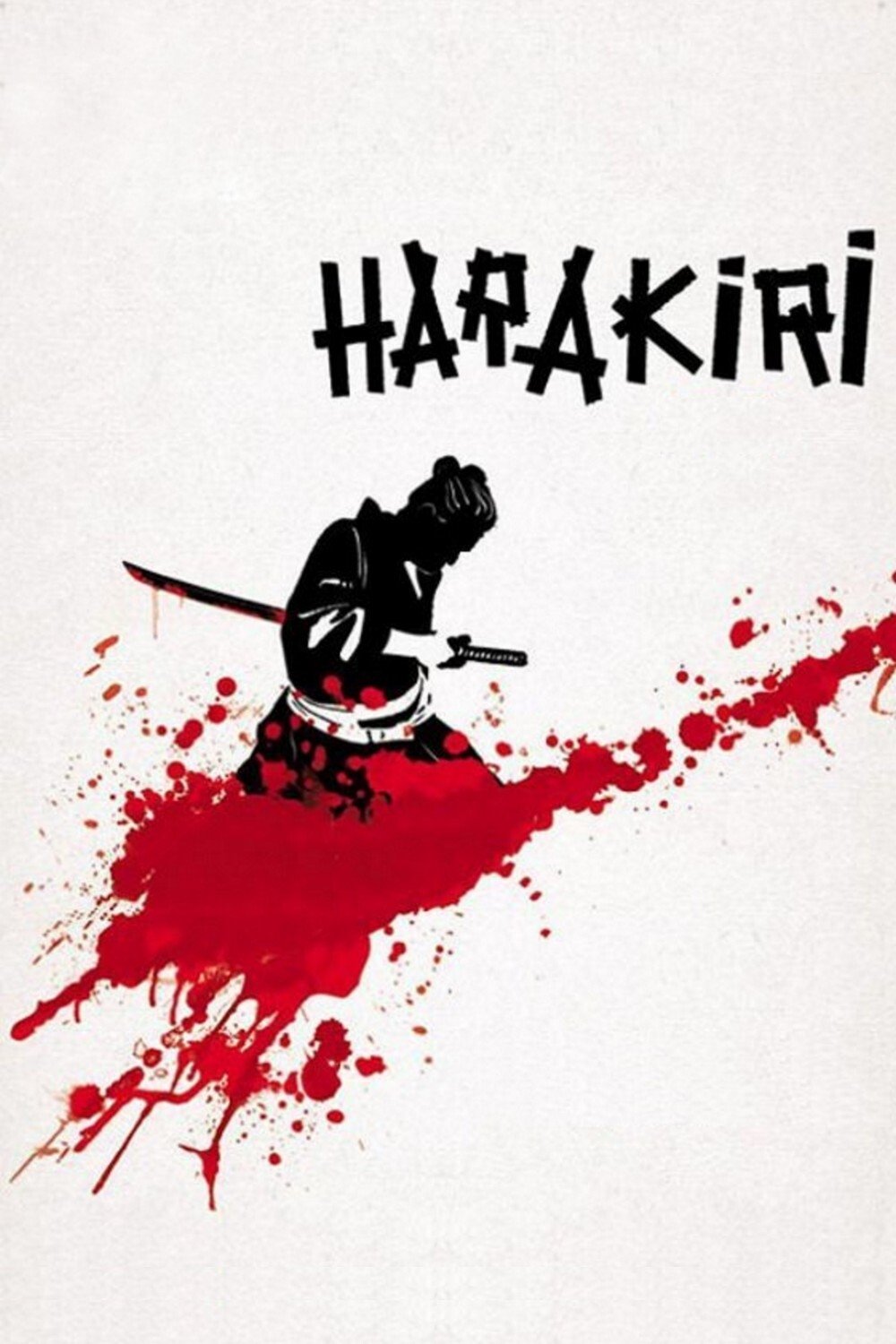
The Genre of This Film
Every time I return to Masaki Kobayashi’s Harakiri, I’m struck by how thoroughly it immerses me in the traditions and codes of the Japanese samurai film—known as the chambara genre. To me, there’s never any question: this film resides squarely in the samurai drama category, but does so with an intensity and sophistication that makes it feel like a genre redefined. Kobayashi’s approach lays bare the most essential qualities of the chambara, yet he also interrogates and sometimes subverts them, making the genre itself part of the conversation. While Harakiri contains the expected elements of swords, honor rituals, and masterless ronin, what stands out most for me is how it wields these tools to question the very essence of samurai values—loyalty, obedience, sacrifice—by focusing on the intimate as much as the epic. For me, this film is the quintessence of the samurai genre: both a master class in its form and a daring critique of its spirit.
Key Characteristics of the Genre
-
Common themes
I always find myself drawn to the recurring ideas that underpin the best samurai dramas: honor is rarely simple, tradition can be oppressive, and violence is never truly glorious, no matter how stylized it appears. In these films, there’s an unrelenting focus on the conflict between personal conscience and societal expectation. This is a genre that grapples with the individual’s place within a rigid hierarchy and the consequences faced by those who question or violate that order. Stories often explore the corrosion of ideals through rigid adherence to codes—especially bushido—and the way personal suffering can either ennoble or corrupt. I also notice an undercurrent of existentialism: characters are frequently stuck between obligations to authority and the need to carve out some shred of personal agency. Loss, betrayal, and the burden of pride are ever-present threads. -
Typical visual style
When I think of the chambara visual universe, my mind fills with images of meticulously composed frames, the interplay of light and shadow, and a formality that echoes the social structures it depicts. Black-and-white cinematography, like Kobayashi’s own, always seems to heighten the dramatic tension and emotional starkness. The visuals revolve around symmetry, rituals, and the contrast between the stillness of contemplation and sudden, balletic violence. In my experience, these films favor slow, deliberate camera movement and observe spaces in ways that feel almost architectural—courtyards, sliding doors, and tatami mats are as expressive as the actors. Violence, when it arrives, is often choreographed with precision, but it remains unsentimental. Directors make use of the frame to reinforce the isolation or entrapment of individuals within larger systems, often positioning lone figures against vast walls or empty courtyards. Silence is wielded as a tool, accentuating the gravity of impending action or decision. -
Narrative structure
I always appreciate how samurai dramas love to manipulate time, making use of flashbacks, shifting perspectives, and nested stories to draw me deeper into a character’s predicament. Linear storytelling isn’t always the norm; instead, the narrative structure often mirrors the complexity of the moral dilemmas at the film’s heart. Mystery and revelation play vital roles: I’ve watched many genre films slowly peel back layers of character and motivation until a seemingly straightforward act—vengeance, disposal of an enemy, or a ritual suicide—takes on profound new meaning. There’s typically a tension between surface actions and underlying context, and I come to expect explanations that force me to reassess what I thought I knew. Themes are built gradually, until a final burst of clarity—sometimes only in the closing moments—reframes the entire narrative. -
Character archetypes
With every great chambara, I meet certain recurring figures: the stoic ronin who navigates the edges of society and questions the purpose of his loyalty; the clan leaders or feudal lords who enforce the rules with sometimes merciless consistency; the young, idealistic samurai who may be sacrificed to the system; and the retainers who serve without question. I see a dance between rebellion and conformity, with older, experienced warriors confronting the hollowness of long-cherished beliefs. Often, women occupy marginal roles but symbolize the cost of a rigid patriarchy—compassion, sacrifice, or silent suffering. The genre is populated by characters who struggle to reconcile their sense of self with the expectations placed upon them, resulting in stories defined as much by emotional conflict as by physical confrontation.
How This Film Exemplifies the Genre
The first time I saw Tatsuya Nakadai, with his haunted intensity, stride into that clan courtyard in Harakiri, I recognized the film was not just repeating samurai tropes—it was holding them up to a piercing light. Kobayashi’s dense, almost theatrical composition of space and time pulls me into that suffocating world of clan protocol. Every ritual gesture is stretched to its breaking point, making the pressures of tradition feel physical, almost unbearable. For me, the film’s use of black-and-white emphasizes the starkness of its themes, imbuing every room and courtyard with a sense of moral as well as visual contrast.
What impresses me again and again is how the film’s narrative structure peels away assumptions, mirroring my own process of discovering what truly motivates its protagonist. The use of flashbacks—each one a revelation—forces me to reconsider every word and action I’ve seen. I experience the story less as a straight line and more as a spiral, digging ever deeper into the heart of personal tragedy and institutional cruelty. I’m continually reminded that in the samurai genre, the greatest battles often occur not with swords, but within the soul.
Nakadai’s Hanshirō Tsugumo stands as the embodiment of the conflicted ronin: proud, mournful, and unpredictable. I see in him both the legendary resolve of the samurai archetype and the everyday pain of a father and husband crushed by circumstance. The clan leadership, by contrast, seems less like villains than functionaries of a system so rigid it warps all human feeling into bureaucratic display. I admire how the film doesn’t simply pit hero against villain, but lets every character become both product and prisoner of their era.
Yet what perhaps most sets Harakiri apart in the genre is its refusal to glorify violence or self-sacrifice. The hara-kiri ritual that is central to the film is not sanitized or honored as a noble spectacle, but exposed in all its brutal, sickening reality. Every time Kobayashi shows the ceremonial armor, untouched and meaningless on the wall, I feel how sharp his critique of empty traditionalism really is. He strips away illusion to reveal suffering, inviting me to mourn rather than to marvel. In doing so, he makes the film a searing, definitive example of what the samurai drama is capable of—and why it still matters.
Other Essential Films in This Genre
- Seven Samurai (1954) – I never tire of Kurosawa’s masterpiece, which distills the full range of chambara storytelling into its tale of masterless warriors defending a village. What always strikes me here is the enormous moral complexity—how heroism, loyalty, and the demands of a code are set against a brutal, indifferent world. It’s as much about the flaws and doubts of its characters as about their martial prowess.
- Sword of Doom (1966) – Watching Tatsuya Nakadai as Ryunosuke Tsukue is, for me, an experience in seeing the samurai archetype shattered and rebuilt in the image of existential despair. The film rejects any sentimental notion of samurai honor, focusing instead on violence as a path to self-destruction. Visually and thematically, it’s a study in how the chambara genre can veer into psychological horror.
- Yojimbo (1961) – I always enjoy how Kurosawa plays with genre conventions through the character of Sanjuro, a wandering ronin whose wit and ambiguity call attention to the moral uncertainties of the time. Although packed with action and dry humor, the film remains deeply invested in the tension between personal ethics and communal survival.
- The Twilight Samurai (2002) – This more recent take on the genre has stayed with me for its quiet dignity and attention to the intimate costs of duty. What stands out is its focus on daily hardship, love, and the slow erosion of old codes rather than dramatic violence. In my view, it’s a perfect illustration of the genre’s adaptability and emotional reach.
Why This Genre Continues to Endure
Whenever someone asks me why samurai dramas have never faded from the cinematic imagination, I point to the way these films tap into questions we never seem to outgrow. The conflict between personal conviction and societal demand, the temptation to follow rules versus the pull toward compassion—these are universal struggles. Samurai cinema illustrates them in such stark, concentrated form that I find watching these tales always prompts me to reflect on my own choices, allegiances, and beliefs. The ritual, the spectacle, the tension between quiet moments and sudden violence—these are exciting, but they are also a means of exploring deeper, enduring dilemmas.
Visually, the genre delivers a kind of poetry that transcends its historical settings. I never fail to appreciate how the formal elegance, the carefully choreographed confrontations, and the deliberate pacing create an atmosphere unlike any other. It’s a world where action is weighed down by consequence and silence can feel as thunderous as a clash of swords. For me, this style opens a door to empathy and introspection in ways that few genres can match.
But maybe the most important reason for the chambara’s survival, at least for me, is the genre’s willingness to criticize itself. With every film like Harakiri that interrogates the cost of rigid traditions, or a story like Sword of Doom that foregrounds the darkness at the heart of violence, there’s a conversation happening about the meaning of heroism, the inevitability of loss, and the slippery nature of honor. Audiences, myself included, are compelled not only by the setting but by what these conflicts say about human nature—power, pride, and the ever-present possibility of redemption. That’s why I keep coming back to these stories, and why they will always have a place on the screen and in my imagination.
If you’re interested in how viewers respond beyond technique, you may want to explore audience and critical reception.
🎬 Check out today's best-selling movies on Amazon!
View Deals on Amazon