
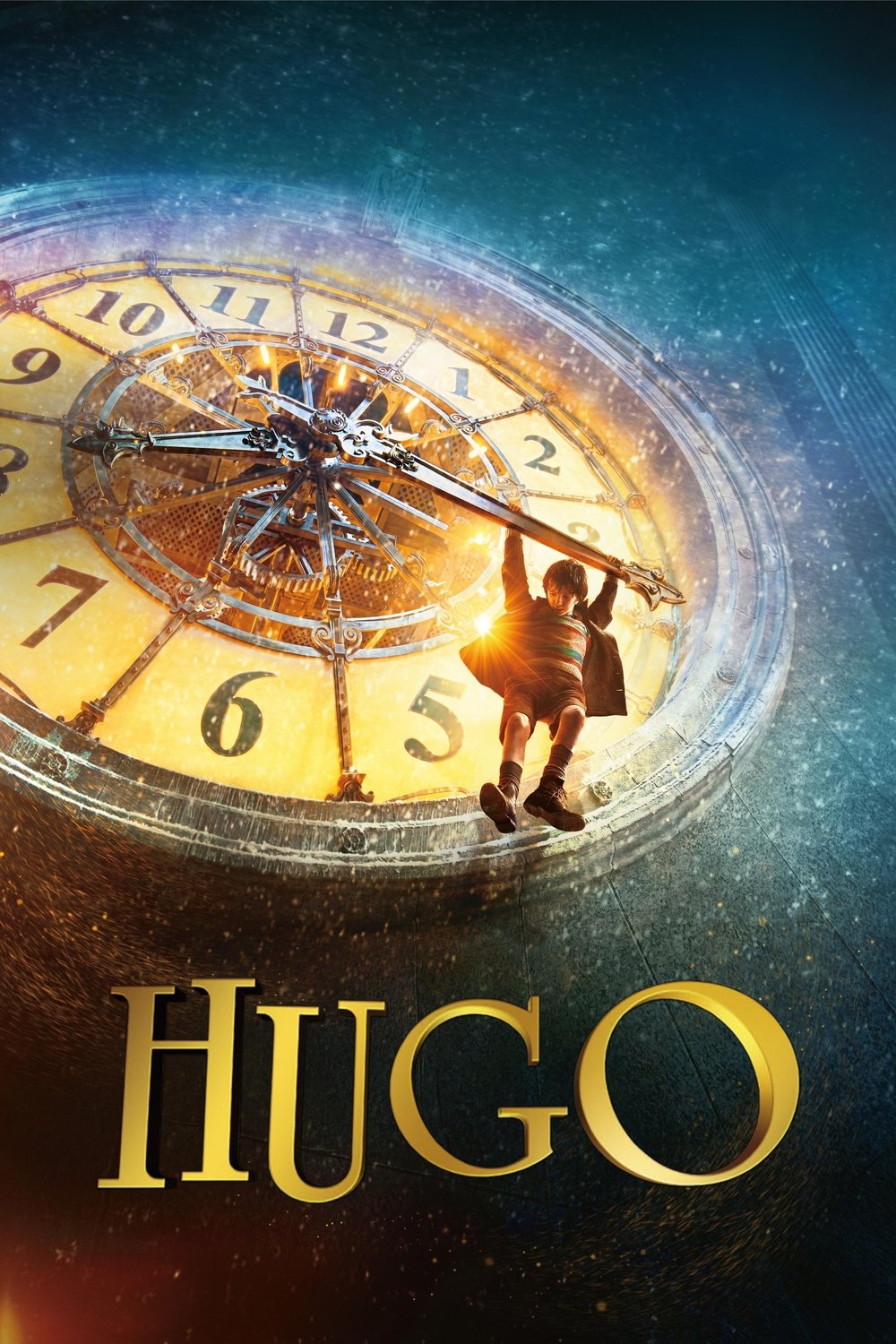
The Genre of This Film
When I first settled into Martin Scorsese’s “Hugo,” I was instantly drawn into its world, not just for its visual immersion but for its unmistakable adherence to the adventure genre. For me, “Hugo” is, above all, a cinematic adventure—interwoven with strong elements of family fantasy and historical drama. However, it is the adventure genre that stands tallest throughout. Watching the film, I recognize how the narrative thrust revolves around secrets, quests, and youthful discovery within a vividly realized world. Every twist in the plot feels like a journey, both literal and emotional. That sense of embarking upon an odyssey—armed with mystery, invention, and wonder—places “Hugo” squarely in the tradition of classic adventure films, even as it honors early cinema’s magical roots.
Key Characteristics of the Genre
- Common themes
My encounters with adventure films have always left me seeking stories bursting with curiosity—stories where characters chase the unknown, often motivated by the promise of discovery or the pursuit of hope. Classic adventure cinema fixates on themes of belonging, courage, perseverance, and the transformative power of exploration, both physical and emotional. These films consistently echo the longing to solve mysteries or reconstruct lost worlds—motifs which I found threaded throughout “Hugo.” I recognize this genre as being deeply rooted in narratives that blend risk with aspiration, constantly asking what it means to overcome adversity on the path to something greater.
- Typical visual style
I’ve noticed that adventure films, particularly those set in magical or historical contexts, use their visual style to whisk audiences away. Lush cinematography, elaborate set design, and immersive world-building are staple features. Whether I’m watching the vibrant jungles of a swashbuckler or the shadowy alleys of 1930s Paris in “Hugo,” I feel swept into tactile, lived-in environments that seem poised for discovery. The camera usually follows characters in motion—tracking shots, sweeping vistas, and intricate details come together to fuel a sense of movement and momentum. Mood lighting, playful use of color, and imaginative practical effects invite me to wander with the protagonist, heightening the thrill of exploration inherent to the genre.
- Narrative structure
As an enthusiast of this genre, I’ve come to expect a story structure built around quests and obstacles. There’s nearly always a clear objective or mystery to unravel—a missing artifact, a secret identity, or, as in “Hugo,” an enigmatic automaton and a hidden legacy. The narrative tends to unfold in stages: an inciting incident propels the hero into action, complications arise, and a series of episodic challenges test the protagonist’s moral fiber and ingenuity. Side characters often serve as allies or impediments, each contributing to the hero’s journey. The climax is usually marked by revelation or reunification, leading to a resolution that reaffirms the protagonist’s growth. I relish how adventure films treat the act of storytelling itself as a journey—one that crescendos with the reward of understanding or self-discovery.
- Character archetypes
Through years of watching adventure films, I’ve developed a fondness for their enduring character archetypes. The youthful seeker, the quirky mentor, the mysterious antagonist, and loyal companions form the backbone of these stories. “Hugo” embodies many of these roles: I see the protagonist as the archetypal orphan-hero, driven to piece together the puzzle of his origins. The gruff but ultimately kind-hearted older figures, comic foils, and eccentric sidelong characters populate the world, hinting at the collaborative nature of many adventure sagas. Often, there are guardians of knowledge, gatekeepers, or adversaries who represent obstacles but, by the journey’s end, contribute to the protagonist’s transformation. These archetypes resonate because I see fragments of universal human experience folded into their journeys.
How This Film Exemplifies the Genre
Every time I watch “Hugo,” I’m captivated by how unapologetically it immerses me in the spirit of discovery and wonder that defines adventure cinema. I see the Gare Montparnasse train station as not just a setting but a labyrinthine world meant to be unraveled piece by piece, like the inner mechanisms of the clocks Hugo tends. From the outset, the central quest is both tangible and metaphorical: Hugo searches for a secret left by his father and, in turn, for a sense of belonging. This search, imbued with the kinetic excitement characteristic of the genre, manifests through stealthy treks behind the walls, hair-raising escapes, and the deciphering of cryptic messages.
Visually, I’m struck by Scorsese’s commitment to dynamism. Every frame hums with energy—cogs spinning, crowds bustling, trains barreling—reminding me just how vital movement and momentum are to adventure storytelling. The frequent use of point-of-view shots, sweeping camera movements, and intricate mise-en-scène recreates that tradition of spectacle I always look for in great adventure films. I feel as if I, too, am darting along catwalks and scrambling through gears, as invested in the process of discovery as the characters on screen.
I also find the film resonates most when it weaves together personal and historical quests. Adventure narratives often thrive when personal stakes intersect with something grander, and “Hugo” embodies this perfectly. As Hugo and Isabelle uncover the history of early cinema and Georges Méliès’ forgotten past, I see the adventure genre’s love for resurrecting lost legacies and spotlighting innovation. The intergenerational dynamic—where young heroes revive the dreams of the old—reverberates with hope, capturing the genre’s idealistic heart. Watching this interplay, I’m reminded that for the adventure genre, the destination is never as important as the journey and the discoveries made along the way.
The film populates its narrative with archetypes that feel right at home in adventure tradition. Hugo himself evokes the resourceful and determined child-protagonist, reminiscent of the classic literature I grew up with—proved by the likes of “Oliver Twist” or “The Secret Garden.” The Station Inspector serves as both a comic obstacle and a looming threat, echoing the kind of authority figure that pushes the hero onward. Isabelle’s curiosity and enthusiasm offer balance to Hugo’s stoic tenacity, while Méliès functions as the mysterious guardian of forgotten magic.
What strikes me most is how “Hugo” honors the adventure genre’s emotional intensity. Moments of peril and loss are just as vital as scenes of triumph and joy. I feel the suspense palpably when Hugo dangles over the station, the exhilaration spark at each new revelation, and the deep satisfaction when the puzzle resolves. Through each emotional note, the film demonstrates the genre’s enduring capacity to inspire awe, empathy, and resilience.
Other Essential Films in This Genre
- The Adventures of Tintin (2011) – To me, this animated adaptation of the beloved comic strips pulses with everything I prize in adventure tales. Its globe-trotting mystery, relentless pace, and sharp-witted hero typify the journey of discovery, combining old-fashioned serial thrills with visual artistry that reminded me of “Hugo.”
- The NeverEnding Story (1984) – I’ve always admired how this fantastical quest pulls audiences away from mundane reality and into a dangerous but wondrous new world. Like “Hugo,” it captures the spirit of youthful determination and the yearning to rescue or revive a forgotten legend, all amid sweeping, imaginative landscapes.
- Spirited Away (2001) – I find Hayao Miyazaki’s masterpiece essential not only for its genre fluidity but for the way it turns a child’s journey through a magical realm into an emotionally resonant adventure. The inventive settings, layered mysteries, and transformative relationships recall the best traditions of adventure filmmaking.
- The Secret of Roan Inish (1994) – This film stands out in my memory for its gentle, mythic storytelling and the central quest to restore a broken family. The way it blends folklore, nature, and possibility echoes the sentimental, redemptive journeys I see in many adventure films, including “Hugo.”
Why This Genre Continues to Endure
When I consider the ongoing appeal of adventure films, both for myself and for broader audiences, I realize how universal the desire for journey and transformation truly is. In a world increasingly defined by routine and repetition, adventure cinema cracks open doors to new realms—real and imagined—reminding me that there’s always something more to explore, always another mystery to unravel. I’ve found the genre persists because it appeals to our most fundamental longings: the push to triumph over adversity, the excitement of encountering the unknown, and the hunger for meaning beneath the surface of everyday life.
At its core, adventure films return me to a sense of childhood wonder, that period in my life when the world felt boundless and every question led to countless stories. Even as an adult, the genre’s blend of risk, reward, and revelation continues to stir my imagination. The emotional stakes—courage in the face of fear, compassion for strangers, faith in oneself—are timeless. I revisit films like “Hugo” because they don’t just entertain; they encourage me to look differently at my own surroundings, to cherish small mysteries, and to carry a spirit of hopefulness into the unknown. That persistent magic is why, year after year, I find myself drawn back to the adventure genre’s open invitation to set forth on another journey.
If you’re interested in how viewers respond beyond technique, you may want to explore audience and critical reception.
🎬 Check out today's best-selling movies on Amazon!
View Deals on Amazon