The Genre of This Film
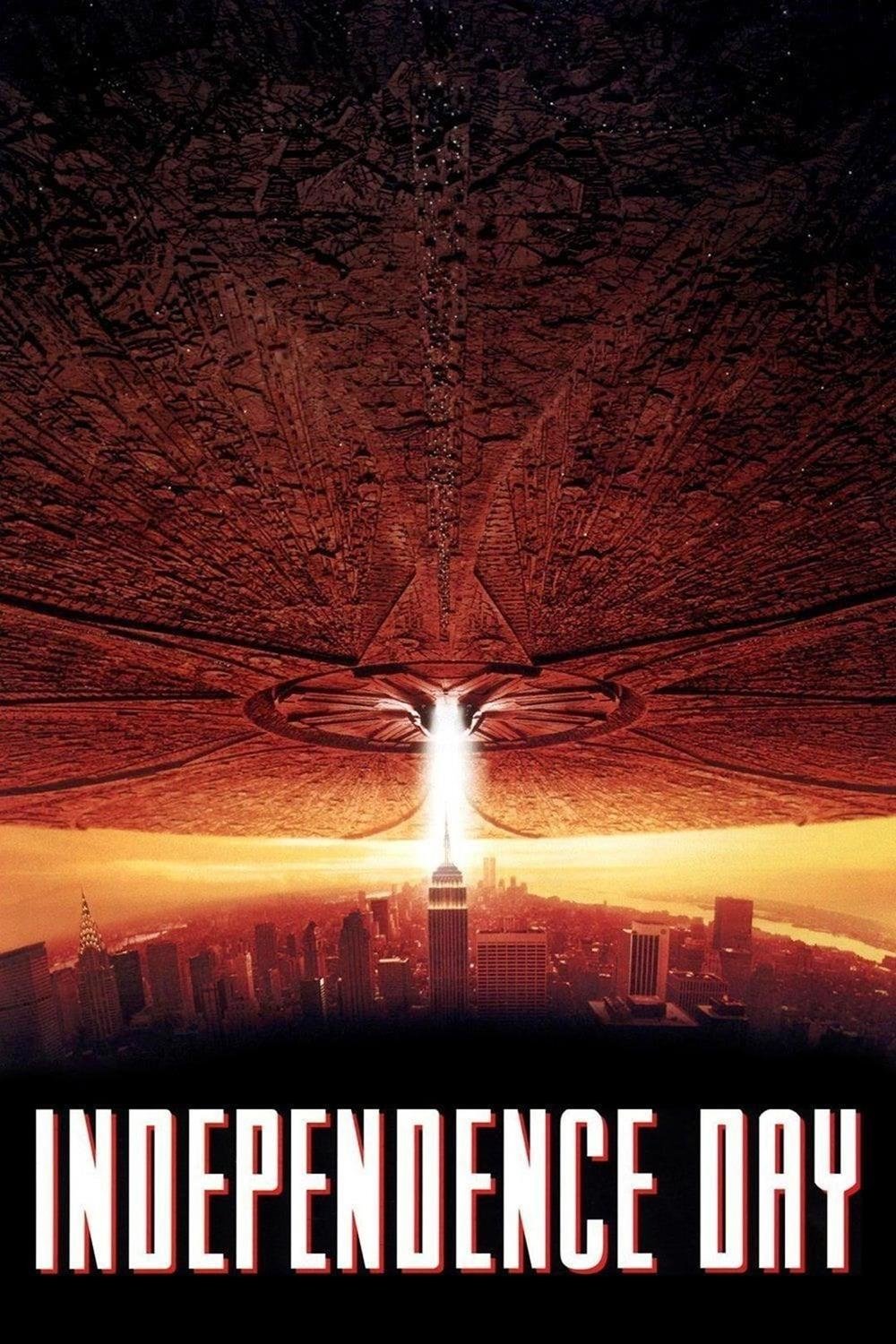
Whenever I revisit “Independence Day,” I can’t help but feel immersed in the grand sweep of spectacle and suspense that is so quintessential to science fiction. For me, this film doesn’t just dabble in sci-fi elements; it relishes them. The core genre here is science fiction, with a significant submersion into action-adventure. The film stands as a celebration of sci-fi’s boundless potential—a genre defined more by what could be than by what already is. In “Independence Day,” the imagery of massive alien spacecraft hovering ominously above cities and the relentless barrage of technological wonders confirm my instinct: This film’s heart beats with the curiosity and apprehension that define classic science fiction. The speculative premise—first contact with a hostile extraterrestrial civilization—undeniably situates the movie within the rich landscape of science fiction, while the persistent tempo and explosive set pieces invite audiences into the equally thrilling world of action. But when I’m watching, it’s that “what if” of otherworldly danger and humanity’s response that dominates my engagement, carrying the signature emotional palette of the sci-fi genre.
Key Characteristics of the Genre
-
Common themes
What always leaps out to me in science fiction, and especially in films like this, is the persistent meditation on humanity’s place in the cosmos. These stories ask: How would we confront an existential threat? How would our governments, scientists, and ordinary people respond when the unthinkable becomes reality? There’s a perpetual preoccupation with technology—sometimes as salvation, sometimes as danger. Speculative scenarios push characters to make moral choices that ripple across the fate of worlds. Many sci-fi narratives also grapple with unity versus division: Will we overcome differences in the face of shared jeopardy, or do we fall apart? I see apocalypse, first contact, and the paradox of human ingenuity as recurring motifs—each providing fodder for new reflections on what makes us human. -
Typical visual style
Science fiction, at least the kind I return to time and again, is marked by visual extravagance. Sweeping shots of otherworldly machinery, cityscapes devastated by superhuman forces, and effects that aim to dazzle me past the familiar—all of it is part and parcel of the genre’s DNA. In “Independence Day,” the visual style leans on dramatic lighting, colossal scales, and a persistent contrast between human insignificance and technological grandeur. CGI isn’t just a tool—it’s the storyteller’s paintbrush. I’m always struck by the genre’s bold palette: stark whites and metallic grays for alien aesthetics, interspersed with the reds and oranges of fire, destruction, and refusal to surrender. There’s a kind of visual language that science fiction speaks—heightened, spectacular, sometimes ominous, yet always reaching for the sublime. -
Narrative structure
The narrative pathway I observe through most science fiction blockbusters employs a cyclical rise and fall of hope: introduction to the ordinary world, disruption by something extraordinary, struggle to comprehend and respond, and ultimately a confrontation that determines not just survival, but the evolution of collective identity. Movies like “Independence Day” thrive on escalating stakes—personal arcs entwined with societal upheaval. Multiple story threads often converge: we follow scientists, soldiers, and everyday citizens as separate stories intertwine. I’m always hooked by the genre’s reliance on both intimate conflict and global spectacle, moving from brief character moments right up through earth-shattering climaxes. -
Character archetypes
The science fiction roster is defined by its ensemble of archetypes. There’s the everyman caught up in something monumental—an immutable human compass as the chaos swirls. I also encounter visionary scientists or engineers, committed to translating theory into lifesaving action. The determined political or military leader rises as a voice of rallied resolve. Skeptics morph into believers. Sometimes outsiders or misfits reveal themselves as uniquely equipped to comprehend or communicate with alien forces. In “Independence Day,” I recognize all these classic genre figures—each carrying the heavy lifting of the narrative’s ethical and emotional stakes.
How This Film Exemplifies the Genre
What most captivates me about “Independence Day” is the way it revels in being science fiction—it never tries to minimize or disguise its speculative roots. The very premise, grounded in the sudden arrival of technologically superior extraterrestrials, is a narrative device native to the genre. For example, the towering alien ships dominating the skies over major cities aren’t just a marvel of special effects; they encapsulate the awe-and-terror dichotomy that lies at the heart of sci-fi. I find it impossible to separate the film’s relentless energy from its genre identity. The suspense is built out of “what if” scenarios, thrusting me into a space where catastrophe and ingenuity exist side by side.
The international response to the alien invasion, another aspect that stands out to me, injects a unique flavor into the familiar disaster movie formula. Watching disparate nations, militaries, and scientists struggle to bridge language and ideology in the face of annihilation is vintage sci-fi. The plotline where a satellite technician figures out the invaders’ countdown network epitomizes the genre’s recurring theme: human intellect as a counterweight to brute force. That blend—the interwoven drama of families, politicians, and unheralded experts—feels distinctively science fiction. There’s a constant assertion, through character and set piece, that humanity’s greatest asset is its unity and resourcefulness.
I’m also struck by the film’s fusion of action spectacle and speculative technology. The spectacle of the White House obliterated by alien firepower, fighter jets squaring off against seamless alien shields, and the pivotal infiltration of the mothership via a computer virus—these sequences highlight genre conventions. The integration of realistic military response with implausibly advanced science is a tightrope act that only science fiction attempts at this vivid scale, and “Independence Day” walks it boldly. I notice how the film uses visual excess not as a substitute for substance, but as a deliberate method to evoke wonder and dread in equal measure.
Above all, “Independence Day” embodies the emotional core of sci-fi by turning cosmic calamity into a canvas for exploring identity and collective action. While the odds are outsized—the fate of the entire planet at stake—the narrative remains grounded in profoundly personal stakes. When I watch Jeff Goldblum’s character, I see the quintessential sci-fi intellectual: skeptical, anxious, propelled by both love and duty. Watching President Whitmore’s rallying speech, I hear the echo of World War II propaganda transformed into interstellar resolve. Each character echoes the genre’s archetypes, yet the performances keep them from feeling rote. The film’s structure, moving from harried panic to fervent resistance, perfectly mirrors the kind of emotional progression that keeps me returning to science fiction as both a scholar and a fan.
Other Essential Films in This Genre
- Close Encounters of the Third Kind – This film has always fascinated me for the way it elevates the idea of first contact from a trope to an obsession. Spielberg’s approach is more meditative than “Independence Day,” but the undercurrent of awe, anxiety, and the ultimate leap of faith is pure science fiction. I appreciate how it grounds the cosmic in the deeply personal, following everyday people as they’re inexplicably drawn toward the unknown. The visual language—iconic lights, shapes, and soundscapes—redefined what first contact could look like on screen. In my experience, watching this film is like witnessing the genre’s capacity for both spectacle and intimate revelation.
- War of the Worlds (2005) – Spielberg’s adaptation of the H.G. Wells novel still lingers with me as a benchmark for alien invasion narratives. The relentless, almost apocalyptic tone is what I recall most vividly: here, the science fiction isn’t subtly integrated, but bludgeons its way into ordinary lives. I remember the sheer force of the Martian machines, and the film’s willingness to strip away the veneer of civilization to reveal something more primal beneath. It excels at transforming familiar environments into alien landscapes, a hallmark of effective science fiction. The focus on familial survival grounds the story while the technological terror underscores the genre’s persistent fascination with otherness and annihilation.
- The Day the Earth Stood Still (1951) – I can’t ignore how this earlier classic frames the genre’s idealistic origins. Watching it, I always feel that the film’s mix of trepidation and hope embodies the Cold War era’s ethic of caution in the face of nuclear ruin. Here, the alien is not a conqueror but a judge, creating an alternate tension that is just as potent as invasion. The film’s quiet, almost solemn pace, its use of shadow and light, and its iconic robot Gort each continue to inform how I see the genre’s capacity for allegory and warning. Even now, the film lingers in public consciousness as a gentle giant of science fiction—cautionary, humane, and deeply speculative.
- Arrival (2016) – When I think of recent entries that have revitalized the genre, “Arrival” stands out for its cerebral approach. The stakes aren’t rendered in explosions, but in language and perception. I love how the film dares to ask whether humanity can transcend its own barriers—linguistic, emotional, nationalistic—in pursuit of understanding. The visuals are subdued but mesmerizing, emphasizing scale, atmosphere, and the interpretive dance of communication. “Arrival” takes the science fiction genre’s curiosity and stretches it to its intellectual limit, posing questions that haunt me long after the credits roll. The film remains a testament to how much versatility and profundity the genre can yield.
Why This Genre Continues to Endure
For me, science fiction endures not merely as entertainment, but as a conduit for possibility. There’s something uniquely exhilarating about the genre’s capacity to ask “What if?”—sometimes with unflinching optimism, at other times with bone-deep cynicism. I think people are drawn to these narratives because they allow us to spin out our deepest anxieties and wildest hopes on an epic scale. When I watch alien invasions, technological revolutions, or speculative futures, I’m always struck by how these scenarios force a reevaluation of what unites—or divides—us as a species. The genre is a playground for imagining different versions of ourselves, placing human frailty and ingenuity in high relief against cosmic indifference.
I’m convinced the continued popularity of films like “Independence Day” is tied to our ongoing confrontation with the unknown. Whether the unknown takes the form of aliens, artificial intelligence, or scientific discovery, science fiction gives form to all that is just out of reach. In turbulent times, the genre offers a form of catharsis: a chance to see disaster averted, unity forged, and ingenuity rewarded. Even as it evolves—from the sincerity of mid-century adventures to the layered ambiguity of contemporary works—I see science fiction maintaining its role as a mirror for our aspirations and fears. Each generation finds new relevance in the genre’s themes because uncertainty and curiosity are abiding traits of human experience.
Personally, I return to science fiction not only for its promise of adventure, but for its refusal to accept limits. The genre’s best entries—like “Independence Day”—remind me that boundaries are meant to be tested and that imagination is a form of courage. Whether I’m savoring the tension of first contact, the chaos of invasion, or the wonder of invention, I feel a part of an ongoing dialogue between what is and what might someday be. Science fiction endures so powerfully because it takes me (and all of us) to places we have never been, but always dream of reaching.
If you’re interested in how viewers respond beyond technique, you may want to explore audience and critical reception.
🎬 Check out today's best-selling movies on Amazon!
View Deals on Amazon