
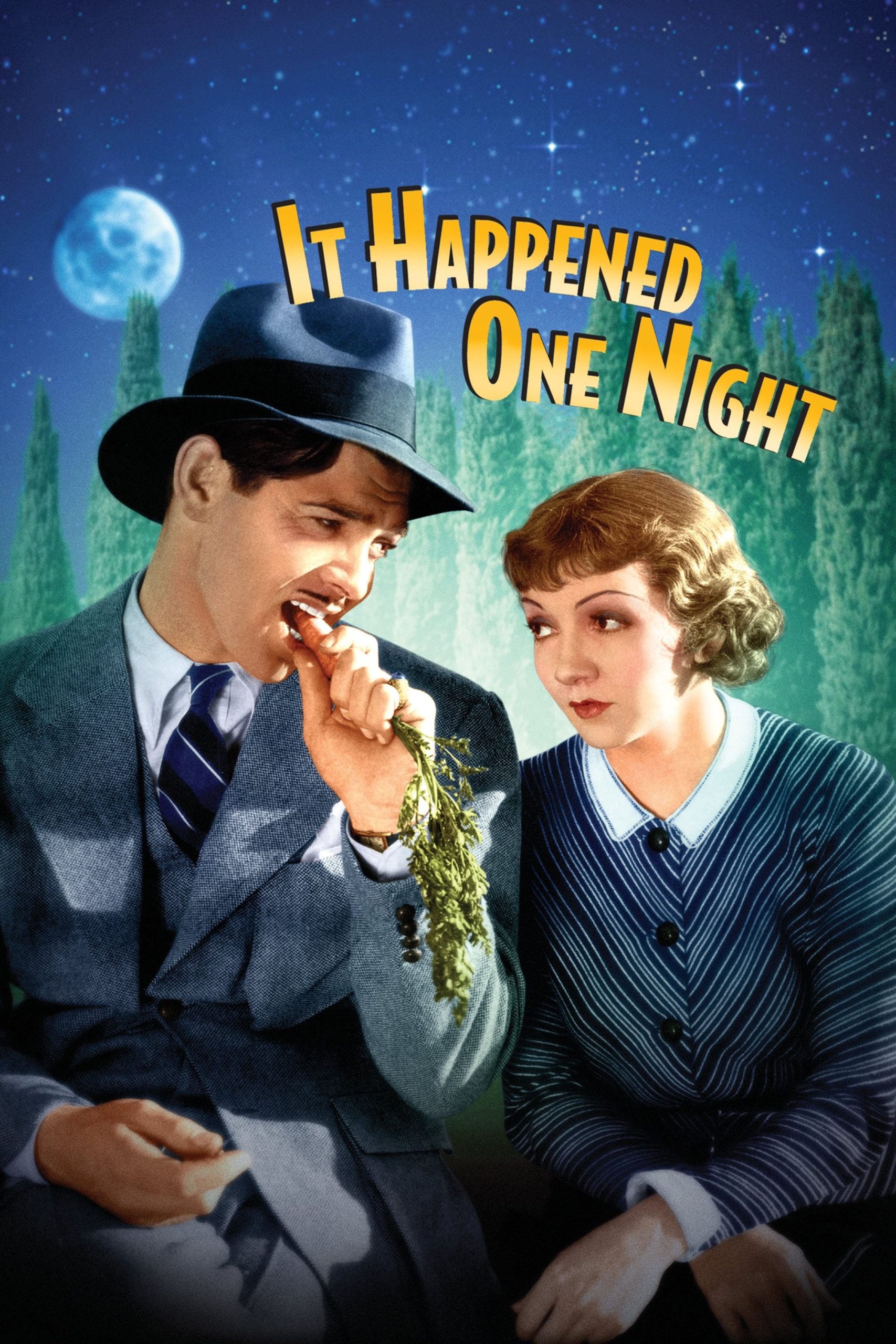
The Genre of This Film
I find it hard to think about “It Happened One Night” without immediately feeling the vivid pulse of the screwball comedy—the unmissable mixture of bright wit, romantic tension, and irreverent social commentary that bubbles up in nearly every frame. To me, Frank Capra’s film is one of the most authentic and influential prototypes of this genre. There’s a palpable sense of playful conflict and sparkling repartee that defines screwball comedies—an effervescent mismatch of characters whose journey is fueled by mischief, misunderstanding, and irresistible chemistry. While the film clearly dips into romance and hints at adventure, I would, without hesitation, classify it first and foremost as a screwball comedy. The reason is straightforward: few other genres thrive on the delightful chaos that ensues when two people, entirely at odds, are propelled together by fate or circumstance. Watching this film, I felt completely swept into that screwball world—where love and laughter arrive not from calm, subtle exchanges, but from the dizziness of conflict and the exhilarating unraveling of carefully constructed identities. It isn’t merely comedic or wistful; it’s daring, brisk, and defiantly modern in its genre DNA, which is why I always return to this label when dissecting its spirit.
Key Characteristics of the Genre
- Common themes
- Typical visual style
- Narrative structure
- Character archetypes
-
Common themes: One aspect I relish about screwball comedies like “It Happened One Night” is their obsession with class clashes, mistaken identity, and the subversion of romantic expectations. The genre, as I see it, constantly pits social elites against everyday folks, exposing hypocrisy, rigid etiquette, and the absurd lengths people go to in pursuit of love or freedom. In watching these films, I’m always struck by the spirit of rebellion at their core—the privileged run away, the underdogs call out pretense, and love, unusually, is as much about mutual recognition as romantic attraction. Ethics get tangled with hijinks, and the push and pull between independence and vulnerability forms the genre’s backbone. I find these themes endure because they refuse to settle for sentimental formulas and instead insist on radical self-discovery through comic incongruity.
-
Typical visual style: When I think back on classic screwball comedies, my inner cinephile thrills at the distinctive visual economy—sharp black-and-white photography, briskly paced editing, and dynamic blocking that accentuates character collision. The films I gravitate toward in this genre relish in medium shots that keep both protagonists in the same frame, emphasizing their push-pull dynamic. There’s rarely any visual fuss; the camera trusts the energy between characters to carry the scene. I often notice minimal but playful set design—bus stations, train cars, motels, hotel lobbies—that place the protagonists together in close quarters. There’s a tangible sense of immediacy and improvisation in the visuals, contributing to the story’s momentum and drawing attention to physical gags or facial expressions rather than elaborate mise-en-scène. I find this unpretentious style perfectly suits the genre’s brisk, no-nonsense attitude toward storytelling.
-
Narrative structure: From my experience, the skeleton of a screwball comedy typically follows an opposites-attract formula threaded with escalating complications and misunderstandings. Stories I admire in this field frequently begin by throwing mismatched characters together under duress—a runaway heiress, an out-of-luck reporter, a madcap journey from bus stop to farmyard to roadside hitchhiking. The genre’s plots are often episodic, built from a sequence of comedic set pieces where expectations are gleefully overturned and romance arises organically from friction. As a viewer, I’m always captivated by the genre’s commitment to swift reversals—fortunes change in a flash, characters are forced into comedic disguises or deceptions, and emotional truths emerge only after identities are fully stripped bare through adversity and laughter. The inevitable ending—a union built on honesty and shared vulnerability—rarely feels trite, because it has been so hard-won through comic chaos.
-
Character archetypes: What grabs my attention every time I watch a screwball comedy is its use of sharply defined archetypes who, over the course of the story, subvert their own stereotype. The genre delights in pairing fast-talking, wisecracking working-class heroes with spirited, impulsive, or naive socialites. There’s usually a “straight man” who tries to impose control and a “wild card” who disrupts order at every turn. Supporting characters are often bumbling or eccentric—bus drivers, fathers, fiancés, authorities—each thrown off-balance by their proximity to the main duo’s shenanigans. It’s this interplay of wit, stubbornness, and disguised vulnerability that sets the genre apart. I revel in how these archetypes, while familiar, are constantly surprising me by showing unexpected depth or transforming through conflict, making the inevitable romantic connection both fresh and believable.
How This Film Exemplifies the Genre
For me, “It Happened One Night” feels less like a movie following screwball traditions and more like the gold standard—the film that invented and effortlessly codified what would come to define the genre for decades. The relentless banter between Clark Gable and Claudette Colbert remains, in my eyes, peerless. Their dynamic—equal parts antagonism and attraction—sparked against an ever-moving American landscape, renders their journey both distinctly local and universally resonant. I find that every beat of their relationship—the initial mistrust, the forced partnership, the biting repartee, the slow unraveling of defenses—elevates the film far beyond simple romantic comedy. The famous “Walls of Jericho” blanket scene, for instance, encapsulates what I think is at the heart of screwball’s allure: the conflict of desire and propriety expressed through wit and spatial choreography, rather than explicit confession or melodrama.
When I watch the film’s visual style, I can’t help but admire its unfussy elegance—how Capra trusts the actors and their chemistry to fill each frame. The setting, crisscrossing the Depression-era South, throws the couple into a dizzying array of comic set pieces: the raucous bus, the “piggy-back” scenes at the auto camp, and the infamous hitchhiking sequence. I find it especially telling that the pair’s journey is as much about travel and transformation as it is about arriving at romantic realization, reflecting the genre’s love of mobility and social upheaval.
Character-wise, I see both Gable’s and Colbert’s roles as pure distillations of screwball archetypes—the stoic but secretly sensitive man finding himself at the mercy of a headstrong heiress, who is at once blinkered to the world and capable of enormous growth. Supporting characters, from blustering fathers to opportunistic bus passengers, are clearly present for comic friction, feeding the central couple’s evolution rather than detracting from it. And structurally, I notice every setback and detour in the plot serves to intensify the hilarity and mutual revelation, with misunderstandings that feel organic rather than forced.
Every time I view the film, I am dazzled by how it never loses narrative momentum. The episodes ping pong between physical humor and emotional sincerity, maintaining a briskness that is integral to screwball pacing. Unlike sentimental romances that play heavily on melodrama, this film imports a sense of real danger, hunger, and discomfort—the traveler’s predicaments, the press of economic hardship, the looming threat of scandal. All of this grounds the comedy in something recognizably human, a feature I believe makes the genre (and this film in particular) so much richer than its surface frivolity suggests.
Most importantly, the romantic denouement—hesitant, earned, and underscored by genuine change—makes the happy ending feel both logical and hard-won. It’s a sensation I chase in all screwball comedies: laughter giving way to intimacy, irony melting into sincerity, class and privilege finding common ground in the most unpredictable circumstances. “It Happened One Night” exemplifies every strength of the screwball comedy, and in my opinion, remains untouched as a genre-defining masterpiece.
Other Essential Films in This Genre
- Bringing Up Baby (1938) – Whenever I think about screwball comedies, Howard Hawks’ “Bringing Up Baby” immediately comes to mind. It’s the film where I first saw the genre’s obsession with chaos and reversal reach almost anarchic heights. Watching Cary Grant’s frazzled paleontologist pitted against Katharine Hepburn’s blithe and unpredictable heiress, I experience pure comic escalation. Their battle of wills—fueled by escaped leopards, misplaced dinosaur bones, and a parade of mistaken identities—embodies everything I love about the genre’s kinetic energy and its irreverence for authority and social norm.
- My Man Godfrey (1936) – For me, “My Man Godfrey” stands out because of how it weaves together sparkling high-society satire and pointed commentary on class. William Powell’s wry, level-headed Godfrey navigating the madcap, capricious world of the Bullock family gives the genre’s usual romantic hijinks a sharper social critique. I love how this film dissects privilege and absurdity, finding both laughter and dignity in the collision between rich frivolity and Depression-era hardship.
- The Awful Truth (1937) – Here, Leo McCarey stages a dazzling dance of divorce and reconciliation, and I find myself constantly marveling at the impeccably timed gags and repartee between Cary Grant and Irene Dunne. What makes this film, in my opinion, an essential screwball is its focus on the messy imperfection of modern relationships—the acknowledgment that love flourishes not despite, but because of, mischief, misunderstanding, and personal foibles.
- The Lady Eve (1941) – I can’t leave out Preston Sturges’ “The Lady Eve”, which I consider the genre’s slyest meditation on deception and attraction. Watching Barbara Stanwyck’s con artist meticulously unravel Henry Fonda’s naive scientist, I see the genre’s delight in role reversal and gendered power play taken to its comic zenith. The film brims with playful malice, and its quicksilver transitions from seduction to slapstick to genuine vulnerability delight me every time.
Why This Genre Continues to Endure
Each time I encounter a well-executed screwball comedy, I’m reminded why this genre holds an irrepressible grip on audiences, generation after generation. There’s something about the way these films turn emotional conflict into joyful spectacle, allowing love to be both messy and exhilarating, that feels entirely timeless. To me, screwball comedies thrive on the recognition that romance is rarely smooth or straightforward—that real intimacy emerges from the friction between very different people forced to share space, improvise, and lower their guard, sometimes in the most ridiculous settings.
Part of the lasting appeal, as I see it, comes from the genre’s unique blend of wit and warmth. Audiences—myself included—are drawn to characters who refuse to take themselves too seriously, who bicker, tease, and test each other, yet ultimately become better versions of themselves. The genre makes laughter a form of resistance, a way to gently puncture pretense and, at the same time, to invite viewers into a story where emotional truth is revealed on the fly. I find this freshness endlessly appealing, especially when compared to more formulaic romances or broad comedies.
The visual and narrative economy of these films also, in my opinion, holds up astonishingly well. Fast-paced dialogue, situations grounded in real anxieties (money, class, reputation), and sharply etched personalities ensure that the comedy never feels dated. The observational humor—whether it’s about gender dynamics, social hierarchy, or the lunacy of chance encounters—remains consistently sharp and relatable, even as the contexts shift.
I’m also struck by how screwball comedies nimbly combine escapism and realism. They offer fantasy—the chance for misfits and aristocrats alike to find love and laughter on equal terms—yet keep both feet firmly planted in recognizably everyday frustrations. Watching these films, I always sense the undercurrent of hope that, despite difference or adversity, joy and connection are possible through sheer perseverance and wit. It’s a form of optimism I personally find invigorating, whether in the midst of economic uncertainty, social upheaval, or cultural change.
Screwball comedies endure, in my view, because they celebrate not idealized romance, but the accidental, imperfect, and often uproarious paths by which people truly come together. Their enduring charm isn’t simply nostalgia; it’s the evergreen spectacle of opposites attracted then transformed, offering comedy as both consolation and defiant joy in an unpredictable world.
If you’re interested in how viewers respond beyond technique, you may want to explore audience and critical reception.
🎬 Check out today's best-selling movies on Amazon!
View Deals on Amazon