
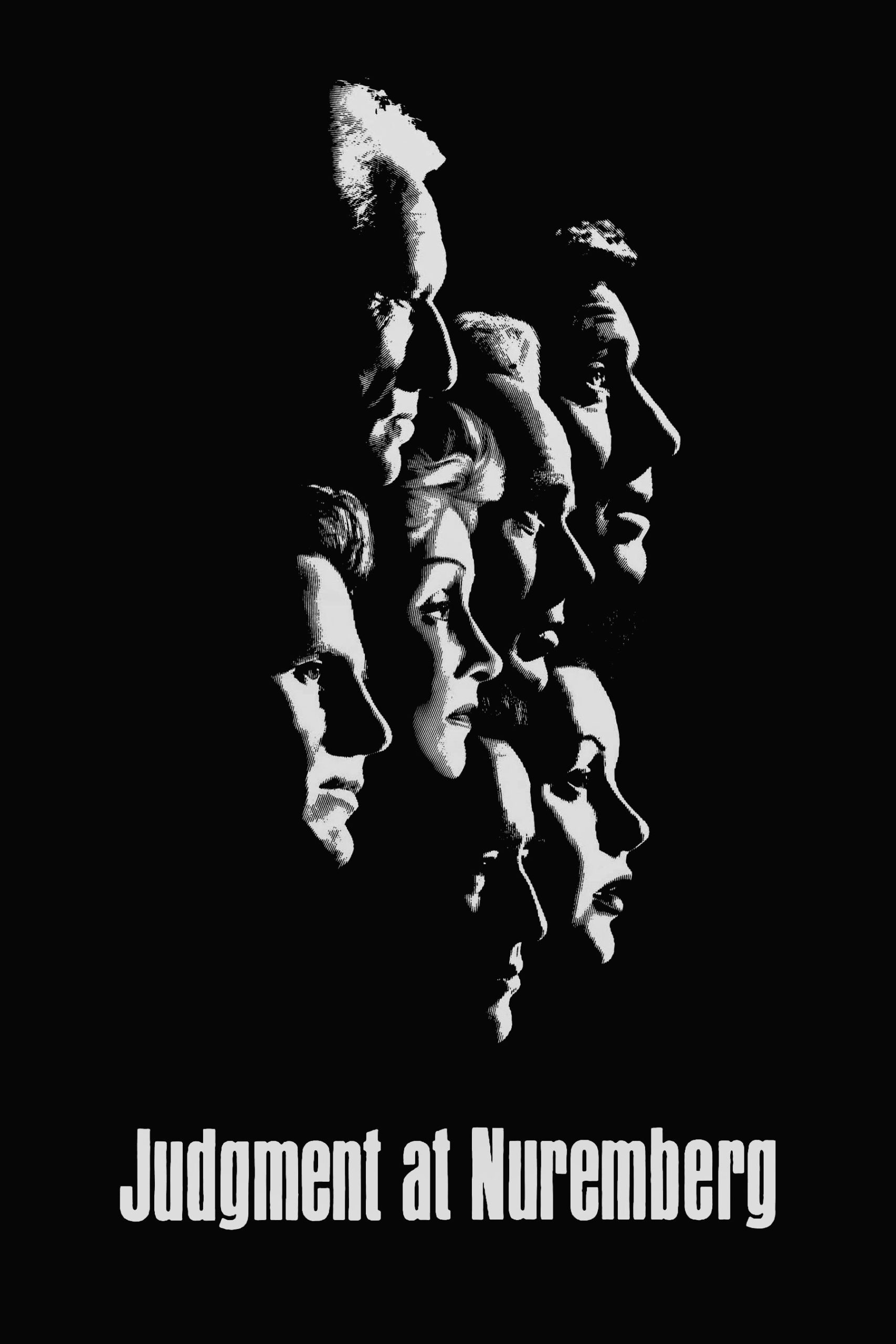
The Genre of This Film
Every time I revisit “Judgment at Nuremberg,” I’m struck by how firmly it belongs to the courtroom drama genre. What immediately stands out is the immersive experience I get as the viewer—almost as if I’m sitting on the bench, challenging myself with questions of guilt, complicity, and justice. It’s unmistakably a film that uses the courtroom setting not just as a location, but as the dramatic engine of its narrative. While it touches on history and even hints at political thriller territory, I see its heart beating strongest in the way it drags ethical dilemmas under the blinding lights of testimony, cross-examination, and final judgment. That relentless focus on legal procedure and the search for truth, as filtered through clashing human perspectives, is the core reason why I identify this film as a quintessential courtroom drama.
Key Characteristics of the Genre
- Common themes
Courtroom dramas, from my viewings, usually revolve around the pursuit of justice—never simple, never tidy. I find them awash in debates on moral responsibility, legal precedent, the ambiguity of right and wrong, and personal versus institutional duty. It’s this stark confrontation with ethical grey areas that draws me in repeatedly. Often, these stories look at social justice, prejudice, and the power struggles embedded in legal systems. What resonates most for me is when these films expose flaws in the quest for truth, underlining how justice is rarely delivered without cost or compromise. - Typical visual style
I’ve come to associate courtroom dramas with a restrained, almost austere visual language. The camera work is often direct, drawing attention to faces, gestures, and fleeting emotions. There’s a theatricality in the setup—a stage framed by benches, the judge’s desk, witnesses, and the gallery—that feels deliberately claustrophobic, pressing in on characters as they are forced to reveal themselves. Lighting tends to veer toward realism, but the contrast between bright, exposed witness stands and shadowed peripheries accentuates the drama for me, echoing the exposure and risk inherent in giving testimony or passing judgment. - Narrative structure
Courtroom dramas, as I experience them, lean heavily on a structure that builds its tension through successive hearings, witness testimonies, objections, and closing arguments. The aftershocks of facts dragged into the light reverberate through the characters’ backstories, which are gradually revealed in front of us as evidence accumulates. I find this structure not only heightens dramatic suspense, but also allows every spoken word and pause to take on outsized importance. Often, there are flashbacks or verbal recountings, adding layers—and the climax nearly always centers on a verdict that forces everyone, including me as a viewer, to reckon with what’s just been made visible. - Character archetypes
It’s hard for me not to map the recurring personalities that populate this genre: the determined but possibly jaded judge, steadily sifting through conflicting motivations; the passionate defense attorney, trying to humanize the accused; the righteous or deeply conflicted prosecutor, intent on justice or order; vulnerable or combative witnesses; and the accused, whose fate pivots on scrutiny and persuasion. What I appreciate most is how these roles invite us to empathize with a range of moral positions, presenting no easy heroes or villains, just individuals wrestling with competing principles.
How This Film Exemplifies the Genre
Personal engagement with “Judgment at Nuremberg” always feels like sitting through an actual, epoch-defining trial. I can’t escape the intensity of the courtroom—the way every testimony forces me to consider the practicality of justice after unimaginable horror. The genre’s essential attributes are foregrounded with such precision in this film that, in my mind, it sets the benchmark for how courtroom drama can shoulder the weight of recent history.
What consistently impresses me is how the film centers its storytelling within the confines of a legal hearing. The suspense isn’t born of violence or outside peril, but from public exploration of guilt and responsibility. Every dialogue exchange, especially under cross-examination, feels like a chess match, where lives and reputations hang in the balance. I notice how the visual design amplifies this sense of trial by exposure: close shots on the witnesses, judges, and lawyers highlight cracks in their confidence or resolve, reinforcing how little separates dignity from condemnation.
Narratively, the structure could only be called classic courtroom drama. I find myself riveted by the methodical introduction of evidence, the gradual revelation of personal histories, and the mounting stakes as each day in court progresses. Even when the judges confer in private, the drama simmers—there’s no sense of relief, only the looming certainty that their verdict will echo beyond the courtroom into history itself. Every archetype appears here, yet no one remains a stereotype. I’m struck by how the judge (played by Spencer Tracy) is neither simply idealistic nor cynical; the prosecutors and defense attorneys seem locked in their own private reckonings, questioning not just the law but their role in history. Even the accused exude complexity and tragic ambiguity. This multidimensionality, so common in the greatest courtroom films, is what makes the genre, and this film, so durable for me.
I also see how “Judgment at Nuremberg” leans into the genre’s preference for ambiguity. Answers, when offered, are rarely satisfying or complete. Watching, I’m left questioning the adequacy of the law when faced with atrocities that seem to exceed legal definition. The film is not simply about outcomes; it’s about the impossibility of clean resolution. Nothing encapsulates the core of courtroom drama for me more than that concerted, honest struggle—not just to recount what happened but to decide what to do next.
Other Essential Films in This Genre
- “12 Angry Men” (1957) – Every time I show this film, I’m reminded how the entire drama unfolds in the jury room. For me, it epitomizes the genre’s commitment to moral argument and persuasion among ordinary people. The film thrives on minimalist staging and hyper-focused debate, allowing the audience to experience the agony and hope of one juror’s quest to prevent injustice. Its use of confinement echoes the intensity I feel in “Judgment at Nuremberg.”
- “Anatomy of a Murder” (1959) – What fascinates me about this one is its willingness to lay bare the legal process, warts and all. It’s a film that revels in ambiguity—not just about guilt and innocence but about the reliability of memory and the motivations of those who serve justice. The banter between the lawyers, the unpredictable witness testimonies, and the unresolved personal scars left by the trial are all dynamics I see mirrored in the core of the courtroom drama genre.
- “Witness for the Prosecution” (1957) – I find myself hooked by the genre’s flair for twists and reversals in this Billy Wilder classic. The film plays up the theatricality of courtroom procedure, and its intricate plotting encourages the audience to continually reassess what they believe. While at first it might seem to court melodrama, I think the real pleasure comes from seeing how performance—in both legal and personal senses—shapes the very nature of truth in the genre.
- “To Kill a Mockingbird” (1962) – Each time I watch, it strikes me as an example of the genre’s capacity to confront social injustice. The trial at its heart is soaked in the textures of rural America, and the film’s ability to move between intimacy and societal critique reinforces its belonging to the courtroom drama. I’m especially drawn to how the child’s perspective exposes both the limits of the law and the persistence of prejudice.
Why This Genre Continues to Endure
When I teach or discuss courtroom dramas, I’m always reminded that their longevity comes from how they invite us to reflect on justice—personally and publicly. I believe there’s something universally compelling in watching people argue over right and wrong in a formal arena, especially when personal stakes are high. These films, for me, become emotional and intellectual battlegrounds where I’m encouraged to weigh my own beliefs against those on screen.
I also see how the strict, procedure-based framework paradoxically frees filmmakers and viewers to explore the messiness of human motives. There’s an intimacy created by the confined space and relentless interrogation, an environment where masks drop and core intentions emerge. I get a sense of shared participation—the feeling that I, too, am asked to reach a verdict. This genre has the unique capacity to make the abstract tangible and the distant immediate.
Importantly, courtroom dramas adapt to every era’s anxieties and hopes without abandoning their essential DNA. Whether the subject is war crimes, civil rights, personal vendettas, or ethical ambiguity in new technologies, the genre provides a stage for society’s thorniest questions. Watching “Judgment at Nuremberg,” I’m struck by how these films persist as tests: not just of their characters, but of us. We return to them looking for answers, or at least for the catharsis of seeing complicated questions weighed in public, and in this act, the genre repeatedly reaffirms its relevance in my eyes.
If I’m honest, I find the best courtroom dramas unsettling in the most productive way—they leave me wrestling with my own definitions of justice and fairness. That, for me, is why their appeal never fades. These films harness the enduring drama of deliberation, confession, challenge, and even doubt—fundamental parts of what it means to grapple with collective responsibility.
If you’re interested in how viewers respond beyond technique, you may want to explore audience and critical reception.
🎬 Check out today's best-selling movies on Amazon!
View Deals on Amazon