Film Movement Context
Whenever I revisit the 1933 King Kong, I’m overwhelmed by the audacity of its imagination—a sprawling island of monsters, a giant ape both terrifying and oddly sympathetic, all unfolding on a scale Hollywood had barely touched. For me, the film sits squarely at the intersection of two critical film movements: Classical Hollywood Cinema and the early American Expressionist-influenced fantasy. While the former defines the era’s studio-driven, narrative-first output, the latter infuses King Kong with visual bravado and a mythic quality that places spectacle above all else. I see these twin impulses as crucial to the film’s enduring legacy. Rather than simply slotting the film into a single, clear-cut movement, I recognize it as emblematic of Hollywood’s embrace of expressionist style, especially in its special effects, dramatic lighting, and emotional excess, married with the tight, goal-oriented storytelling that defines the classical era. The movie both absorbs and transforms the fantastic tendencies of Weimar cinema and the American monster tradition, setting the stage for the genres and cycles that follow.
Historical Origins of the Movement
When I examine where King Kong sprang from cinematically, I see the deep roots in 1920s Expressionism—films like The Cabinet of Dr. Caligari, which shaped my understanding of how style can evoke emotion. American filmmakers, especially in Hollywood’s golden age, cherry-picked these elements, toning down the harsher psychological edges but unleashing dramatic visuals and mythical storytelling. I think about how post-World War I audiences craved both escapism and spectacle. In the United States, the ideal response was to deliver polished, accessible films that never lost sight of entertainment, while also drawing viewers into a reality governed by dreams and nightmares.
It’s clear to me that RKO, the studio responsible for King Kong, was eyeing a burgeoning appetite for adventure, horror, and science fiction. The arrival of sound only a few years earlier gave filmmakers new ways to conjure awe, and special effects wizards like Willis O’Brien, who had worked on The Lost World (1925), now saw the chance to craft moving, breathing illusions. I see this moment as a crucible where the myth-making instincts of cinema—the urge to show what could not be staged—demanded new techniques. As the Depression weighed heavily on American society, escapism wasn’t just a luxury, it was a necessity, and the monster film became a way for filmmakers to address anxieties through allegory and spectacle alike.
There’s also, for me, the key influence of the “American Gothic,” a thread weaving from Poe’s anxious stories to the big-screen monsters of Universal’s cycle. While King Kong isn’t gothic in the European, castle-and-candelabra sense, the film’s brooding spectacle, its sense of doom, and the moral ambiguity of its monstrous star all harken back to these earlier traditions. Yet, unlike Universal’s Dracula or Frankenstein, whose roots lie in literature, I notice King Kong creates its own mythology, one rooted in the meeting of American ambition and the unknown, filtered through the cinematic tools inherited from both local and foreign traditions.
This Film’s Contribution to the Movement
Each time I dissect King Kong, I’m struck by how it refuses to sit quietly in any one box—its ambition is not only technical but thematic. What the film does, in my eyes, is take the spectacle and gothic excess of expressionism and channel it through the guiding hand of classical Hollywood. The narrative beats are clear: goal-oriented protagonists, a love interest, and an epic journey driven by personal ambition. Yet almost every frame is steeped in drama and artifice that I associate with the German masters. When I watch the fog-shrouded Skull Island or the stark contrast between beauty and beast, I see the fingerprints of Murnau and Lang meeting the American spirit of relentless forward motion.
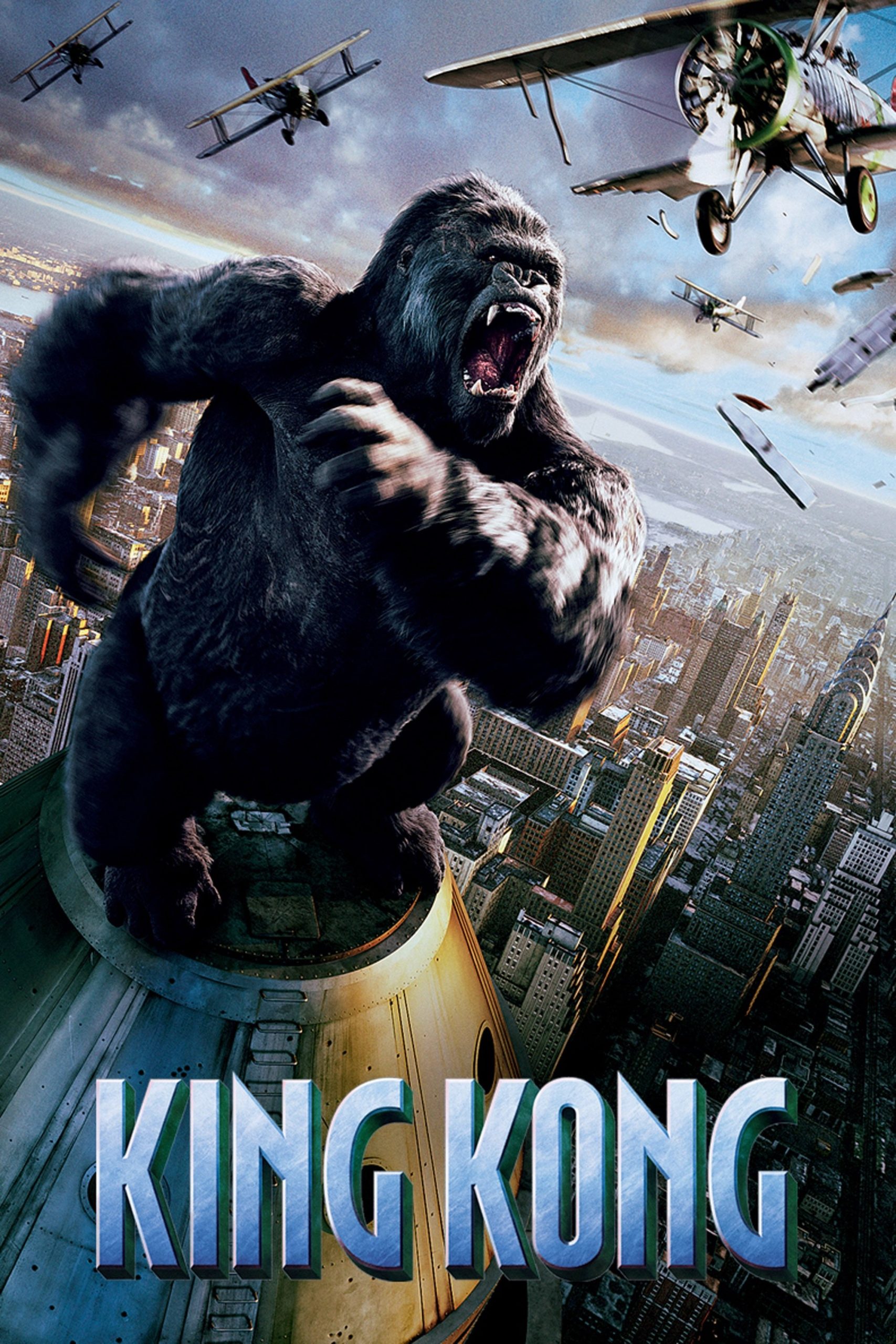
I’ve always appreciated how King Kong uses special effects not simply as a sideshow, but as an essential part of the film’s emotional texture. The stop-motion techniques, the rear projection, the model work—all of it is orchestrated to evoke wonder and terror simultaneously. The film’s movement, as I interpret it, is a kind of technological romanticism: an intoxicating belief that cinema can bend reality to the will of imagination. When Kong climbs the Empire State Building, carrying Ann Darrow, it’s not just a moment of spectacle; it’s a vertiginous metaphor, expressing all the hubris and heartbreak of human (and monstrous) striving.
But the contribution goes deeper than effects or story structure. I see a profound engagement with myth, something rare in Hollywood at the time. Where previous monster films presented creatures as alien threats, King Kong imbues its monstrous protagonist with pathos and tragedy. For me, this is the moment when the “monster” film grows up—the camera lingers not just to thrill, but to invite sympathy, even existential contemplation. The boundaries blur: hero and villain become less clear, and spectacle transforms into poetry. This is what makes the film such a vital link in the evolution of both fantasy and horror: it elevates its genre roots, blending awe, sorrow, and cathartic release in ways that later filmmakers would chase for decades.
If I have to sum up the film’s relationship to its movement, I always return to its fearless technological and narrative synthesis. It’s a crystallization of what cinema could be: bold, fantastical, and unashamedly artificial, yet grounded in keen emotional logic. That’s why King Kong matters not just as a movie, but as a milestone in film history’s marriage of artifice and emotion.
Influence on Later Genres and Films
- Shaping the Monster and Creature Feature Traditions – I never tire of tracing the long shadow King Kong casts across film history, particularly in the monster genre. The film’s willingness to humanize its monster—giving Kong both rage and primitive innocence—became foundational for later titans, from Godzilla to The Shape of Water. Instead of confining the monster to the status of “other,” the film asks the viewer to feel, mourn, and even root for Kong. When I see later movies wrestle with the blurred line between villain and victim, I often trace that sensitivity back to Kong’s tragic fate.
- Evolving Blockbuster Spectacle and Special Effects – The sense of wonder that hit me the first time I saw Kong still feels fresh in blockbuster cinema. From Jurassic Park to Peter Jackson’s lavish 2005 remake, the idea that a movie could dazzle through technical innovation while also telling a compelling story first found confident expression here. What George Lucas, Steven Spielberg, and today’s CGI wizards owe to King Kong is, in my view, immeasurable: the film’s pioneering blend of effects and narrative made it possible for directors to imagine the impossible—and expect audiences to follow them on that leap.
- Shaping Genre Hybridity and Cross-Pollination – I’ve always found King Kong’s cross-genre DNA especially striking. For me, it’s never just a monster movie—it’s an adventure epic, a doomed romance, a horror film, and a fable about exploitation, all at once. This willingness to blend genre conventions became a template for films that poured horror, science fiction, romance, and drama into new hybrids. I see this legacy in everything from Alien and Pan’s Labyrinth to animated fare like The Iron Giant: the film taught generations of filmmakers that genre boundaries could—and should—be transgressed in search of something both thrilling and profound.
The Movement’s Lasting Impact
When I reflect on the trajectory that begins with King Kong, I’m convinced that the movement it enshrines—a synthesis of expressionist aesthetics and classical storytelling—still charges the heart of popular cinema. For me personally, its magic lies in the realization that movies can be both spectacular and searching, that artificiality isn’t a limitation but a portal to deeper emotional truths. The film’s enduring resonance, even nearly a century on, reminds me that spectacle, when grounded in mythic yearning and technological bravado, becomes more than a distraction: it defines the potential of the medium itself.
The fact that King Kong continues to be referenced, remade, and reinvented convinces me that the blend of innovation, genre play, and mythic storytelling remains as potent as ever. This movement—call it Hollywood Expressionism, monster romanticism, or simply blockbuster artistry—challenges filmmakers to keep pushing, keep dreaming, and keep asking: what can cinema do next? That ongoing question, ignited in 1933, is why this movement still matters to me—and, as I see it, to anyone who finds themselves awestruck in the dark.
To connect style and technique with broader context, you may find these perspectives useful.
🎬 Check out today's best-selling movies on Amazon!
View Deals on Amazon