
The Genre of This Film
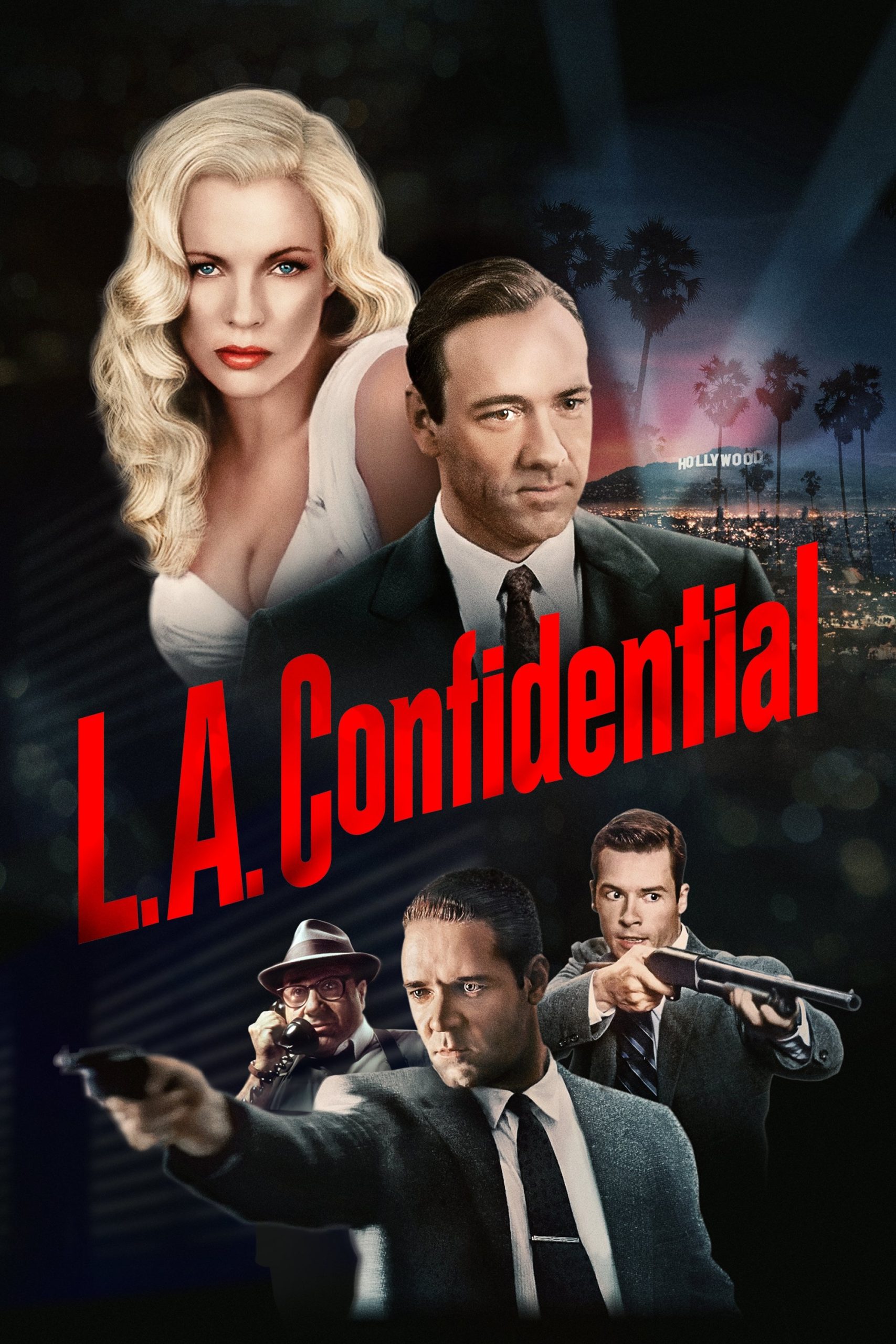
Every time I revisit L.A. Confidential, I’m immediately struck by its immersive atmosphere, steeped in shadow, corruption, and intrigue. To me, this film stands as one of the quintessential neo-noirs of its era. Its foundation is unmistakably rooted in the conventions of film noir, yet it transforms those elements for a modern audience. The intricate plotting, the morally ambiguous characters, and the brooding sense of cynicism all scream noir, while its 1990s sensibility situates it squarely within the “neo” branch of the genre. What cements L.A. Confidential in the neo-noir category for me is how it revitalizes classic crime drama aesthetics, using them to tell a story that is just as much about the rot beneath Hollywood’s glamorous surface as it is about the personal conflicts of the men investigating it.
Key Characteristics of the Genre
-
Common themes
- When I think of noir and neo-noir, what comes to mind immediately are the themes of moral ambiguity and corruption. I see this genre as endlessly fascinated by the gap between outward respectability and inner decay. It’s not just about whodunits or criminal underworld dealings—the beating heart of noir, to me, is the exploration of ethical dilemmas, betrayal, cynicism, and the painful pursuit of truth in a world where truth is deliberately obscured. There’s nearly always a feeling that the system designed to deliver justice is itself fundamentally flawed. In neo-noir, I notice these classic themes are often joined by a more explicit examination of identity, fate, and the cost of personal compromise.
- This genre is also obsessed with the idea of the past catching up to the present. Whether through flashbacks or haunted backstories, those old ghosts refuse to stay buried, and they often shape the present’s moral challenges. I often find redemption and damnation walking hand in hand in these stories.
-
Typical visual style
- I’m always drawn to the visual grammar of noir—those inky shadows, Venetian blind patterns slicing across faces, rain-slick streets illuminated by neon, foggy alleys, and the relentless interplay of light and darkness. In the traditional form, everything seems drenched in despair, with cinematographers using chiaroscuro to reflect the inner turmoil of characters. Neo-noir adopts and adapts these techniques, sometimes throwing color in alongside the harsh contrasts but never sacrificing the moody atmosphere. I recognize noir by its intense visual stylization, using every trick of the camera to heighten suspense and anxiety—canted angles, deep focus, reflections, and sometimes even distorted perspectives to communicate a fractured moral universe.
- What’s fascinating to me is how neo-noir loosens the rules a bit: you’ll get crisp modern compositions, yet always with that nagging sense of unease lurking in the frame. The world looks enticing, then suddenly, in a staccato burst of shadow, you’re reminded of its darker undertones.
-
Narrative structure
- I rarely see straightforward storytelling in noir or neo-noir. Complex, layered, often non-linear narratives seem to be the norm—stories told with a heap of flashbacks, unreliable narrations, and plot twists that force me to second-guess my perceptions. The stories probe deep into society, peeling away layers of deception, hypocrisy, and personal motives. Rarely am I offered a neat, happy resolution; ambiguity itself becomes a part of the narrative’s identity.
- Investigation is typically at the core—journalists, detectives, or amateur sleuths piecing together a mosaic of scandal and violence. The truth, when it emerges, always bears a price, and what I find especially characteristic is how these films refuse to draw clear lines between the guilty and the innocent—everyone operates in the grayest of gray zones.
-
Character archetypes
- The genre’s population is iconic. For me, the detective (or cop or gumshoe) is usually the emotional anchor of the noir world—jaded, often bruised by life, sometimes idealistic but always forced to make compromises. Then there is the femme fatale, a character I always see wielding her intelligence, beauty, and sexuality not as objects of mere desire, but as dangerous, destabilizing forces. There are also the movers behind the curtain: corrupt officials, powerful criminals disguised as philanthropists, sharp-tongued journalists, and doomed lovers. In neo-noir, I notice these archetypes get a modern polish—women are more complex, authority figures aren’t always caricatures, and heroes become anti-heroes by necessity.
- What always stands out in this genre for me is the sense that every character—be it a witness, a victim, a conspirator, or a bystander—carries the weight of secrets. Nobody in noir is ever wholly what they seem; duplicity is its own sort of gravity.
How This Film Exemplifies the Genre
I can’t think of many films that wear their genre as confidently or as stylishly as L.A. Confidential. For me, every element in the film—its script, its set design, its performances—creates a textbook illustration of what modern film noir can achieve. The city of Los Angeles in the 1950s is presented as a place of dazzling surface glamour, but I find that glamor constantly undermined by an omnipresent sense of menace. The opening narration of gossip columnist Sid Hudgens, with its breezy optimism, is brilliant misdirection: almost immediately, I feel plunged into a labyrinth of vice and duplicity.
What resonates with me most is how the film handles moral ambiguity. Each of its principal detectives—Bud White, Ed Exley, and Jack Vincennes—embody distinct facets of noir archetypes, yet none are allowed to remain static. They’re tested, sometimes broken, and always forced to confront both their strengths and their greatest weaknesses. There’s a restless energy to their development: White’s explosive anger, Exley’s rigid idealism, and Vincennes’ smooth self-interest all collide and intermingle, creating a character-driven tension I find irresistible.
The plot’s sprawling complexity keeps me on constant alert. Twists and reveals emerge organically from character decisions, not from arbitrary writing. The line between criminal and cop blurs repeatedly—some of the most powerful moments in the film, to me, stem from those small, personal betrayals that hurt far worse than any grand crime. I feel the desperation in everyone’s actions, as they try to carve out space for integrity in a city dominated by compromise and self-interest.
Visually, the film is a masterclass: I’m captivated by the saturated golden hues contrasted against the enveloping night. The camera lingers just long enough to let the weight of secrets settle in. Shadows stretch across faces, hints of danger lurking in the elegantly decorated rooms and seedy back alleys alike. Every frame, to my eye, is loaded with the sort of paranoid tension and claustrophobic glamour that typifies noir, but with a modern sharpness that feels invigorating rather than derivative.
The femme fatale, as embodied by Lynn Bracken, completely upends my expectations. She’s undeniably alluring, with all the classic attributes, yet is given interiority and agency I rarely see in older noirs. Lynn isn’t just a catalyst for male downfall—she’s complex, wounded by the same system that exploits men and women alike, and the film gives me reason to care about her fate.
Perhaps what I admire most is the film’s refusal to offer me pure redemption or neat solutions. The conclusion feels earned—atonement is possible, but never without loss. I’m left with lingering doubts about whether genuine justice is possible in a world so defined by secrecy and ambition, which, to me, is the hallmark of a truly great neo-noir.
Other Essential Films in This Genre
- Chinatown (1974) – The first time I saw Chinatown, I was floored by how it distilled the essence of noir into a sunlit nightmare. For me, it’s the perfect example of a neo-noir refusing to let go of the genre’s dark skepticism, even as it bathes everything in the deceptive brightness of Los Angeles. The film’s protagonist, Jake Gittes, is an investigator trudging through layers of deceit, and the devastating finale reminds me that corruption in this world runs deeper than anyone can unearth. Its infamous catchphrase—“Forget it, Jake. It’s Chinatown”—has become, to me, a shorthand for the hopelessness at the center of neo-noir’s worldview.
- The Long Goodbye (1973) – Robert Altman’s adaptation of Raymond Chandler’s novel made me rethink what a noir detective could look like. I find its version of Philip Marlowe out of step with his time, wandering through a Los Angeles that has outgrown his old-school sense of right and wrong. What I cherish about this film is its shuffling pace and melancholy humor—it uses noir conventions, but leans into ambiguity and moral decay in a way that feels extremely contemporary. It’s not just an homage, but a reimagining of the genre’s heroes as men outpaced by societal rot.
- Brick (2005) – This indie reinvention of noir stunned me with its commitment to genre while transporting it into a modern high school. Watching Brick, I was amazed by how the classic tropes—cryptic dialogue, hardboiled detectives, mysterious femmes fatales—could be both spoofed and respected in a setting so unexpected. What impresses me most is how the film’s aesthetic choices and narrative complexity never sacrifice emotional impact. It made me realize how malleable noir’s building blocks truly are.
- Double Indemnity (1944) – While not a neo-noir, I always return to this film as the genre’s touchstone. The smoky rooms, razor-sharp dialogue, and the perfect storm of temptation and guilt feel, to me, like the blueprint for every noir that came after. Fred MacMurray’s doomed insurance salesman and Barbara Stanwyck’s iconic femme fatale continue to set the standard by which I judge all later iterations. For anyone curious about the DNA of neo-noir, I believe this is an essential origin point.
Why This Genre Continues to Endure
The enduring power of film noir and its neo-noir revivals isn’t simply a matter of style or nostalgia, as I see it. What keeps me engaged, and what I think continues to fascinate fresh generations of cinephiles, is how these films tackle questions that never seem to lose relevance. The world constantly shifts, yet the struggle against corruption, the desire to uncover hidden truths, and the pain of moral compromise never really change. Noir gives me a way to process the disappointment I sometimes feel with institutions and even my own heroes. The genre lets me explore the darker, more complicated sides of human nature from the safety of a cinematic distance.
There’s also something addictive about the way these movies look and sound. That interplay of light and dark seduces me visually, while the jazz-tinged scores and sharply written dialogue tickle my ear. Whenever I encounter a new noir or neo-noir, I feel like I’m peering through a peephole into a society unafraid to question its own myths—one that says, “Look closer, it’s never what it seems.”
This genre’s longevity, for me, is tied to how it adapts. The characters get updated, the aesthetics evolve, but the central conflict remains the same: people fighting both external corruption and their own worst impulses. Each era, it seems, finds its own language for noir, but the core—a sense of yearning for truth in the shadows—survives. And each time I watch a film like L.A. Confidential, I find something fresh to contemplate, even as the genre’s echoes remind me how much, and how little, the world has really changed.
If you’re interested in how viewers respond beyond technique, you may want to explore audience and critical reception.
🎬 Check out today's best-selling movies on Amazon!
View Deals on Amazon