
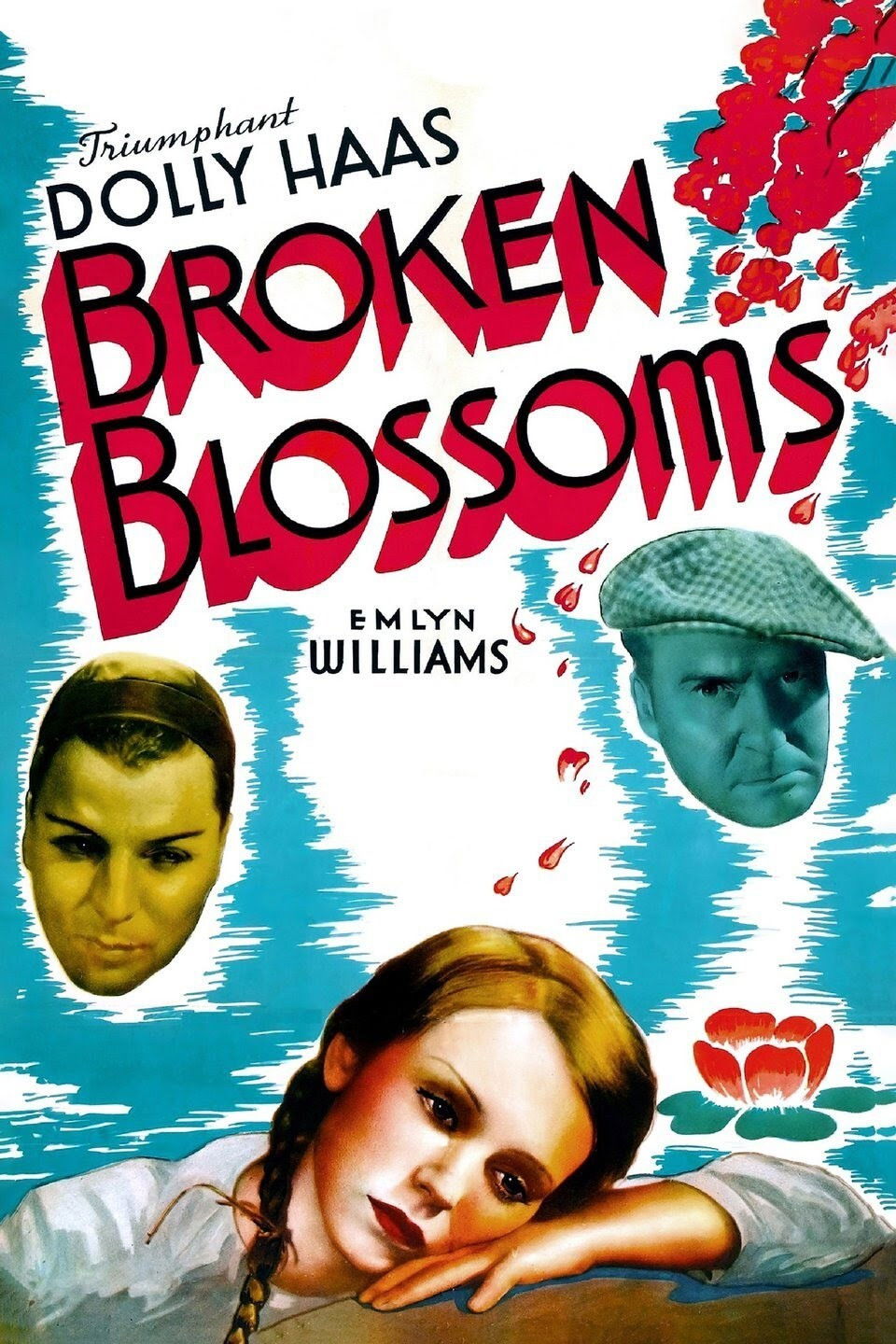
The Genre of This Film
When I first viewed “Broken Blossoms”, I was immediately struck by how powerfully it channels the essence of the melodrama genre. Everything about the film, from its emotionally charged narrative to its deliberate use of visual contrast, swept me into a world where feelings seem to vibrate just beneath the surface. I have watched countless films from the silent era, but “Broken Blossoms” stands apart for me as a quintessential melodrama, using heightened emotion and stark moral contrasts to engage the senses and sympathies of the audience. The way D.W. Griffith crafts the injustices and affections within the story never feels accidental or muted; rather, he frames them with all the grandeur and sorrow that melodrama demands. The film leaves no doubt in my mind that its entire narrative engine is specifically designed to provoke empathy, underscore suffering, and spotlight the dream of rescue and redemption—hallmarks that have always defined melodrama in classic cinema.
Key Characteristics of the Genre
- Common themes
- Typical visual style
- Narrative structure
- Character archetypes
- I find melodrama almost always revolves around the deep tension of emotional suffering and yearning for salvation. The themes that grip me most in these films are often cycles of victimization, oppression, and the hope for transcending misery. There is a clear delineation between innocence and cruelty; good and evil are rarely ambiguous. This genre returns, time and again, to questions of sacrifice, selfless love, and moral virtue tested by harsh realities. In “Broken Blossoms”, for instance, I see these themes manifest through the torment of Lucy Burrows and the gentle, protective presence of the film’s Chinese protagonist. The genre zeroes in on social injustice and forbidden love, presenting them in ways that always urge the audience to feel deeply for the downtrodden and powerless.
- Visually, classical melodrama leans heavily into striking contrasts, and I appreciate how this technique is used to intensify the audience’s emotional response. The lighting in melodramas—especially in silent works like “Broken Blossoms”—tends to be dramatic: heightened shadows and glowing highlights delineate virtue from vice, innocence from danger. Soft focus and selective lighting isolate the suffering characters, almost as if the camera wants me to share their pain personally. Costuming and set design are chosen with care to amplify vulnerability or menace. Emotional close-ups, in particular, pull me into the characters’ internal battles far more than dialogue ever could.
- Melodramas usually adopt a clearly structured narrative arc, moving unmistakably from affliction, through crisis, toward some form of catharsis or resolution. I recognize a familiarity in the predictability: suffering begets sympathy; rescue is yearned for, if not always achieved. When I watch “Broken Blossoms”, the narrative always feels as if it is herding me, almost inexorably, toward either heartbreak or hope—or sometimes both. This formula, with its ordered progression, reinforces the genre’s emotional payoff, teaching me to expect and almost crave that moment where hope either blooms or is crushed.
- What fascinates me most about melodrama is how reliably the archetypes appear from one film to another. There is frequently an innocent, often female, whose suffering embodies the core injustice the film wants me to reckon with. The villain is typically unambiguous—brutally cruel, sometimes almost cartoonishly so—and the hero or rescuer (sometimes an outsider, sometimes an ill-fated lover) is marked by gentle strength and self-sacrifice. Each figure exists, in a sense, to serve the genre’s emotional mission rather than psychological complexity. In “Broken Blossoms,” the doomed romantic (Cheng Huan), the innocent victim (Lucy), and the irredeemable oppressor (Battling Burrows) set the tone for what I experience as a classic melodramatic tableau.
How This Film Exemplifies the Genre
Melodrama aches at the core, and my experience of “Broken Blossoms” makes this agony feel almost tangible. I am repeatedly struck by the way the film orchestrates its emotions—not only through performances, but also through how it deploys every cinematic tool at its disposal. The storytelling does not simply catalog Lucy’s oppression; it immerses me in her world of terror and fleeting hope. Griffith’s use of intertitles favors expressive language over plain exposition, sharpening the points of pain and yearning I’m supposed to feel. Lillian Gish’s portrayal of Lucy is a study in absolutism: terror and longing play across her face in a silent ballet of suffering, without the need for words. I come away from each viewing awed by the concentrated honesty of her agony and defenselessness, which feel almost sacred within the genre’s tradition.
The film heightens the melodramatic experience with visual flourishes that amplify the polarity between innocence and cruelty. Soft focus isolates Lucy, often bathing her in ethereal light while her surroundings cocoon her in darkness. The dilapidated London setting hints at larger forces of social decay, but melodrama is never about policy—it’s about the intimate experience of injustice, and Griffith’s framing evokes that intimacy relentlessly. Every composition presses me to notice the crushing imbalance of power: Lucy’s father is shot with lowered angles and harsh lighting, dwarfing her physically and emotionally, while Cheng Huan is introduced with serene softness that slows the frantic emotional pace of the film even as his outsider status sharpens the drama.
Comparing “Broken Blossoms” to other melodramas of its era, I notice how it adheres to the genre’s classic structure: Lucy’s suffering is laid bare almost immediately, with hope embodied in Cheng Huan’s gentle affection. The threat and oppression of Battling Burrows permeate every frame he inhabits; his brutality is painted in broad, chilling strokes, making him a symbol rather than a nuanced character. In this, I see the genre’s preference for clarity over ambiguity—the better to wring empathy from its audience. Even in the climax, as tragedy unfolds, Griffith leaves little to interpretation: every action and reaction builds toward the inevitable heartbreak that forms the emotional apex of the genre.
For me, the film’s most pronounced melodramatic device is its use of the outsider as a potential rescuer. Cheng Huan’s foreignness is central, enabling the genre’s signature sense of longing and unattainable salvation. The cultural and emotional gap that separates him from Lucy makes their fleeting connection even more poignant, augmenting the feeling of impossibility that is so often present in melodrama. This doomed hope is not just narrated or suggested; every frame throbs with it, ultimately underscoring the genre’s fatalistic streak. Watching “Broken Blossoms,” I am always left with a lingering ache—a hallmark of melodrama’s power, and clear evidence that Griffith knew exactly how to wield the genre’s conventions.
Other Essential Films in This Genre
- “Stella Dallas” (1937) – I see this film as a definitive example of maternal sacrifice and emotional excess. Barbara Stanwyck’s performance evokes the genre’s foundation: a suffering woman, misunderstood by society, giving up her own happiness for her child. The clear delineation between selfishness and selflessness remains one of the most poignant expressions of melodrama for me.
- “Imitation of Life” (1934 and 1959 versions) – Both versions of this film impress upon me how melodrama is uniquely equipped to tackle painful societal divisions through intensely personal lenses. The story explores mother-daughter bonds complicated by race and identity, emphasizing heartache and yearning for acceptance. I feel the melodramatic intensity in every fraught scene, highlighting the core genre focus on emotion-driven conflict.
- “Far from Heaven” (2002) – Todd Haynes’s homage attempts to channel the glossy visual and thematic hallmarks of Douglas Sirk’s 1950s melodramas. Whenever I watch this film, I am reminded that melodrama thrives on lush colors, forbidden desire, and social taboos. The use of heightened color and exaggerated emotional cues keeps me deeply attuned to the internal torment of its characters—precisely what defines melodramatic storytelling.
- “All That Heaven Allows” (1955) – If any film convinces me of the genre’s ongoing vitality, it is this lushly photographed Technicolor drama. Here, the conflict between personal happiness and societal expectation is rendered in overtly emotional gestures and long, lingering close-ups. I am always struck by how Douglas Sirk manipulates melodrama’s aesthetics to create a story that feels both universal and deeply personal.
Why This Genre Continues to Endure
Even after watching hundreds of films across genres, I return to melodrama time and again because it unabashedly celebrates feeling in its purest and most concentrated form. What I find remarkable is how these stories—though sometimes dismissed as old-fashioned or sentimental—still resonate with modern audiences. The genre’s directness is precisely its strength: by emphasizing emotional extremes, melodrama demands engagement. It peels back layers of cynicism and asks me to mourn, to hope, to yearn alongside its characters.
Melodrama, in my experience, endures because it addresses the basic, sometimes unspoken, human desire for justice and tenderness in the face of cruelty. No matter the era, I see a bit of myself in the innocent striver, the misunderstood outsider, or the sacrificial protector. The visual excess and narrative simplicity—rather than feeling reductive to me—focus my attention on the heart of the matter: the consequences of emotional vulnerability. In this way, every new generation finds some point of access to these dramas, whether it’s through a long-suffering heroine, a misunderstood romantic, or the thrill of experiencing raw emotion presented without apology.
I am also convinced that melodrama’s survival is tied to its adaptability. The core elements of its storytelling—clear morality, manifest suffering, cathartic climax—translate fluently across times and cultures. While settings and social contexts change, the genre’s emotional grammar remains universal. Even contemporary filmmakers borrow from melodrama’s arsenal—heightened lighting, expressive scoring, archetypal characters—using these tools to activate audience investment at a visceral level. The more times I encounter these patterns, the more I appreciate the subtle ways they evolve while always remaining recognizable.
Ultimately, I recognize in melodrama a kind of cinematic honesty. The genre is not afraid of earnestness, nor does it shy away from the pain of heartbreak. “Broken Blossoms” stands, for me, as proof of why these films maintain their power: they tap into universal hungers for compassion, deliver unforgettable visual experiences, and carve out space for empathy in an often indifferent world. Whenever I reflect on melodrama’s legacy, I think back to those moments in “Broken Blossoms” where suffering and hope coexist on the same trembling face—reminding me why the genre, and this film in particular, never loses its grip on the cinematic imagination.
If you’re interested in how viewers respond beyond technique, you may want to explore audience and critical reception.
🎬 Check out today's best-selling movies on Amazon!
View Deals on Amazon