
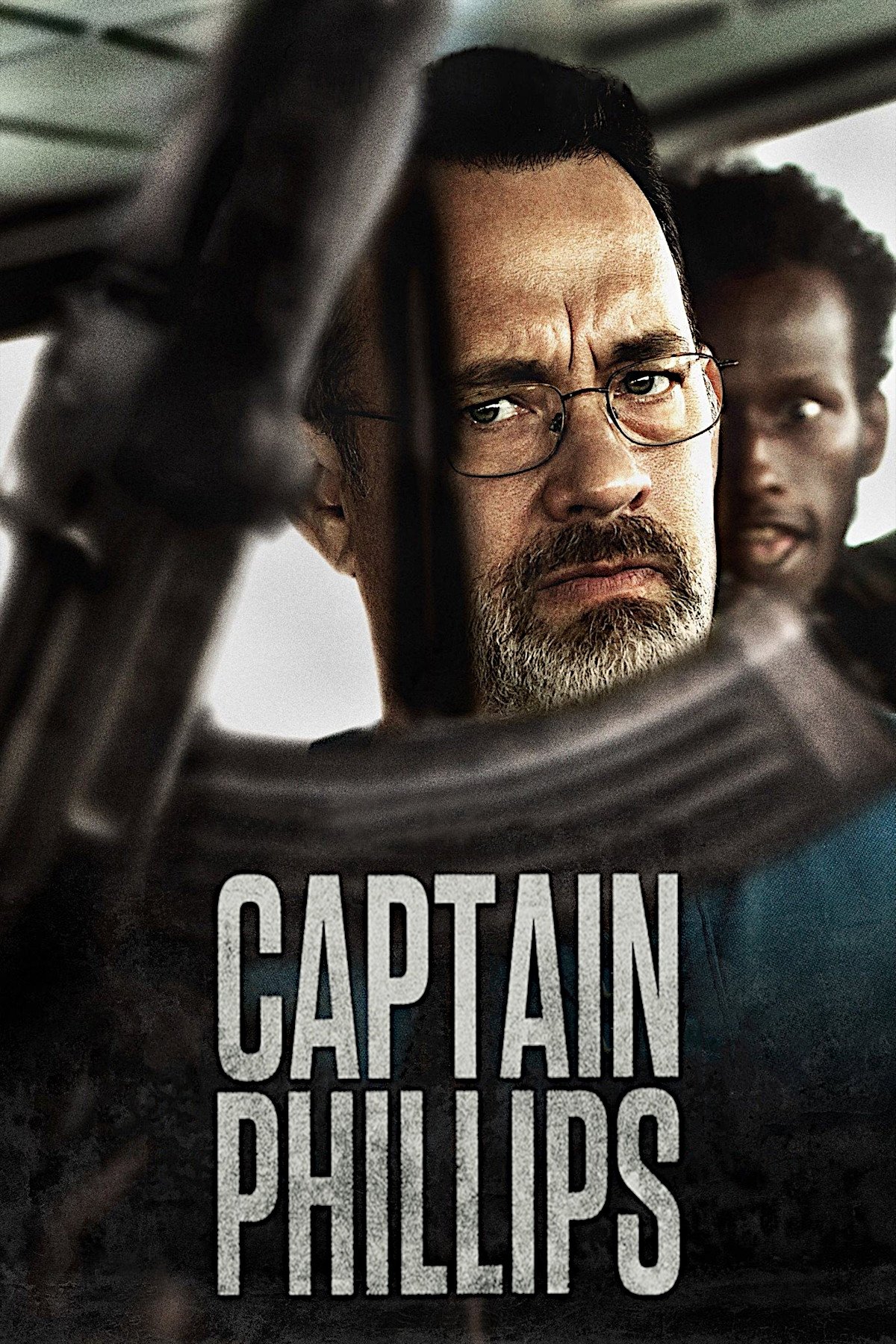
The Genre of This Film
Watching “Captain Phillips,” I was immediately struck by how tightly the film adheres to the core qualities of the thriller genre, specifically the subgenre of the modern survival thriller. From the moment the Maersk Alabama departs port, I found myself submerged in an ever-deepening sense of tension, uncertainty, and escalating threat—core pillars of what I consider a true thriller experience. The story’s devotion to real-time suspense, high-stakes confrontation, and relentless pacing confirmed to me that, above all else, this is a thriller. The film’s use of real-life events as its narrative substrate only intensifies its authenticity, but the very heart of the viewing experience is the way suspense, fear, and resourcefulness dominate every frame. As I watched, the ebb and flow of control between the captain and the hijackers ran like a live wire throughout; for me, this is what cements “Captain Phillips” not merely as a drama or biopic, but most distinctly as an edge-of-your-seat thriller with a harrowing survival edge.
Key Characteristics of the Genre
- Common themes
- Typical visual style
- Narrative structure
- Character archetypes
- Common themes: In my view, what truly characterizes the thriller and survival thriller genres are themes rooted in mortal peril, uncertainty, and the human instinct to survive against all odds. I find that central conflicts are often man-versus-man, man-versus-nature, or man-versus-situation scenarios. In “Captain Phillips,” for instance, the notion of everyday individuals being forced into extraordinary circumstances speaks to a fundamental anxiety: the sudden eruption of chaos into ordinary routine. I’ve noticed in similar films a preoccupation with psychological endurance, resilience, and adaptation, often depicted through escalating dilemmas, ethical quandaries, and shifting balances of power.
- Typical visual style: My appreciation for the modern thriller comes in large part from its kinetic, immersive visual grammar. I often see quick, handheld camerawork, tight close-ups that accentuate facial tension, and a color palette favoring cool, desaturated tones or harsh, high-contrast lighting to underscore unease. In survival thrillers, the environment—often claustrophobic or hostile—becomes an extension of this visual anxiety. I’ve felt the immediacy when a camera ducks behind obstacles, shakes during confrontational scenes, or restricts the audience’s viewpoint, making us complicit in the characters’ fears and uncertainties.
- Narrative structure: I find thrillers build themselves on a narrative architecture of escalation—an initial, often tranquil setup, shattered by a triggering crisis, followed by a series of progressively more dangerous confrontations or decisions. There’s usually little room for protracted exposition; instead, each new development piles fresh tension onto the last, keeping me mentally on edge. The climax, in my experience, is nearly always a race against time or a desperate gamble by the protagonist. Afterwards, the resolution may bring relief, catharsis, or ambiguity, but rarely a sense of uncomplicated victory.
- Character archetypes: When I watch survival thrillers, the protagonist usually emerges as an everyman—someone who is neither a superhero nor a villain, but a person with relatable flaws and limitations forced into leadership or resourcefulness. There’s often a clear antagonist or group with conflicting, sometimes desperate motivations. I’ve observed supporting characters used to highlight moral choices, helplessness, sacrifice, or the unpredictable hazards of crisis. No one feels safe, and even “heroes” are painted with ambiguity and vulnerability.
How This Film Exemplifies the Genre
From the opening frame of “Captain Phillips,” I was compelled by its unflinching devotion to the fundamental attributes of the thriller genre. The film enveloped me in a continuous thrum of anxiety—from the crew’s uneasy anticipation of Somali pirates, to the escalating sense of dread as the armed boarding begins. The director’s use of close-quarters cinematography and Paul Greengrass’s signature handheld camera style intensified each sequence, compounding my own feelings of claustrophobia and entrapment onboard the ship and later within the lifeboat. In my experience, few films so relentlessly maintain suspense at such a high pitch; I could practically feel the sweat and fear along with the characters.
I found the rapidly shifting power dynamics between the captain and the pirate leader especially emblematic of the survival thriller. Both sides, as I saw it, were desperate and improvisational, improvising each exploit as the situation evolved—never allowing either the viewer or the characters to settle for long. The human vulnerability so persistent in every interaction reminded me that, in true thrillers, the protagonists are constantly tested, not simply by their adversaries, but by the hostile environment (in this case, the vast, indifferent ocean). Each act—the initial hijack, the containment, the tense negotiations, and ultimately the dramatic standoff onboard the lifeboat—played out as a masterclass in escalating tension.
What made it most exhilarating for me as a fan of the genre was the film’s economy of character and plot. There were no unnecessary distractions or subplots; every scene exists to crank the anxiety tighter. I found this purposeful focus to be the clearest marker of the thriller’s narrative engine. The pacing is relentless, never straying far from the core struggle for survival and control. Even the moments of apparent stasis throb with potential violence, making me hyperaware of every glance and movement. “Captain Phillips,” in my experience, is a case study in how to distill human desperation and tension into a harrowing, compact, and claustrophobic cinematic experience.
Other Essential Films in This Genre
- “The Hunt for Red October” (1990) – When I think of other films that replicate the high-stakes atmosphere and cat-and-mouse maneuvering of “Captain Phillips,” “The Hunt for Red October” immediately comes to mind. In watching Sean Connery’s renegade submarine captain outwit both friend and foe during the Cold War, I am always struck by the painstaking ratcheting of tension achieved almost entirely through strategy, secrecy, and psychological warfare. Rather than relying on endless action, the film builds suspense through limited visibility, shifting alliances, and the constant threat of catastrophic disaster, which is the essence of the thriller experience for me.
- “United 93” (2006) – This film stands out to me as another hallmark of the survival thriller and real-life suspense genres. I am always gripped by its agonizingly immediate treatment of true events—the hijacking of the United Airlines flight on September 11. Paul Greengrass’s cinéma vérité approach, which he also brought to “Captain Phillips,” traps me in real time with the characters. Ordinary people, traumatized and terrified, desperately try to assert agency in a spiraling crisis. For me, the relentless pacing and emotional realism epitomize what survival thrillers strive to evoke: the unpredictable, chaotic, and deeply human reactions to mortal danger.
- “Argo” (2012) – Whenever I revisit “Argo,” I’m reminded of the genre’s potential to transform historical or political crises into intensely personal struggles for survival. The film immerses me in the perilous game of deception and escape during the Iran hostage crisis, weaving together mounting suspense, subterfuge, and the clock-ticking threat of exposure. For me, “Argo” validates how the survival thriller can thrive in settings ranging from the open sea to foreign embassies—what matters most is how the direction, pacing, and characters stoke continuous anxiety and hope in the viewer.
- “Gravity” (2013) – Although set in outer space, when I watch “Gravity,” I experience a visceral survival narrative that is unmistakably rooted in the same principles as “Captain Phillips.” I am always haunted by the depiction of a lone astronaut fighting environmental hazards and psychological collapse after disaster strikes. The claustrophobic visuals, unyielding tension, and minimal cast distill the genre’s focus on immediate survival, constant improvisation, and mounting vulnerability. For me, “Gravity” demonstrates that survival thrillers need not be earthbound to command raw emotional investment.
Why This Genre Continues to Endure
What keeps me returning to the survival thriller, and what I believe ensures its ongoing popularity among audiences, is its primal capacity to trigger genuine emotional reactions—anxiety, empathy, even a fleeting sense of catharsis. There’s something universal in the depiction of a character (or group) forced to confront an existential threat. When I watch films like “Captain Phillips,” I find myself constantly pondering, “How would I respond in such circumstances?”—a question that blurs the line between fiction and reality, and one that never quite loses its charge no matter how many iterations I encounter.
The genre’s durability, in my view, also lies in its adaptability. Survival thrillers can unfold anywhere: in the open sea, on a hijacked plane, within a malfunctioning space station, or in the labyrinth of urban alleyways. The threats these films explore—whether external, like hostile pirates or a barren environment, or internal, such as fear, doubt, or the potential for betrayal—mirror anxieties that transcend time and geography. For me, a well-crafted survival thriller taps into contemporary fears, yet remains rooted in timeless questions about courage, leadership, loyalty, and morality under pressure. Each film offers a new simulation of crisis, allowing me—and countless others—to test emotional resilience and savor the possibility of triumph against impossible odds.
There is no substitute for the layered tension orchestrated by the thriller genre. When crafted with skill and precision, these films conjure a sense of inescapability and real involvement, making me hyper-aware of my own heartbeat and breath. In those moments, cinema becomes more than a passive spectacle. “Captain Phillips,” among others, validates for me why the thriller genre will always have a powerful pull: it is a genre that doesn’t just show survival—it compels us to live it, moment by moment, alongside its characters.
If you’re interested in how viewers respond beyond technique, you may want to explore audience and critical reception.
🎬 Check out today's best-selling movies on Amazon!
View Deals on Amazon