
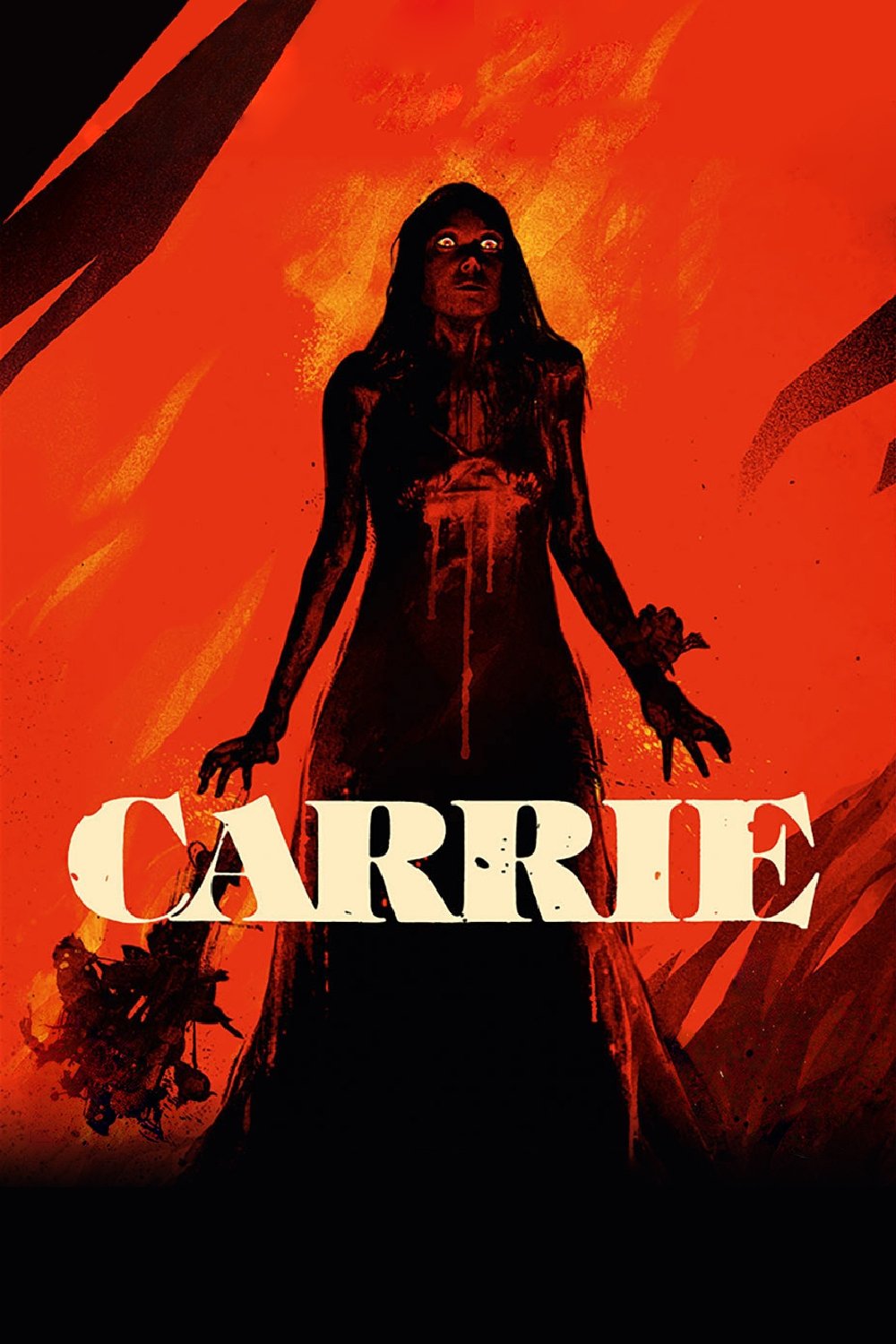
Film Movement Context
As soon as I finish watching “Carrie” (1976), I feel I’m standing at the crossroads of two thunderous cinematic currents—American New Hollywood and the evolutionary wave of post-Vietnam horror and psychological thriller. I see “Carrie” as an emblem of the 1970s American horror renaissance, yet it’s inseparable from the broader tradition of New Hollywood. My attachment to the film’s sensibility makes it clear: this isn’t simply a genre exercise, nor is it just a supernatural melodrama. To me, “Carrie” fundamentally embodies the subversive, auteur-driven experimentation that flourished in New Hollywood. However, it also triggers the pulse of the modern horror movement, particularly the psychological and supernatural horror cycles that began to spread like wildfire in the genre’s second golden age. When I revisit “Carrie,” I recognize it as a knife-edged hybrid: New Hollywood’s psychorealism meeting the expressive, stylized horror evocations that would dominate the late seventies and eighties. In my mind, it stands not just as a product of its time, but as an indispensable junction, daring enough to merge social critique, subjective experience, and genre reinvention all within one blood-soaked prom.
Historical Origins of the Movement
I think it’s impossible to fully appreciate “Carrie” without first immersing myself in the rebellious aura that gave birth to the New Hollywood movement. This era sprang up during the late 1960s, a period when the old studio system was faltering under the weight of cultural revolution, social unrest, and an audience hungry for change. For me, New Hollywood feels like the cinema’s electrified answer to all that turbulence—the youthful, unflinching artistic generation that dared to talk back to its elders. Directors like De Palma, Scorsese, and Coppola, people I view as pioneers, punctured the old moral order and its tidy resolutions. Their work reflected America’s disillusionment after Vietnam, Watergate, and the collapse of the 1960s utopian project. I always sense this ache for authentic emotion and psychological intensity in their films; boundaries were being shattered in terms of style, subject matter, and narrative unpredictability.
But there’s a parallel current riling beneath the surface. In horror, I see an equally profound transformation—less about shock for its own sake, and more about exposing collective anxieties, sexuality, and repression. Starting with films like “Rosemary’s Baby” and “The Exorcist” (landmark texts I turn to often when tracing horror’s evolution), horror became more personal, internal, and symbolic. The supernatural, for me, becomes a vessel for trauma, alienation, and societal dysfunction. The boundaries between reality and the monstrous blur. “Carrie” is stitched from the fabric of these dueling energies—a cinema desperate for new voices, but also for new ways of turning the unspeakable into something visible and visceral.
This Film’s Contribution to the Movement
In my readings and many rewatches, what draws me into “Carrie” as a paradigm-shifting achievement is not simply its gothic shocks, but its fusion of heartfelt subjectivity—those dreamy, slow-motion tracking shots and prismatic color palettes—with horror’s power to unsettle. To me, De Palma is at his most audacious here. I see a director deeply influenced by Hitchcockian technique, but also determined to inject baroque stylization and psychological rawness into every frame. The split-screen climax, dripping in expressionist rupture, is more than a visual effect: it feels like a visual corollary to Carrie’s own psychic fragmentation. No other film of the decade draws me into a troubled adolescent psyche quite this directly, nor with such operatic force.
I consider “Carrie” a turning point, both as a horror icon and as a subversion of teen melodrama. In my analysis, it’s radical in how it merges the banal violence of high school (petty cruelty, social ostracism, sexual awakening) with the cosmic scale of supernatural terror. The fact that De Palma lets so much of the film simmer as a character study, before detonating the horror, always impresses me. The prom sequence in particular, with its ritualistic beauty and terror, symbolizes for me New Hollywood’s willingness to use style for psychological effect, rather than just formal flair. Sissy Spacek’s performance remains seared in my imagination—her vulnerability and rage transcending the boundaries of genre, speaking to the deeper wounds of marginalization and repression.
“Carrie” also advances the supernatural horror cycle by making the supernatural not just an outside force, but an extension of an interior world—I can’t help but read Carrie’s telekinesis as a metaphor for every pent-up emotion, every humiliation set to boil over. The film’s willingness to merge subjective perception with overt spectacle—the slow-motion, the use of score, even the infamous final shock—signals to me a new era where horror could be both stylized and deeply personal. This is an auteur’s horror, not merely a studio pastiche. “Carrie” gave filmmakers permission to inject psychological complexity and visual virtuosity into tales that might otherwise have remained B-movie fodder.
Influence on Later Genres and Films
- Redefining the Teen Horror Film – I can trace a direct line from “Carrie” to the explosion of teen-centered horror and supernatural cinema that followed. For me, “Carrie” is responsible for legitimizing the fusion of high school melodrama with horror—films like “A Nightmare on Elm Street,” “Heathers,” and even “Scream” all borrow this blueprint. The pain, confusion, and violence of adolescence suddenly became fertile ground for genre cinema, not just drama. I find the duality of innocence and impending doom in these later films owes everything to “Carrie’s” groundbreaking structure and tone.
- Everyday Trauma as Horror – One influence I see everywhere—from the psychological horror of the 1980s, to the so-called “elevated horror” of the 21st century—is “Carrie’s” focus on inner anguish. The film made it viable, even desirable, for future directors to root the supernatural in domestic trauma, bullying, or dysfunctional families. I’m constantly reminded of “Carrie” when I see works like “Hereditary,” “The Babadook,” or “It Follows,” where personal, internalized dread becomes the locus of terror.
- Visual Technique as Subjective Experience – De Palma’s use of split screen, swirling slow motion, and melodramatic score didn’t just show off technical wizardry; they pulled me inside the character’s consciousness. Horror films after “Carrie”—from “The Shining” to “Donnie Darko” to “Stranger Things”—have borrowed this approach, constructing environments where style accentuates the inner lives of doomed or misunderstood protagonists. For me, this legacy is clear in how contemporary filmmakers use formal excess to make subjective experience palpable, rather than relegating style to the background.
The Movement’s Lasting Impact
When I think about why the New Hollywood movement and the horror renaissance of the 1970s still matter, it’s never just nostalgia for a more “authentic” cinema, though that temptation is real. The legacy that grips me is the movement’s refusal to surrender complexity—emotional, psychological, and stylistic—for easy answers or commercial safety. “Carrie” remains a signpost for me, a film that refuses to simplify adolescence or demonize difference. The reason I keep returning to this movement is its ethical and aesthetic risk: these were films—and “Carrie” most of all—that stared directly at the wounds of American life and made them not only visible but agonizingly beautiful.
The trauma, isolation, and anger that surge through “Carrie” are not safely contained. I’m reminded every time that these films changed how audiences are allowed to feel—horror no longer had to be about faceless monsters or distant threats, but could reflect the quiet terror of existing in a hostile world. This movement shattered boundaries between genre and arthouse, between personal subjectivity and mass entertainment. For me, the hybrid energies of New Hollywood and the emergent American horror tradition solidified a freedom—one that contemporary directors still draw from liberally. The enduring power of these movements lies, I believe, in their audacity: a commitment to formal adventure, emotional honesty, and the stubborn refusal to let art go quietly into the night.
To connect style and technique with broader context, you may find these perspectives useful.
🎬 Check out today's best-selling movies on Amazon!
View Deals on Amazon