
Film Movement Context
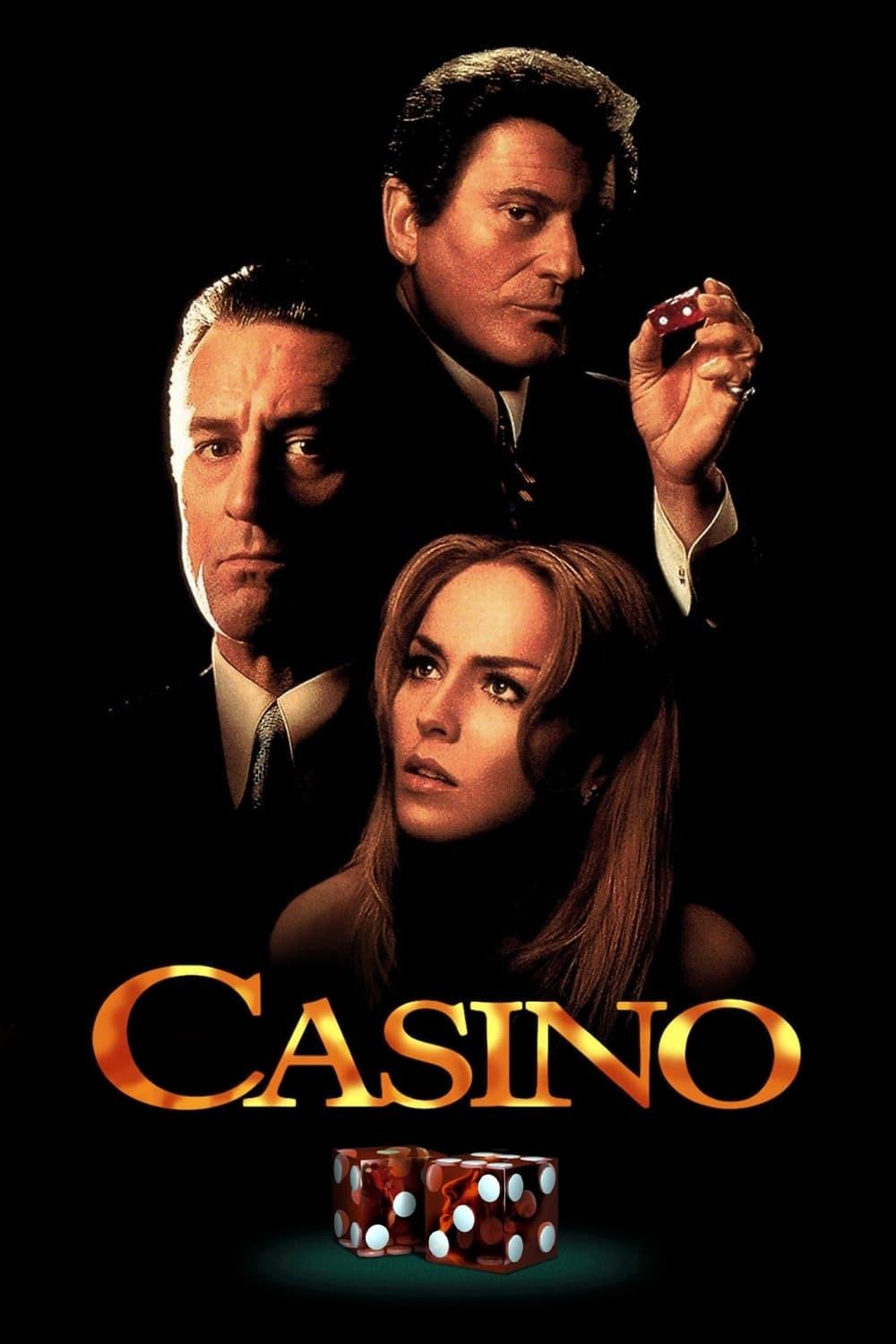
When I first watched “Casino” (1995), what struck me was not only its unrelenting depiction of crime and corruption, but a sweeping sense of fatalism woven into every gilded frame. For me, “Casino” sits squarely within the wave of late 20th-century American crime cinema, yet if I had to pinpoint its movement, I see it as a potent representative of American Neo-Noir. While classic Noir belongs to a time of smoky black-and-white fatalism, I recognize Neo-Noir by its contemporary urban settings, psychological complexity, and the way it asks viewers to question the very morality of its protagonists. “Casino,” in my reading, channels the shadowy style and existential weight of Noir but drapes everything in the excess and color of post-studio-era Las Vegas. Martin Scorsese’s approach is inseparable from the heritage of auteur-driven American filmmaking that emerged in the 1970s. For me, it’s this blend—Neo-Noir sensibility merged with the personal, reflexive lens of New Hollywood—that defines the film’s broader movement context. As I revisit “Casino,” I find myself unraveling not only the alluring artifice of the casinos themselves, but also a meditation on the lure and cost of ambition, something at the very heart of Neo-Noir’s preoccupations.
Historical Origins of the Movement
When I trace Neo-Noir’s roots, I’m always drawn back to the volatile years following World War II, where classic Noir was shaped by a nation grappling with uncertainty and shifting values. Those shadowy, moody films of the 1940s and 1950s—movies like “Double Indemnity” or “Out of the Past”—distilled an age of disillusionment, using stark lighting and doomed narrators to communicate paranoia, guilt, and existential malaise. However, as Hollywood’s golden age faded, so too did the overt stylistic codes of Noir, only to be rediscovered and transformed by later filmmakers. In my view, Neo-Noir emerges out of this legacy, absorbing the genre’s cynicism but reframing it within a modern American context.
The late 1960s and 1970s—a period I frequently return to in cinema history—offered both technological innovation and a hunger for new perspectives. Directors like Scorsese, Coppola, and Altman, shaped by the collapse of the Production Code and the impact of foreign New Waves (especially the French New Wave’s improvisational style), began making films that foregrounded moral ambiguity and subjectivity. In this environment, Neo-Noir thrived because it let filmmakers dig deeper into the psychology of their characters, placing them in a society ripe with institutional corruption and personal longing. I find Neo-Noir’s emergence intimately bound to a broader cultural skepticism: a sense that stable narratives and tidy resolutions were illusions, replaced by the hard-edged complexity of real life. In Hollywood’s new terrain, the archetypal ‘private eye’ evolved into criminals, lawyers, and outcasts—protagonists who might be more suspect than heroic. For me, Neo-Noir represents both homage and critique, an ongoing conversation with Noir’s past as well as a profound commentary on changing American dreams.
This Film’s Contribution to the Movement
Rewatching “Casino,” I’m always astounded by how Scorsese manipulates Neo-Noir elements to both romanticize and brutally deconstruct the American casino dream. What compels me is how the film situates its characters—Ace Rothstein, Nicky Santoro, and Ginger McKenna—within a world where every interaction is a gamble, both literally and metaphorically. In my interpretation, the opulence of the casino floor is the movement’s iconography in vivid color, with neon glitz standing in for Noir’s chiaroscuro shadows. Yet beneath the spectacle lies the classical absence of hope that defines Noir and its descendants. The characters’ ambitions are thwarted not by external forces, but by flaws deeply etched into their identities.
For me, what distinguishes “Casino” within Neo-Noir—and why I find it so significant—is how it expands the genre’s visual and thematic vocabulary. Scorsese’s camera rarely stands still, gliding through labyrinthine casinos and backrooms as if following the tremors of fate. This dynamism is unmistakably modern, but the sense of doom that settles over every deal reminds me of Noir’s obsession with inevitable downfall. The omnipresent narration from both Ace and Nicky is crucial here: their voices offer cynical, contradictory perspectives, making me question not only the accuracy of the narrative but the very nature of truth in this universe. Such subjective storytelling is a hallmark of Neo-Noir; it draws me into the unreliable POV of deeply compromised players.
I also see “Casino” pushing the genre by making violence urgent, chaotic, and utterly unromantic. Unlike earlier crime films that sometimes relished gangster mythology, this film’s brutal set-pieces—executions, betrayals, and domestic violence—feel as disorienting and ugly as moral collapse itself. In weaving together the economic lifeblood of Las Vegas with personal disintegration, Scorsese extends Neo-Noir’s interest in institutions and systems, suggesting that entire cities, even nations, can be complicit. Watching “Casino,” I’m forced to confront not only individual downfall, but the collapse of a mythic American order, which feels like the most potent gift Neo-Noir can offer to genre evolution.
In summary, my relationship with “Casino” is as much emotional as intellectual: it seduces me with spectacle, then relentlessly exposes the ruin beneath. The film is both an extension and a critique of Neo-Noir, and in this tension, I locate its most lasting contribution to the movement.
Influence on Later Genres and Films
-
Influence 1 – Explanation
As I reflect on the years since “Casino” entered the canon, I constantly notice how its subjective narration and multi-perspective structure ripple through later crime films and prestige television. “The Sopranos,” for instance, channels “Casino’s” use of voiceover and psychological interiority—inviting me deeper into the minds of characters I find both reprehensible and tragically human. The unreliable, self-justifying narration in “Casino” makes me aware of how much of onscreen ‘reality’ is shaped by those telling the story, and I see this device replicated, with variations, in shows like “Boardwalk Empire” and “Breaking Bad,” both of which build on Neo-Noir’s toolkit to scrutinize the criminal psyche. -
Influence 2 – Explanation
One impact that resonates with me is how Scorsese’s stylized violence—simultaneously operatic and shocking—has emboldened filmmakers to show criminal underworlds stripped of glamour. Directors such as Paul Thomas Anderson in “There Will Be Blood” or Ben Affleck in “Gone Baby Gone” evoke a similar visceral brutality. Watching these films, I feel echoes of “Casino” in their willingness to maintain narrative tension while refusing to sanitize the ugliness of crime. These directors blend Neo-Noir’s fatalism with the unvarnished rawness that “Casino” so memorably realized, making contemporary crime tales unsettling and plausible. -
Influence 3 – Explanation
I find “Casino’s” impact most revolutionary in how it reworks gender dynamics. Rather than casting its lone female character, Ginger, as a classic femme fatale, Scorsese crafts a deeply flawed, tragic figure whose arc refuses to conform to old genre archetypes. This more psychologically nuanced treatment—her addiction, autonomy, and volatility—paved the way for more complicated female characters in crime narratives, from “Mulholland Drive” to “Killing Eve.” I see Ginger’s journey as an early step toward the subversion of genre stereotypes; writers and directors who followed used this groundwork to grant women both narrative agency and ambiguity.
The Movement’s Lasting Impact
For me, the influence of Neo-Noir, embodied in films like “Casino,” lingers because the questions it asks remain pointed and unresolved. Why do people, even at their most powerful, sabotage themselves? How does the glitter of modern life mask deep rot? Every time I teach or write about Neo-Noir, I find myself returning to that core tension—between fortune and doom, between agency and fate. What I find especially urgent is how the movement refuses the comfort of closure: there are no neat moral victories, just layers of perspective, misjudgment, and despair. Watching “Casino” with new eyes, I always encounter not just the story of a lost empire, but a prism through which to interrogate contemporary anxieties—about power, greed, and truth itself.
Neo-Noir’s legacy is, for me, bound up in its adaptability. Whether grafted onto tales of high finance, politics, or suburban malaise, the movement’s techniques—subjective narration, expressive visual design, and an unyielding sense of existential dread—continue to animate some of the most compelling films and series in recent decades. Its refusal to let viewers off the hook, to expose every character and institution as compromised, provides a durable framework for studying the dark undercurrents of modern life. In my experience, “Casino” remains essential viewing not only for its technical bravura, but because it insists that every utopia—be it Las Vegas or the American dream itself—carries the seeds of its own undoing.
To connect style and technique with broader context, you may find these perspectives useful.
🎬 Check out today's best-selling movies on Amazon!
View Deals on Amazon