
The Genre of This Film
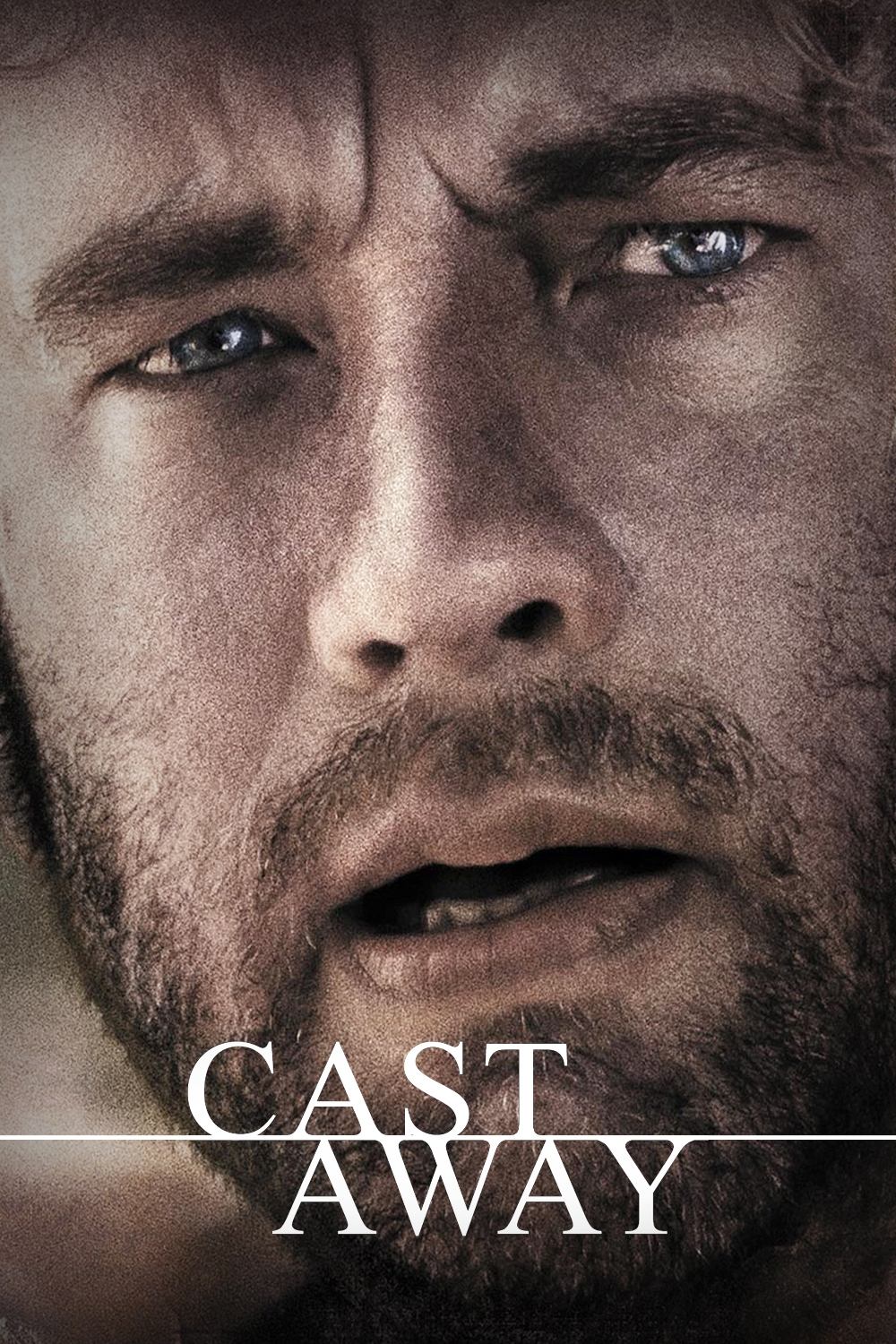
There is something deeply emblematic, almost primal, about watching “Cast Away.” When I first encountered this film, I immediately recognized it as part of the Survival Drama genre. To me, the core of “Cast Away” dwells not just within the storyline of a man stranded alone, but within the very essence of what defines survival drama itself—a relentless confrontation with nature, and, ultimately, oneself. Why do I see it so firmly grounded in this genre? “Cast Away” thrusts its protagonist—portrayed with sparse, aching vulnerability by Tom Hanks—into a raw and unyielding environment, stripping away every usual crutch of civilization and routine. Its narrative hinges on the challenge to endure against overwhelming odds, giving me that unmistakable sense that I was experiencing the purest form of a survival drama, rather than a conventional adventure or action film. Here, the spectacle gives way to introspection, and the struggle is as much internal as physical.
Key Characteristics of the Genre
- Common themes
- Typical visual style
- Narrative structure
- Character archetypes
I’ve always seen survival drama as a genre circling around a clutch of powerful, enduring ideas. At the heart, stories like these force us to confront isolation, self-reliance, and the urge to continue against hopelessness. Themes of resilience, resourcefulness, and adaptability run through every fiber of the plot. I find existential questions—“Who am I when there’s no one else?” “What do I need to keep going?”—echoing persistently. Inevitably, these films reflect on the human relationship to the wild, the boundaries of sanity, and the very nature of identity.
Whenever I delve into survival dramas, I’m consistently struck by their visual austerity. Cinematography prioritizes the environment—sweeping landscapes, relentless weather, sometimes claustrophobic solitude. The camera lingers on faces, hands, or wounds, asking me to notice each flinch, smile, or moment of frustration. Lighting is often naturalistic, trading studio gloss for the unpredictable light of sun, fire, or storm. I see a deliberate sparseness in the visual palette—props, costumes, and even settings are pared down to essentials, emphasizing vulnerability.
I’ve noticed that survival dramas rarely follow linear, fast-paced arcs found in many genres. The pacing is frequently methodical and unhurried, mimicking the protagonist’s drawn-out ordeal. The story begins with a disruptive event—a crash, a shipwreck, a lost way—followed by a series of escalating setbacks and moments of small triumph. Flashbacks or internal monologues are common, helping me understand the protagonist’s past or inner state. The resolution nearly always centers on escape, rescue, or, most profoundly, acceptance of a new reality.
To me, survival dramas are less about ensemble casts and more about deeply individualized character studies. The solitary survivor is the fulcrum, typically ordinary before catastrophe, not an overt hero. Supporting roles may appear as antagonistic forces (nature, animals, even hallucinations), or, rarely, as brief companions. Objects often take on the weight of characters themselves. I’m fascinated by how these films explore transformation, showing frailty alongside ingenuity and courage existing beside despair.
How This Film Exemplifies the Genre
“Cast Away” stands as a towering example of survival drama in my mind because it abandons Hollywood pyrotechnics right at the start, choosing instead to bottle the audience inside its protagonist’s desperate, reverberating silence. I watched as Chuck Noland underwent a complete psychic and physical transformation, forced by isolation to strip himself down to the core needs of food, shelter, hope, and meaning. The film’s pacing echoed the monotony and terror of castaway survival—weeks measured by single moments, time sliding by without punctuation. I remember feeling the oppressive weight of every sun-bleached day and stormy night, not through a grand score or excessive dialogue, but through the sheer stillness and repetition that mimicked the protagonist’s world. The environment—audibly windy beaches, relentless sun, gnawing hunger—became the film’s antagonist, its scale dwarfing Chuck’s small, almost pitiful attempts at progress.
When I think of the genre’s visual language, “Cast Away” is etched in my memory for its embracing of the stark and the raw. The island never feels mythic or exaggerated. Instead, each frame courts realism: cracked skin, broken tools, the endless blue. I appreciate how the director, Robert Zemeckis, allowed unused objects—like Wilson, a volleyball— to transform into crucial ‘characters’. These objects aren’t mere props, but conduits for the protagonist’s mental state. It’s an approach I see time and again in great survival dramas: physical environment and inanimate things serve as mirrors, amplifying the most private struggles. I felt the tension ramp up when Chuck’s every attempt at escape was foiled by tidal forces or failing tools, illustrating the genre’s central conflict between human adaptation and the indifference of nature.
The narrative’s emotional arc, for me, resonates far beyond simple suspense or adventure. Survival dramas are defined by how they bring the audience face to face with the protagonist’s breaking points. I found myself absorbed—sometimes uncomfortably—by Chuck’s oscillation between frantic hope and utter resignation. His progression from panic to hard-won routine was drawn with agonizing patience: I watched him measure time by the marks he made, invent rituals to stave off madness, and grasp at the most meager remnants of connection, such as the handprint on Wilson. Instead of providing cheap heroics, the film afforded me an intricate study of nearly complete psychological unraveling, then, after long endurance, gradual rebuilding. The film delivered the genre’s promise: to reveal what remains when everything else is lost.
Other Essential Films in This Genre
- All Is Lost (2013) – When I reflect on contemporary survival dramas, “All Is Lost” immediately leaps to mind. In this film, Robert Redford portrays a lone sailor facing disaster in the open sea. It’s the epitome of minimalism—almost no dialogue, relentless focus on resourcefulness—and it echoes the same existential isolation that “Cast Away” explores. The open ocean, like the deserted island, becomes the ultimate test of willpower and ingenuity, with every creak of the boat a looming threat. I appreciate how it lets the audience dwell in silence, accentuating every minor setback and every small victory, turning the protagonist’s struggle into something almost meditative.
- The Revenant (2015) – When I experienced “The Revenant,” I was struck by its near-mythic scope combined with a grueling attention to physical and emotional suffering. Leonardo DiCaprio’s character endures mutilation, abandonment, and the excruciating cold of the American wilderness. While it has historical and revenge elements, at its core I saw it as a visceral survival story. The brutal landscapes and persistent threats—human and environmental—mirror the existential and physical ordeal witnessed in “Cast Away.” It’s a film I return to when I want to probe the limits of stamina, both physical and moral, framed by the absolute indifference of nature.
- 127 Hours (2010) – I place “127 Hours” among the most harrowing entries in the survival drama tradition. Its central figure—a real-life canyoneer trapped by a boulder—spends the vast majority of screen time alone. I find the film’s power in its intimate focus on psychological fortitude, hallucination, memory, and self-amputation as tools of endurance. The genre is known for relentless internal focus, and this film pushed that introspection to an extreme. As in “Cast Away,” I felt every tick of the clock, every futile attempt at escape, and every fragment of hope weighed against the misery of reality.
- The Martian (2015) – Although born out of science fiction, “The Martian” is, to me, a classic survival drama transplanted onto a Martian landscape. Matt Damon’s astronaut is forced to rely on engineering skills, humor, and mental strength when abandoned on a hostile world. While its tone is lighter than many of its genre peers, it taps the same vein—solitude, resourcefulness, problem-solving, and the existential dread of being truly alone. I find its optimism distinctive, yet its narrative shares the genre-defining tension between desperate circumstance and determined human reaction.
Why This Genre Continues to Endure
For me, survival dramas remain perennially magnetic because they ask the most timeless question: “What would I do?” I find myself projecting into every harrowing scenario, examining my own limits and fears. The genre’s appeal is in its raw honesty—the stripping away of technology, social roles, and comfort to force a reckoning with the barest essentials. While the surface struggle may be against sharks, storms, or starvation, I’m always more fascinated by how these stories search for meaning under duress. Survival dramas, I think, let us vicariously practice resilience in a world where danger or isolation is often distant or abstract. They tap into a basic psychological need: to discover whether hope and perseverance can really overcome utter adversity.
I gravitate toward these films not only because of the tension and suspense, but for their meditative, solitary qualities—they invite reflection about the nature of time, memory, and change. I also believe the genre’s visual intimacy and pared-back soundscapes create an immersive experience in ways that few other genres can. I’m constantly reminded that these survival stories, despite their bleakness, are often celebrations of the stubborn capacity of the human spirit. Whether the protagonist survives or is defeated, I always finish a survival drama with new respect for our collective instinct to keep going, long after all odds say it’s impossible.
If you’re interested in how viewers respond beyond technique, you may want to explore audience and critical reception.
🎬 Check out today's best-selling movies on Amazon!
View Deals on Amazon