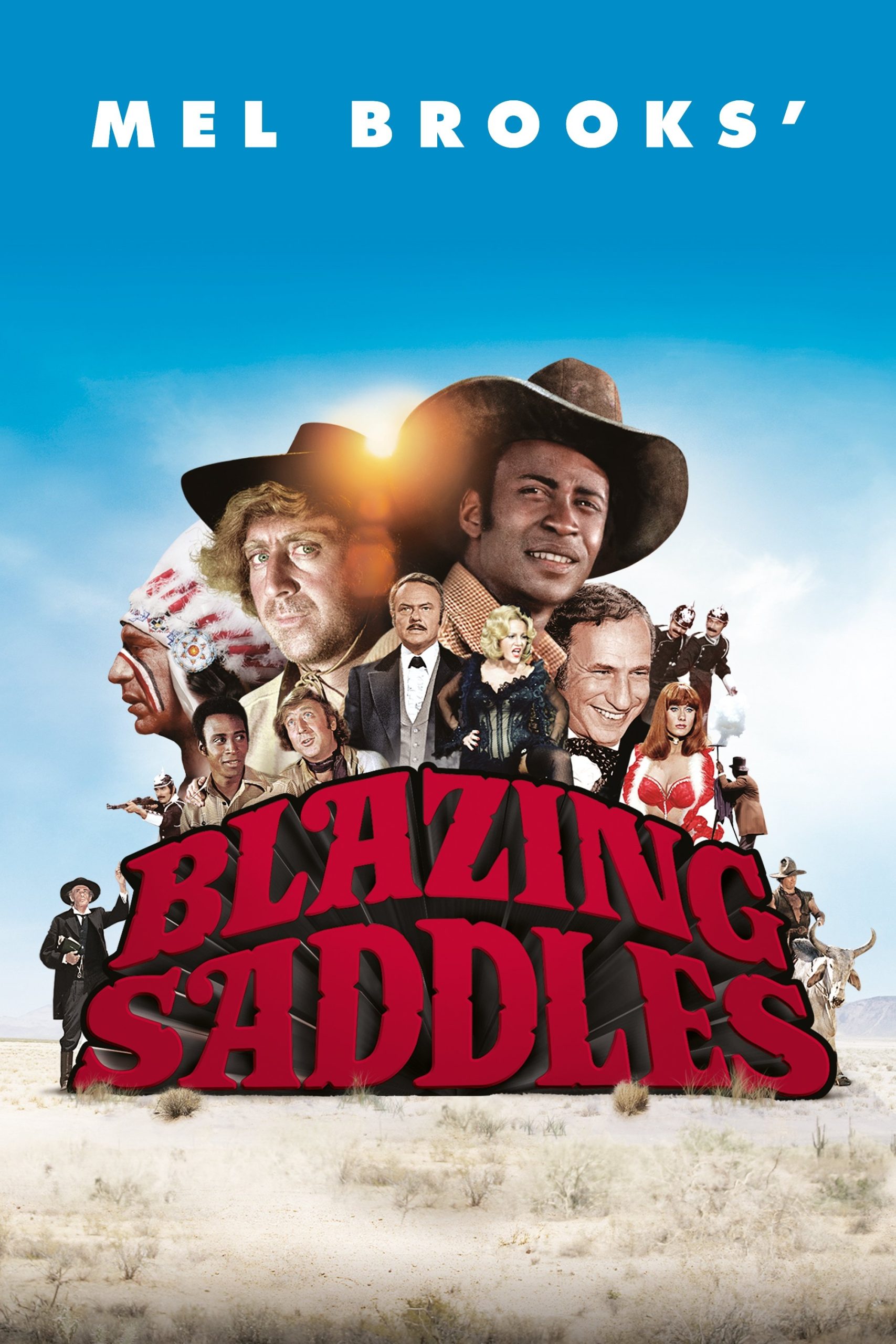
Blazing Saddles (1974)

Blazing Saddles.jpg

Film Movement Context Whenever I return to “Blazing Saddles,” it feels like I’m opening a time capsule from the irreverent cinematic revolution of the 1970s. To me, the film is inseparable from the New Hollywood movement, but what’s most compelling is how deeply it draws from and skewers the traditions of both the revisionist Western … Read more


Blade Runner (1982)

Blade Runner.jpg

Film Movement Context Every time I rewatch Blade Runner (1982), I’m struck not just by its vision of the future, but by how its formal and thematic choices echo the lineage of cinematic movements that came before. For me, Blade Runner doesn’t merely belong to one movement – it sits at an evocative crossroads, but … Read more

Black Swan (2010)

Black Swan.jpg

Film Movement Context Whenever I revisit Darren Aronofsky’s “Black Swan,” I inevitably find myself pulled into a swirling undertow of identity, obsession, and reality-bending psychology. For me, this isn’t just a film about ballet or art. Instead, it exemplifies the deeply subjective territory of psychological horror closely tethered to the American independent film movement of … Read more

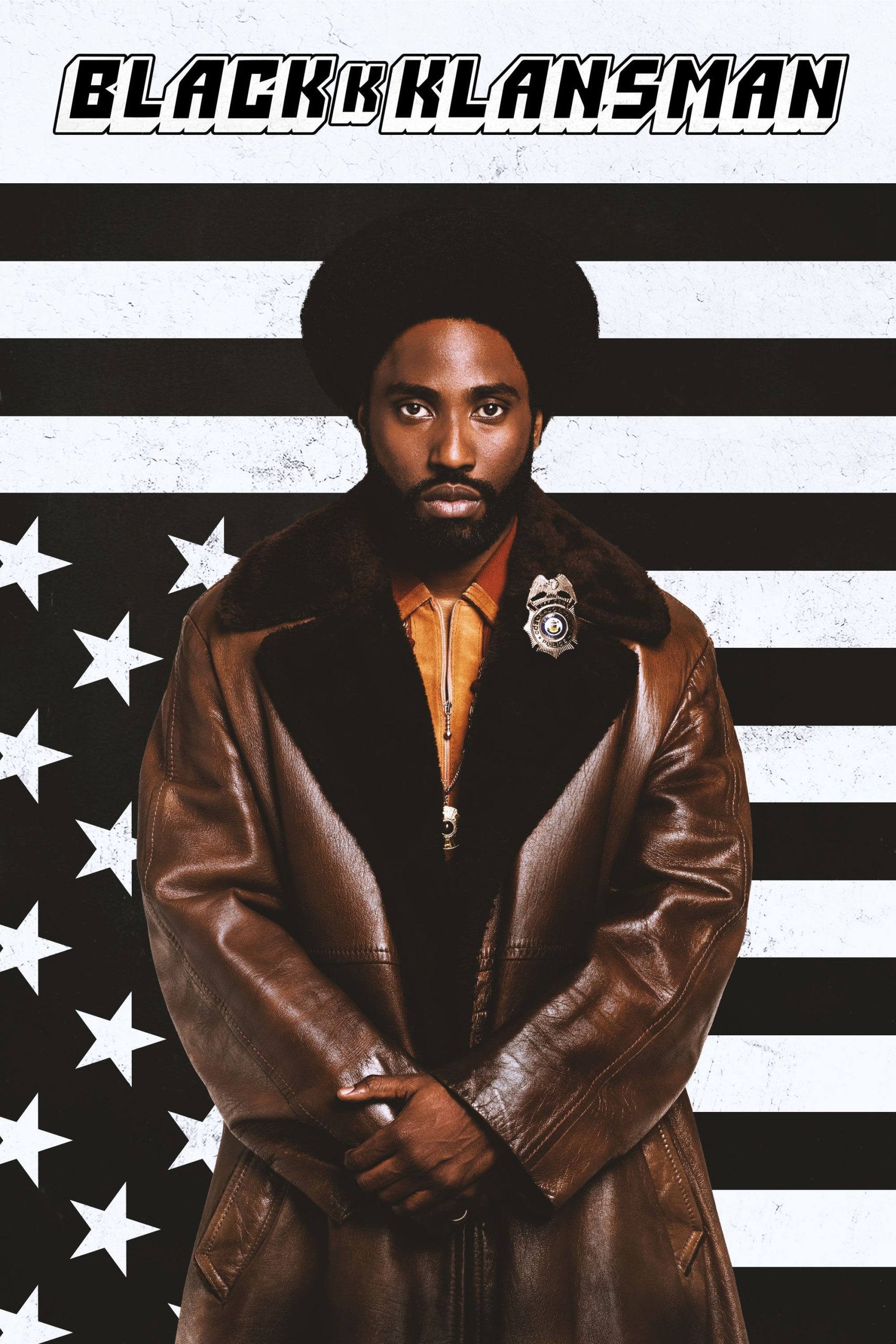
BlacKkKlansman (2018)

BlacKkKlansman.jpg

Film Movement Context What continually draws me back to BlacKkKlansman is that uneasy cocktail of anger and satire I can only associate with the late-wave resurgence of American political cinema. If I had to locate it within a single movement, I’d say it is part of the contemporary revival of the “New Black Cinema” tradition—a … Read more

Billy Elliot (2000)

Billy Elliot.jpg

Film Movement Context Whenever I rewatch Billy Elliot, I’m transported back to a period of British cinema that felt raw, immediate, and deeply alive: the era of what I personally identify as the British social realist revival at the turn of the millennium. I situate Billy Elliot firmly within this movement, and each time I … Read more

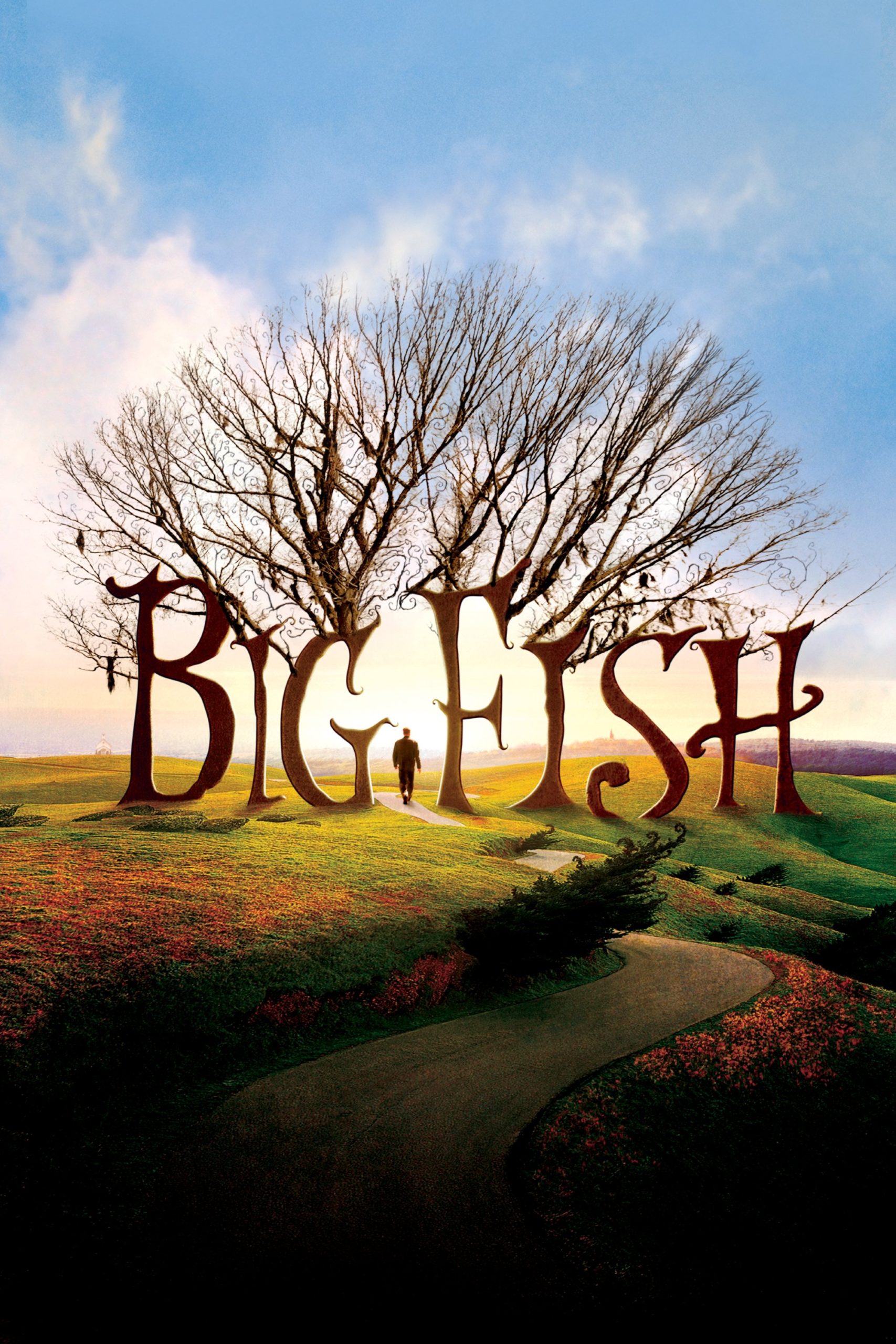
Big Fish (2003)

Big Fish.jpg

Film Movement Context I remember my first experience with Tim Burton’s Big Fish as more than a standard movie viewing; it felt like I was stepping into a realm where the boundary between lived experience and imaginative storytelling dissolved entirely. For me, Big Fish stands unmistakably within the American tradition of magical realism, but it … Read more

Ben-Hur (1959)

Ben Hur.jpg

Film Movement Context The first time I encountered “Ben-Hur” (1959) on the big screen, I was simultaneously awestruck and intellectually curious—there was something about its sweeping visual grandeur and moral clarity that set it apart from any standard Hollywood fare. In my view, this film is inextricably woven into the tradition of the Classic Hollywood … Read more

Before Sunset (2004)

Before Sunset.jpg

Film Movement Context Whenever I return to Before Sunset, I find myself swept up not only by its poignant depiction of fleeting connection but also by its profound alignment with a very particular strand of European—and especially French—cinematic tradition. While it’s tempting to see the film purely as a romantic drama or even a highly … Read more

Batman Begins and the Rise of the Gritty Reboot Movement

sPX89Td70IDDjVr85jdSBb4rWGr scaled

Film Movement Context Looking back on my first viewing of Batman Begins, I didn’t just see a darker, moodier take on a familiar superhero. Instead, I recognized a radical shift: the film so clearly grounds itself in the tradition of post-9/11 neo-noir and the broader movement of the “gritty reboot”—a movement crystallizing in the early … Read more

Barry Lyndon Analysis: Stanley Kubrick’s Visual Masterpiece and Historical Realism

znfLskGQnXYB2xcOGM9eInRHPAV

Film Movement Context From the moment Barry Lyndon’s meticulously painted landscapes unfurl before my eyes, I feel as if I’m drawn into the mathematical precision and emotional detachment of a certain cinematic tradition: the European Art Cinema of the 1970s, laced significantly with unmistakable elements of New Hollywood sensibility. While many people might slot “Barry … Read more