
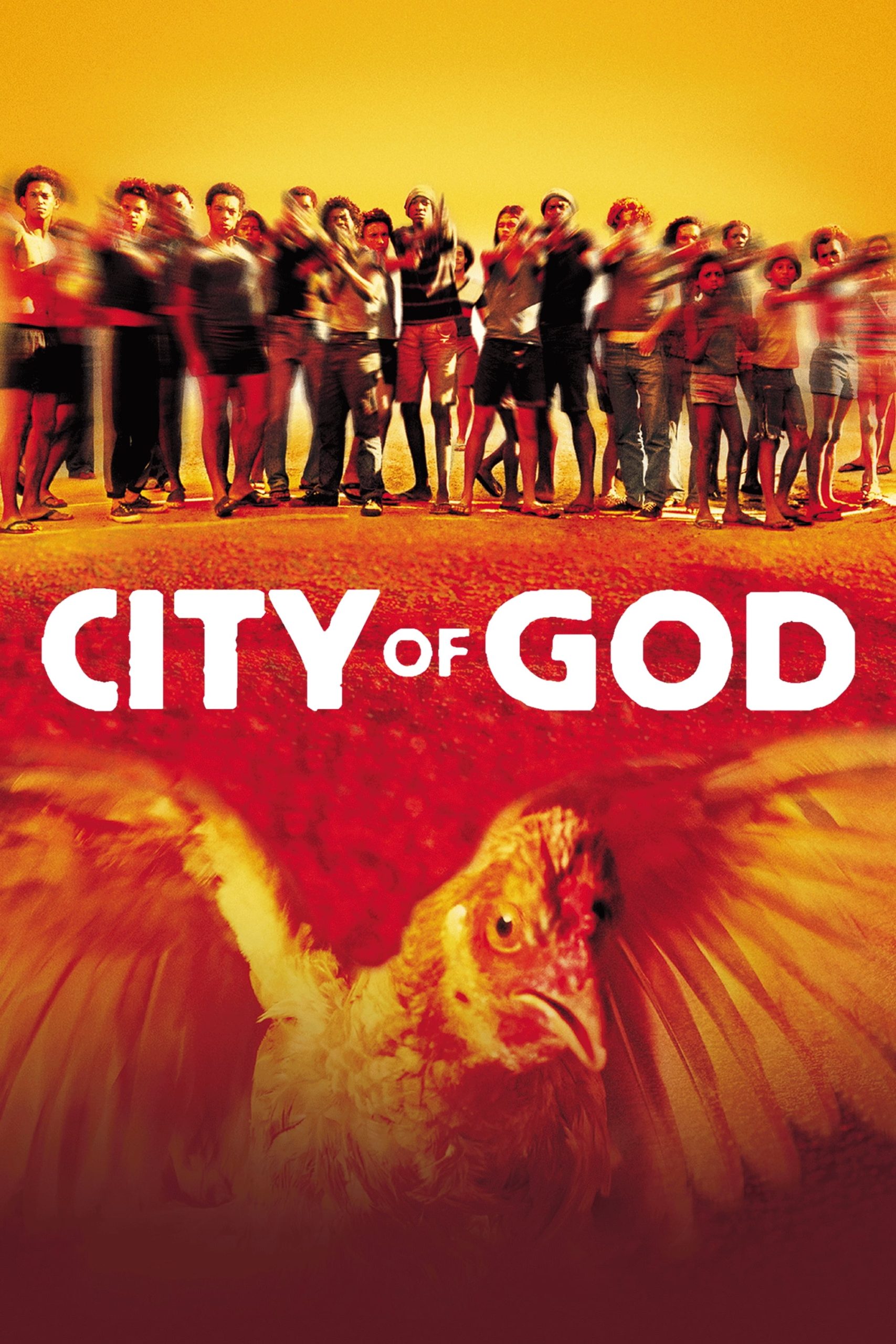
The Genre of This Film
Whenever I think back to my first raw encounter with “City of God,” I’m struck less by its story specifics than by the visceral sensations it left behind. In my eyes, this film sits most distinctly in the crime drama genre, with an added edge of coming-of-age, but it is the crime drama aspect that dominates my interpretation. Why do I so clearly put it here? Because every frame throbs with the pulse of organized crime, street violence, survival, and the shifting codes of an underworld society. The movie throws me headlong into a relentless depiction of lawlessness and its human consequences, holding nothing back. More than once, I found myself thinking of other urban crime dramas—but “City of God” brings its own force: it doesn’t just chronicle criminal acts, it immerses me in the social ecosystem that breeds and perpetuates them. The thematic focus on the evolution of young lives amid chaos, the detailed portrayal of criminal hierarchies, and the kinetic, almost documentary-like aesthetic all scream crime drama to me. This isn’t just a story set somewhere dangerous; it explores the machinery of crime—how it molds people and communities—placing it precisely within this genre.
Key Characteristics of the Genre
- Common themes: From my perspective, the crime drama genre gravitates naturally toward explorations of power, morality, betrayal, survival, and ambition, often set against a backdrop of social or political turmoil. The struggle between authority and disorder is a constant, but what always grabs me the most is the ambiguous line between criminality and innocence. I often see stories drawing sharp contrasts between the agency of the powerless and the ruthlessness of those who seize power. Betrayal among allies, the harrowing choices forced upon characters, and a sense of tragic inevitability form the genre’s backbone. The heart of a crime drama lies not just in criminal acts, but in the ethical dilemmas that flow from them—choices that reveal who these people are beneath the surface of violence.
- Typical visual style: When I conjure up the visual language of a crime drama, I see a gritty, grounded realism. There’s an unvarnished look—shaky handheld shots, muted or earthy colors, worn-down settings. Shadows are deep and alleyways menacing in many Western films, but “City of God” offers the sun-baked, faded tones of Brazil’s favelas, and that still fits perfectly with the genre’s emphasis on location as destiny. I notice a kinetic camera, quick cuts, and fluid movements—inviting me to feel the anxiety, unpredictability, and escalation of the criminal world. Lighting can swing between natural daylight, which exposes every flaw and wound, and the harsher, artificial bulbs of interiors, which sharpen the atmosphere of danger. The messiness of real life, stripped of glamour, dominates this visual world.
- Narrative structure: I’ve always found the crime drama genre fascinating in how it plays with narrative techniques—sometimes sticking to a chronological telling, but more often embracing fragmentation. Nonlinear storytelling, multiple intersecting storylines, and a reliance on voiceover narration seem to be favored tools. These methods let me dig into different characters’ perspectives, tracing their moral arcs as fate and choice entwine. The destination is often clear—whether it’s downfall, redemption, or escape—but the route is jagged and unpredictable. Shifts in timeline serve to heighten suspense and create juxtapositions that strike me on a visceral level.
- Character archetypes: Certain character types crop up over and over in the crime drama universe, which I find endlessly compelling. There are the ruthless kingpins, haunted antiheroes, crooked authority figures, and wide-eyed newcomers looking for their place. Sometimes I root for the desperate upstart or empathize with the doomed enforcer, but what connects them all is a feeling of being shaped—or deformed—by circumstance. Often, there’s a figure who yearns to escape, or one who takes on the role of reluctant chronicler. Loyalty, treachery, and ambition animate these characters, creating a volatile and morally gray cast that mirrors the unpredictability of the world they inhabit.
How This Film Exemplifies the Genre
To me, “City of God” isn’t just a good example of the crime drama—it’s one of the defining statements of the genre’s international reach and transformative power. When I watch it, I feel as though I’ve been invited into a real and terrifying world; the line between fiction and documentary feels razor-thin. The crime drama elements are everywhere. The film plunges right into the labyrinth of organized crime—a network not just of criminals, but of warring factions, shifting alliances, and generations shaped by violence. This isn’t a movie about lawmen chasing bandits; it’s an intricate portrait of a social world where crime is the fabric of daily existence. I’m drawn into power struggles and turf wars, all unfolding in relentless, kinetic energy.
The thematic heart of the film is unambiguously crime drama—cycles of violence, shifting hierarchies, and the tragic resignation that so many characters seem to accept as inevitable. What shakes me, every time, is how the movie fuses the sweep of the gangster epic with the emotional specificity of personal stories. The choice to anchor the story through Rocket’s eyes—an outsider who becomes our guide—connects me to the emotion of the world even as I witness its brutality. The escalation from petty theft to organized gang warfare makes me think of the genre’s greatest sagas, but with a distinctly Brazilian flair and cultural specificity.
Visually, the film uses rapid editing, saturated colors, and frenetic handheld camera work, especially during the more violent confrontations. I always feel the erratic energy of the streets, the unpredictability of every encounter. The crowded, sun-bleached alleys contrast powerfully with the more shadowy visuals I might see in Western crime dramas, yet both approaches evoke the same sense of menace and volatility. The constant momentum, punctuated by freeze-frames and sharp cuts, keeps me on edge, echoing the unpredictability and instability that define this world.
The structure is classic crime drama with a twist. Instead of a singular, straightforward narrative, I’m swept along by time jumps, vignettes, and interconnected character arcs. This nonlinear approach intensifies my understanding of how fate, ambition, and contingency shape lives. Through voiceover narration, Rocket doesn’t merely tell me what happened—he makes me feel the emotional stakes, transforming statistics and headlines into tangible, intimate stories. I always find myself thinking about the deep parallels between this approach and that of Scorsese’s best work, but here it takes on a grittier, more urgent register.
The characters leap off the screen as archetypes sharpened by specificity. I see the rise of Li’l Zé, whose hunger for power and utter lack of remorse embody the genre’s most chilling antagonists. Rocket himself is the reluctant participant, the dreamer who wants to survive but not immerse himself fully—an archetype that, over the years, I’ve watched become a staple in crime cinema. The supporting cast includes the loyal henchman, the desperate hustler, and the idealist who learns the hard way that innocence has no oxygen in this environment. While these figures are familiar, their handling in this film is anything but generic—they each carry a weight that grounds the larger narrative in something personal and plausible.
What sets “City of God” apart is the way these genre features are refracted through the lived reality of the favela. I feel the sense of place with every shot—the oppressive heat, the closeness of poverty, the omnipresence of threat. These aren’t just characters acting out a script; they’re products of an ecosystem where criminality is both necessity and inheritance. The result is a work whose genre reliability becomes a prism for urgent, sometimes overwhelming realism. That’s why, after so many years and so many viewings, I still see it as one of the most vital crime dramas ever put to screen.
Other Essential Films in This Genre
- Goodfellas (1990) – Every time I revisit Scorsese’s modern classic, I’m reminded of how formative a crime drama can be when it melds style, substance, and an unflinching look at moral erosion. For me, “Goodfellas” stands out for its brisk pacing, electrifying voiceover, and the way it pulls viewers into the logic of organized crime—much like “City of God” does, but with the cultural context of New York’s mob. The characters, from Henry Hill’s seduction by criminality to Tommy’s hair-trigger rage, ring out as archetypes brought painfully to life.
- Gomorrah (2008) – I’ve always respected Matteo Garrone’s Italian masterwork for its uncompromising, documentary-like exploration of the Neapolitan Camorra. I see it as a spiritual sibling to “City of God”—both films reject romantic portraits of gangsters, focusing instead on the corrosive effects of crime on communities, especially among the young. The interwoven stories, use of non-professional actors, and tension between hope and fatalism are hallmarks of the crime drama at its most harrowing.
- Scarface (1983) – De Palma’s neon-lit fever dream always attacks me with its brashness and operatic violence. “Scarface” encapsulates the genre’s fascination with the rise-and-fall arc, charting Tony Montana’s relentless climb through Miami’s underbelly. I find the blend of excess, ambition, and paranoia deeply immersive—the same intoxication with power and its costs that I confront in “City of God,” though through a very different cultural lens.
- The Wire (2002–2008, TV) – Even though it’s a television series, I can’t ignore it when mapping the DNA of the crime drama. “The Wire” is, in my mind, the definitive long-form analysis of the city as a machine shaped by crime, bureaucracy, and survival. Watching it unfold, I’m consistently aware of its attention to systems and the way individuals are buffeted by their environment—a conviction that courses through “City of God” as well, each story linked to the next in a grand, tragic mosaic.
Why This Genre Continues to Endure
When I ask myself what keeps the crime drama genre alive after decades of evolution, I land on its fierce honesty and adaptability. People like me return to these stories not simply out of an appetite for danger or spectacle, but because crime dramas take the high-stakes moral dilemmas of ordinary life and push them to their most urgent extremes. In the world of these films, actions matter—the consequences are immediate, often irreversible, and saturated with moral ambiguity. I come back again and again to see how humans behave when stripped of their safety nets, how choices in impossible circumstances reveal true character.
Crime dramas make me reflect on systems—whether it’s the insidious reach of organized crime, the failures of institutions, or the perversions of justice. They’re never just stories about criminals; they’re windows into power, society, and the shadow side of ambition. The enduring relevance of these films owes much to their ability to mirror our anxieties: about poverty, violence, authority, and the fragility of peace. Even if I’ve never lived a day in a world as dangerous as that of “City of God,” I recognize the emotions—the longing to escape, the fear of being pulled under, the paradoxical thrill of rebellion.
There’s also a catharsis that I find nowhere else. Crime dramas create space for rage, grief, and even moments of transcendent grace amidst brutality. The genre’s willingness to show life as it is (rather than as we wish it to be) keeps it rooted in relevance. For me and for many viewers, returning to crime drama is a way to probe the boundaries of empathy and outrage, to test what it means to be human when the world is at its most unforgiving.
If you’re interested in how viewers respond beyond technique, you may want to explore audience and critical reception.
🎬 Check out today's best-selling movies on Amazon!
View Deals on Amazon