
Film Movement Context
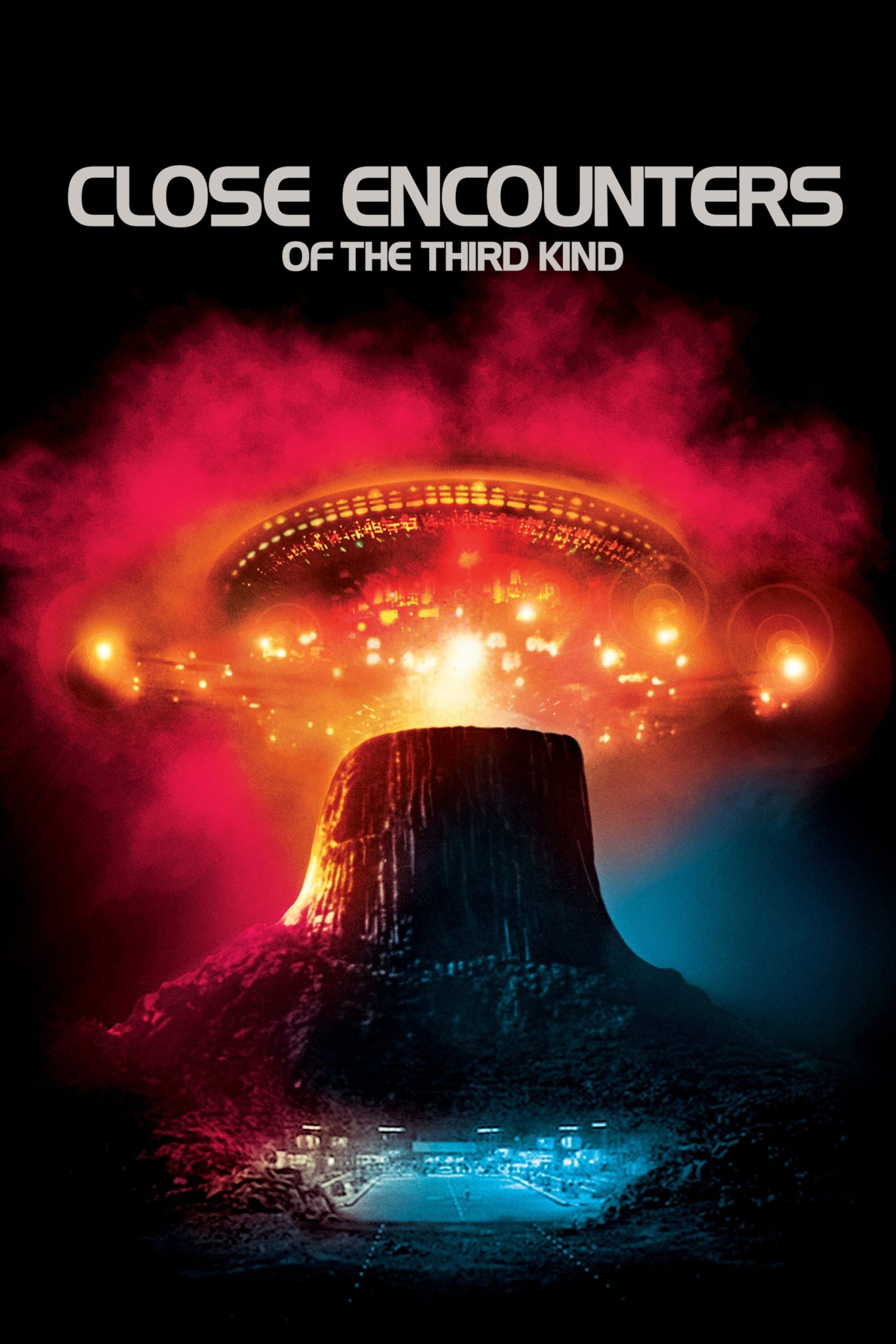
Every time I rewatch Close Encounters of the Third Kind, I find myself drawn into the presence of a film that’s deeply embedded in the DNA of the New Hollywood movement, yet also masterfully positioned at the intersection of modern science fiction and spiritual cinematic traditions. Speaking as someone steeped in film movement historiography, I can’t see Spielberg’s 1977 opus as simply “a sci-fi classic.” For me, it’s the embodiment of New Hollywood’s willingness to upend conventions, blending a childlike awe with serious adult themes.
It belongs firmly to New Hollywood—a period from the late 1960s through the early 1980s—when American directors challenged every notion about visual storytelling, genre limits, and authorship. But this film’s significance is even broader: it tangibly shapes the post-’60s conception of science fiction not as pulp escapism, but as a vehicle for metaphysical yearning and middle-class anxiety. In my analysis, it also tiptoes into a quasi-spiritual cinematic tradition, something I associate with transcendent cinema from directors like Tarkovsky and Cocteau.
I’ve always seen it as a bridge, dazzlingly suspended between mass-audience accessibility and deeply personal, impressionistic expression. Few films concretize that New Hollywood blend of technical bravura, disarmingly honest performances, and big thematic swings. In short, when I look at Close Encounters, I see a film that testifies to the restless, searching spirit that defined a movement and energized a genre that, until then, had often played it safe.
Historical Origins of the Movement
To really untangle the roots behind Close Encounters’ cinematic style, I have to reach back to the mid-1960s. I’ve always sensed that the New Hollywood movement—sometimes called the American New Wave—didn’t just appear; it ignited in a combustive mix of cultural upheaval, generational defiance, and a crisis in the studio system.
My readings and years of screenings have convinced me that films like this one were born out of the ashes of the classic Hollywood era. The world was changing: the Vietnam War, Watergate, and moments like the moon landing shattered confidence in authority but awakened dreams about the possible. Filmmakers—Spielberg among them—were emboldened by European auteurs who treated film as art and therapy rather than formulaic entertainment. Directors such as Truffaut, Godard, and Fellini were infusing their movies with personal obsessions, experimental structure, and moral ambiguity.
It’s hard to overstate how seismic these influences felt. For me, New Hollywood’s essence lies in its embrace of the director as the creative driving force. Studios, desperate for new hits, let directors experiment: letting stories end ambiguously or tragically, focusing on antiheroes, even merging genres in strange, electric ways. The genre film was reborn not as comfortable escapism but as a crucible for real-world anxieties and messy, authentic emotion.
By the mid-1970s, I see a cultural environment hungry for sincerity and willing to risk narrative uncertainty. The classic “sci-fi as B-movie” framework was finally crumbling. Instead, American science fiction was reimagined—think of Kubrick’s 2001: A Space Odyssey or Altman’s dystopian Quintet—to reflect society’s existential dread, skepticism of progress, and silent hope for cosmic connection. I sense that Close Encounters emerges from this swirling energy: its worldview and visual language are unthinkable without the tectonic shifts and artistic freedom of New Hollywood.
This Film’s Contribution to the Movement
Whenever I consider the place of Close Encounters of the Third Kind within the arc of New Hollywood, I’m struck by how radically it refracts the era’s traditional values. The first thing I notice is Spielberg’s willingness to immerse the audience in the muddy, all-consuming vortex of obsession. Where earlier science fiction leaned on military stoicism or hard-boiled skepticism, here I see the unvarnished domestic chaos of Roy Neary’s suburban life—neither a hero nor a villain, but a searching everyman. That’s pure New Hollywood: inviting the audience into unresolved, even uncomfortable emotional terrain.
I find the film’s depiction of alien contact intensely personal, more diary than spectacle. Spielberg, in my view, takes the cinematic space race and peels back the bravado, exposing what happens when wonder upends the scaffolding of an ordinary life. The film’s visual grammar—a gauzy palette, lens flares, vaporous light—gently unmoors me from documentary realism and drifts instead toward the sublime. The script resists tidy categorization, merging family melodrama, philosophical parable, and procedural mystery.
What I find sublime is its assertion that awe and terror are not opposites, but fused in the very pursuit of meaning. It resonates with what I perceive as New Hollywood’s spiritual center: the desire to transcend both genre and the limits of one’s own psyche. The famous tone sequence—the musical conversation between worlds—has, in my view, become an emblematic image for the entire movement’s approach to cinema. Here, the encounter isn’t a threat or warning but an invitation.
As I see it, Close Encounters demonstrates that the so-called “genre film” could be, above all, a vessel for personal obsession and ambiguous transcendence. For my part, this is where the film goes boldly past its pulp predecessors, insisting that meaningful storytelling neither condescends to its audience nor settles for easy answers. It paved the way for a kind of sincere, vulnerable wonder that runs counter to the cynical detachment of much late-70s cinema. No film I know inhabits the personal-as-cosmic with quite the same conviction.
Influence on Later Genres and Films
- Genre Humanization – As I reflect on the landscape after Close Encounters, I’m continually aware of how subsequent science fiction began to foreground ordinary protagonists and everyday settings. The way Spielberg centered an unremarkable, working-class protagonist, rather than a space hero or scientist, inspired a new template. Without this shift, I don’t think films like E.T. the Extra-Terrestrial, Arrival, or even the more grounded aspects of Stranger Things would have resonated so powerfully—a genre made deeply human.
- Sensory Spectacle Meets Existential Inquiry – I marvel at how Spielberg’s commitment to spectacle, not as distraction but as a conduit for existential questioning, seeded a new visual grammar in cinema. The orchestration of lights, sound, and practical effects isn’t just “cool”—it’s an emotional experience. I see contemporary films like Contact, Interstellar, and even Under the Skin as recipients of this inheritance: filmmakers pushing the envelope so that awe becomes a kind of philosophical surrender.
- Mainstream Spirituality – Where earlier sci-fi often pitted humans against aliens as antagonists, I’ve always admired how Close Encounters recasts the meeting as spiritual awakening. This soft, yearning tone recurs in later works like Starman, and even in the cosmic curiosity of recent television like The OA. Spielberg’s influence transformed “first contact” from a plot twist into a ritual, a search for meaning that’s more cathedral than command center.
The Movement’s Lasting Impact
I constantly return to the well of New Hollywood not because of nostalgia, but for how the movement rewarded risk, vulnerability, and a radical openness to form. In watching Close Encounters of the Third Kind through this lens, I’m reminded of how the movement’s legacy still shapes the fabric of ambitious filmmaking. Directors could channel personal fixations into their stories, trusting audiences to keep pace with their existential discomforts and elliptical resolutions.
Science fiction is forever altered for me by the trail blazed by films like this: no longer just “what if,” but “what now?” and “what does it mean?” The movement’s expansive generosity still gives permission for genre films—and by extension all films—to pursue not just entertainment but transcendence, community, and contradiction. I carry with me the lesson that cinematic innovation is never just technique, but a conscious act of cultural renewal.
So, when someone asks why this movement matters, my answer is deeply personal: because it dared to turn the tools of mass entertainment toward the hard, burning questions of being human. I see its legacy every time a movie trades easy cynicism for radical wonder or lingers on the ambiguity between terror and ecstasy. For me, this is New Hollywood’s enduring gift: the reminder that film can ask cosmic questions, and that sometimes, looking up into the unknown is an act of hope, not fear.
To connect style and technique with broader context, you may find these perspectives useful.
🎬 Check out today's best-selling movies on Amazon!
View Deals on Amazon