
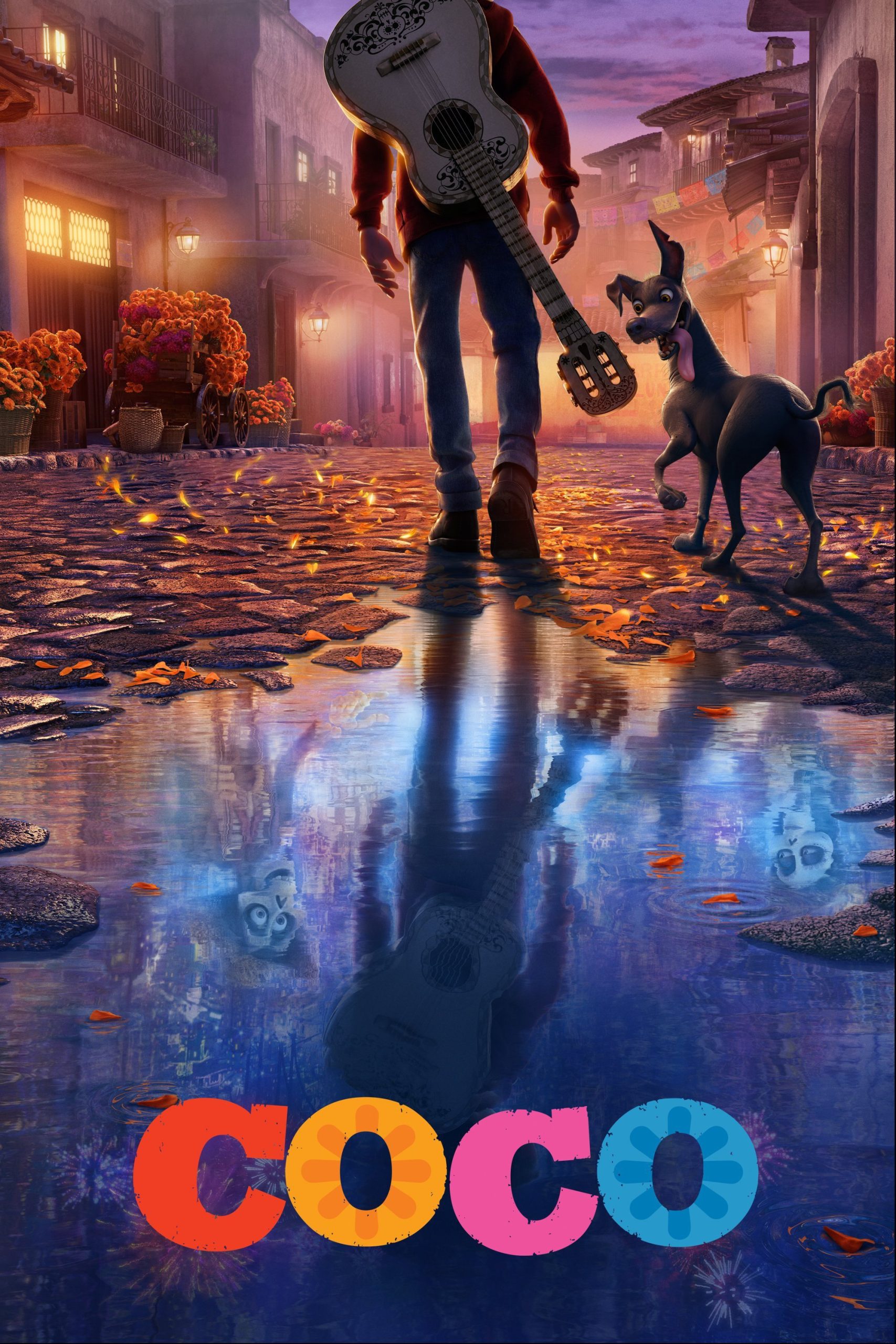
The Genre of This Film
Walking out of my first viewing of “Coco,” I felt an unmistakable surge of warmth unique to animated musical fantasies—a genre that, in my mind, cocoons both nostalgia and novelty. For me, “Coco” sits squarely in the animated fantasy musical category. Its world-building and emotional resonance, interlaced with memorable song sequences and magical realism, position it primarily as an animated fantasy, while its reliance on music as a narrative vehicle roots it just as firmly in the musical tradition. These twin genres give “Coco” its defining gravitas: enchanting visuals, the supernatural as everyday, and music not merely as embellishment, but as a driving force in the story’s evolution. As I reflect on the film, I recognize the interplay between family heritage, the border between the living and the dead, and music’s capacity for connection as central tenets of its genre identity.
Key Characteristics of the Genre
- Common themes
- For me, animated fantasy musicals always circle back to themes of self-discovery, homecoming, and reconciliation with one’s roots or destiny. They’re often shaped by journeys—literal and metaphorical—where youthful protagonists confront fantastical barriers to fulfill a deeply personal wish. At the heart, there’s usually a tension between individual aspiration and communal/familial duty, anchored by the transformative power of music and imagination. In my experience, these films invariably speak to belonging, courage, and honoring the past as a means to understand oneself.
- Typical visual style
- The genre, as I see it, comes alive through color-saturated animation—rich palettes, whimsical settings, and seamless blends of the ordinary with the surreal. I notice meticulous attention to world design: environments pulse with life, even as physically impossible elements coexist with real-world details. Lighting shifts to evoke mood; ornate visuals support an atmosphere unbound by logic yet grounded in emotional veracity. The visual language is continually in service to the inner states of the characters and the rhythms of the musical score.
- Narrative structure
- I always anticipate a structure that’s cyclical or journey-based: protagonists are thrust from comfort into a strange or magical realm, where trials—often corresponding to musical set pieces—lead toward pivotal revelations. The arc often takes the shape of a hero’s journey, but I find there’s also room for dual climaxes, where a personal sacrifice and a grand revelation coalesce. Exposition is handled deftly, frequently layered into musical numbers or visual cues, allowing for swift immersion with careful emotional build-up toward a cathartic release.
- Character archetypes
- I regularly encounter young dreamers—typically children on the verge of adolescence—fueled by longing or curiosity. Alongside them, wise or enigmatic guides emerge: whether familial figures, magical mentors, or even whole communities offering support or resistance. Antagonists, from my perspective, are rarely one-dimensional; they’re often former heroes, misguided souls, or caretakers at odds with the protagonist’s vision, helping shape a conflict rooted as much in misunderstanding as in malice.
How This Film Exemplifies the Genre
When I revisit “Coco,” I see it as a vivid distillation of everything I treasure about the animated fantasy musical. The film’s world of the dead—an exuberant, gravity-defying metropolis bathed in neon marigold and twilight blue—brings to life what I consider the genre’s license for bold, imaginative visuals. This is not merely visual flair for its own sake; I feel the blending of fantasy with the deeply personal, as every swirling petal and every glowing bridge represents some emotional truth the characters are traversing.
For me, the music isn’t a sideline; it’s the engine. Each song, from the iconic “Remember Me” to the playful opening numbers, reveals longing, love, or regret. These aren’t just catchy interludes; in my eyes, they serve significant narrative functions, revealing character histories and desires in a way dialogue alone could never accomplish. Musical numbers move the plot forward, embody conflict, and ultimately serve as the resolution—especially as the truth of family legacy and memory unfolds in the film’s climax.
I’m also struck by how “Coco” refuses to shy away from mature, sometimes painful themes—like estrangement, mortality, and memory—yet does so through the safe and often jubilant lens of fantasy. It’s a genre hallmark I find both cathartic and essential, offering a space where children and adults alike can confront fears and sorrows with hope. The journey structure is particularly poignant in “Coco”: Miguel’s odyssey from his small village, through the Land of the Dead, and back, reflects the hero’s journey I so often see, but with the added resonance of music as a bridge between generations and worlds.
Character-wise, I find the archetypes well represented: Miguel, the earnest dreamer; Héctor, the misunderstood helper and comic foil with depth; and figures like Mamá Imelda or Ernesto de la Cruz, who embody authority, tradition, and deception. Yet none of these figures are entirely static. For me, genre conventions allow for evolution: characters may adhere to type initially, but their complexities and reversals humanize them and, in turn, invest the genre with real emotional stakes.
Other Essential Films in This Genre
- “Spirited Away” (2001) – Of all the animated fantasies I’ve seen, few rival the seamless integration of the magical and the mundane achieved by Hayao Miyazaki’s “Spirited Away”. Like “Coco,” it plunges a young protagonist into a vibrant alternate world, where the stakes are both fantastical and deeply personal. The colorful yokai and stunning bathhouse recall the exuberant design of the Land of the Dead, while the journey is as much about self-discovery and the healing of familial rifts as about external rescue. I find the sense of wonder and emotional peril equally well balanced.
- “The Book of Life” (2014) – I can’t think of another film as closely intertwined thematically and visually with “Coco”. Jorge R. Gutierrez’s animated feature explores the Day of the Dead through music, romance, and familial expectation—territory that echoes across both works. Its stylized, puppet-like animation, pulsating color scheme, and overt integration of Mexican folklore make it a touchstone for understanding how the genre adapts folklore into heartfelt, musical storytelling. I find it enriches the landscape “Coco” inhabits.
- “The Lion King” (1994) – When I recall the grand tradition of animated musical fantasies, Disney’s “The Lion King” always springs to mind. It fuses epic, mythic storytelling with a coming-of-age journey and indelible songs—a combination that mirrors “Coco”’s approach. The process of grappling with legacy and loss, bridged with music and talking animals, makes it another standout expression of the genre.
- “Kubo and the Two Strings” (2016) – For me, Laika’s stop-motion fantasy remains a testament to the genre’s willingness to handle profound issues—loss, memory, and the supernatural—through gorgeous, meticulous art. Like “Coco,” it deploys music as both literal and metaphorical salvation for a child caught between worlds. Its inventive visuals and use of myth give it a grounded yet otherworldly allure I find unforgettable within the genre.
Why This Genre Continues to Endure
Year after year, I find myself drawn back to animated fantasy musicals, and the reason, I believe, lies in their unparalleled capacity to mix the enchanting with the universal. There is something deeply affecting in witnessing the impossible unfold before my eyes—watching bridges made of flowers or talking skeletons isn’t simply spectacle, but a way to address human fears and desires with a gentle touch. I’m always struck by how these films manage to couch the confusing and sometimes perilous transitions of growing up inside worlds where magic feels just plausible enough to offer hope. The visual styles are endlessly adaptive, from traditional hand-drawn works to lush computer animation, reflecting changing tastes without ever dulling the genre’s emotional core.
For me, the musical component is more than entertainment; it’s an emotional shortcut, fostering connection and catharsis between audience and character in moments where words alone would falter. My own experience tells me that the communal act of singing, whether on screen or in the theater, forges shared remembrance and empathy—qualities often lost in other genres. As the world changes, these films keep evolving, introducing new cultural voices, traditions, and musical forms, making them ever more relevant not only for children but for people of all ages seeking solace, excitement, and a sense of belonging.
Ultimately, what I value most is how this genre gives permission for vulnerability; it invites audiences to revisit pain, joy, and yearning with sincerity and spectacle. The enduring appeal, in my view, lies in its promise: that fantasy can heal old wounds, that music can bind generations, and that, through animation, the boundaries separating past and present, living and dead, can blur, if only for a luminous, transformative hour or two. “Coco” exemplifies this promise, and that’s why it sits so comfortably at the heart of the animated fantasy musical tradition—a tradition I anticipate revisiting for years to come.
If you’re interested in how viewers respond beyond technique, you may want to explore audience and critical reception.
🎬 Check out today's best-selling movies on Amazon!
View Deals on Amazon