
Film Movement Context
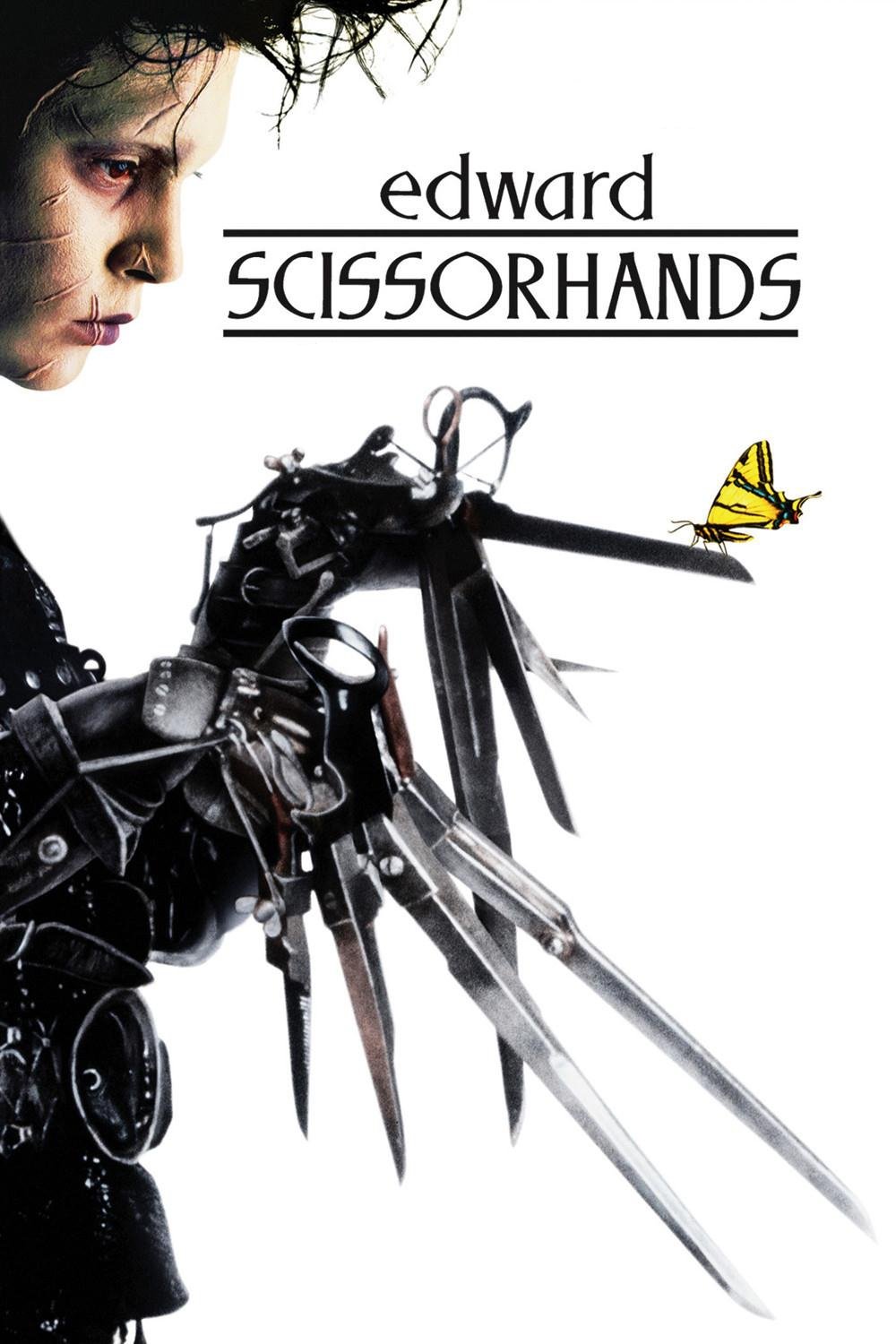
The first time I watched Edward Scissorhands, I felt pulled into a world that was both familiar and strange—a heightened suburbia enveloped in gothic melancholy, filtered through the whimsical lens of fairy tales. For me, the film is the purest example of postmodern fantasy within American cinema, and it is deeply indebted to several converging movements: notably, Gothic Revival, magical realism as adapted on film, and a broader postmodern sensibility that began permeating Hollywood in the late 1980s and into the ‘90s. When I place Edward Scissorhands amid its cinematic peers, I consistently find it most resonant with American Gothic, filtered through new wave fantasy and colored by postmodern pastiche. This isn’t simply a matter of style—Tim Burton stitches together the fantastical with the mundane to create what I perceive as a pop-Gothic fairy tale, a lineage I see stretching from German Expressionism to later dark comedies and melodramas. In my analysis, this film is best understood as a postmodern romantic fantasy—a sub-genre energized by a deliberate blending of high and low culture, irony, nostalgia, and an affection for outsider perspectives.
Historical Origins of the Movement
When I trace the origins of the postmodern fantasy movement as it appears in Edward Scissorhands, I feel compelled to consider two intertwined threads: the American Gothic tradition and the postmodern reaction to film and art conventions. The roots of cinematic American Gothic, for me, are visible in silent-era works like The Cabinet of Dr. Caligari and later in Universal’s horror cycle, where abnormality and architectural oddity signal a break from reality. Yet what makes the late twentieth-century variant so fascinating, in my view, is how it absorbs comic visuals, suburban critique, and fairy tale motifs—shifting from the purely haunted to the heartbreakingly beautiful. Postmodernism, as I interpret it, emerges as a challenge to modernist sincerity: it celebrates intertext, self-reference, playful irony, and the scrambling of cultural forms. I believe this movement flourished in the 1980s as filmmakers like Burton, David Lynch, and the Coen Brothers began crafting films that eschewed traditional genre boundaries, combining high-concept artifice with a self-aware nostalgia for earlier movie traditions. For me, Edward Scissorhands feels like the natural outgrowth of this collision: a hybrid fantasy/romance/horror that draws as much from B-movie aesthetics and old monster films as it does from modern suburbia and fairy tales, at once sincere and deeply ironic.
This Film’s Contribution to the Movement
What moves me about Edward Scissorhands is how it doesn’t merely inherit a style—it advances its movement with new emotional depth and tonal daring. When I dissect it as an example of postmodern fantasy, I find that it radically amplifies the interplay between beautiful surfaces and real pain. I’m struck by how Burton’s use of pastel-colored suburbia, exaggerated costuming, and expressionist set design produces a dreamlike unreality, only to be shattered by moments of raw human longing. For me, the film is always about otherness; Edward stands as both a literal outsider and a metaphorical ghost, wandering through a world most of us recognize and find alienating. Rather than simply parodying or honoring old gothic tropes, Burton, in my eyes, inverts them: Edward is the misunderstood monster, but the true horror and cruelty stems from the smiling, supposedly normal townsfolk. The film transforms the domesticated grotesque into both a source of comedy and tragedy, and I admire how the script withholds cynicism, opting instead for bittersweet sincerity. I see postmodernism operating here not just as style, but as a deliberate emotional register: Burton creates a knowingly artificial universe that somehow makes the ache of difference, love, and loss more acute. The artifice doesn’t distance me—it invites me deeper, echoing my own uncertainties about belonging and acceptance.
In my experience as a viewer and scholar, Edward Scissorhands also propels magical realism into contemporary American suburbia in a way that feels profoundly fresh. Unlike Latin American magical realist films or European fantasias, this movie takes the recognizable myth of “the newcomer in town” and renders it through a lens of imaginative impossibility—Edward’s hands, a literalization of social dysfunction and creative power. I’m continually fascinated by how the film transforms ordinary acts, like pruning hedges or giving haircuts, into magical, almost sacred, rituals that both mesmerize and unsettle the community. As an entry in the postmodern fantasy movement, it pioneers a new, emotionally generous mode that dovetails fairy tale logic with palpable domestic malaise, giving rise to a type of film that feels both classic and impossible elsewhere.
Influence on Later Genres and Films
- Redefining Gothic Fantasy for Mainstream Audiences – When I revisit films released after 1990, I notice how Edward Scissorhands reimagined the rules for dark fantasy in Hollywood. Its synthesis of childlike wonder and melancholy paved the way for what I now think of as the mainstream American Gothic. This approach is especially apparent in more recent films such as Coraline or Big Fish, which, though differing in their individual narratives, echo the strange allure and emotional directness I associate with Burton’s techniques. Rarely before had a film made the Gothic so approachable, so beautifully accessible—the haunted didn’t have to be horrifying, but could be lyrical and deeply human.
- Blurring Genre Boundaries and Inviting Hybrid Narratives – A pattern I find recurring in post-Edward Scissorhands cinema is a willingness to hybridize genre conventions. Directors increasingly lean into blending romance, horror, comedy, and fairy tale elements in ways that aren’t easily labeled. I see this shift clearly in films like Pushing Daisies or the visual stylings of Jean-Pierre Jeunet’s Amélie, where emotional whimsy and darkness exist side by side. For me, Burton’s film doesn’t just show that these mixtures are possible—it asserts that they are, perhaps, the only adequate way to capture complex experiences.
- Elevating the Outsider Narrative in Visual Storytelling – The emotional core of Edward Scissorhands—a gentle outsider whose artistry sets him apart—finds echoes in a spectrum of films and television across decades. I see a direct line from Edward to characters like the awkward protagonists of Wes Anderson’s movies, the misunderstood heroes in Guillermo del Toro’s work, and the sympathetic monsters of Buffy the Vampire Slayer. By making difference the focus rather than the flaw, Edward Scissorhands inspires storytellers to explore alienation with more empathy and invention. The visually inventive melancholia becomes, for many filmmakers, a new way to engage viewers on both aesthetic and emotional levels.
The Movement’s Lasting Impact
What stays with me, years after my first encounter with Edward Scissorhands, is the persistent relevance of the postmodern fantasy movement it exemplifies. To my mind, its enduring power lies in its ability to confront alienation, conformity, and the longing for belonging—universal themes that can feel impersonal in more realist or traditional genres, but which here are made vivid and immediate. The movement’s embrace of artifice, irony, and sincerity in equal measure offers me, as a viewer and analyst, a new grammar for cinematic expressiveness, one where reality can be mutable and emotional truth can be found in unconventional forms.
I also find that, in a cinematic climate often obsessed with gritty authenticity or nostalgic homage, the legacy of postmodern fantasy speaks to our deepest need for stories that shimmer with both sadness and hope. Edward Scissorhands reminds me—sometimes painfully, sometimes joyously—that difference is both struggle and possibility. The movement matters because it gave space for filmmakers to imagine new ways of seeing: it encouraged the playful, the baroque, and the beautifully strange. For me, this openness to hybridization and emotional honesty continues to ripple through contemporary film, making the legacy not a relic of the past, but a living, breathing force in the stories I see—and love—today.
To connect style and technique with broader context, you may find these perspectives useful.
🎬 Check out today's best-selling movies on Amazon!
View Deals on Amazon