
The Genre of This Film
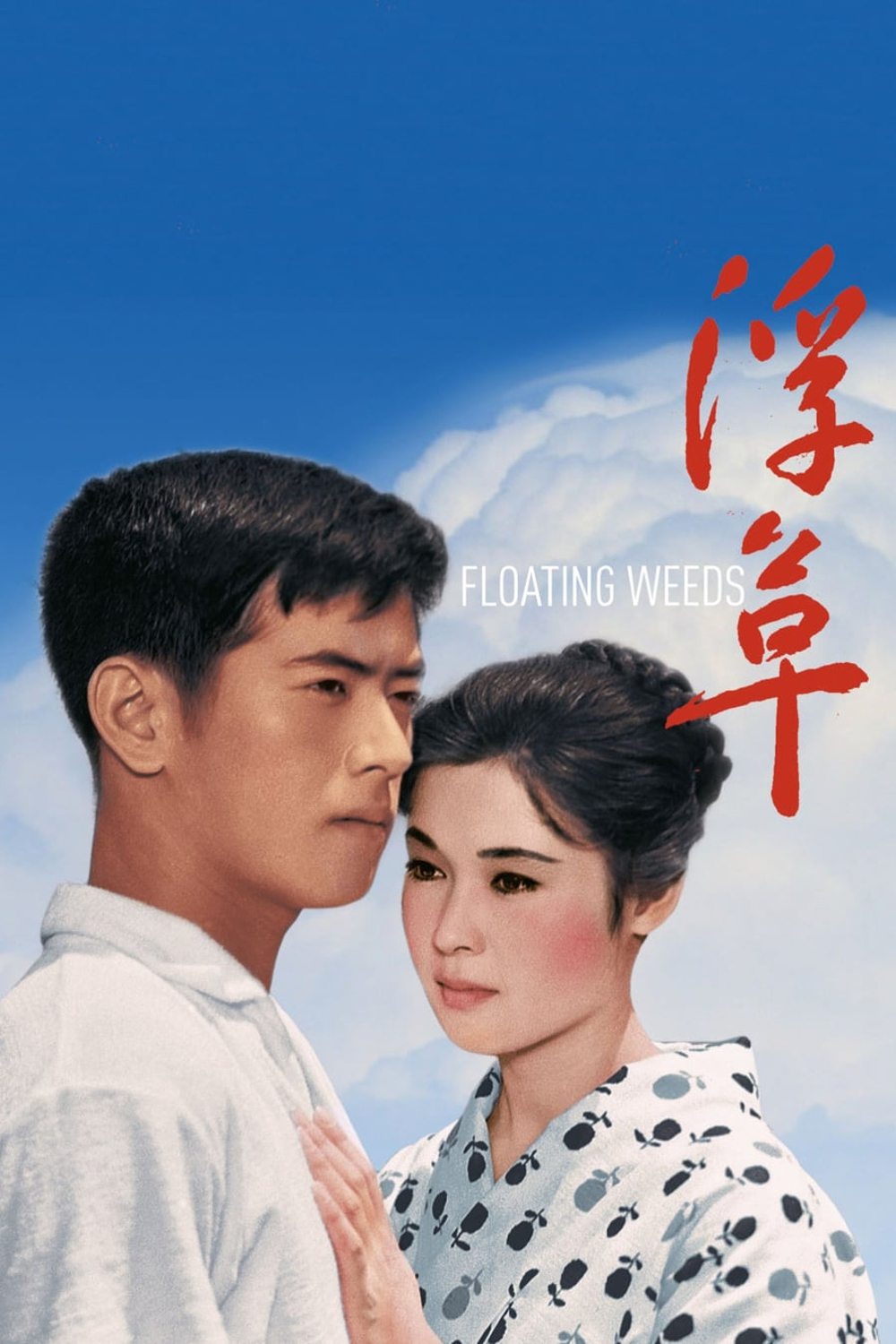
From the moment I first watched “Floating Weeds,” I found myself drawn to its understated, contemplative spirit. For me, this film exists squarely within the tradition of Japanese drama—more specifically, the shomingeki genre. Shomingeki isn’t just a label; it’s a lens that quietly magnifies daily existence, focusing on ordinary people and their intricate relationships. I see “Floating Weeds” as a classic shomingeki because it nestles into the rhythms of real life, setting aside melodrama in favor of subtle emotional undercurrents. Every gesture, every small disappointment, feels honest and lived-in. Through its attention to the routines, compromises, and tangled loyalties of a traveling theater troupe, the film brings out the collectively shared, yet deeply personal, struggles of individuals trying to make sense of their place within a web of familial and professional obligations. It’s this focus on nuanced, everyday life—and the gentle, deliberate pacing that comes with it—that situates “Floating Weeds” firmly within the Japanese drama tradition, and it’s why I always associate it with the hallmarks of shomingeki every time I revisit it.
Key Characteristics of the Genre
-
Common themes
Whenever I immerse myself in a classic Japanese drama—especially within the shomingeki form—I am met with themes that feel both humble and universal. There’s an ever-present preoccupation with family ties and generational differences; I’m reminded again and again how change and tradition tug at each other relentlessly. Everyday choices and social expectations intermingle in nearly every scene. For me, the themes surface through subtle moments: the silent endurance of mothers, the anxieties of sons, the quiet ache of unfulfilled ambitions. Resignation, perseverance, and the desire for fleeting happiness blend together, forming a gentle, introspective outlook that never wavers from authenticity. In this genre, the drama doesn’t erupt from extraordinary events—it simmers, gradually, through accumulated daily frustrations and moments of connection. -
Typical visual style
What continually strikes me about shomingeki is its visual restraint. I often encounter stillness, with the camera rarely indulging in flourishes. There’s a deliberate focus on composition—framing doorways, corridors, domestic interiors in such a way that it reflects the physical and emotional boundaries separating characters. Long takes and static shots dominate, creating a grounded feeling that enhances my sense of observing real people in their own environments. The color palette leans toward the subdued, full of subtle earth tones and natural lighting. Nothing ever distracts from the story’s emotional core. In many ways, I find the visual style to be a meditation on presence and absence; what isn’t shown becomes as meaningful as what is. -
Narrative structure
The narrative pacing of Japanese drama, as I continually experience it, resists Western conventions of dramatic escalation. Stories unfold gradually, often in a series of episodic moments. There’s less emphasis on a single, climactic confrontation; instead, meaning emerges through accumulations of lived experience. When I watch, I sense a cyclical rhythm—characters revisit old wounds, repeat rituals, and move in patterns that mimic the flows of real life. Exposition is minimal, and significant developments can pass almost unnoticed. Storylines may center on low-key conflicts or moral dilemmas, with resolutions that are more ambiguous or bittersweet than triumphant. It’s this structure of quiet revelation—slow, unhurried, gently melancholic—that sets the genre apart for me. -
Character archetypes
Each time I engage with this cinematic tradition, I see a familiar gallery of character types: the gentle but flawed father, the stoic mother, the idealistic child, the dutiful wife. What’s striking to me is how these roles are never reducible to stereotypes; instead, the genre thrives on how characters quietly resist or comply with tradition. I notice that even the most secondary figure is granted dignity through observation. Supporting characters—comedic neighbors, old friends, workmates, wandering artists—enrich the texture of the central story, revealing the breadth of everyday community. Men and women may seem bound by social codes, yet their interior lives remain the true subject. In sum, these dramas thrive on small rebellions, quiet sacrifices, and the ever-present tension between personal longing and collective obligation.
How This Film Exemplifies the Genre
Looking at “Floating Weeds,” I can’t help but marvel at how it embodies every hallmark of the shomingeki genre, weaving itself into an intricate tapestry of quiet yearning and inevitable resignation. What lingers with me most is the way the film turns a seemingly mundane scenario—an aging actor’s return to a seaside town—into an emotionally charged meditation on family, regret, and the pull of the past. The film resists the temptation to amplify its drama, choosing instead to dwell on small gestures and unsaid words. I find the pacing almost hypnotic; every scene takes its time, unfolding with a patience that mirrors the characters’ own slow reckoning with their circumstances.
The visual storytelling impresses me with its minimalism and precision. Director Yasujiro Ozu orchestrates every shot with gentle discipline. I notice how characters are often separated by sliding doors or half-open screens, the space between them resonating with tension and unspoken disappointment. The colors are never ostentatious—they’re the colors of lived-in spaces, old costumes, faded sets, and summer sunshine filtering into rooms. The camera’s low vantage point might seem simple, but it invites me to settle into the world as if I, too, am resting on a tatami mat, an unseen participant in the ebb and flow of daily life.
But more than anything, I’m struck by the honesty of the relationships. The troupe, with their shifting allegiances, betrayals, and moments of kindness, feels both specific and universal. Ozu structures the film as a sequence of delicate confrontations—between lovers, between parent and child, between friends whose history is entwined with professional rivalry. There’s a remarkable lack of judgment, allowing moments of pettiness, jealousy, or weariness to pass without moralizing. By the time the film draws to its close, I’m left with a sense of wistfulness that feels entirely earned. “Floating Weeds” doesn’t strive for neat closure. Instead, it offers me a window onto the stubborn persistence of hope, disappointment, and the improvisational nature of being human—qualities that hallmark the genre better than any conventional melodrama ever could.
Other Essential Films in This Genre
- Tokyo Story (1953) – Whenever I reflect on shomingeki, Ozu’s “Tokyo Story” stands as a towering reference point for me. Here, the story of aging parents visiting their grown children in Tokyo unspools with aching restraint. The generational rift runs quietly under every polite exchange, and I’m always moved by how the film explores filial duty and neglected affection without a trace of sentimentality.
- An Inn in Tokyo (1935) – This earlier Ozu film carries a softer, sometimes comic tone, but it grounds itself in the economic precariousness that many ordinary people experienced during the interwar years. When I watch it, the struggle of a single father and his sons feels both light-hearted and deeply poignant—a balancing act I find characteristic of the genre at large.
- Late Spring (1949) – Few films stay with me like “Late Spring.” I’m continually surprised at its emotional power, achieved with the gentlest of brushes—a daughter’s reluctance to leave her widower father and enter marriage is handled with such subtle care. The undercurrents of sacrifice, duty, and quiet sorrow stand out as some of the purest expressions of shomingeki’s ethos I’ve ever encountered.
- Sound of the Mountain (1954) – Adapted from Yasunari Kawabata’s novel, this Mikio Naruse film delves into postwar family disintegration. Each viewing reminds me that drama can be potent without noise—internalized grief, generational disappointment, and a longing for connection surface in every careful gesture. The emotional accuracy achieved here is unmistakably authentic.
Why This Genre Continues to Endure
What grips me about Japanese drama, specifically the shomingeki tradition, is its remarkable capacity to capture universal experience in the plainest of situations. Even after decades and across cultural divides, I catch echoes of my own anxieties, familial duties, and moments of grace within these stories. There’s a timeless quality to the films—not because they’re untethered from reality, but because they fasten themselves so resolutely to it. I often hear people describe classic drama as “slow,” but for me, it’s this very slowness that forges a deeper sense of identification. Life itself rarely builds to grand moments; it’s a series of choices, regrets, reconciliations, and repeating cycles.
Whenever I share these films with students or friends new to the genre, I see the same quiet recognition flicker across their faces. The tensions between generations, the compromises embedded in love and work, and the enduring hope for understanding—these are not just “Japanese” concerns, but fundamentally human ones. I believe that shomingeki endures partly because it manages to dignify the ordinary. The dramas of daily life, so often overlooked, take on poignant weight in the hands of filmmakers like Ozu and Naruse. Every time I revisit these films, I notice fresh details—a sideways glance, an unfinished sentence, a silent routine—that remind me just how rich the plainness of life can be when faithfully rendered.
Today’s viewers, overwhelmed by speed and spectacle, seem to crave these nuanced, measured narratives more than ever. While the trappings of society may change, the basic entanglements—family, aging, longing, compromise—remain unchanged. For me, that’s the heart of why the genre matters and why it will always find new audiences, whether in Japan or on the other side of the world.
If you’re interested in how viewers respond beyond technique, you may want to explore audience and critical reception.
🎬 Check out today's best-selling movies on Amazon!
View Deals on Amazon