
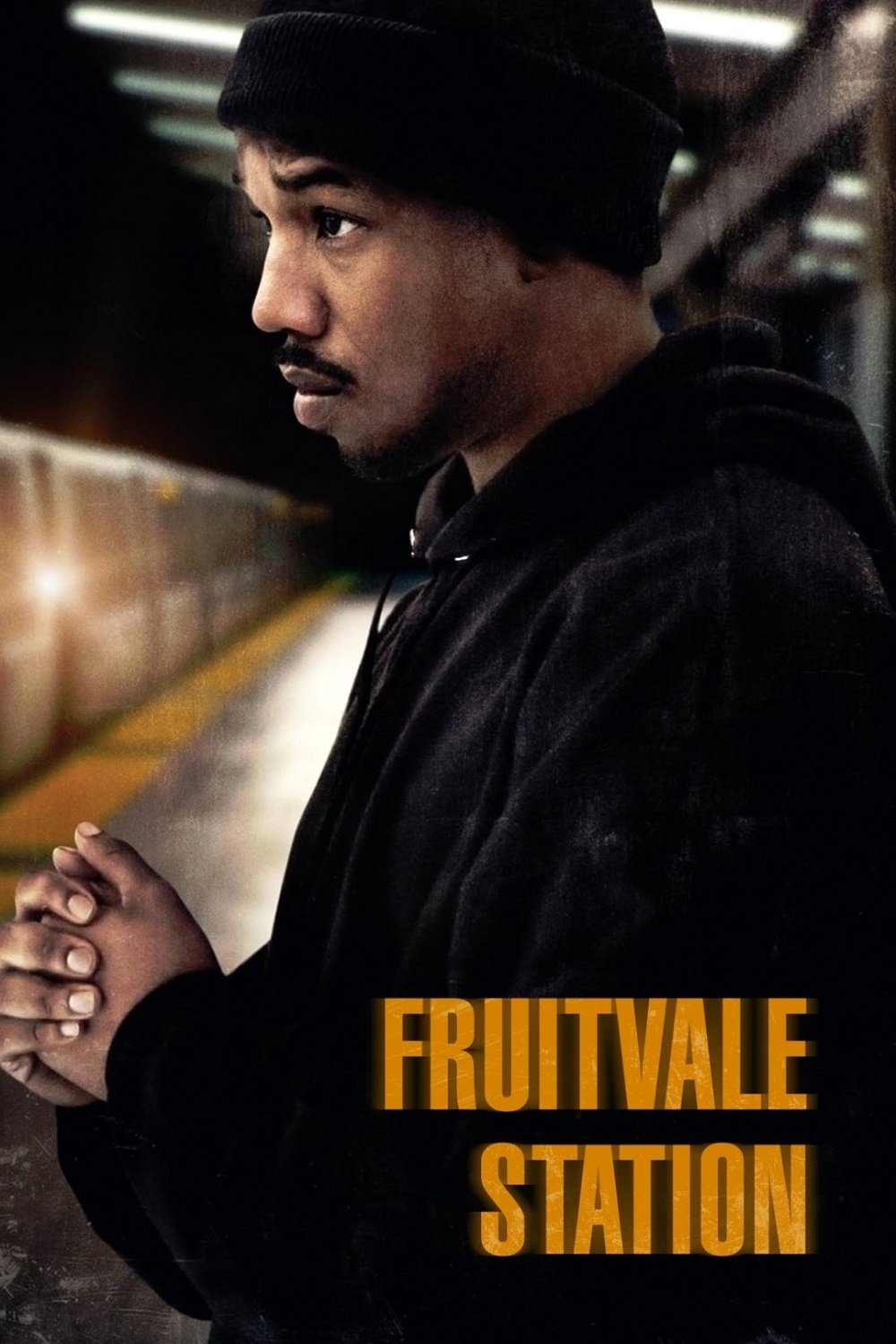
The Genre of This Film
When I first watched “Fruitvale Station,” I immediately recognized its grounding in the drama genre—more specifically, the social realism subgenre of dramatic cinema. What drew me in was not just the film’s emotional intensity, but its insistence on presenting ordinary life in a way that felt strikingly raw and unvarnished. The film doesn’t just stage dramatic moments; it immerses me in the everyday textures of its protagonist’s life, making the personal political and the familiar wrenchingly urgent. There’s no heightened spectacle here; instead, I’m riveted by authentic interactions, restless uncertainty, and unresolved questions that echo far beyond the screen. For me, this commitment to realism—its deliberate choice to let moments breathe, to sidestep melodrama in favor of honesty—is what identifies “Fruitvale Station” as a powerful work of drama rooted in social realism.
Key Characteristics of the Genre
-
Common themes
I notice that drama films rooted in social realism grapple with issues deeply tied to real, lived experiences and the societies people inhabit. These movies examine the weight of systemic inequalities, the turbulence of personal identity, and the struggle for dignity in environments that may not always value it. Whether tackling family strife, economic hardship, discrimination, or ethical dilemmas, the common thread is an unwavering focus on people reacting, adapting, and resisting. The genre refuses to look away from injustice or ambiguity; instead, I find it consistently pulls me into the discomfort and grace of ordinary existence. -
Typical visual style
What stands out every time I revisit films of this genre is their commitment to visual honesty. Directors lean toward naturalistic cinematography, often making use of handheld cameras, available lighting, and unpolished framing to foster authenticity. When I think about the streets, stations, and homes depicted, I see environments that feel lived-in rather than artfully staged—a documentary-like quality prevails. Muted color palettes, understated costumes, and practical locations all contribute to the immersive effect that keeps me grounded in reality rather than fantasy. -
Narrative structure
This genre rarely offers me a tightly plotted, conventionally satisfying story arc; instead, there’s an emphasis on episodic storytelling or a “slice of life” approach. The pacing may linger on moments that don’t move the story forward in an obvious way but speak volumes about character and context. Flashbacks or non-linear storytelling techniques are used sparingly—when they do appear, they serve character rather than plot machinery. I often notice a tendency to let the mundane carry as much narrative weight as dramatic incidents, which imbues these films with profound intimacy. -
Character archetypes
As someone who studies these films closely, I see archetypes drawn from everyday society rather than heightened fiction. There’s often a working-class central figure contending with forces larger than themselves. Supporting characters—family members, friends, authority figures—are depicted with nuance, and antagonists are rarely purely villainous. Instead, institutions or impersonal forces frequently serve as the source of tension. Everyone feels real: imperfect, conflicted, but deeply human. I engage with these characters not as symbols, but as echoes of people I might meet in my own life.
How This Film Exemplifies the Genre
Experiencing “Fruitvale Station,” I am compelled by how meticulously it embodies the hallmarks of social realist drama. Instead of heightened melodrama or overt political messaging, the film roots every emotional beat in the specificity of Oscar Grant’s final day. What struck me most was the film’s capacity to find resonance in banality—a birthday party, a mundane commute, a last-minute errand—rendered with the same compassion as the film’s more painful sequences. This everydayness heightens the sense of injustice and unpredictability when tragedy finally arrives.
The visual style contributes mightily to my immersion. Handheld camera moves place me at Oscar’s side, creating an unbroken sense of presence. Whether Oscar is navigating conversations with his mother or managing his own frustrations, I feel the textures—the dim glow of train station lights, the muted tones of apartment interiors, the bustle of Bay Area streets. Costume choices, hair, even the weather: everything unfolds with such understated realism, I’m never allowed to forget that these aren’t simply characters, but real people living real lives.
What I find especially potent about “Fruitvale Station” is the absence of a manipulative score or overtly theatrical moments. The film resists giving me easy answers or positioning any single individual as a villain. In fact, the system itself—impersonal, unyielding, and all too real—becomes the antagonist. Oscar is portrayed with all his contradictions and warmth, making his fate feel at once personal and universally critical. This refusal to sanitize or caricature any relationship or decision is, for me, emblematic of why social realist drama has such lasting power.
The film’s structure accentuates the impact. Rather than building to a cathartic climax from its opening moments, it allows the audience to sit with Oscar during uneventful stretches, glimpse private rituals, and understand his efforts to make small but meaningful changes. For me, this offers an experience that’s far more immersive—and devastating—than a purely plot-driven approach. I walk away not just with a sense of tragedy, but with the weight of systems, histories, and human yearnings that exist in the margins of everyday life.
Other Essential Films in This Genre
- “The Bicycle Thieves” (1948) – I always reflect on how this Italian neorealist classic captures the heart-wrenching impact of poverty through the story of a father desperately searching for his stolen bicycle. The film’s commitment to location shooting, the use of non-professional actors, and the depiction of unembellished daily life all form the template for countless social realist dramas that follow. For me, it’s the empathy and unfiltered humanity within every frame that cements its significance.
- “Boyz n the Hood” (1991) – When I consider the social realist tradition in American cinema, John Singleton’s film stands out for its raw portrayal of African-American youth navigating violence, family expectations, and dreams for a better future in South Central Los Angeles. I find that it brings together deeply personal storytelling and systemic critique, confronting viewers with both hope and the crushing realities of marginalized communities.
- “Kes” (1969) – This British drama, directed by Ken Loach, remains one of my touchstones for its sensitive depiction of a working-class boy’s bond with a kestrel in Yorkshire. It embodies the genre’s strategies: bleak settings, authentic performances, and unsentimental attention to the nuances of family and social structures. Even after numerous viewings, I’m moved by the film’s quietly devastating insights into class and aspiration.
- “Moonlight” (2016) – For me, Barry Jenkins’ portrait of a young man’s search for identity, love, and connection across three periods of his life is contemporary social realism at its most lyrical. Though its style is more polished than some earlier entries in this genre, “Moonlight” never wavers in its honest depiction of coming of age in a world fraught with prejudice, poverty, and isolation. The result is both deeply personal and socially resonant, transporting me into lived experiences rarely seen on screen.
Why This Genre Continues to Endure
Whenever I return to films like “Fruitvale Station,” I am reminded of the unshakeable relevance of social realist drama. What keeps me invested is its unique ability to bridge the intimate with the systemic, to make distant struggles palpable and individual hardships universally recognizable. These stories refuse to turn away from pain or gloss over complexity—they invite me (and so many other viewers) to empathize, even if for a fleeting moment, with lives and realities that might be unlike our own.
I think audiences are continually drawn to this genre because it opens up a space for self-reflection and hard questions. Unlike escapist fare, these films foster a kind of uncomfortable proximity; I can’t easily distance myself from characters or reduce them to mere plot points. The familiar settings, everyday dilemmas, and understated emotional beats all contribute to an uncanny sense that what I’m watching on screen could just as easily happen around me or to someone I know. This authenticity, for me, is the genre’s greatest strength.
Another reason I believe social realist drama persists is its adaptability. Even as societal issues evolve—whether pertaining to race, class, gender, or justice—this tradition of filmmaking adapts to articulate new anxieties and aspirations. The genre’s practitioners continually explore contemporary crises while grounding their work in recognizable emotional truths, which is why “Fruitvale Station” feels as urgent and devastating today as it did upon its release. Each era finds its own stories, its own symbols, its own understated poetry in the everyday lives of ordinary people.
Ultimately, I see social realism as a cinematic testament to endurance and hope. The genre doesn’t promise easy solutions or dramatic transformation, but in chronicling struggles and fleeting moments of joy or solidarity, it consistently reminds me of the dignity inherent in striving and in being seen. This, I think, is why films like “Fruitvale Station” linger: they demand that I bear witness, that I sit with discomfort, and that I look again at the people and stories that shape our world.
If you’re interested in how viewers respond beyond technique, you may want to explore audience and critical reception.
🎬 Check out today's best-selling movies on Amazon!
View Deals on Amazon