
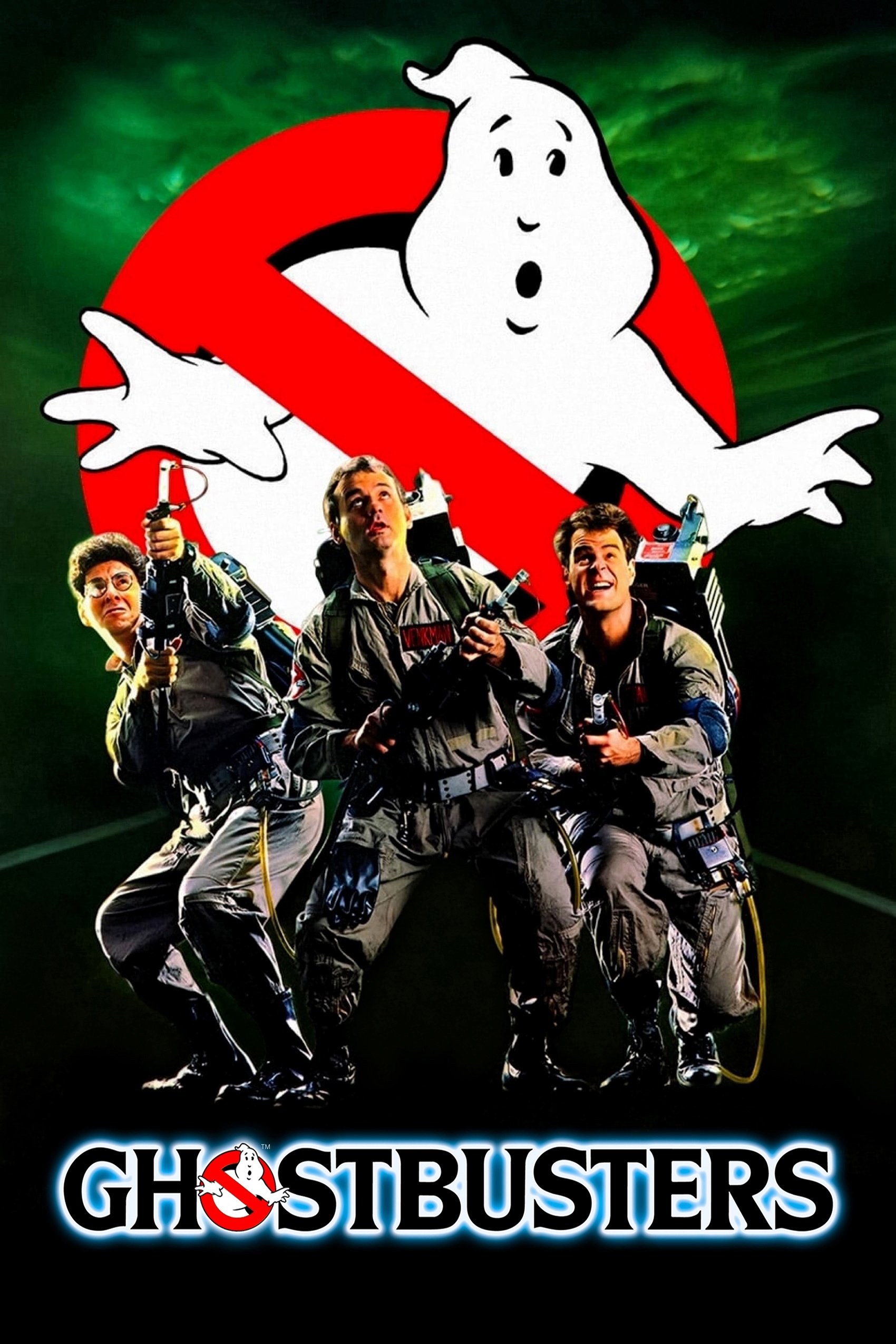
The Genre of This Film
Whenever I revisit “Ghostbusters,” I’m immediately struck by how the film’s energy and rhythm defy neat classification. For me, the movie is, above all else, a supernatural comedy. Its identity is deeply rooted in the tradition of comedy, but the supernatural overlay—everything from amorphous apparitions to apocalyptic demon dogs—threads ghostly fantasy through every scene. I’ve always considered it a benchmark for supernatural comedy because it manages to weave paranormal elements with irreverent, character-driven humor. “Ghostbusters” isn’t just a funny film set in a haunted city; it is a comedic exploration of the afterlife’s chaos, science’s limits, and human absurdity. I find its primary genre rests squarely within supernatural comedy, as it takes cues from the classic screwball comedies of the 1930s and 1940s, but then entwines them with the playful mayhem of haunted house cinema and urban fantasy. It never lets the ghosts or terror overshadow the sharp wit and comic personalities at its heart.
Key Characteristics of the Genre
-
Common themes
I’ve noticed that supernatural comedies nearly always tackle the unknown with a wink. My experience of the genre leaves me convinced that it’s defined by themes like the absurdity of fear, the collision between rationality and the paranormal, and the underdog’s resourcefulness in bizarre circumstances. Ghosts might be central, but spiritual conviction usually takes a back seat to skepticism, irreverence, and parody. The genre loves to poke holes in authority, lampoon scientific arrogance, and upend conventional horror tropes with farce. For me, the lasting power lies in how these films treat the supernatural as equally capable of inspiring laughter and awe, transforming uncanny occurrences into opportunities for comic social critique. -
Typical visual style
When I picture the visual style of supernatural comedies, I think of a playful contrast between everyday reality and the extraordinary. These films often ground themselves in familiar urban or domestic settings, using strikingly mundane backdrops to punctuate the invasion of the fantastic. The special effects, while central, are often designed to elicit both thrill and humor—think rubbery ghosts, garish colors, practical slime, or bumbling monsters. I find directors often highlight this genre’s whimsical spirit by lighting scenes brightly, using slapstick choreography, and occasionally dipping into visual exaggeration or cartoonish embellishment. The capacity to intermingle sinister atmospheres with comedic visuals is what makes the genre visually memorable for me. -
Narrative structure
My experience watching these films again and again reveals a comfortable familiarity in their structure. Typically, supernatural comedies begin with a skeptical or hapless protagonist (or group) who encounter a strange event. There is usually a gradual escalation—from trivial hauntings or supernatural events to full-blown specter chaos threatening the heroes’ world or city. Conflict arises not just from ghosts and monsters, but also from societal disbelief, bureaucratic roadblocks, and personal misunderstandings. Comedy never takes a break for horror, but instead is interwoven: heroic moments are subverted by gags, threats by bickering. A climactic face-off with the supernatural is almost always resolved by an improbable, humorous, or improvisational solution, followed by a celebratory or self-deprecating denouement. -
Character archetypes
My favorite supernatural comedies rarely deviate from a rich palette of archetypes: the eccentric scientist, the straight-laced skeptic, the cowardly sidekick, the oblivious authority figure, and the mischievous or tragically comic ghosts. I often see these figures play off each other, their flaws magnified by the absurd circumstances. There’s usually an ensemble at the heart—each member gifts the audience with a different comic style, be it dry wit, slapstick clumsiness, or wild improvisation. Antagonistic supernatural entities in these films rarely serve as mere monsters; I find their presence is often used to mirror or amplify human folly, ignorance, or hubris. The result is a dynamic in which the living and the spectral both share the spotlight, their imperfections gently lampooned.
How This Film Exemplifies the Genre
Whenever I talk about what defines a supernatural comedy, “Ghostbusters” is always the film I use as my reference point, and for good reason. Every time I watch it, I notice how the movie perfectly balances skepticism and the absurd; it’s propelled by scientists who behave like squabbling siblings rather than celestial warriors. My favorite scenes are the ones where ghostly phenomena crash into the mundane—librarians shrieking down spectral stacks, hot dog carts toppling as 100-foot marshmallow men stomp down city blocks. These moments don’t just lampoon horror tropes, they flip them upside-down. Even the ghosts themselves aren’t solely menacing; they’re messy, petulant, and weirdly relatable, much like the humans chasing them.
I find the movie’s tone achieves something uniquely special. Instead of relying on jump scares or Gothic dread, “Ghostbusters” mines laughter from panic, confusion, and the heroes’ bumbling attempts to respond to the inexplicable. There are no steely-jawed protagonists; instead, the heart of the film lies in characters cracking wise under stress, surviving on quick improvisation and even quicker comebacks. When I see Peter Venkman’s irony-clad irreverence or Egon’s ultra-serious obsession with spectral research, I see a loving send-up of both science and the supernatural. The visual effects never aim for photorealism; they have a tactility and playfulness that, to me, is emblematic of supernatural comedy. Slimer’s green goop and the Stay Puft Marshmallow Man’s monstrous adorableness feel much closer to vaudeville than horror—all designed to keep me engaged with a laugh even as the stakes rise.
I can’t help but appreciate how the movie’s structure maintains the classic comic flow while steadily building paranormal mayhem. Ghostly trouble escalates in tandem with the group’s public ridicule; it’s only as their competence and notoriety grows that the city’s calamity reaches its ridiculous peak. Supporting figures—police, bureaucrats, journalists—aren’t just comic relief; in my eyes, they inhabit a parallel universe of disbelief and pomposity that underscores the surreal chaos. “Ghostbusters” doesn’t shy away from spectacle, but it never lets spectacle overpower character or wit. That, for me, is what elevates it to the pinnacle of its genre.
Other Essential Films in This Genre
- Abbott and Costello Meet Frankenstein (1948) – When I first encountered this film, I was fascinated by its seamless blend of classic horror monsters and slapstick humor. To me, it set the foundation for how supernatural comedies could both honor and lampoon their horror roots. Watching the duo bumble their way through encounters with Dracula, the Wolfman, and Frankenstein’s monster, I realized how effective broad physical comedy could be when interlaced with genuinely eerie situations. This entry demonstrates that even legendary monsters aren’t immune to comic mishap.
- Beetlejuice (1988) – Few films have delighted me as much as Tim Burton’s kaleidoscopic haunted house comedy. What stands out for me is how the film cherishes its freakish supernatural elements rather than tucking them away as mere plot devices. Michael Keaton’s irrepressible spirit haunts not just the Deetz home, but also every frame with anarchic energy. The blend of phantasmagoric visuals, deadpan performances, and gleeful subversion of afterlife bureaucracy shows the genre’s versatility and appetite for dark whimsy.
- The Frighteners (1996) – I was genuinely impressed by how this Peter Jackson-directed feature walks the tightrope between horror and humor. Its protagonist, a clairvoyant con artist, has an uneasy partnership with friendly ghosts, which leads to an unpredictable mix of scares and wit. For me, the film shines in its ability to shift from macabre humor to suspense, all anchored by quirky characters and inventive spirit effects. It’s a reminder of how the supernatural comedy genre can tackle much darker material while retaining its comic soul.
- Shaun of the Dead (2004) – Every time I watch this, I’m reminded of the genre’s elasticity: how a zombie apocalypse can be the perfect backdrop for awkward romance and comedic incompetence. What sells the film for me is its brilliant contrast between real horror conventions and the mundane routines of its British protagonists. Edgar Wright’s kinetic direction and razor-sharp humor make the supernatural horror elements feel fresh and subversive. I see it as a loving satire that gleefully pokes fun at both Romero-style zombies and the everyman’s inertia.
Why This Genre Continues to Endure
After decades of films that lean into the supernatural comedy template, I find the appeal more potent than ever. Part of this comes down to the reassuring presence of humor when faced with the unknown. I see audiences—including myself—turning to these films not just for escapism, but also for the comfort in seeing terror dissolved by laughter. There’s a pleasure in watching ineptitude become heroism, or in seeing the most intimidating specters brought low by a quip or by sheer slapstick chaos. These stories, in my view, grant us permission to laugh at our greatest fears, transforming anxiety about death, the supernatural, or the unpredictable into collective joy.
The genre thrives because it transforms societal worries into shared spectacle, while also lampooning the figures and institutions we’re supposed to trust: scientists, politicians, even the supernatural itself. For me, every ghost or monster that’s bested by wisecracking oddballs feels like a small act of everyday rebellion. The genre’s lasting power lies in its ability to evolve, too—whether through updated effects, social references, or new permutations of the ensemble dynamic, there’s always another spin to be found on the haunted, hilarious unknown. I never get tired of seeing the genre evolve, as each new entry brings a fresh parody of both our fears and our follies.
I also think there’s an elemental pleasure in the communal aspect of supernatural comedy. Watching these films with a crowd is, for me, pure delight—laughter is infectious, and every shared gasp or giggle makes the supernatural seem just a bit less intimidating. Whether in the grand spectacle of 1980s practical effects or the wink-filled dialogue of contemporary entries, this genre lets me celebrate not just the ridiculousness of life’s mysteries, but the resilience of those who face them with wit rather than weapons. That’s a tradition I hope continues for generations.
If you’re interested in how viewers respond beyond technique, you may want to explore audience and critical reception.
🎬 Check out today's best-selling movies on Amazon!
View Deals on Amazon