
Film Movement Context
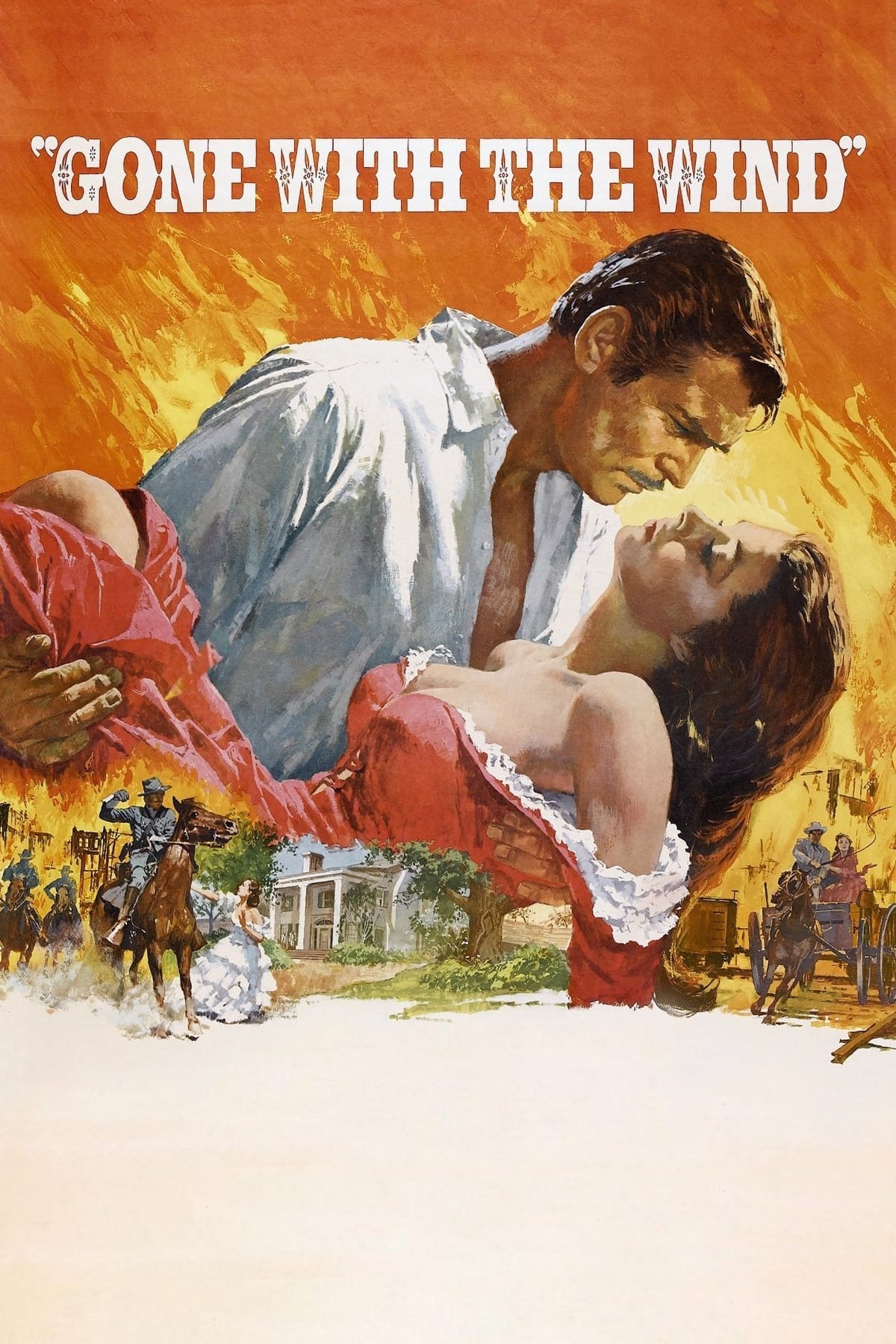
From my very first viewing of Gone with the Wind, what struck me most was how firmly it seemed embedded within the tradition of the Hollywood Classical Narrative—a movement and mode, rather than a tightly defined group or manifesto-driven “school,” that dominated American filmmaking from the late 1920s through the early 1960s. I always felt that this film, above all, is the archetypal example of what classical Hollywood aspired to be: epic, immersive, emotionally sweeping, technically dazzling, and totally engrossed in character and spectacle. I see Gone with the Wind as a luminous showcase of the studio-era ideal. Its essence is the marriage of seamless storytelling and lavish production values, which defined not only the Hollywood Classical Narrative movement, but also influenced the very idea of mainstream cinema for generations after its release. When I think about what this means for film history, I recognize that it’s not just a matter of narrative conventions or star power—it is the conscious construction of a moral, visual, and cultural universe designed to transport and seduce the viewer into the world of the picture, while reinforcing a particular logic of cause and effect, psychological motivation, and emotional payoff. For me, the resonance of Gone with the Wind within its movement is the way it epitomizes Hollywood’s almost mythic grandeur during its “Golden Age”—the moment when American cinema aimed not just to entertain, but to be definitive, authoritative, and, perhaps controversially, masterful in shaping memory and myth.
Historical Origins of the Movement
Whenever I delve into the origins of the Hollywood Classical Narrative style, I find myself awed by how organically it developed out of the industry’s desire for both artistic clarity and commercial stability. The arrival of synchronized sound in the late 1920s, for me, always feels like a tectonic shift—a moment when the already sophisticated language of silent cinema merged with new expressive possibilities. Filmmakers, studios, and technicians in Los Angeles became invested in a model that foregrounded invisible craftsmanship: continuity editing, tight cause-and-effect plotting, and character psychology were prioritized so that, ideally, all technical devices would disappear into the drama of the unfolding story. To me, this is the discipline and the seduction of classical Hollywood: it is about creating an illusory transparency, where viewers don’t notice the mechanics. This movement emerged as a pragmatic response to both market forces and the limitations of early sound technology, and then crystallized as a shared language among directors, producers, and writers. I often reflect on how devising this system was both a creative and an economic project—one that standardized genre, fostered the “star system,” and made narrative logic king. By the time the 1930s waned, the studio model was in full bloom: big studios like MGM, Warner Bros., and Selznick International (which produced Gone with the Wind) had vertically integrated everything from script development to costume design, enabling monumental works that could realize the grandeur and complexity of sprawling literary adaptations like Margaret Mitchell’s novel. I see this movement as a collaborative ethos, driven by teams who understood that spectacle only mattered if anchored by storytelling craft.
This Film’s Contribution to the Movement
My own admiration of Gone with the Wind grows each time I consider how uncompromisingly it pursued the ambitions of its era. Watching the film, I feel as if I’m enveloped in the full orchestral swell—the Technicolor splendor, the bravura set pieces, and the relentless thrust of narrative momentum that never allows me to disengage. The film doesn’t merely exemplify the Classical Narrative style; it elevates it, setting benchmarks in scale and dramatic ambition. I’m especially moved by the intricately woven arcs of Scarlett O’Hara and Rhett Butler, whose psychological complexities and moral ambiguities—I believe—would have been less impactful in any less disciplined a framework. For me, director Victor Fleming (along with uncredited collaborators like George Cukor and Sam Wood) becomes a conductor, orchestrating camera, color, music, and performance into harmonious unity.
More so, the technical advancements pioneered for this production leave an indelible mark on what I expect from epic filmmaking. I’m always struck by how deliberately every image has been composed—whether it’s the famous burning of Atlanta, or the subtle use of light to cast Scarlett’s journey into mythic relief. The film’s use of Technicolor was not just a technological novelty; it became part of the emotional logic, often heightening the melodrama with painterly composition. And yet, beneath all of this, I sense the disciplined pulse of classical editing and narrative construction: scenes dovetail and escalate, narrative time compresses or stretches as dramatically as needed, without sacrificing coherence. For me, Gone with the Wind isn’t merely a well-made film—it’s a summative experience of what the Classical Narrative movement believed film could do: shape popular memory, animate history, and turn complex social drama into cathartic entertainment. This is where the film’s influence resides—not just in the sum of its parts, but in the audacity of aspiring to outdo all that came before at every cinematic level.
Influence on Later Genres and Films
- The Epic Historical Drama and the Art of “Event Cinema” – I see Gone with the Wind as the titanic blueprint for every multi-hour historical epic that came after it. Later films like Lawrence of Arabia, Doctor Zhivago, and Ben-Hur all owe a debt, in my view, to its fusion of emotionally driven personal stories with sweeping historical backdrop. The very idea that a popular novel could be mounted as a decades-spanning production, shot in lush color, and delivered as a must-see “event” became the model studios tried to replicate for decades. Filmmakers and marketers both have taken notes on how to generate pre-release buzz, stage roadshow presentations, and sell the movie as more than entertainment—as an experience.
- Character-Centric Melodrama as Genre Hybrid – When I watch 1970s romantic sagas or even modern television prestige dramas, I can’t escape how much they echo Scarlett O’Hara’s fiercely subjective journey. The film showed me that melodrama, when intertwined with history and social commentary, can transcend its genre baggage and speak to deeper ideas of identity, loss, and resilience. Contemporaries like Now, Voyager or, more recently, Titanic, build on this template of melodrama mingled with disaster, centering women’s perspectives amid grand catastrophe. I think this legacy opened avenues for stories that give emotional depth to even the most outsize circumstances.
- Representational Politics and the Cinematic Mythology of the American South – I can’t ignore—and indeed, often grapple with—the film’s controversial romanticization of the plantation South and its selective vision of antebellum life. This legacy shaped not only aesthetics, but entire genres of “Southern Gothic” and later revisionist works. In some ways, the film’s approach to history has been interrogated and critiqued by movies like The Color Purple, 12 Years a Slave, and Django Unchained, each of which negotiates or subverts that classical myth. To me, every filmmaker tackling American history since 1939 does so in the shadow of Gone with the Wind, either by building on its romanticism, or by deliberately critiquing its narrative choices. It forced an ongoing discourse about what it means to mythologize the past on film, and whose stories deserve telling or retelling.
The Movement’s Lasting Impact
As I consider the Classical Hollywood Narrative and what it still means to me (and to the larger community of film historians and enthusiasts), I realize its lasting impact lies in its enduring approach to narrative clarity, emotional engagement, and technical polish. It’s remarkable to me that, decades later, artists and audiences continue to gravitate toward the tenets of invisible editing, motivated action, and star-centered dramas. The stylistic DNA of films like Gone with the Wind can be seen in art house cinema and popcorn blockbusters alike: wherever narrative coherence and audience immersion are prized, I recognize the fingerprints of this tradition. But more than that, the Classical Narrative movement, as exemplified by Gone with the Wind, compels me to ask what cinema is ultimately for—whether it’s as a cultural vehicle for myths, an artistic forum for spectacle, or as a deeply personal medium that reflects and shapes our collective dreams. Each time the film’s overtures swell and the camera sweeps over Tara, I sense both the seductions and dangers of nostalgia, and the way movies invite us to yearn, believe, and remember. That is why, in my view, exploring and understanding this movement matters: it offers not just templates for storytelling, but tools for understanding the cultural, technological, and ideological machinery behind the images that have come to define entire generations.
To connect style and technique with broader context, you may find these perspectives useful.
🎬 Check out today's best-selling movies on Amazon!
View Deals on Amazon