
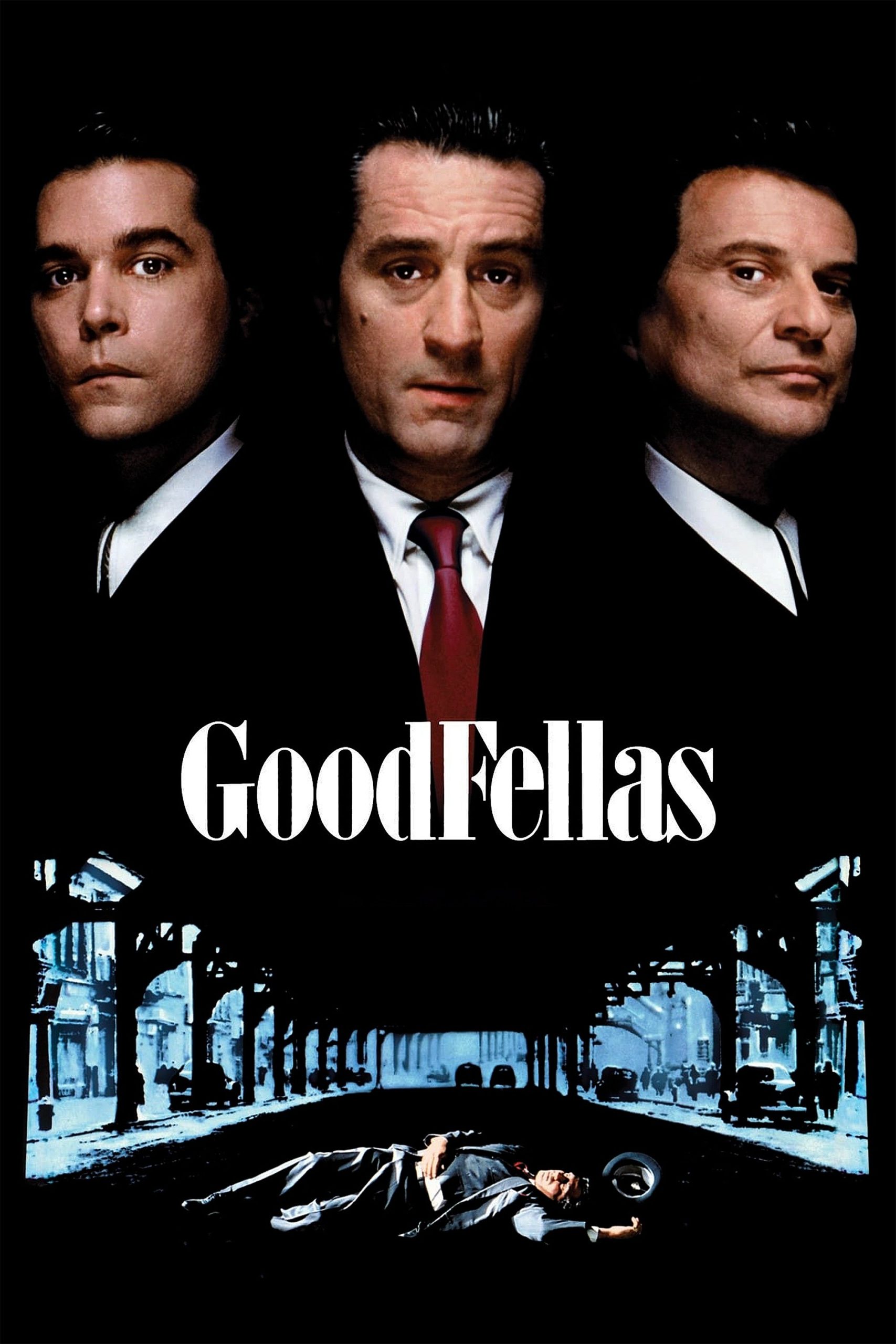
The Genre of This Film
Every time I watch “Goodfellas,” I feel like I’m stepping into a rough-hewn yet hypnotic universe—one that fully embodies the crime, more specifically the gangster, genre. For me, the film stands out as the definitive American gangster picture, reshaping my understanding of what a mob film could look and feel like. The pulse of criminal life, the strict adherence to the codes of the underworld, the relentless build-up of tension all ground this film unmistakably within the classic gangster tradition. I see “Goodfellas” as more than just a story of organized crime; it’s an intricate portrait of the inner workings of mob culture, and that’s precisely why I consider it an archetype for its genre.
Key Characteristics of the Genre
- Common themes
- Typical visual style
- Narrative structure
- Character archetypes
I’ve always noticed that the gangster genre, in its purest form, zeroes in on ambition, loyalty, betrayal, greed, and the constant balancing act between violence and family. In nearly every gangster film I’ve gravitated toward, questions of power—how it’s gained, displayed, and inevitably lost—loom heavy over the characters. These stories often revel in the seduction of material success, counterbalanced by the ever-present shadow of retribution. Whether it’s the tragic arc of a crime boss or the rise and fall of an eager recruit, these movies showcase how delicate the line between loyalty and treachery can be.
When I think of the visual lexicon of the classic gangster film, I immediately recall dimly lit interiors, lavish clubs, seedy backrooms, and the understated elegance of tailored suits under harsh streetlights. There’s a kinetic energy embedded in the camera work—tracking shots that pull me through bustling cocktail lounges, quick cuts during moments of violence, and an almost obsessive focus on details like jewelry, cars, and food. Smoky atmospheres, chiaroscuro lighting, and saturated reds and blacks tend to dominate the palette, creating an aesthetic that feels both glamorous and menacing. The genre, in my mind, is inseparable from the aura of sophisticated danger these visuals conjure.
I’ve always been struck by how gangster narratives move with a sense of inevitability. The stories often unfold in a cyclical fashion: the protagonist’s initial attraction to power, their rise through the ranks, a period of audacious excess, and then, almost predictably, a swift descent. Flashbacks, narration, and voiceovers are frequent devices, giving me the distinct feeling that these films are oral histories, confessions, or even warnings. The narrative structure puts personal perspective front and center, sometimes letting me inhabit the psychology of a criminal or see the world through their rationalizations.
Whenever I delve into the gangster genre, I find a familiar cast: the ambitious outsider desperate for respect, the cool-headed don or boss serving as both protector and tyrant, the loyal but unstable enforcer, the long-suffering spouse, and a rogue’s gallery of minor players. There’s almost always a mentor-pupil dynamic—the old hand showing the new kid the ropes—along with a sense of brotherhood that teeters between camaraderie and volatility. I also encounter betrayals from within the inner circle, which, to me, reinforces that trust is both the foundation and the Achilles’ heel of this entire world.
How This Film Exemplifies the Genre
When I immerse myself in “Goodfellas,” I’m struck by the authenticity and totality with which it immerses me in gangster culture. Nothing feels exaggerated for its own sake; instead, I witness the careful choreography of brutality and charm. The film’s use of narration draws me intimately into Henry Hill’s mindset, and I feel like I’m being personally handed the rules of “the life.” Every aspect—from the electric pace of the tracking shots through the Copacabana’s back entrance to the lavish Italian feasts and meticulously detailed heists—grounds the world in both excitement and danger. I’m confronted with the seductive lure of easy wealth and the adrenaline of underworld status, yet I’m never allowed to forget the consequences lurking behind every celebration.
For me, the film’s character dynamics stand as textbook gangster portrayals brought to raw, visceral life. Jimmy Conway and Tommy DeVito are not just supporting players—they are full-blooded incarnations of the genre’s most compelling (and alarming) archetypes: the calculating, generous mentor and the volatile, unpredictable enforcer. The acts of violence, when they erupt, jolt me every time, partly because they often unfold in the middle of seemingly mundane moments. I find myself seeing how casual brutality was normalized, almost ritualized, as part of the mob’s daily routine.
What keeps pulling me in, though, is the unwavering focus on the consequences of living by the mob code. Loyalty and betrayal aren’t just tropes here; they feel lived-in, and each infraction carries gut-wrenching emotional stakes. Henry’s eventual descent—fraying nerves, paranoia, and the loss of everything he thought he valued—echoes the inevitable tragedy of the classic gangster arc. Scorsese doesn’t just show the glitz and adrenaline; he makes me feel the cost, both personal and communal, of this unsustainable way of life.
The film’s visual style also feels, to me, like a masterclass in genre aesthetics. The energy of the camera movements, the saturated colors of nightclubs, and those unforgettable freeze-frames all deepen my sense of the world’s layered allure and danger. Every choice seems engineered to make me complicit, even mesmerized, by violence and excess before abruptly drawing attention to its emptiness. The soundtrack doesn’t just illustrate the era; it underlines every emotion, every triumphant heist, and every sudden act of violence. It’s as if every bit of style serves to pull me deeper into this world—and just as quickly, to jolt me out of its spell.
Other Essential Films in This Genre
- The Godfather (1972) – When I watch “The Godfather,” I feel the full gravity of generational legacy and the intricate dance of family, loyalty, and organized crime. This film, to me, sets the gold standard for the gangster genre, emphasizing ritual, hierarchy, and the subtleties of power. The storytelling unfolds with patient elegance, and the relationships between the Corleones provide a study in how personal loyalty is constantly in tension with business obligations. For me, the film’s greatest strength lies in its ability to evoke both the appeal and the tragedy at the heart of the mob world.
- Scarface (1983) – Every time I revisit “Scarface,” I’m hit by its feverish, relentless energy. Unlike the cooler, more nuanced approach of some gangster films, this movie throws me into a world of excess and unchecked ambition. Tony Montana’s meteoric rise and catastrophic fall showcase how greed and power can consume even the most cunning operator. Its stylized violence and brash intensity place it among the genre’s most unapologetic milestones. I can’t ignore how its style and quotable bravado have influenced generations of filmmakers and audiences alike.
- Once Upon a Time in America (1984) – What stays with me most after viewing this film is its elegiac tone. I feel transported by its sprawling, decades-spanning narrative, which weaves childhood friendships, betrayals, and the changing face of organized crime into something profoundly melancholic. The shifting timelines and dreamlike sequences pull me into a deep reflection on memory and regret, which, while unique in execution, still honors all the fundamental traits of the genre—loyalty, ambition, and the bitterness of lost innocence.
- The Public Enemy (1931) – Whenever I return to this early genre classic, I’m immediately aware of how foundational it is to everything that followed. Watching James Cagney’s unvarnished performance, I witness the prototype for so many later mobsters: brash, ambitious, and tragically limited by his own world. Its unfiltered look at Prohibition-era crime always reminds me how these narratives are as much about sociology as about violence. The brisk pacing and stark moral contrasts give the film a punch that still feels fresh nearly a century later.
Why This Genre Continues to Endure
I often find myself asking why the gangster genre refuses to fade, why it keeps pulling me—and so many viewers—back for more. I think it’s deeply rooted in the dilemmas that define not just crime stories but human nature itself. Every time I enter these cinematic underworlds, I confront questions of ambition, power, family, and loss. I relate to the allure of forbidden territory and the fantasy of living beyond the rules, but I also see the inevitable reckoning that comes with these choices. I suspect many others share this vicarious thrill, the rush that comes with watching others toe moral (and literal) lines we dare not cross in our own lives.
The gangster film, for me, offers both wish fulfillment and cautionary tale. It’s the grandeur of risk and reward, coupled with a sobering sense of the consequences that make these stories endlessly compelling. I get to see the full arc of human aspiration—greed, camaraderie, betrayal, punishment—compressed into visceral narratives that refuse to sanitize either triumph or loss.
There’s something about the genre’s visual style—a cocktail of dark glamour, violence, and decadence—that keeps these stories from feeling purely historical or remote. I find that each new filmmaker who tackles the gangster template finds fresh ways to reflect changing times, shifting cultural anxieties, and evolving codes of loyalty. With every crisp suit, every smoky backroom, every electric showdown, I’m reminded that the questions these films pose are never fully settled. The genre’s endurance, as I see it, isn’t just about entertainment—it’s about the timeless, uneasy fascination with those who chase the American dream down its most dangerous alleyways.
If you’re interested in how viewers respond beyond technique, you may want to explore audience and critical reception.
🎬 Check out today's best-selling movies on Amazon!
View Deals on Amazon