The Genre of This Film
Whenever I revisit Howl’s Moving Castle, I immediately situate it within the fantasy genre. I don’t just arrive at this conclusion because of its abundance of magic, shapeshifting wizards, or enchanted castles. For me, the film radiates an imaginative energy that feels unique to fantasy—where reality bends, rules are remade, and absolutely anything can happen. The film’s approach to world-building, its intricate magical lore, and the sense that every element is possible if one simply believes—all of these solidify it, in my mind, as a defining work of fantasy cinema. What sets this film apart for me is the way it embraces the genre without apology; it submerges me in a reality where chandeliers walk and curses aren’t simply obstacles but transformative experiences. This bold, unrestrained dive into the impossible is why I see Howl’s Moving Castle as archetypal fantasy—unafraid to paint the fantastical as something both wondrous and deeply personal.
Key Characteristics of the Genre
-
Common themes
- When I think about fantasy’s themes, what strikes me is how they circle around journeys of transformation, the eternal battle between order and chaos, and worlds where imagination outpaces logic. I’m always drawn to how these stories illuminate the power of hope and courage against the dark unknown. Frequently, fantasy asks its heroes to confront the boundaries of aging, love, and personal destiny in settings steeped in enchantment and myth. Confrontation between good and evil remains central, but it often feels more nuanced: the best fantasy films, in my eyes, reveal that even the brightest magic comes with costs and consequences.
-
Typical visual style
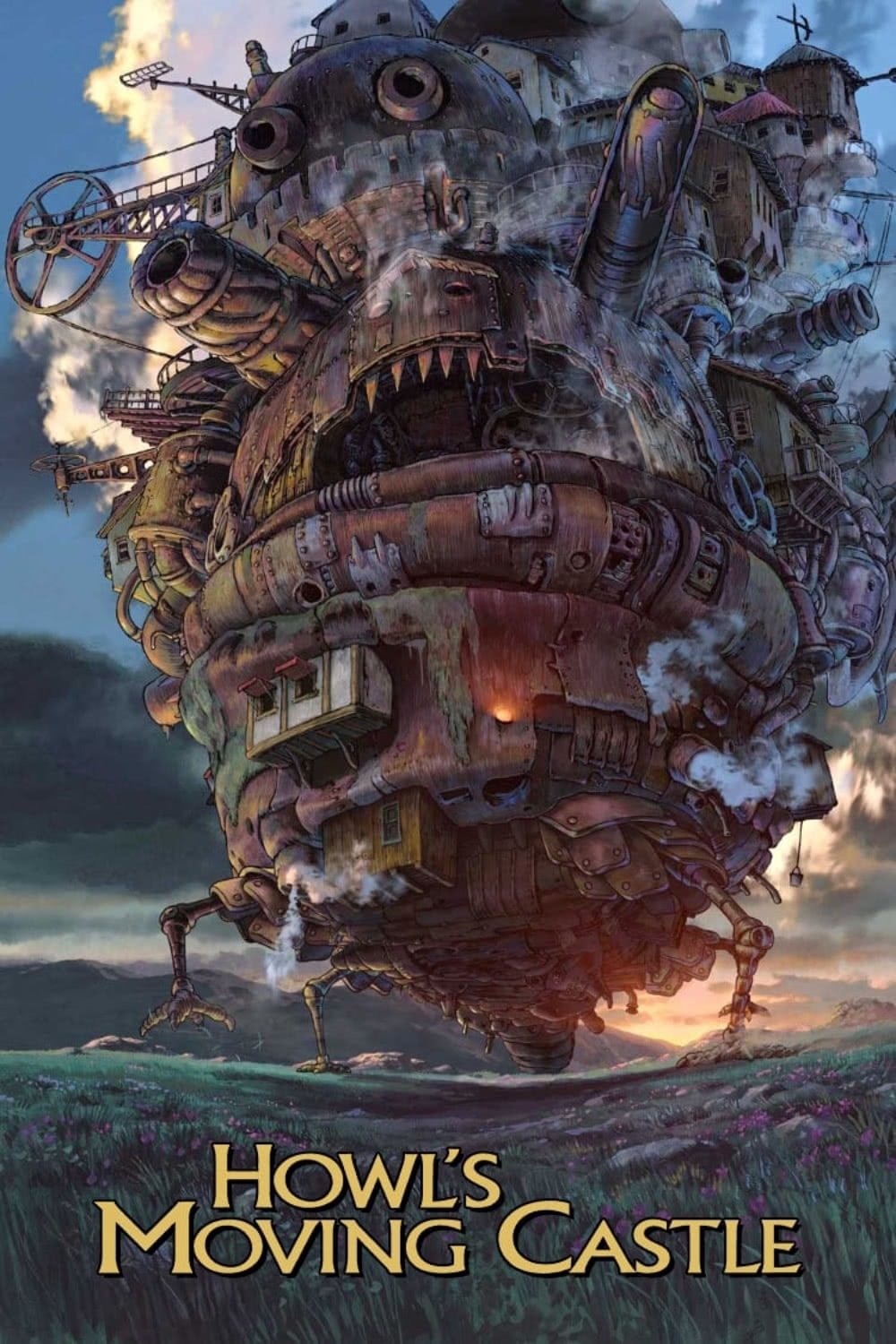
- I’ve always found myself enthralled by the fantasy genre’s commitment to the mesmerizing and the surreal. Rich color palettes, evocative landscapes, and grand, sweeping vistas dominate the screen. There’s a love of ornate detail: moving castles belching steam, talking fires, whimsical creatures, and worlds that sprawl far beyond conventional reality. Lighting, too, plays its part—it’s frequently soft, dreamlike, imbuing everything with an otherworldly glow. Every shot feels like an invitation to believe in the impossible for just a little while longer.
-
Narrative structure
- I recognize consistent storytelling traditions in the genre: quests, coming-of-age arcs, and journeys through strange lands. Fantasy narratives guide me on odysseys that couple external adventures with deeply personal transformations; I watch as protagonists musters inner strength, build unlikely alliances, and ultimately return home changed. There’s a strong tendency toward circular structure—the story begins with disruption, moves through increasingly magical (and perilous) territory, and ultimately resolves with newfound insight or restoration. I find that fantasy is never content to stay still; it urges every character and viewer alike to move ever forward.
-
Character archetypes
- Fantasy is always bursting with larger-than-life personas—heroes and heroines plucked from obscurity, wise or mysterious mentors, malevolent sorcerers, and creatures of myth. I’m constantly fascinated by how these archetypes play against or subvert audience expectations: a witch might become an unwitting ally, a monster a misunderstood friend. There’s a fluidity to fantasy’s characters; their identities and loyalties often shift as the quest unfolds, making them vehicles for metaphor and empathy. It’s this richness and unpredictability in characters that keeps me coming back, eager to see who they’ll become next.
How This Film Exemplifies the Genre
No matter how many times I experience Howl’s Moving Castle, I am swept up by its total commitment to what fantasy can achieve on screen. The film’s world isn’t just populated with magical oddities—it is built on a foundation where the fantastic is the rule, not the exception. I am invited immediately into a landscape of towering castles marching over hills, enchanted doorways that open into disparate cities, and a menagerie of impossible beings. This isn’t window dressing; it’s a lived-in, breathing universe that pulses with imagination.
What cements the film’s place in fantasy, for me, is the way it grants reality to the impossible. I am always struck by the sense that magic is more than just a source of spectacle—it’s woven into the characters’ lives as both blessing and burden. Curses drive character transformation, and spells are the vocabulary through which emotional truth is expressed. I notice that the boundaries between heroism and cowardice, age and youth, are constantly melting away; Sophie’s shifting appearance throughout the story literalizes the genre’s core promise that anything can be transformed, given enough heart.
The visuals are a feast, and I become engrossed in every frame packed with ornate detail and kinetic movement. There’s nothing ornamental about the fantastic landscapes—each magical object or entity feels rooted in the world’s logic. The animation’s lush colors and painterly style transport me to a realm that is familiar yet tantalizingly out of reach. When I listen to the score or watch a scene glide from the mechanical clangor of the castle’s engine room to mist-shrouded countryside, I am reminded of how the genre flourishes when the ordinary and the extraordinary walk side by side.
The narrative, meanwhile, is pure fantasy in its construction: instead of a linear path, the story unspools through interwoven threads of adventure, romance, and self-discovery. Sophie’s journey, in my eyes, isn’t simply a trek to break a spell; it’s a search for meaning and agency in a world that seldom makes sense. The fluid timeline and open-endedness leave room for ambiguity and wonder. As I watch Sophie, Howl, and their companions overcome not just external villains but the everyday trials of insecurity and change, I see the genre’s core—the impossible reshaping the profoundly personal.
I also recognize classic archetypes at play, but with twists that subvert expectation. Sophie may begin as a timid protagonist, but her journey towards assertiveness feels natural, propelled by encounters with eccentric sorcerers, nurturing fire demons, and fierce, morally gray witches. What I admire most is how these archetypes evolve: no one is static, and every character’s growth mirrors the genre’s love of metamorphosis. For me, the fantasy genre isn’t just about spectacle but about exposing the magic within ordinary people—something Howl’s Moving Castle does with enchanting grace.
Other Essential Films in This Genre
- Spirited Away – I am always captivated by the way this film redefines the boundaries of fantasy. Here, a reluctant young heroine must navigate a brilliantly realized spirit world teeming with unpredictable magic and moral ambiguity. The lush environments and inventive details have always convinced me of the genre’s ability to conjure entire universes overflowing with awe and uncertainty. The transformative quest of its central character echoes the same sense of internal and external change that distinguishes great fantasy cinema.
- The NeverEnding Story – Whenever I return to this classic, I’m struck by how it plays with the idea that storytelling itself unlocks the doors to other worlds. It’s a film anchored by an ordinary child’s journey into a land governed by pure imagination and mythic stakes. Every time I watch the interplay between reality and fantasy, I’m reminded of the genre’s power to blur the line between daydream and lived experience, inviting me as a viewer to become part of the adventure.
- The Lord of the Rings: The Fellowship of the Ring – No fantasy genre conversation feels complete, in my opinion, without mentioning this sweeping epic. This film offers a grand tapestry of invented languages, sprawling landscapes, and a vast ensemble of questing heroes and ancient evils. Whenever I revisit Middle-earth, I appreciate the meticulous world-building and morality tales that play out amidst breathtaking visual spectacle. For me, it epitomizes how fantasy, at its best, tackles the tension between destiny and free will.
- The Secret of NIMH – This film, though maybe less obvious, stands out to me as a beautifully dark and magical tale. Centered around a timid field mouse seeking to save her home, I find the film’s blend of naturalism and mysticism compelling. The richly animated world is shot through with elements of myth and science fiction, and the narrative explores courage and transformation—themes that pulse at the genre’s heart. Experiencing its mixture of peril and enchantment, I’m reminded of how fantasy thrives on emotional depth.
Why This Genre Continues to Endure
When I reflect on why fantasy remains so beloved, I’m always brought back to its boundless invitation to imagine a better, stranger, or more hopeful world. In fantasy, I watch powerless figures discover unexpected strengths, and I see immense systems—be they magical kingdoms or corrupted governments—challenged not by brute force, but by wit, love, or vulnerability. What holds my attention after all these years is not just the escapism, but the sense that fantasy allows me to think beyond the possible and explore the depths of courage, self-discovery, and compassion in ways no other genre can.
Personally, I find comfort and challenge in the way fantasy destabilizes certainty. By upending the ordinary and inviting the magical, these stories push me to reimagine my own limits and convictions. I’m often moved by their emotional honesty, even as I marvel at the spectacle and invention on display. My favorite aspect is how fantasy offers new visions over and over again, speaking to audiences across decades and cultures, all yearning for meaning, belonging, and a sense of wonder that lingers long after the movie’s end.
If you’re interested in how viewers respond beyond technique, you may want to explore audience and critical reception.
🎬 Check out today's best-selling movies on Amazon!
View Deals on Amazon