
Film Movement Context
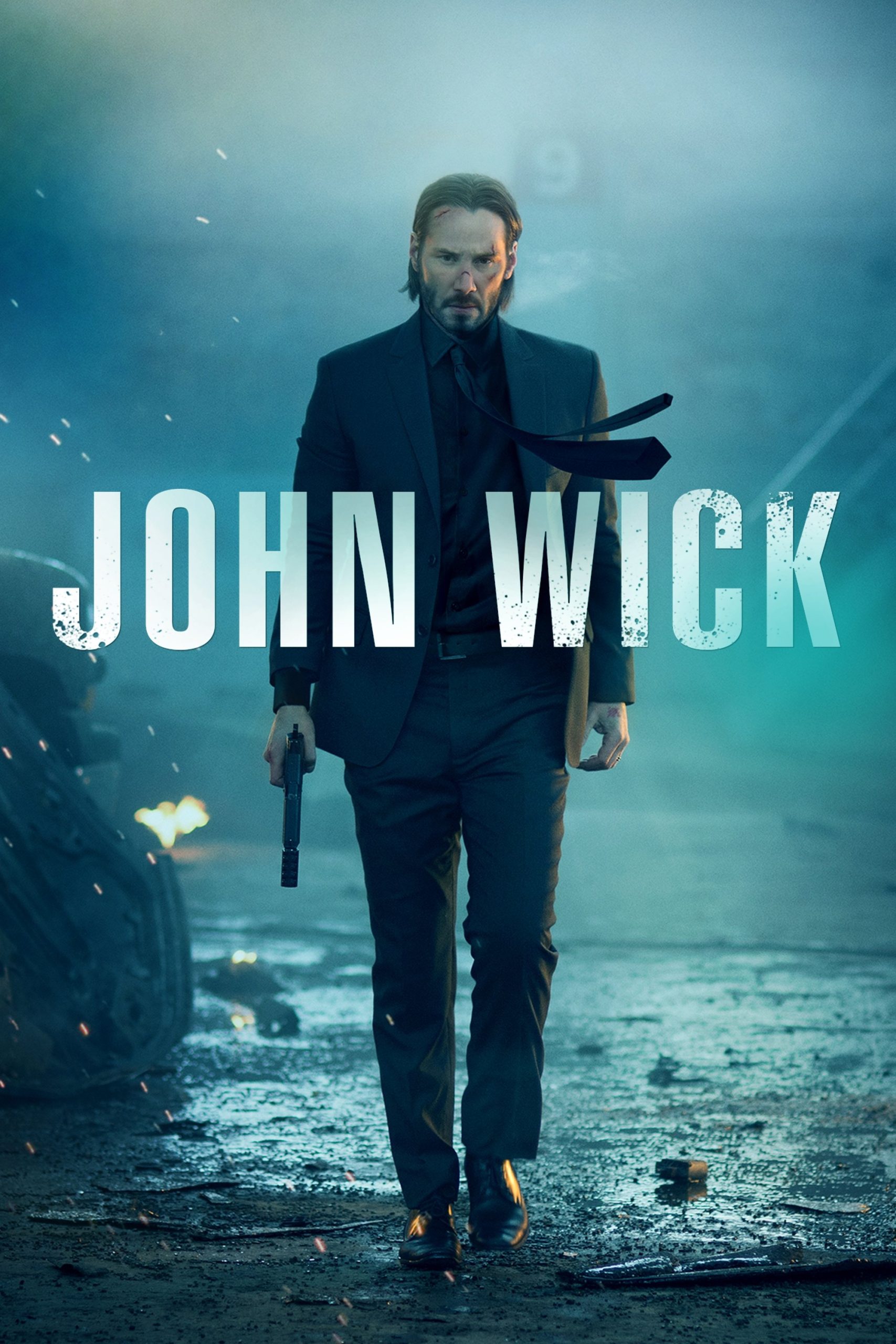
I’ll never forget the first time I saw John Wick—not just for its relentless energy, but for the meticulous attention it paid to how violence could be choreographed as if every bullet had a rhythm, every blow a balletic intention. As I reflect on where this movie sits in the landscape of film movements, I see it as inseparable from the so-called “Neo-Action” or “Post-Modern Action” movement—a tradition that revitalizes the action genre with stylized violence, kinetic cinematography, and a heightened, almost mythic sense of world-building. I don’t just see John Wick as another genre exercise. Instead, it’s a touchstone for a tradition that marries Western action with the narrative clarity and visual obsession that typify influences from 1990s Hong Kong cinema—filtered through a distinctly American lens of melancholy and vengeance. These movies feel to me like an answer to the numbness of digital action setpieces; they remind me that action, when handled with reverence for physicality and mood, can provoke a visceral, almost operatic response.
Historical Origins of the Movement
My own viewing habits have led me down a rabbit hole of what action has meant across decades. When I trace the roots of “Neo-Action,” which John Wick so clearly embodies, I always come back to dissatisfaction—directors, and audiences like myself, craving an antidote to the murky, hyper-edited chaos of early-2000s Hollywood action. I remember the fatigue that set in after countless blockbusters filled with shaky cams and digital spectacle, devoid of gravity or grace. The movement emerged in explicit resistance to that, taking its cues from the kinetic, tactile action of John Woo’s Hong Kong films and the tightly constructed gunplay of anime like Cowboy Bebop and Trigun, as well as earlier balletic violence seen in Sam Peckinpah’s slow-motion shootouts. In the States, filmmakers like Chad Stahelski, himself a former stuntman, positioned the camera so my eyes could finally breathe, letting each sequence play out almost like a dance. What I see now is that this movement was born of an impatience with disconnection—a rebellion against action reduced to noise, striving instead for clarity, momentum, and a respect for bodily risk.
Looking back, I realize the 2010s had a growing cult of action enthusiasts, myself included, who rallied around films that offered coherence and directness: The Raid and its sequel, Gareth Evans’s forays into Indonesian martial arts, and even the physical commitment of Tom Cruise in the Mission: Impossible reboots. All of these, for me, set the stage for John Wick’s emergence: a movement built not just on action, but on atmosphere, visual craftsmanship, and mythic storytelling that borrows as much from graphic novels as from classic Clint Eastwood fables.
This Film’s Contribution to the Movement
When I revisit John Wick, what hits me hardest is the way it refines the blueprint of the Neo-Action movement and also reinvents its language. The opening salvo—cold, sharp, almost funereal—expects me to tune into more than adrenaline. Every move Keanu Reeves makes feels weighty, with the logic of pain and consequence underscoring each action. Instead of the hyperreal gloss or tongue-in-cheek invincibility I’m used to in earlier American action, there’s an emotional bruising underlying every setpiece. That willingness to root violence in character—the sense of a driven, broken man enmeshed in an otherworldly criminal underworld—pushes the movie out of generic revenge territory and into something resembling myth-making. I often feel like I’m witnessing an urban legend play out: a ghost story told through gunfire and grief, scripted with the tightness and discipline rarely seen this side of the Pacific.
What really distinguishes John Wick for me is its commitment to craft, a hallmark of the movement. The film dispatches with the quick-cut, coverage-driven style I grew up seeing in late-90s blockbusters. Instead, Stahelski’s background in stunts translates into extended takes, locked-down frames, and a choreography that resembles stage combat—inviting me to actually see everything. Each “gun-fu” sequence is both brutal and beautiful, treating combat like choreography, not chaos. Crucially, though, all the style never obscures the emotional stakes. I sense John’s futility, his rage, and the emptiness of retribution on his face, and that sadness reverberates through every moment. It’s cinema that doesn’t just revel in violence; it ponders its cost. That, to me, is the movement at its most evolved.
I’m also consistently struck by the way the film uses world-building as a narrative accelerant: the Continental Hotel and its inflexible codes, the ancient tokens of passage, the symphony of Russian and Italian among assassins. It feels like a dark fairy tale, spinning out its own logic within the urban gloom. By doing this, John Wick takes the concerns of the Neo-Action movement—physicality, pain, consequence—and wraps them in a fantasy shell that enhances their allegorical potency. What’s most fascinating to me is how this mythic layering, combined with peerless technical polish, turned an ostensibly simple revenge yarn into an instant keystone for a whole new cycle of genre films.
Influence on Later Genres and Films
- Action Choreography Scholarship – I can’t think about action cinema post-2014 without recognizing how John Wick set a new bar for the discipline and visibility of choreography. Stahelski and his crew made stunt work visible, revered, and central to the storytelling in a way that finally gave physicality its due. Watching other films try (often unsuccessfully) to match its blend of clarity and brutality, I feel as though the movie cracked open an industry-wide conversation about craftsmanship. We now see lengthy takes celebrating performers’ precision, from Netflix originals to even dramas that want their fight scenes to mean something. For me, this renewed respect repositions action as an art form, not just a commodity.
- Expansion of Genre Hybridity – What excites me almost as much is the movie’s sly genre blending. John Wick fuses action, noir, fantasy, and even western codes, inviting a generation of filmmakers to think larger and looser about what action films can do. When I watch movies like Atomic Blonde or Extraction, I’m keenly aware that they’re riffing on John Wick’s fusion of operatic violence with neon-lit melancholy and world-building. This has produced a noticeable trend: rather than just blowing up cities for spectacle, recent action films now build complex universes with their own codes, currencies, and fables, framing violence as ritual, not just plot device.
- Elevation of Neo-Noir Mood and Aesthetic – I often point out how the movement’s most meaningful contribution is its visual and tonal palette—saturated colors, rain-slicked streets, mournful music, and sharply dressed outcasts. John Wick transformed what could have been a disposable revenge thriller into something coolly elegiac. I see its influence in the resurgence of neon noir, from TV shows that borrow its palette to thrillers and even horror films that convey alienation and loss through lush, stylized images. This resurgence shapes not just how action is shot, but how it feels and how it lingers in my mind long after the gunsmoke clears.
The Movement’s Lasting Impact
If I’m candid, the Neo-Action movement awakens something both nostalgic and aspirational in me: it reminds me of why I first loved the tactile, dangerous thrill of physical cinema, but also of how action can be contemplative, even poignant. The movement matters to me not just as a corrective to the excesses of digital spectacle, but as a philosophical rebuke—a way of asserting that bodies, suffering, and style are never just for show. With John Wick at its pinnacle, the Neo-Action tradition endures because it trusts viewers like me to appreciate complexity: it parades style and myth without losing sight of human vulnerability. The impact lingers in the way movies are made and watched—demanding, above all, respect for craft, emotion, and world-building. When I seek out modern action films, I still see the shadow that John Wick cast: a blueprint that proves violence can be operatic, mythic, and meaningful. For me, and for anyone who responds to this marriage of style and substance, the Neo-Action movement keeps the genre evolving—and keeps it honest.
To connect style and technique with broader context, you may find these perspectives useful.
🎬 Check out today's best-selling movies on Amazon!
View Deals on Amazon