
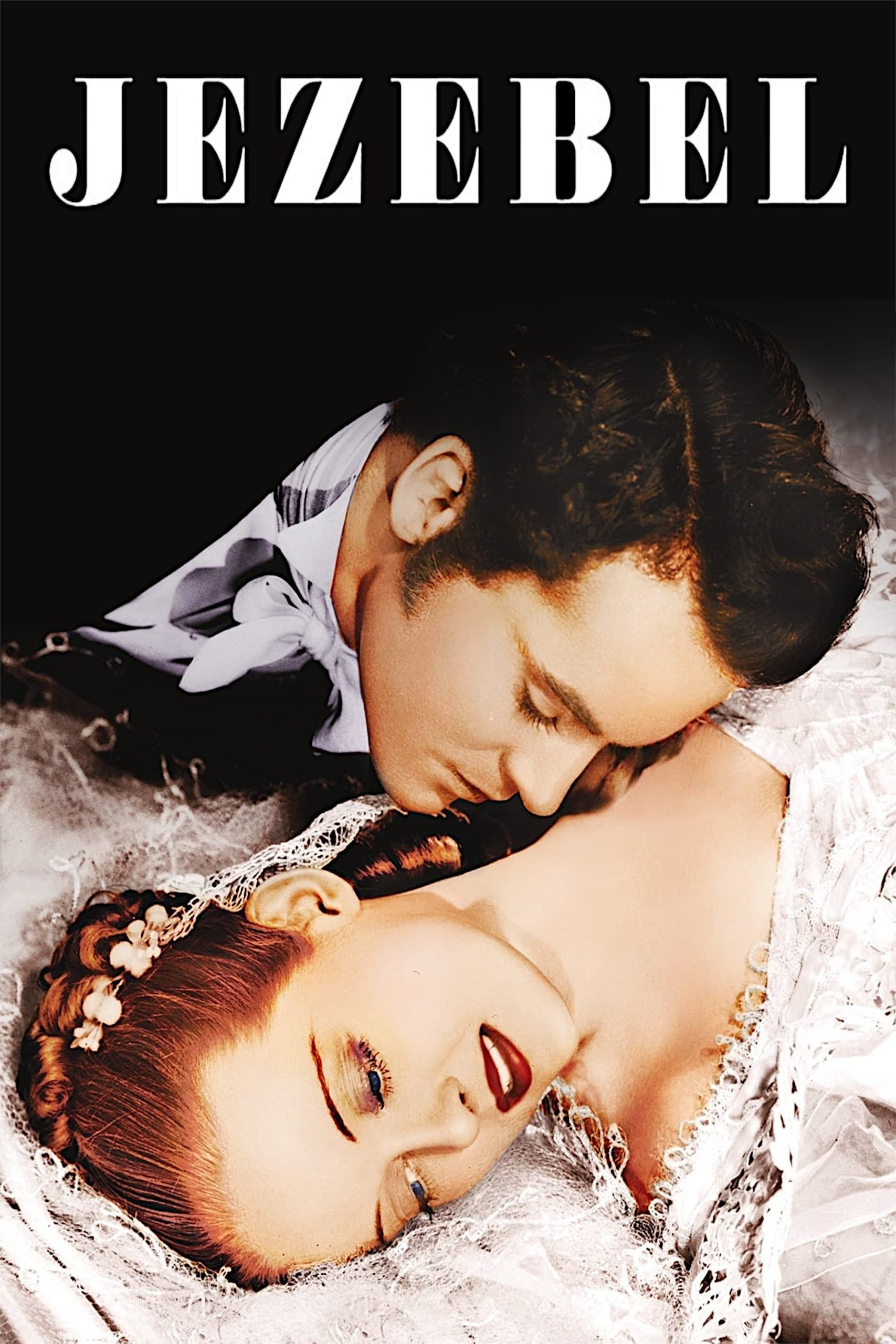
The Genre of This Film
Whenever I revisit Jezebel, I am struck by its unapologetic immersion in the melodrama genre. I’ve always found “melodrama” to be a term that’s tossed around too loosely, but in the case of Jezebel, it couldn’t be more apt. This film, released in 1938 and directed by William Wyler, is for me the very embodiment of classic melodrama—so much so that I almost use it as a reference point with my students whenever genre distinctions come up. The emphasis on heightened emotion, swirling personal conflict, and overwrought social codes in the American South makes it impossible for me to see it as anything but a model melodramatic tale, rather than a straightforward romance, period drama, or historical epic. When I watch Bette Davis become Julie Marsden, bristling against the expectations of polite society, I see all the hallmarks of melodrama: the moral stakes, the emotional crescendos, and the shattering consequences of personal rebellion.
Key Characteristics of the Genre
-
Common themes
I’ve always noticed that melodramas dig into themes that feel both intimate and universal. In my experience, the genre thrives on conflicts between personal desires and restrictive societal rules. It so often explores the tension between private morality and public expectation—a dynamic that feels deeply human, even if it’s dressed up in period costumes. I also see melodrama as a stage where themes like guilt, redemption, forbidden love, pride, and the burden of reputation are played for maximum moral impact. On top of that, melodrama often contemplates fate—how one’s actions, sometimes reckless or contrary, lead to tragedy or bittersweet acceptance. For me, these recurring ideas make melodramatic films at once cautionary tales and invitations to empathize with flawed protagonists. -
Typical visual style
When I am watching a melodrama, the visual palette is never neutral. The genre leans into rich, often lush cinematography: think dramatic lighting, deep shadows, and expressive use of space. I’ve always admired the way these films build tension through visually striking compositions. Interiors tend to be opulent or, at the very least, intricately decorated, reinforcing the status and constraints of the characters. Costuming, too, is heightened—bright, bold, sometimes even anachronistic, serving to spotlight both the era and the personalities in conflict. Visuals are engineered to mirror the characters’ emotional states, something I consider essential for true melodrama. High contrast, symbolic placement within the frame, and emotionally loaded set pieces all feed that sense of drama boiling over. -
Narrative structure
The organizational pattern of melodrama, at least as I’ve encountered it, rarely follows a simple, happy progression. Stories commence with a social or moral harmony that is soon disrupted by an impulsive or passionate act. The characters spiral through a domino effect of consequences—often tragic or deeply cathartic. In the classic tradition, melodramas unravel through a series of dramatic set pieces: confrontations, revelations, crises of conscience. I find that the genre frequently builds toward moments of emotional or thematic reckoning, where characters are forced to account for their choices, with the narrative sometimes circling back to forgiveness or exile. These films operate on a rhythm that prizes suspense, public shaming, and ultimately, some form of hard-won resolution. For me, the entire journey is about making the interior lives of its characters visible, even volcanic. -
Character archetypes
If there is any place melodrama truly sets itself apart, it’s the consistency of its archetypes. I often find myself drawn to the genre by the sheer force of its protagonists. The “fallen woman” or defiant heroine—complex, magnetic, destructive in her confidence—is a staple; her romantic partner is more likely to be sensitive yet bound by societal duty. Authority figures—parents, judges, guardians—are omnipresent, standing in for societal power. Rivals for affection, loyal servants, and voices of caution swirl around the main couple. What’s always struck me is how these characters are exaggerated but not without nuance; they become vessels for expressing extremes of shame, pride, jealousy, and regret. I watch them hoping for redemption or transformation, and the best melodramas, in my experience, oblige by making every breakdown or declaration thunder with feeling.
How This Film Exemplifies the Genre
When I settle into Jezebel, I feel myself transported into the spectral heart of melodrama. Personally, I consider the film’s commitment to emotional spectacle unmatched among its contemporaries. From the outset, Bette Davis’s Julie is a powder keg—an archetype melodrama loves—a woman too bold for the rigid postures of antebellum New Orleans. Her refusal to follow the color conventions at the Olympus Ball is the kind of symbolic gesture, dripping with pent-up emotion and social risk, that defines the genre for me. The film doesn’t just allow for spectacle; it demands it at every turn. Each of Julie’s choices, especially the spectacular act of donning a red dress in place of white, results not only in community uproar but also in a private reckoning that feels both mythic and intensely personal. I interpret this public ridicule and eventual ostracization as the melodramatic engine at full speed, spinning societal judgment into tragedy.
The visual style is never accidental. I’m always aware of the way Wyler frames his actors within lavish interiors, using mirrors, archways, and dramatic shadows to reinforce a sense of entrapment or longing. The cinematic affect is heightened by the contrast between the gilded, refined architecture and Julie’s emotional storms. I notice how the stormy weather and sweltering heat serve as visual metaphors, amplifying the climatic interpersonal battles. To me, the sense of atmosphere in Jezebel is more than mere window dressing; it is melodrama’s emotional weather system materialized, broadcasting turmoil and impending doom across every scene.
I remember the impact of the narrative structure whenever the story swings from romantic heat to the frigid consequences of pride. The action revolves around a handful of life-altering decisions—Julie’s stubbornness, her efforts at redemption, her confrontation with the morality of her society. For me, the plot’s oscillation between brash assertion and humbling retreat is textbook melodrama, where cathartic fallout is just as important as the spark. The dramatic rhythm of the film is insistent and unyielding: scenes are constructed to pile on humiliation, longing, and, finally, self-sacrifice, which I see as the genre’s favorite way to resolve the intractable conflict between self and society.
It’s the characters that keep me watching, though. Julie Marsden is as melodramatic a heroine as I’ve ever met—brash, proud, spectacularly flawed, yet heartbreakingly vulnerable. Her lover, Pres Dillard, is torn between feeling and duty, while the supporting cast—Miss Kendrick, Buck Cantrell, and the minor players—all exist to reinforce the dangers and temptations of the melodramatic world. Olivia de Havilland’s Amy embodies the “other woman” not as a mere foil, but as a subtle commentary on forgiveness and moral contrast. I’m endlessly fascinated by the collision of archetype and individuality in these roles, and how Wyler and his cast refuse to back down from the heightened emotional stakes that define melodrama. More than anything else, the consequences of Julie’s choices—her public disgrace, her private despair, her contested redemption—appear to me as an affirmation of the genre’s enduring magnetism: it insists on consequences, but leaves room for grace.
Other Essential Films in This Genre
- Mildred Pierce (1945) – For years, I’ve regarded Joan Crawford’s turn in Mildred Pierce as a masterclass in the melodramatic tradition. The film explores the sacrifices and stigmas attached to maternal ambition, layering its noirish elements with an unmistakably melodramatic core. I find that the crises of reputation, familial betrayal, and female agency intersect seamlessly. Scenes bristle with emotional stake and public spectacle, which I always look for as the genre’s signature.
- Imitation of Life (1959) – Whenever I introduce students to melodrama, I point to Imitation of Life and its audacious engagement with race, class, and identity. Douglas Sirk fashions stories that are overflowing with pain, misunderstanding, and yearning for social acceptance. I see the genre’s DNA in the film’s vibrant color schemes, dramatic weather, and devastating confrontations between mothers and daughters. What stays with me most is the collective ache—melodrama at its most elegant.
- Now, Voyager (1942) – I can’t think of classic melodrama without mentioning Now, Voyager. Bette Davis again, but in a different register: the transformation from repression to self-assertion, illuminated by shadowy interiors and surgical close-ups. The film wrings suspense and empathy out of a series of emotional escalations—a daughter’s struggle for autonomy, and the cost of loving outside convention. For me, every line and gesture lands like a confession.
- All That Heaven Allows (1955) – My appreciation for melodrama deepened after encountering Sirk’s lush vision in this film. The intense color, carefully composed frames, and visual motifs etched the genre’s message into my memory: love might be doomed, but longing is eternal. I experience every scene as a duel between passion and repression, highlighted by the community’s unforgiving gaze and the characters’ private reckonings.
Why This Genre Continues to Endure
I am endlessly fascinated by how melodrama has managed to keep a hold on audiences, decade after decade. For me, it comes down to the way the genre foregrounds emotion and harnesses the spectacle of private pain made public. Audiences, no matter the time or place, recognize something personal in the outward displays of longing, regret, and rebellion. When I watch a melodrama, I feel as if my own inner landscapes—messy, conflicted, often at odds with the world—are being projected onto the screen in dazzling color and stirring music. There is no shame in grand feeling here, and I think that’s why people return to these films: melodrama invites catharsis, encourages identification, and takes the risk of wearing its heart on its sleeve.
The genre’s durability, in my eyes, owes much to its flexibility. Melodrama has shape-shifted across periods, countries, and even mediums, always retaining its commitment to emotional truth and moral consequence. I often tell students that as long as people are moved by love’s unpredictability or society’s harsh judgment, melodrama will keep evolving—sometimes disguised as romance or biopic, but never losing its nerve. When I recommend a melodrama to someone, I’m inviting them to surrender to excess, to value expressive storytelling, and to experience the sublime spectacle of human fallibility. It’s a genre that understands heartbreak and, in doing so, makes us feel less alone.
If you’re interested in how viewers respond beyond technique, you may want to explore audience and critical reception.
🎬 Check out today's best-selling movies on Amazon!
View Deals on Amazon