
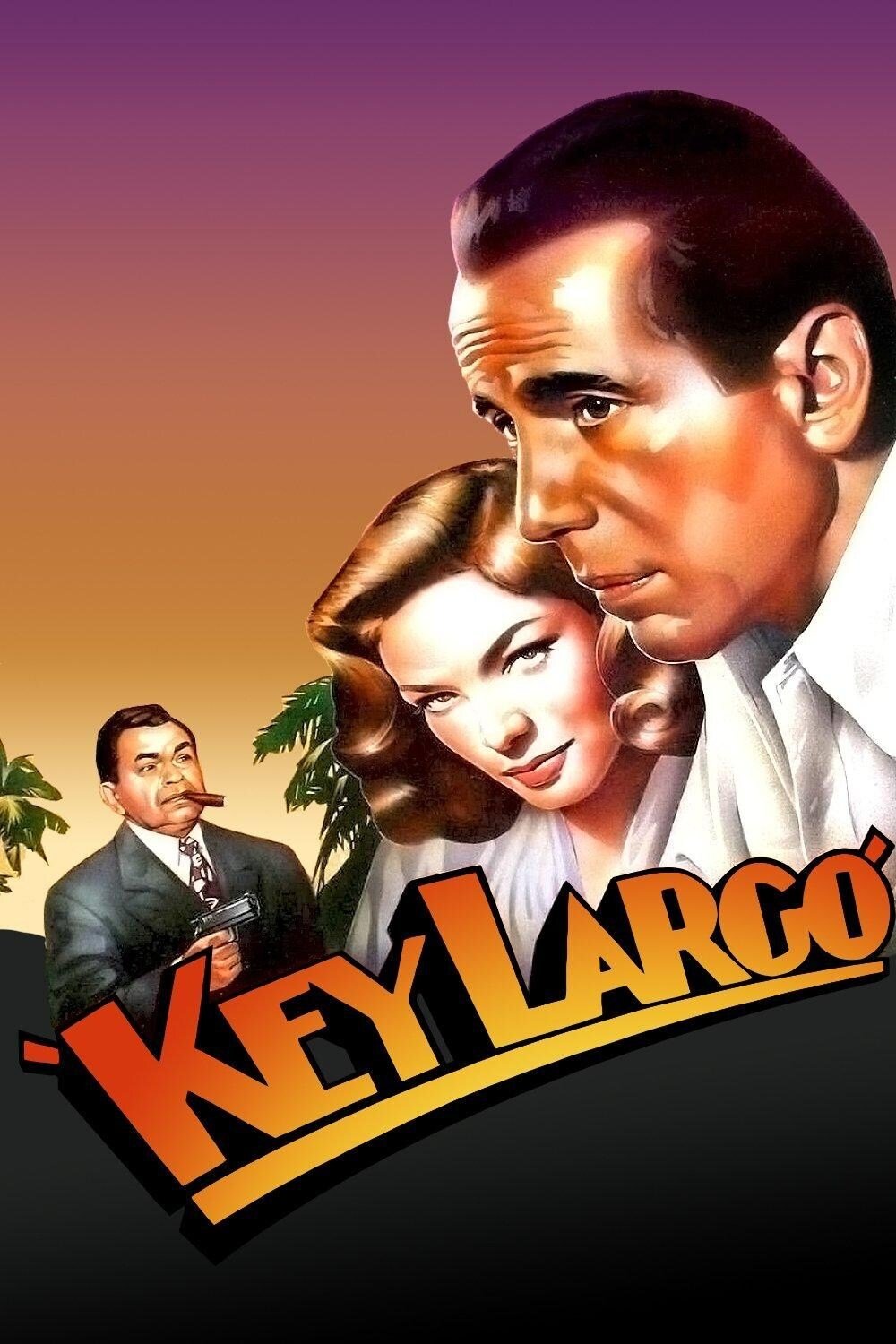
The Genre of This Film
From the first moments I watched “Key Largo,” the film’s tightly wound suspense and mood of danger immediately signaled to me that I was entering the shadowy and fatalistic world of film noir. Although the setting is a sunlit Florida hotel rather than rain-soaked city streets, I sensed the same suffocating tension and underlying darkness that define classic noir. It’s clear to me that “Key Largo” belongs in the film noir genre, primarily because of its psychological intensity, moral ambiguity, and focus on desperate, cornered people grappling with fate and their own fractured code of ethics. Even with its tropical locale, everything about the story—the emotional pressure cooker, the brewing menace, the conflicted hero—embodies what I personally associate with film noir at its most potent.
Key Characteristics of the Genre
- Common themes
- Typical visual style
- Narrative structure
- Character archetypes
- Common themes: In my experience, film noir relentlessly explores themes of moral uncertainty, existential dread, and the destructive consequences of human weakness. I’m drawn to how characters in these films are rarely what they seem; everyone is hiding something or wrestling with personal demons. Betrayal, guilt, greed, and desperation echo throughout the stories, combined with an ever-present sense of fatalism. I’m always struck by just how heavily the weight of the past hangs over these worlds—characters struggle against destiny but seem unable to escape it. Noir so often focuses on the “wrong place, wrong time” atmosphere, where fate or poor choices yank the protagonist into a vortex of trouble.
- Typical visual style: When I think of film noir’s look, stark contrast, and dramatic lighting come to mind. Low-key lighting, deep shadows, and bold compositions convey unease and ambiguity in a way that feels almost tactile to me. I’m drawn to the tight, claustrophobic interiors, slatted blinds casting stripes across sweaty faces, and clever use of mirrors and reflections. Even when a film strays from the expected urban backdrop—as “Key Largo” does—I can usually spot noir by how the visuals reinforce the story’s anxiety and uncertainty. The visual style always seems to conspire with the story to keep me on edge, unsure what lies in the darkness.
- Narrative structure: I’ve always associated classic noir with stories that unfold almost like a spiral, starting with a small crisis that quickly escalates into something catastrophic. There’s often a sense of entrapment—characters boxed in by circumstance and poor choices, unable to break free from the web tightening around them. Sometimes the narratives are told in flashback, but even when they’re not, I notice how the storytelling heightens suspense by revealing information slowly, keeping me guessing about who is innocent or guilty, victim or perpetrator. Downward spirals and emotional unraveling are baked into the bones of these films.
- Character archetypes: I’ve rarely watched a noir that didn’t showcase a tangle of flawed, fascinating characters. The hard-boiled protagonist—worn down by life but still trying to do the right thing—has always felt emblematic to me. There’s often a femme fatale whose motives remain suspect, and supporting characters who blur the lines between ally and adversary. Villains in noir are never straightforward, and even the heroes seem deeply aware of their own failings. This web of contradictions is a huge part of my own attraction to the genre.
How This Film Exemplifies the Genre
As I revisit “Key Largo,” what stands out to me is how this film manages to embody the essence of film noir while sidestepping its usual backdrops. The relentless Florida hurricane amplifies the sense of isolation and helplessness—everything I associate with noir’s emotional suffocation, but transposed to a tropical setting. For me, the entire hotel becomes a pressure cooker, the storm outside reflecting the boiling tension within.
I’m especially struck by the characters’ moral uncertainty. Frank McCloud, played by Humphrey Bogart, is a classic noir protagonist in my view: a man shaped by trauma, haunted by the past, and wary of getting involved. I notice his reluctance to act, his heavy-hearted cynicism, and how he’s eventually forced into confrontation by a world that won’t let him stay neutral. The villain, Johnny Rocco, feels to me like the embodiment of the genre’s obsession with greed and corruption—a criminal past clinging to power in a postwar world that’s supposed to have moved on.
The visual style also screams noir, even in the sun-drenched locale. I recall how the interiors are drenched in shadow, faces are half-obscured, and the camera lingers on anxious glances. The use of mirrors and reflections—especially when the characters are sizing each other up—brings out the genre’s trademark ambiguity. I find that the storm rattling the windows outside only heightens my feeling of claustrophobia; the storm becomes part of the film’s visual arsenal, conjuring the same discomfort and unease as Venetian blinds or city darkness in other noirs.
Because the narrative plays out almost entirely within the single, confined setting of the hotel, I sense a growing desperation and limited options with each passing scene. That’s pure noir to me: the tightening vise, the emotional escalation, the slow boil of nerves. Each character—whether it’s the grieving widow, the aging father, or the henchmen trapped by circumstance—adds to the genre’s tapestry of people driven to desperate acts. It’s all punctuated by the threat of violence simmering just out of reach, leaving me in a permanent state of anticipation.
So when I reflect on why “Key Largo” is film noir, it isn’t about private eyes or city streets. It’s the mood, the themes, the sense of entrapment, and the willingness to burrow into moral murk. Every time I watch it, I’m reminded of how flexible noir can be—reaching beyond urban shadows into any setting where night seems to fall, even at midday.
Other Essential Films in This Genre
- Double Indemnity (1944) – I have revisited this film countless times, and every viewing deepens my appreciation for how it set the blueprint for film noir’s lethal seduction. With its sharp dialogue and poisonous partnership between Fred MacMurray and Barbara Stanwyck, I find that “Double Indemnity” nails the genre’s twin obsessions with temptation and destruction. For me, it’s the ultimate story of two people drawn together by lust and greed, only to discover that fate and guilt make the perfect accomplices.
- The Asphalt Jungle (1950) – What fascinates me about “The Asphalt Jungle” is its portrayal of careful planning, fatal flaws, and the inevitable collapse of criminal schemes. I’m always taken by how its crew of flawed professionals—each an expert in their field—come undone because of basic human failings. Watching the heist unravel, I see how the film’s gritty realism and attention to class and desperation fit right into noir’s pessimistic view of the world.
- Out of the Past (1947) – Few films pull me in the way “Out of the Past” does, with its dense plotting and doomed romance. Robert Mitchum’s laconic cool masks the fear and longing beneath, while Jane Greer’s femme fatale performance is a masterclass in manipulation. I find this film captures noir’s obsession with the past’s inescapable shadow—every decision the characters make only seems to dig the hole deeper. Its smoky atmosphere and lyrical fatalism encapsulate noir for me.
- The Killers (1946) – What sets “The Killers” apart, from my perspective, is how it transforms a short story into a complex web of mystery and regret. Watching the opening, as two hitmen arrive in a small town seeking their target—the doomed Swede—I am always drawn in by the sense of mounting inevitability. The story unfolds through layered flashbacks and unreliable memories, making it a quintessential showcase of noir’s narrative complexity and psychological depth.
Why This Genre Continues to Endure
I often find myself wondering why, after all these years, the shadowy world of film noir remains so potent—why films like “Key Largo” still dig their hooks into new generations of viewers. For me, noir’s endurance is rooted in how it refuses to offer easy answers. These films never flinch from life’s ambiguities or the darkness most of us try to hide. When I watch noir, I sense my own fears and flaws reflected on screen—the gnawing anxiety about whether I’d make the right choice under pressure, or how far desperation can push someone.
Noir gives me a place to confront these bleak corners of human nature in the safety of fiction. At the same time, there’s a seductive artistry to its style—the interplay of light and shadow, the tension in unspoken glances—that satisfies my craving for cinematic beauty. The genre feels modern because its anxieties are timeless: postwar uncertainty, lurking violence, shifting social ground, the slipping masks of respectability.
But maybe the biggest reason noir endures is how it invites me to walk the tightrope with its protagonists, never sure if there’s a net below. I relish stories that don’t tidy up the world’s mess, stories that understand the thrill and terror of seeing what’s really behind the next closed door. Every time I return to films like “Key Largo,” I’m reminded why I keep coming back to film noir: it knows that sometimes, the greatest darkness is found not outside, but within ourselves.
If you’re interested in how viewers respond beyond technique, you may want to explore audience and critical reception.
🎬 Check out today's best-selling movies on Amazon!
View Deals on Amazon