
Film Movement Context
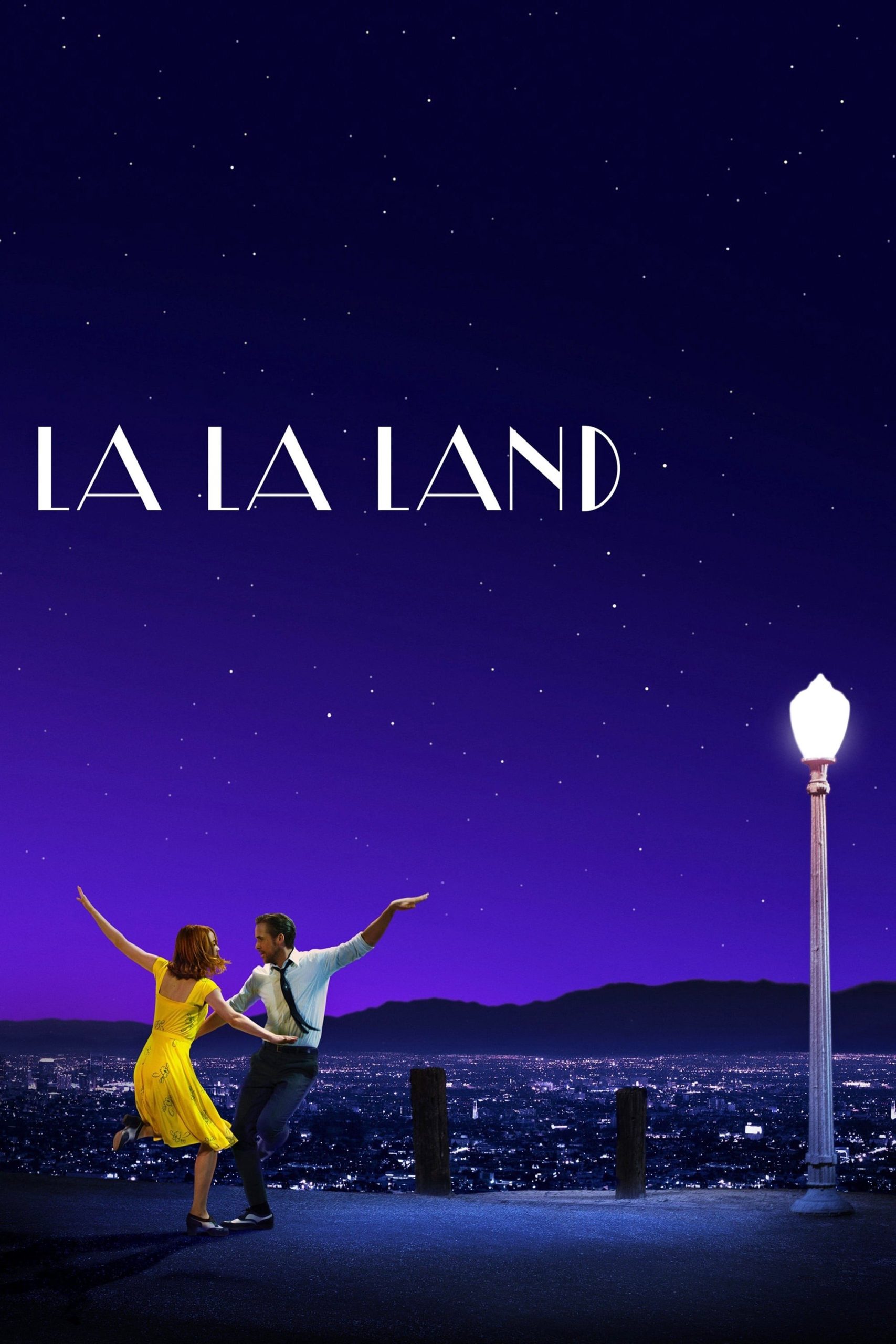
I’ve always felt that watching “La La Land” is like entering a jewel box constructed wholly from cinematic nostalgia, and yet it thrums with dazzling originality. When I first encountered Damien Chazelle’s film, what struck me was its overt homage to the classical Hollywood musical tradition—a genre deeply woven into the fabric of American film history. But as I dug deeper, I realized it’s insufficient merely to call “La La Land” a musical revival. In my view, it belongs squarely to the twenty-first century’s postmodern neoclassical movement—a cinephilic tendency I’ve witnessed in many recent films, where directors actively pastiche, remix, and dialogue with bygone genres while laying bare the constructedness of their art. Through that lens, “La La Land” is not simply a retro musical; it’s a sophisticated hybrid, echoing the Golden Age of Hollywood while inscribing the self-aware, intertextual sensibility that animates contemporary auteur cinema. This complicated inheritance matters because “La La Land” does not adopt nostalgia uncritically—its very form interrogates the seductive illusions and bittersweet losses that nostalgia brings to life, both for its characters and for us as viewers. The musical here becomes a vehicle for celebrating and critiquing the dreams our culture builds about love, art, and happiness.
Historical Origins of the Movement
As I trace my fascination with neoclassical postmodernism in film, I can’t help but juxtapose it with the emergence of the American musical in its classical Hollywood form. The 1930s, 40s, and 50s brought a flourish of color, choreography, and escapism to screens—a product not just of technological innovation with Technicolor and sound but also a cultural longing for hope during economic depression and war. What inspires me about the classical movie musical is how it expressed a nation’s fantasies and anxieties through elegance, song, and sometimes staggering spectacle; a film like “Singin’ in the Rain” or “The Band Wagon” is as much about creating a dreamworld for the viewer as it is about surface entertainment.
Yet, by the late 1960s, the conventional musical was ebbing away, undermined by changing tastes, social upheaval, and the growing popularity of more experimental or ‘realistic’ forms. In my research and engagement with postmodern film, I’ve seen how the late twentieth century gave rise to directors who mined older genres for their irony, their iconic images, and their capacity for reinvention. Quentin Tarantino’s films, for example, are steeped in genre history but constantly announce their own artifice. Similarly, directors like Baz Luhrmann and, more recently, Damien Chazelle craft films that are at once tributes and interrogations of traditional forms. “La La Land,” to me, emerges from this crucible: it’s the product of an era where the musical’s language—its color, choreography, and emotional lift—is wielded unapologetically, but always with a knowing nod to how story, performance, and genre are constructed. I find this both exhilarating and deeply revealing: it transforms nostalgia from something saccharine into something sharper, even melancholic.
This Film’s Contribution to the Movement
What continually fascinates me about “La La Land” is the sophistication with which it balances reverence and innovation. From the opening freeway ballet—a musical number that explodes the mundane into the magical—I recognized Chazelle’s clear affection for the exuberant, borderless spaces of a Jacques Demy or Vincente Minnelli musical. Yet, rather than disappear into pastiche, the film pulls sharply into the everyday: Sebastian’s stubborn, never-quite-made-it jazz pianist, and Mia’s relentless, demoralizing parade of failed auditions lend a grounded emotional rawness that subverts the genre’s escapist foundation. In my experience, few contemporary films are so honest about the relationship between art and disappointment.
On a formal level, I’m awed by how “La La Land” synthesizes the musical vocabulary of the past—tracking shots that invoke the camera-ballet of “West Side Story”; a saturated, candy-coated palette that’s pure MGM fantasy—while including narrative detours that refuse classical closure. The film’s ending, which devastates me every time, is a direct affront to the expected musical happy ending. Instead, it acknowledges—through a heartbreakingly beautiful fantasy sequence—what could have been, folding the joy and pain of unrealized dreams into the film’s very structure. For me, that is the film’s postmodern signature: it’s deeply aware of its own echoes, its impossibility of achieving pure fantasy, and yet it dares to strive for transcendence anyway.
Calling “La La Land” a mere pastiche would be missing its quiet revolution. It actively asks: what does it mean to make musicals now, after a century of both trauma and triumph in Hollywood history? I find its answer—musicals are about dreaming, yes, but dreaming is always haunted by history, compromise, and loss. There’s an urgent honesty in that message I don’t find in the older classics. For me, “La La Land” doesn’t just revive a genre; it interrogates it, reshapes it, and admits its contradictions. In doing so, it moves the musical out of the museum and back onto the living stage of popular culture.
Influence on Later Genres and Films
- Expanded Musical Storytelling – Since seeing “La La Land,” I’ve become hyper-aware of how it has emboldened filmmakers to experiment with hybrids. Take “The Greatest Showman” and “Tick, Tick… Boom!” for example: both embrace the musical’s maximalist style, but overlay it with a contemporary sense of self-awareness, narrative imperfection, and character-driven stakes. I’d argue that the commercial and critical success of “La La Land” gave studio heads confidence to fund musicals not as pure replicas, but as vessels for uniquely modern anxieties and sensibilities.
- Visual and Emotional Palette for the Modern Age – The hyper-saturated visuals and emotionally mature content of “La La Land” have, in my eyes, set the tone for a wave of Instagram-ready aesthetics in both independent and mainstream films. Movies like “A Star Is Born” and series such as “Euphoria” now bear a lush, color-rich visual sensibility coupled to emotional rawness—an inheritance I associate with Chazelle’s blending of old Hollywood beauty with new Hollywood heartbreak. I see this trend echoing in pop culture music videos and advertising too.
- Cinephile Self-Reflexivity – What I find most rewarding is how “La La Land” has encouraged a generation of cinephiles, myself included, to interrogate their relationship to film history. After its release, I noticed a flood of essays, video analyses, and even films that foreground their influences, actively engaging with film history in ways that are playful, reverent, and critical. Movies such as “Once Upon a Time in Hollywood” and “Babylon” strike me as direct heirs to “La La Land’s” self-reflexive nostalgia, insisting that our love for cinema can be an object of both adoration and subtle critique.
The Movement’s Lasting Impact
Whenever I reflect on the legacy of the neoclassical postmodern movement that I see animating “La La Land,” I’m drawn not just to its aesthetic pleasures but to its intellectual implications. In my experience, this tradition matters because it grapples honestly with the impossibility of seamless nostalgia in our contemporary world. Rather than retreating into comforting illusions, films like “La La Land” teach me that longing for the past and reckoning with the present are not mutually exclusive—they are intertwined, contradictory, and, at their best, deeply generative.
For someone invested in understanding how cinema works on both the heart and the mind, this movement’s insistence on consciousness—on showing its strings, constructing and deconstructing fantasy—feels urgently relevant. I find myself returning to “La La Land,” not just for its beauty or technical mastery, but because it opens up a nuanced space where hope, loss, and artistry collide. It matters that films can celebrate tradition without being held captive by it, just as it matters that audiences are encouraged to love, question, and reinvent what cinema can be. In a world overflowing with images and stories, the neoclassical postmodern film reminds me that our collective dreams need not be uncritical—they can be beautiful, self-aware, and deeply human.
To connect style and technique with broader context, you may find these perspectives useful.
🎬 Check out today's best-selling movies on Amazon!
View Deals on Amazon