
The Genre of This Film
Whenever I revisit La Strada, my mind always returns to the roots of Italian Neorealism, but with an undeniable sense that the film pushes beyond the boundaries of that definition. To me, La Strada belongs squarely in the genre of the Neorealist Drama, yet with a unique poetic infusion that makes it stand apart even within that celebrated movement. I’ve always been struck by how the film, while sharing the social consciousness found in the classic neorealist cycle, is ultimately far more than just a slice-of-life reflection of working-class struggle—it’s a deeply emotional exploration of humanity’s spiritual and existential hunger. The harshness of real life is omnipresent, yet Fellini empowers his story with a lyrical, almost mythic quality, rooted in the everyday but soaring into broader questions of suffering, innocence, and redemption. For me, this blend—grounded realism with an undercurrent of spiritual inquiry—cements La Strada as a quintessential Neorealist Drama, while hinting at the genre’s evolution under Fellini’s personal touch.
Key Characteristics of the Genre
- Common themes
When I think of Neorealist Drama, the first themes that always leap out at me are poverty, alienation, the dignity of ordinary people, and an often unflinching depiction of postwar hardship. For me, these films consistently revolve around characters who are battered by life’s circumstances yet manage to find moments of profound grace. There’s no sugarcoating of poverty or struggle; instead, the genre invites me to contemplate how hope and kindness can flicker in the dimmest environments. I frequently encounter powerful contrasts between innocence and cruelty, fragility and brute strength, or aspiration and bitter reality. These paradoxes define almost every frame, pushing me to recognize beauty and tragedy intertwined in the lives of ordinary folks. - Typical visual style
Every time I watch films in this genre, I’m taken by their raw, observational visual approach. The imagery tends to forgo glamorous lighting or sets. Instead, I see a commitment to authenticity—naturalistic lighting, location shooting rather than studio-bound artifice, and camera placement that feels eavesdropping rather than staged. In my view, this documentary-like style is not simply aesthetic; it’s a statement. The visual graininess, the use of unvarnished landscapes (often rural or run-down urban environments), and non-professional actors frequently draw me further into the credibility of the events depicted. It’s a style that insists I am part of the gritty, lived-in world of the characters, never shielded by glossy cinematography. - Narrative structure
Whenever I experience a Neorealist Drama, I rarely expect a formulaic, tightly plotted story arc. What I find instead is a structure that prioritizes episodic, loosely connected events, echoing real life’s unpredictability. There are rarely villains or heroes as the centerpieces; instead, the genre tends to immerse me in personal struggles—domestic quarrels, fleeting encounters, journeys both literal and metaphorical. The drama is often constructed through incidental moments and gradually accumulated details rather than melodramatic crescendos. By the film’s end, I feel as if I’ve lived alongside the characters rather than been guided through a meticulously scripted plot. - Character archetypes
The character types most often etched in my memory from this genre include the humble innocent (sometimes naïve to the point of tragedy), the brute shaped by circumstance, the dreamer clinging to impossible aspirations, and the world-weary cynic. They don’t exist as symbols—they breathe as multidimensional, contradictory beings. These archetypes repeatedly challenge me to recognize shades of gray in human behavior: a combination of vulnerability and resilience, generosity and cruelty, weakness and surprising courage. Recurrent figures like outcasts, struggling laborers, and itinerant wanderers are common, often reflecting the genre’s preoccupation with those left on the margins of society.
How This Film Exemplifies the Genre
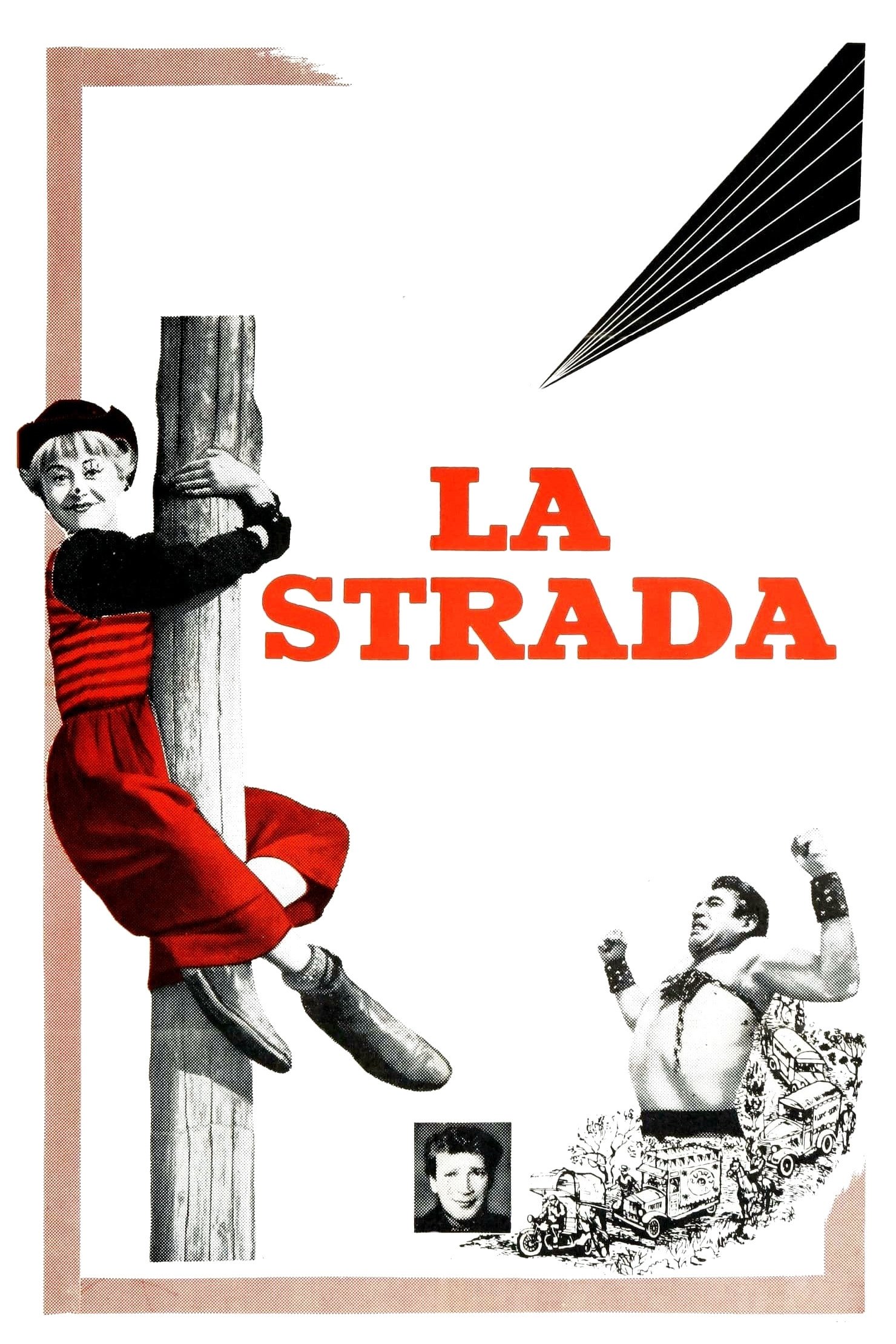
I can’t help but return to Fellini’s use of the road itself as both a literal and figurative device. In La Strada, I’m confronted by characters who seem suspended between belonging and drifting—eternal outsiders in a world that rarely offers comfort. Gelsomina, in particular, stands for me as the consummate neorealist figure: pure-hearted, vulnerable to exploitation, yet capable of deep feeling and quiet defiance. Her presence, often physically small against immense, indifferent landscapes, is exactly the kind of visual I associate with the genre. It never lets me forget just how overwhelming real life is for those with so little power.
What makes this film’s adherence to the genre so convincing in my eyes is precisely how it refuses to glamorize hardship. The labor of street entertainers, the meager coins exchanged, the grayness of rural roads and shanty towns—all are rendered with an unfiltered honesty that I believe is at the core of neorealist drama. Yet, even as the story unfolds in this environment of everyday deprivation, Fellini weaves in beats of poetry: the gypsy musician’s haunting melody, Gelsomina’s clownish pantomime, the silent resonance of grief and longing. These elements, far from detracting from authenticity, layer the film with the sort of gentle humanity I crave in cinema of this sort. The drama unfolds not in grand pronouncements but in passing gestures—a look, a song, a tear, often allowed to linger far longer than plot mechanics would typically permit.
Whenever I consider the genre’s character archetypes, La Strada seems almost to embody them. Zampanò is a physical manifestation of brutish masculinity and spiritual emptiness, someone whose cruelty is all the more painful for its mundanity. Gelsomina, on the other hand, is innocence confronted by the world’s indifference, yet she never devolves into a simple victim. Their dynamic casts a stark light on the genre’s insistence that people are more than their circumstances, even if they cannot escape them. The absence of easy resolutions, the emotional ambiguity of the ending—these are precisely why I connect the film so strongly to Neorealist Drama.
I also see a deliberate shunning of theatrical excess. The film’s pacing is modest, its structure episodic. Each location—be it a seaside outpost, a dirty encampment, or the chilly countryside—feels inhabited, not staged. I find myself paying attention to the details: a frugal meal, the passing of strangers, the sounds of wind and footsteps mixed with muffled dialogue. The soundtrack, too, is spare but memorable, coloring the world rather than overwhelming it. All of these details reaffirm my belief that the film is almost a case study in how the Neorealist Drama genre can be elevated into something at once universal and deeply personal.
Other Essential Films in This Genre
- Bicycle Thieves (1948) – I always find myself returning to Vittorio De Sica’s depiction of postwar Rome. For me, it represents one of the purest iterations of neorealist filmmaking: the story of a father and son searching for a stolen bicycle is heartbreakingly simple, yet De Sica’s lens transforms daily adversity into something quietly epic. This film captures unvarnished poverty and familial desperation with a clarity that I feel every time I watch it.
- Umberto D. (1952) – I am persistently moved by this story of an elderly pensioner facing destitution and neglect. This film’s spare narrative and emotional honesty highlight for me how neorealism can immerse me in the private hells so many endure, while also giving fleeting glimpses of hope through small acts of kindness. Every gesture and moment with Umberto and his dog speaks to the genre’s reverence for unsung lives.
- Germany, Year Zero (1948) – Whenever I reflect on Rossellini’s contribution to the genre, this film stands out for showing the aftermath of war through a child’s eyes. The psychological devastation and the ruins of Berlin create a backdrop that, to me, feels almost overwhelming in its authenticity. It’s a powerful reminder of how neorealist drama lays bare the pain and resilience of those left in the margins by history.
- Shoeshine (1946) – This film inevitably comes to mind whenever I think about neorealist character studies. Two young boys in Rome try to build a future amid oppression and betrayal. It’s a film defined, in my eyes, by its refusal to offer easy answers, its use of untrained actors, and its commitment to presenting childhood innocence under brutal conditions. The heartbreak and humanity here are unmistakably those of the genre.
Why This Genre Continues to Endure
Every time I discuss neorealist drama with students or cinephiles, I notice a common thread: these stories simply refuse to go out of fashion. For me, the durability of this genre lies in its unwavering sincerity. Audiences, I believe, will always be drawn to films that do not flinch from telling the truth, especially truths that are easy to overlook because they happen to others, or exist on society’s periphery. Neorealist drama, at its best, strips away artifice and melodrama so that viewers can confront the world as it is, not as it ought to be portrayed. That honesty, unsparing yet compassionate, is what keeps drawing me back, decade after decade.
I also think there’s something liberating about the genre’s stylistic and narrative freedom. It invites filmmakers—and, by extension, me as a viewer—to find meaning in the documentary fragments of real life. Not every event needs a tidy conclusion; not every disaster needs a villain. Instead, the camera lingers on the overlooked, asking me to witness human dignity in the everyday. That’s never lost its power, even as cinematic trends evolve. In fact, as the world shifts and the struggles of ordinary people become more visible through new media, these films gain renewed urgency and relevance.
Lastly, I believe there’s an undercurrent of hope that keeps this genre vital. No matter how bleak the circumstances, neorealist drama uncovers moments of unexpected beauty and empathy. The genre creates space for me to connect with people across languages, borders, and generations—through a smile, a touch, a shared hardship. These fundamental connections are what make cinema meaningful for me, and why I find myself recommending La Strada and its genre companions to anyone seeking art that illuminates, rather than escapes, the truths of daily existence.
If you’re interested in how viewers respond beyond technique, you may want to explore audience and critical reception.
🎬 Check out today's best-selling movies on Amazon!
View Deals on Amazon