
Film Movement Context
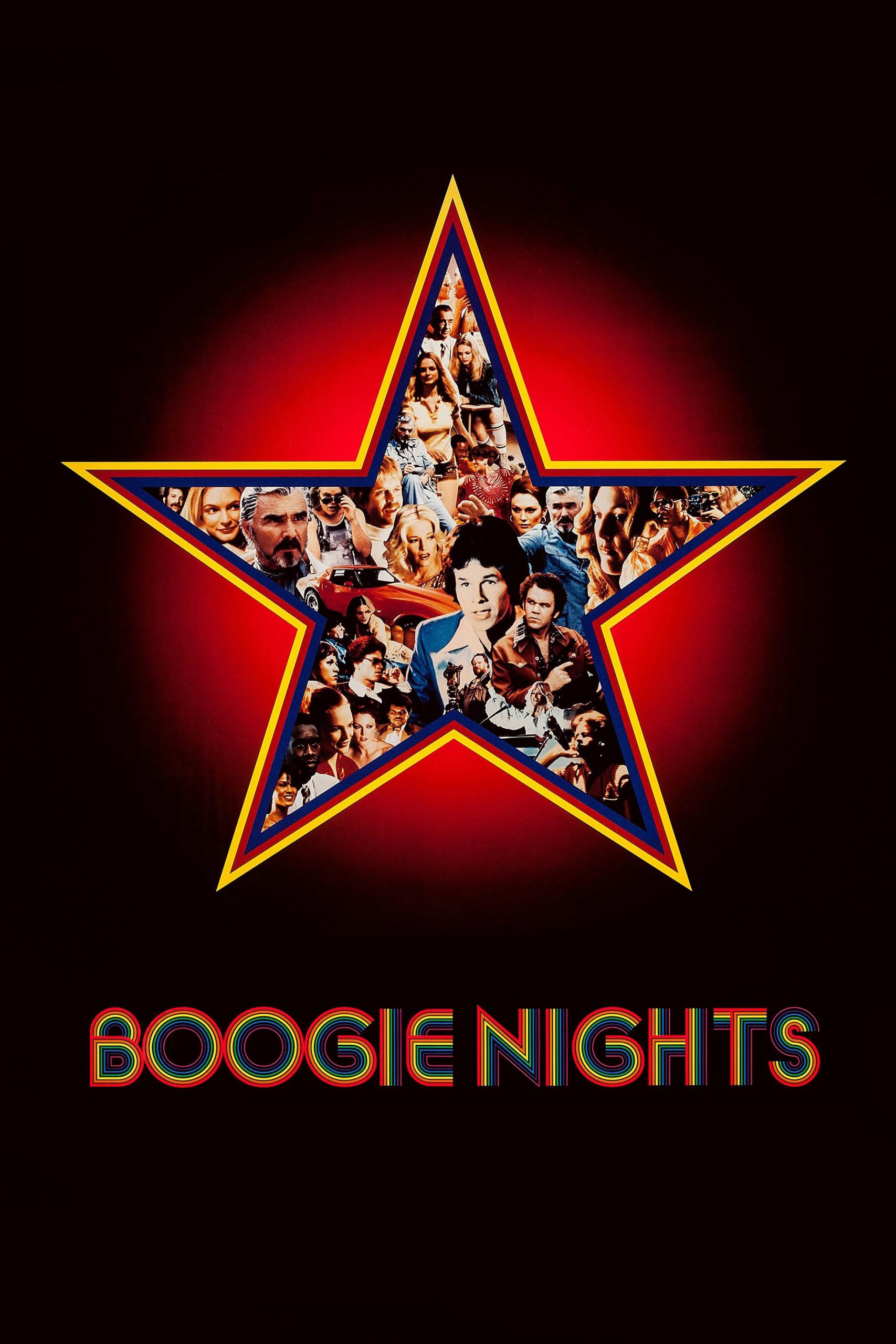
When I think about Boogie Nights, I can’t help but see it as a defining text of the American New Wave’s late afterglow—what some might call the post-New Hollywood or “Indie Renaissance” era of the 1990s, but which I experience as a feverish resurgence of the director-driven ethos. For me, Boogie Nights doesn’t just borrow from the formal and cultural innovations of the New Hollywood wave—it feels like a second-generation conversation with the raw, character-obsessed storytelling of the 1970s, filtered through Paul Thomas Anderson’s own unmistakable, deeply cinephilic lens. This film occupies a space at the crossroads between Classic Auteurism and the emerging Alternative Cinema of the late 20th century. I see its lineage not only in the long shadow of Scorsese, Altman, and Ashby, but also in the surge of independently minded, risk-taking US cinema of the ’90s, which insisted that mainstream and thematic daring weren’t mutually exclusive.
Historical Origins of the Movement
For me, tracing the roots of this movement means returning to the seismic shifts that rattled Hollywood in the late 1960s and early ’70s. The traditional studio system had grown anemic, no longer able (or willing) to speak to the cultural anxieties of a rapidly changing America. When I watch early New Hollywood films like Easy Rider, Mean Streets, or The Last Picture Show, I’m struck by how those filmmakers chased an authenticity and narrative ambiguity that seemed taboo just a decade earlier. These films, and by extension their modern descendants, were brash, personal, and frequently elliptical—eschewing neat resolutions for messy, complicated lives.
By the 1990s, I find the energy of this movement returning, but with a new set of tools. The rise of independent financing, the wide availability of cheaper film stock, shifts in distribution, and the advent of video stores all worked together to democratize who could create and what narratives they could pursue. What was born in the 1970s as New Hollywood evolved—sometimes uneasily—into the mature, self-reflexive, and referential style of 1990s auteur cinema. I see Boogie Nights as sitting comfortably in this historical lineage but pushing the traditions forward, infusing the spirit of its forerunners with the bold confidence of someone who has absorbed the lessons but intends to break the rules anyway.
This Film’s Contribution to the Movement
Whenever I revisit Boogie Nights, I’m overwhelmed by its maximalist bravado. For me, Anderson’s ambition isn’t just in the film’s technical accomplishment (though the iconic opening shot and roving Steadicam sequences are hard to ignore); it’s in his insistence on pulling empathy from the margins of American storytelling. In the tradition of the post-New Hollywood movement, Anderson fixates on a subculture—here, the pornography industry of the late 1970s and early ’80s—not for its kitsch or exploitative value, but for its humanity and existential search for meaning.
What sets this film apart, in my experience, is Anderson’s ability to universalize the struggle at the heart of the story. It’s never just about “porn”; it’s about longing, fame, found family, and how capitalism chews up and spits out even the most dazzling dreamers. Anderson takes the ensemble tapestry of Altman—think Nashville—and infuses it with an urgent, kinetic energy that feels unmistakably modern. Watching the film, I’m always aware of Anderson’s prodigious grasp of filmic language: the genre-hopping, tonal whiplash, and penchant for full-throttle, densely populated scenes feel like an intentional update on the sprawling, socially conscious dramas of decades past.
Crucially, though, Anderson’s focus on spectacle coexists with astonishing intimacy. The bravura camera moves and raucous soundscape never obscure the possibility of devastation, or beauty. Scenes like Amber Waves’ courtroom breakdown or Dirk Diggler’s lowest point at the donut shop render vulnerability with a compassion that, to me, recalls the best work of John Cassavetes. The film critiques the American mythos, but it never sneers at its characters; rather, it honors their desperation, hope, and flawed pursuit of connection. In doing so, Anderson revitalizes the emotional stakes of character-driven ensemble storytelling at a time when irony and pastiche threatened to flatten cinematic emotion.
Influence on Later Genres and Films
- Expanding the Scope of the American Ensemble Drama – Watching the films that arrived after Boogie Nights, I see its fingerprints on works like Magnolia (Anderson’s own follow-up), Crash, or even later decades’ ambitious ensemble pieces like Babel and The Big Short. The willingness to juggle multiple narrative threads and to interweave private tragedy with public spectacle owes so much, in my eyes, to Boogie Nights’ unapologetic sprawl. It set a template for a new breed of ensemble films that didn’t just tell “small stories” but embraced the chaos and complexity of, say, an entire industry or subculture.
- Blending Satire with Pathos in Genre Films – I can’t help noting how Boogie Nights manages a sly, ever-present ironic edge even as it refuses to short-circuit the pain of its characters. Filmmakers like Adam McKay, in The Big Short or Vice, deploy a similar blend—using dark comedy and formal invention to keep the audience off-balance, unable to simply laugh or cry without feeling the other just beneath the surface. This genre convergence found in Boogie Nights offered a grammar for ambitious storytellers who no longer wanted to repeat the segregated “drama” or “comedy” formula of previous eras.
- Reinvigorating the Director-as-Author Paradigm – Some of the most exciting US filmmakers of the 21st century—people like Paul Thomas Anderson himself, Greta Gerwig, or even Barry Jenkins—seem, to me, emboldened to write, direct, and shape a stylistically unified vision. Boogie Nights was part of a critical mass of ’90s films (think also of Quentin Tarantino or the Coens) staking out territory for filmmakers whose voices were as strong as their scripts. The flavor of personal authorship, recognizable “signatures,” and the willingness to synthesize reference points into something new feel newly possible in its wake, even as mainstream cinema remains resistant to idiosyncrasy.
The Movement’s Lasting Impact
When I try to put my finger on why the post-New Hollywood, director-driven movement still matters—why a film like Boogie Nights retains its charge after more than two decades—I keep coming back to possibility. This movement, in my experience, hasn’t merely shaped what stories are told, but how they’re permitted to unfold. It championed ambiguity and empathy over moralizing, and taught audiences (and creators) that messiness wasn’t failure; it was the point. The best films from this tradition, including Boogie Nights, trust the audience to wrestle with contradiction, to be delighted by technical bravura while still wrecked by heartbreak or longing.
To me, this movement is one of deliberate risk-taking—not only with content but with form. It gave birth to a generation of filmmakers willing to destabilize genre, to keep us guessing, and to treat film as something alive, porous, and deeply personal. What matters most, as I see it, isn’t just nostalgia for Hollywood’s wild years, but the enduring proof that films can still feel electric, dangerous, necessary. Watching Boogie Nights and its kin, I’m reminded that movies can be both thrillingly entertaining and thematically weighty, that the border between “high” and “low” culture is arbitrary, and that the new can erupt from respectful, loving dialogue with the old.
To connect style and technique with broader context, you may find these perspectives useful.
🎬 Check out today's best-selling movies on Amazon!
View Deals on Amazon