
The Genre of This Film
Whenever I revisit “Casablanca,” I can’t help but think of it as the quintessential romantic drama. For me, this genre absolutely shapes every aspect of the movie’s identity, from the fatalism etched into its love story to the tension and moral ambiguity threaded throughout. I have often been struck by how seamlessly the film weaves together a poignant, bittersweet romance with the high stakes of wartime conflict, all without diluting the core emotional impact. My experience of “Casablanca” is deeply rooted in its commitment to the dilemmas, passions, and emotional turmoil that define the romantic drama genre—not just a backdrop of love, but a meditation on impossible choices and irrevocable sacrifice. More than once, I’ve found myself pondering how its genre conventions, rather than limiting the story, actually serve to highlight its complexity and resonance, especially as the film dances between love and duty under the shadows of war. While the film does borrow textures from other genres—spy intrigue, war, film noir—I always feel the engine driving “Casablanca” is the concentrated drama of impossible love amidst wavering loyalties. That’s what places it firmly, in my mind, in the realm of classic romantic drama, with all the genre’s sweeping stakes and personal complexities.
Key Characteristics of the Genre
- Common themes
- Typical visual style
- Narrative structure
- Character archetypes
What stands out to me as the foundation of any romantic drama, especially one like “Casablanca,” is the interplay between love and sacrifice. I find that films in this genre grapple with issues of selflessness, loyalty, and the difficult choices that arise when personal happiness conflicts with greater moral or societal responsibilities. Another recurring theme I pick up on is the power of fate, the sense that circumstances—whether personal histories or raging wars—press upon the lovers, forcing them to test the bounds of their connection. Often, stories like these revel in the idea of unfulfilled or interrupted love, where longing and separation create a deeper emotion than any tidy resolution. I also notice that deception, secrecy, and fleeting moments of honesty frequently emerge as motifs, embodying the tension between what the heart wants and what reality allows.
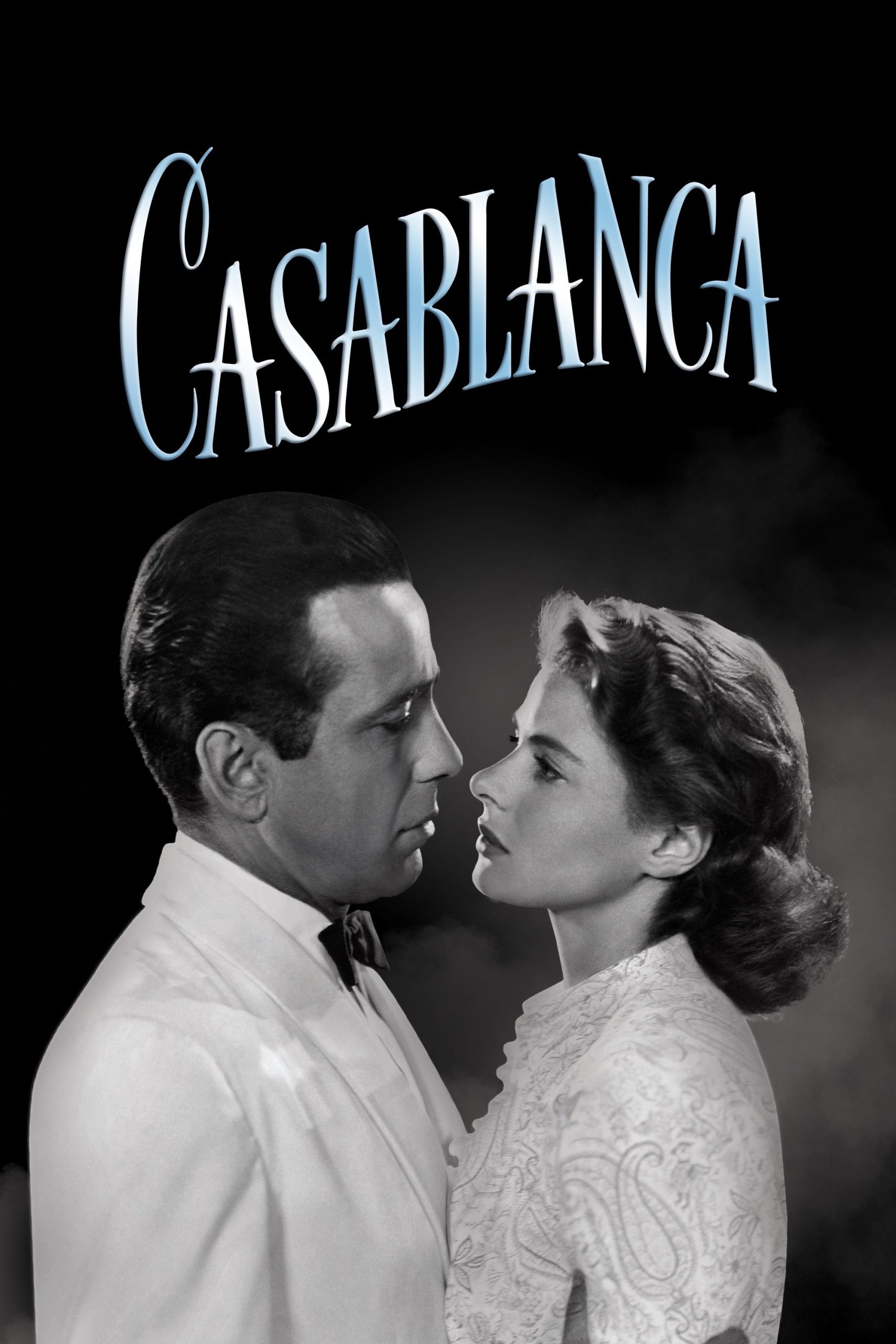
Whenever I dissect films in the romantic drama genre, I’m struck by an elegance in their visual language. Soft, carefully modulated lighting seems to be a hallmark, often corralling characters in intimate pools of shadow and gentle glow that underscore their emotional isolation or connection. I find that such films rely heavily on close-ups and framing that lingers on faces, emphasizing the nuances of longing, regret, or hope. In “Casablanca,” for instance, the atmospheric use of fog, shadow, and backlighting not only creates a sense of mystery and transience but also encases characters in a kind of melancholy haze—as if their world is always partially obscured by the uncertainty of their fates. I notice that costume and setting are never merely decorative; they seem to visually reinforce class, era, and emotional separation. The look feels timeless precisely because it’s designed to foreground emotional truths rather than technical flourishes.
When I analyze romantic dramas, I’m always aware of how they use narrative structure to intensify emotional stakes. These stories tend to be linear but are often peppered with flashbacks that deepen character motivations or cast new light on present circumstances. My experience has been that these films are structured to build steadily toward a pivotal choice or crisis, forcing the central lovers to weigh their desires against duty or destiny. Unrequited love, doomed passion, and moral conflict are almost always framed as consequences of earlier actions or missed opportunities—something that adds a tragic inevitability to the genre’s best examples. In “Casablanca,” the tension is sustained with a careful momentum, as each scene reveals new shades of character, and every decision seems to close off other possibilities, culminating in that unforgettable farewell.
Across romantic dramas, I find archetypes that not only drive the story forward but embody the genre’s central questions. There’s almost always a tragic romantic lead—someone emotionally wounded or formerly idealistic, now encircled by regret. The counterpart is often a love interest torn by conflicting loyalties: sometimes attached elsewhere, sometimes a source of temptation away from responsibility. I frequently encounter secondary characters who function as confidants, comic reliefs, or even as subtle antagonists—representing the societal pressures or personal histories that get in the way of romance. These archetypes aren’t just familiar to me; they’re essential to how the genre probes the costs of love and the legitimacy of hope in the face of resignation.
How This Film Exemplifies the Genre
Reflecting on my many experiences viewing “Casablanca,” I’m always moved by how thoroughly the film inhabits and amplifies the conventions of romantic drama. What grips me most is how the central love story between Rick and Ilsa never dissolves into mere melodrama; instead, it becomes the axis on which questions of loss, self-denial, and noble choices spin. To my mind, Rick Blaine exemplifies the wounded lover—cynical and isolated, masking deep sorrow beneath a veneer of indifference. I always sense that his reluctance to act is rooted in heartbreak, which for me defines the tragic romantic archetype so common to the genre. Meanwhile, Ilsa represents divided loyalties. Watching her struggle with her feelings for Rick and her responsibilities to her husband, I am reminded of how romantic dramas consistently position love as agonizingly incompatible with other obligations.
The film’s use of mood and setting is, for me, a masterclass in visual storytelling. The frequent play of light and shadow across Rick’s Café Americain visually isolates characters—echoing their emotional distance even when they share the same physical space. The foggy airfield in the film’s climax always strikes me as the ultimate symbol of transience and uncertainty, reinforcing the ephemeral nature of the love we’re witnessing. It’s exactly these stylistic choices—the soft, diffused lighting, the subtle costuming, and the intimate close-ups—that make me feel the narrative’s emotional weight far more than any plot summary could hope to explain.
For me, another aspect that places “Casablanca” squarely within the romantic drama tradition is its meticulous attention to narrative pacing. The story doesn’t rush to its heartbreak; instead, every look, every confrontation, and every silence seems to draw out the tension, making the audience share in the protagonists’ internal struggles. I have always admired how the film employs secondary characters, not just as colorful background, but as living reminders of the world’s inescapable complexity. Whether through Captain Renault’s opportunistic alliances or Sam’s worried presence at the piano, the film multiplies points of view around the central romance, intensifying the stakes and consequences of every decision. Each rewatch leaves me with an acute sense of the romantic drama genre’s power to make the personal feel universal and the intimate heartbreaks feel epochal.
Other Essential Films in This Genre
- Brief Encounter (1945) – Whenever I’m asked where to look for another film that embodies the ache of impossible love, I always return to David Lean’s “Brief Encounter.” For me, it stands out because of its piercingly honest depiction of longing and moral constraint. The film’s structure—two married people meeting by chance and falling brutally, quietly in love—strikes me as a meditation on everything unsaid between would-be lovers, a hallmark of romantic drama. The black-and-white cinematography and use of interior monologue always leave me with a sense of lives suspended between obligation and yearning, a hallmark of the genre.
- Now, Voyager (1942) – “Now, Voyager” holds a permanent place in my mental list of essential romantic dramas because of how thoroughly it dives into personal transformation as a path to love. When I watch Bette Davis’s performance, I find myself engrossed in the emotional evolution that romantic drama so often delights in—watching a withdrawn woman slowly open to experience and affection, all amid the looming presence of social judgment and secrets. The film’s lush visuals and swelling music only deepen my immersion in its emotional register.
- Waterloo Bridge (1940) – When I want a reminder of how love stories intersect tragically with historical upheaval, I turn to “Waterloo Bridge.” The film weaves together war and brief, all-consuming romance in a way that always feels deeply personal to me. I’m particularly drawn to how the genre’s familiar patterns—chance meetings, doomed reunions, fate’s interventions—play out against the backdrop of external chaos, heightening the tension and sense of urgency that defines romantic drama at its best.
- Gone with the Wind (1939) – I can’t ignore “Gone with the Wind” when considering the genre’s lasting favorites. Despite its controversies, the film’s sweeping love story between Scarlett O’Hara and Rhett Butler encapsulates for me the epic scope possible within romantic drama. I’m always struck by the blend of personal ambition, pride, and vulnerability that the leads display, illustrating the genre’s fascination with characters who are at war with both themselves and each other. Its lavish production and operatic emotions constantly reaffirm my belief in the genre’s ability to reflect bigger social tides through the microcosm of romantic entanglement.
Why This Genre Continues to Endure
I often ask myself why, after so many decades, I’m still moved by the same romantic dramas that captivated audiences in the past. The answer always circles back to the genre’s uncanny ability to articulate the conflicts that live at the heart of the human experience: longing, duty, regret, hope, and that universally haunting question of “what if?” When I watch a film like “Casablanca,” I feel invited to participate, if only for two hours, in the excruciating beauty and sorrow of impossible love—a feeling as fresh today as it was in 1942.
For me, romantic drama provides not just escapism but catharsis. It’s a genre that doesn’t shy away from life’s messiness. I am consistently drawn to stories where choices matter, where resolutions aren’t clean, and where emotions are given the dignity of complexity and ambiguity. I firmly believe that people still flock to these films because the core conflicts haven’t changed. Whether in war-torn Morocco or present-day cities, love remains tangled in compromise, sacrifice, and the passage of time. Each generation puts its own stamp on these stories, but the underlying questions about personal happiness and responsibility remain just as urgent and relatable.
Most of all, what keeps me coming back is how romantic drama, at its best, crafts characters who linger in the imagination. With each viewing of “Casablanca,” I find myself thinking about Rick and Ilsa’s legacy—the way their choices echo across decades as symbols of integrity, loss, and wisdom earned through pain. That’s the genre’s real endurance: its power to have us reflect on our own lives, loves, and moments of decision, perpetually craving connection and understanding no matter the era. It’s a cinematic tradition that, no matter how many times I experience it, never loses the power to move me.
If you’re interested in how viewers respond beyond technique, you may want to explore audience and critical reception.
🎬 Check out today's best-selling movies on Amazon!
View Deals on Amazon