
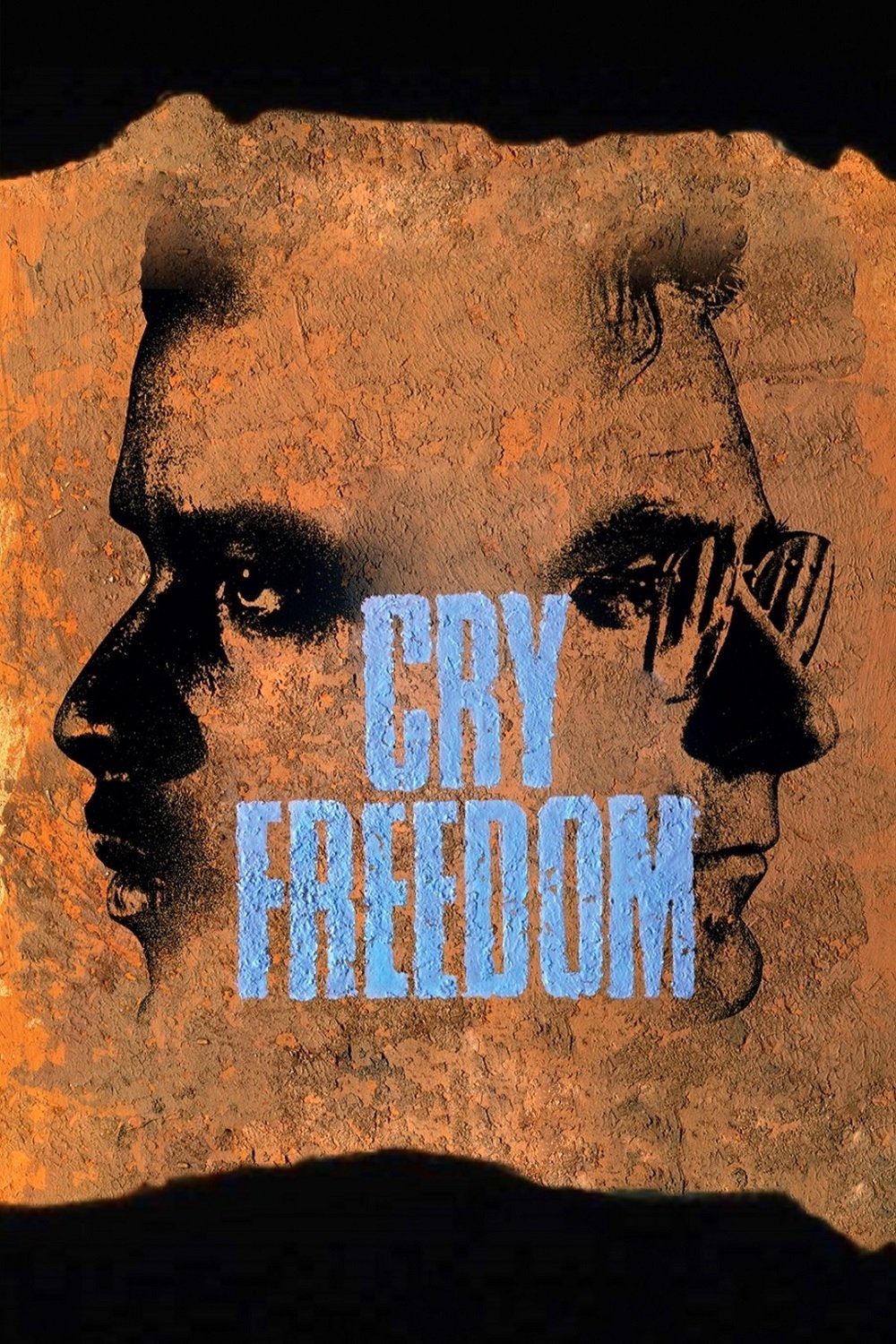
The Genre of This Film
As I sat with the emotional intensity of “Cry Freedom,” I couldn’t ignore its unmistakable roots in the biographical historical drama genre. The film’s every frame felt immersed in the attempt to reconstruct real events and to delve into the political struggles surrounding Steve Biko’s life and death under South Africa’s apartheid regime. For me, “Cry Freedom” belongs securely within this genre because it fuses the personal and the political, foregrounding true-life individuals while enveloping their stories within turbulent historical circumstances. The storytelling is driven by a quest for authenticity—portraying not only individual journeys but also giving life to an era’s climate of injustice and resistance. When I watch “Cry Freedom,” I am not given a fictionalized world of broad generalities; instead, I am plunged into the details and consequences of history as lived experience, emblematic of what I expect from a biographical historical drama.
Key Characteristics of the Genre
- Common themes
What stays with me about this genre is the unflinching examination of individual courage against the sweeping forces of history. I constantly notice stories that pit moral choices against oppressive systems—films where protagonists must navigate the dangerous territory of conscience versus authority. Themes such as social justice, identity, resistance to tyranny, and the moral costs of activism surface regularly. There’s always a tension between remembering the past for truth’s sake and holding a mirror to our present, demanding accountability. I often find the genre obsessed with memory, ethical responsibility, and the struggle for dignity amid collective trauma. - Typical visual style
What I find most striking is the insistence on realistic and immersive visuals. There’s an earthy, lived-in quality to the settings—authentic period costumes, detailed set design reflecting the era’s mood, and a subdued color palette that evokes documentary imagery rather than mere cinematic spectacle. I notice the cinematography often favors natural lighting and hand-held cameras, especially in moments of chaos or repression. These stylistic decisions pull me deeper; they dissolve the barrier between observer and participant, making history feel present and immediate rather than remote or idealized. - Narrative structure
I am consistently engaged by the genre’s commitment to reconstructing chronology while not feeling chained to it. Flashbacks, newsreel inserts, and intercutting between public and private lives give the narrative elasticity. Stories frequently follow a protagonist (or a pair) whose private travails echo or instigate broader social movements. I find that major beats—awakening to injustice, escalation of conflict, personal sacrifice, and eventual legacy—tend to serve as a backbone. However, these films also allow space for ambiguity, unresolved conclusions, and the stark reminder that justice in life, unlike in stories, is rarely neatly packaged. - Character archetypes
Internally, I search for recurring figures who carry the emotional and political weight of the tale. The genre is densely populated with flawed, principled reformers; skeptical but transformable outsiders; and uncompromising representatives of the oppressive system. Allies risk alienation or demolition in pursuit of justice, while bystanders and those complicit in the status quo serve as reminders of the costs of inaction. Echoes of the martyr, the chronicler, the reluctant witness, and the shadowy antagonist heighten both tension and empathy. These archetypes are less about cliché and more about focalizing the very human stakes of historical conflict.
How This Film Exemplifies the Genre
When I reflect on how “Cry Freedom” embodies the core attributes of the biographical historical drama, I am immediately drawn to its intense commitment to historical specificity. My experience with the film wasn’t just as a passive viewer but as an active participant in grappling with South Africa’s social landscape. The way the film renders the townships, the government offices, and the emotional climates of its principal characters is a declaration of its allegiance to authenticity. I felt the physical and psychic brutality of apartheid through these settings, charged by the efforts of director Richard Attenborough to recreate the unvarnished details of real places and people.
The genre’s narrative hallmarks are evident at every turn. I was taken by the deliberate, slow-burn unfolding of Donald Woods’s transformation from detached observer to engaged activist. There’s a palpable sense of historical progression, which the film communicates not by simply reciting facts but by aligning viewers emotionally with Woods and Biko as they risk everything for truth. The integration of news clippings, radio broadcasts, and the gradual spread of Steve Biko’s philosophy immerses me not just in spectacle but in the lived consequences of resistance. This interweaving of the personal with the political is characteristic of the strongest biographical dramas—something “Cry Freedom” refuses to compromise.
The central relationship between Biko and Woods functions on a level I always search for in the genre: one person’s moral awakening sparked by the unwavering courage of another. The friendship that develops between these two men stands as a microcosm of a much broader social dynamic—one rooted in suspicion, misunderstanding, and ultimately a painful solidarity. The depiction isn’t sanitized; it’s fraught with fear, risk, and the threat of violence which, for me, gives the film its sense of urgency. Yes, it crafts Biko as an inspiring figure (the archetypal reformer), yet it also foregrounds Woods’s journey from privilege to peril, offering a perspective that challenges viewers to interrogate their complicity in systems of power.
This genre’s reliance on nuanced archetypes is in full evidence in “Cry Freedom.” Biko stands as the visionary, uncompromising, and deeply humane reformer, while Woods takes the journey from skepticism to activism. I recognized the shadowy forces of oppression—the South African police, bureaucrats, and informers—embodied not in single villains but as a pervasive institutional presence. In this way, the film refuses easy binaries, instead reminding me that such conflicts are complex and messy, often involving hesitant allies, unintentional betrayers, and a chorus of the silenced. This web of characters functioned for me as both personal and symbolic stand-ins for the broader struggle.
I also want to note how the film’s visual choices underscore its genre. The use of naturalistic settings, unobtrusive camerawork, and documentary-style sequences create a visual argument for realism. When I recall the scenes in Biko’s home or the hospital, I’m struck by how the lack of melodrama serves to highlight, not diminish, the emotional stakes. These choices deepen my immersion, signaling that what’s unfolding onscreen is not only cinematic but a part of collective memory, urging me as a viewer to bear witness.
Ultimately, “Cry Freedom” achieves what I value most in the biographical historical drama: it honors specificity, it resists simplification, and it forces engagement with both individual acts of conscience and the vast machinery of injustice. Every rewatch leaves me with lingering questions—about moral responsibility, the uses of storytelling, and the transmission of memory. That restlessness is, for me, the hallmark of a genre refusing to settle for easy answers.
Other Essential Films in This Genre
- “Gandhi” (1982) – When I’m searching for a foundational text in this genre, “Gandhi” stands out for its monumental scale and its granular focus on the cost of principled resistance. Ben Kingsley’s portrayal allows me to witness the evolution of a leader shaped by a century’s movements, and the film’s methodical pacing and immersive period recreation set a precedent for how true stories can feel both epic and intimately relevant.
- “Selma” (2014) – I find “Selma” invaluable for its sharp examination of the civil rights movement through Dr. Martin Luther King Jr.’s push for voting rights. What resonates with me is director Ava DuVernay’s refusal to mythologize her central figures, instead revealing the tactical, emotional, and ethical complexities embedded in historical activism. The result is a film that invites – and demands – reflection on the unfinished business of justice.
- “The Killing Fields” (1984) – Here, the bond between an American journalist and his Cambodian colleague becomes a prism through which I understand the devastations of war and the human dimensions of political upheaval. The depiction of survival amid atrocity, combined with a documentary sensibility, typifies what I expect of biographical historical drama: an insistence on reckoning with truth, however brutal or inconvenient.
- “Malcolm X” (1992) – Spike Lee’s ambitious portrait draws me into the transformation of a historical figure who continues to provoke controversy and admiration. The film’s strong visual choices and refusal to provide glib resolutions exemplify the best of the genre—layered, challenging, always personal and political in equal measure.
Why This Genre Continues to Endure
Nothing compels me more deeply than how biographical historical dramas bridge the distance between where we are and where we’ve come from. I believe audiences—myself included—are drawn to these films because they’re not content to simply memorialize; they provoke, unsettle, and inspire. There is a hunger, evident in every conversation I hear after screenings, for stories that refuse to prettify the past yet still offer hope in the courage of individuals or communities who resisted injustice at great cost. I often find that the genre’s appeal lies in its persistent relevance; issues of racial violence, the abuse of state power, and the responsibilities of citizenship echo endlessly into the present. These films create a space in which we can mourn, bear witness, and imagine avenues for action. Ultimately, the biographical historical drama invites me—and all of us—to see history not as something to be consumed passively, but as an ongoing challenge demanding memory, empathy, and, where possible, moral courage.
If you’re interested in how viewers respond beyond technique, you may want to explore audience and critical reception.
🎬 Check out today's best-selling movies on Amazon!
View Deals on Amazon