
Film Movement Context
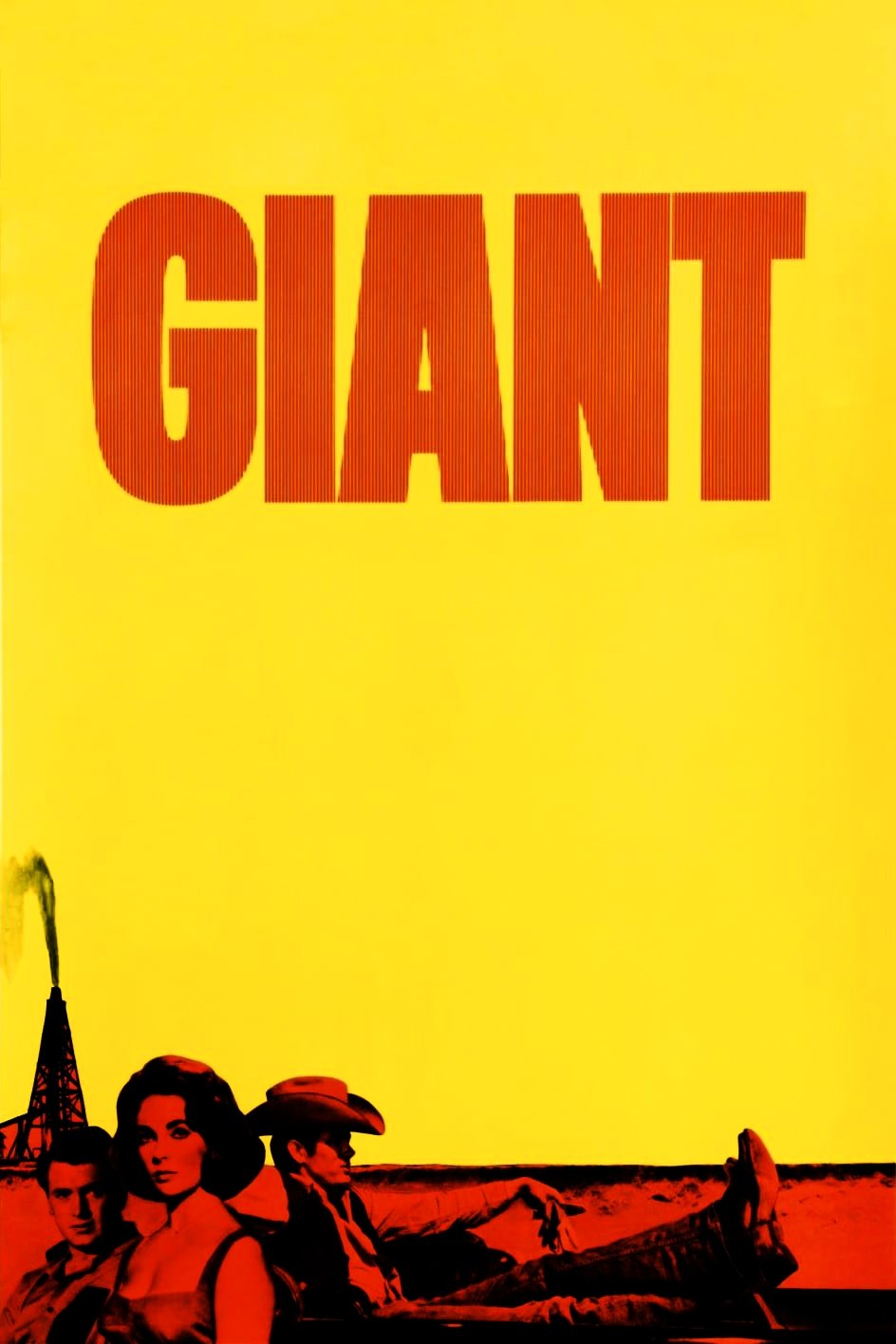
Whenever I return to “Giant” (1956), I’m struck by its sprawling ambition and the way it anchors itself in a very specific tradition of American cinema. For me, “Giant” isn’t strictly tethered to a single movement in the way a French New Wave film might be, but it exemplifies and reframes classical Hollywood melodrama, specifically the so-called “Epic Western” and social melodrama traditions that often intersect in mid-century American films. I see it as a culmination of postwar American narrative conventions—marked by grand storytelling, psychological realism, and thematic engagement with social change—nested within a hybrid form. The film marries the vast landscapes and generational sagas of the Epic Western to the intensified emotional stakes and critique found in the “Magnificent Obsession” style melodramas. It also reflects the subtle yet pronounced shift toward what I’ve always considered proto-New Hollywood sensibilities, revealing cracks in the glossy façade of classic American mythologies. I’ve always found “Giant” to be a film that is both in conversation with and gently subversive of the movement that birthed it: classical Hollywood epic melodrama, at that moment of inflection when realism, social critique, and personal psychology began to disrupt the surface of genre traditions.
Historical Origins of the Movement
I’ve long considered how and why this movement took shape right when it did. For me, the roots of this kind of American epic melodrama go back to the early days of sound cinema, but it flourished during the late 1930s and gained tremendous momentum after World War II. I think this was in part a response to America’s postwar identity crisis. The era’s anxieties and aspirations translated naturally into stories with heightened stakes and larger-than-life characters—family dynasties, social hierarchies, and epic transformations set against mythic landscapes. These films, often positioned as “prestige pictures,” engaged directly with broader cultural narratives, reflecting the nation’s shifting self-image. I see this lineage running from “Gone with the Wind” through “The Grapes of Wrath” and culminating in the 1950s’ fascination with technicolor spectacles melding melodrama, social commentary, and the grandeur of the American West. The studios, keen to assert cinema’s place as art and entertainment, poured resources into sprawling adaptations of literary works, turning to melodrama’s emotional intensity to draw in audiences who were, increasingly, turning to television for comfort and escapism.
On the ground, filmmakers like George Stevens (director of “Giant”) and other contemporaries worked within this milieu, pushing studio techniques to their limits—utilizing rich color palettes, elaborate set pieces, and widescreen formats—to capture not just the look but the feel of American expansion and cultural change. As I see it, the roots of “Giant’s” movement are entwined with the American fascination with land, identity, and the possibility (and trauma) of transformation. But what I find most compelling is how Hollywood melodrama—so often dismissed as “woman’s pictures”—became, by the 1950s, a primary means for exploring masculinity, race, and class on a mythic scale. This transition, where melodrama’s social and emotional watchfulness intersected with the Epic Western’s obsession with land and legacy, produced a kind of narrative granularity that I think still resonates.
This Film’s Contribution to the Movement
Watching “Giant,” I’m always reminded how films sometimes both embody and gently rebel against the movements to which they belong. For me, Stevens’ film is exemplary of the American epic melodrama, yet it complicates and questions many of its inherited assumptions. What fascinates me most is the way “Giant” uses the tools of melodrama—swelling scores, charged dialogue, and emotional extremes—to draw viewers into questions about power, prejudice, and change.
In my view, the film stands out for its complexity in race and class representation. Most melodramas of its era shied away from sustained engagement with issues like anti-Mexican discrimination and the slow, uneven process of social mobility in the Southwest. “Giant” foregrounds these issues, not through superficial villains or easy morality, but by intertwining them with personal, familial, and regional identities. When I focus on Bick Benedict (Rock Hudson), Leslie (Elizabeth Taylor), and Jett Rink (James Dean), I see characters whose desires and flaws refract the epic themes: land ownership, the myth of the “self-made” American, and the costs of social change. Unlike the straightforward moral dichotomies in more typical Westerns, “Giant” immerses me in ambiguity—these are not “good” or “bad” people, but products and prisoners of their times.
Technically, I notice how Stevens wields the tools of melodrama with a subtlety that anticipates later, more realist genres. The emotional close-ups, which could skew to sensationalism, here feel like private windows into psychological complexity. The Technicolor cinematography doesn’t just gild the landscape; it enhances the tension between Texas as an idea and as lived reality. Even the film’s pace—deliberately languorous at times—is, in my eyes, a challenge to the breakneck escapism of lesser melodramas. “Giant” wants me to sit with its unease, to reflect on the years ticking by and the changes left unfulfilled. That’s where I find its true power: not in spectacle alone, but in the commitment to exploring what “progress” means on an individual and societal level.
Where “Giant” advances its movement most boldly is in its explicit commentary on race, which, while imperfect by today’s standards, was radical in its day. I often think about the scene in the diner near the film’s end—a microcosm of the social transformation that has been slow to reach the Texas heartland. In that moment, melodrama’s heightened affect becomes a vessel for social critique, and I find myself tracing a line forward to later, more direct interrogations of American racism in both independent and studio films. “Giant” stands as a reminder that melodrama was never just about tears and longing; it was a crucible for the nation’s hardest questions, rendered on a mythic scale.
Influence on Later Genres and Films
- Influence 1 – Redefining the Western and Melodrama Hybrid: From my standpoint, “Giant” paved the way for films that blend the Epic Western with family melodrama, influencing not only later Westerns but modern family sagas like “There Will Be Blood.” The film’s model of intertwining social critique within genre conventions anticipated works by directors like Paul Thomas Anderson, who, decades later, would draw on similar thematic juxtapositions to explore capitalism and identity within specifically American landscapes. For me, “Giant” opened a space for genre films to interrogate rather than simply reinforce cultural myths.
- Influence 2 – Mainstreaming Social Critique in Hollywood Epics: What I’ve found so significant is how “Giant” normalized the presence of pointed social commentary within prestige pictures. Later films like “Guess Who’s Coming to Dinner” and “To Kill a Mockingbird” (as well as the blunter critiques in “Norma Rae”) built on this tradition—embracing melodrama’s emotional palette as a means of raising conscience about race, class, and gender. Where once these issues were relegated to fringe or “message” movies, Stevens’ approach demonstrated that they could reside within, and even fuel, mainstream narratives.
- Influence 3 – Proto-New Hollywood Realism and Complexity: I believe “Giant” serves as a bridge between classical Hollywood and the more psychologically nuanced, morally ambiguous cinema of the late 1960s and 1970s. Its lingering shots, refusal to offer easy answers, and commitment to character-driven narrative dynamics can be glimpsed in everything from “The Godfather” to “Chinatown.” The film’s willingness to let heroes falter, to expose the cost of progress, and to treat families as battlegrounds for personal and public conflicts anticipated the introspective realism and social engagement of New Hollywood auteurs.
The Movement’s Lasting Impact
As I reflect on the enduring significance of postwar American melodrama, I come back to the way these films—”Giant” foremost among them—charted the fault lines of a society in flux. For me, the lasting impact of this movement isn’t just in technique or style, though its rich visual language and narrative scale certainly remain influential. Rather, it’s in the movement’s insistence that American stories are never simple and that the quest for identity, belonging, and justice can and should be investigated through the most popular and accessible forms of culture. These films invite sustained investment in character and setting, yielding a cinema of complexity that challenges as much as it entertains.
I think “Giant” endures because it marks the precise intersection between tradition and inquiry, comforting myth and critical realism. Its legacy persists in every film that dares to stretch genre conventions, that risks using the force of melodrama to probe uncomfortable truths about power, prejudice, and aspiration. In a moment when cinema is increasingly bifurcated between spectacle and introspection, I look to this film and its movement as evidence that the richest stories are often those that dare to bridge both modes, refusing to settle for the easy comforts of nostalgia or the dismissiveness of cynicism. In short, the American epic melodrama, as crystallized in “Giant,” matters because it reminds us that grand narratives and nuanced critique are not only compatible but necessary companions in the evolution of film and society.
To connect style and technique with broader context, you may find these perspectives useful.
🎬 Check out today's best-selling movies on Amazon!
View Deals on Amazon