
Film Movement Context
When I first watched “Gilda,” I couldn’t shake the feeling that I was sinking into a world of shadows and doubt, where every gesture meant far more than what was said. For me, “Gilda” exists at the beating heart of film noir—a movement I have always associated with disillusionment, ambiguity, and moral complexity. Its moody cinematography, the chiaroscuro lighting that casts faces in half-shadow, and the volatile, irresistible energy between its central characters immerse me in the quintessential atmosphere of American film noir. The film’s stylistic qualities—nighttime settings, expressive use of light and shadow, suggestive symbolism—echo what I see as the defining traits of noir. Yet, as I reflect on it, “Gilda” also exposes and plays with noir’s conventions, especially around power, sexuality, and betrayal. Watching it, I’m reminded how strongly it channels the specific anxieties and deep uncertainties of its historical moment, creating a personal and visceral response in anyone who encounters its world.
Historical Origins of the Movement
I’ve always been fascinated by the birth of film noir—not just as a style, but as a response to a particular mood in mid-twentieth-century America. To me, noir emerges directly from the rupture created by World War II. I see it as springing from the fallout of lost certainty and shattered illusions that defined the early 1940s. The movement’s roots, as I’ve come to understand them, reach back to German Expressionism, whose emigré directors brought to Hollywood their love of haunted lighting and fractured psychological spaces. But I can’t ignore the influence of American hard-boiled literature either—the bleak, unsentimental prose of Chandler and Hammett, which taught filmmakers not to sugarcoat reality but to stare into its messy, unresolved heart. When I look at the postwar climate, I sense a collective yearning for meaning in a world that had turned dangerous and opaque. The stories—and, just as crucially, the style—of noir seem to me an act of grappling with trauma, uncertainty, and shifting identities. It’s as if, in watching these films, I’m peering into a communal wound that refuses closure, one stitched together out of loss, cynicism, alienation, and the sense that good and evil are often blurred beyond recognition.
This Film’s Contribution to the Movement
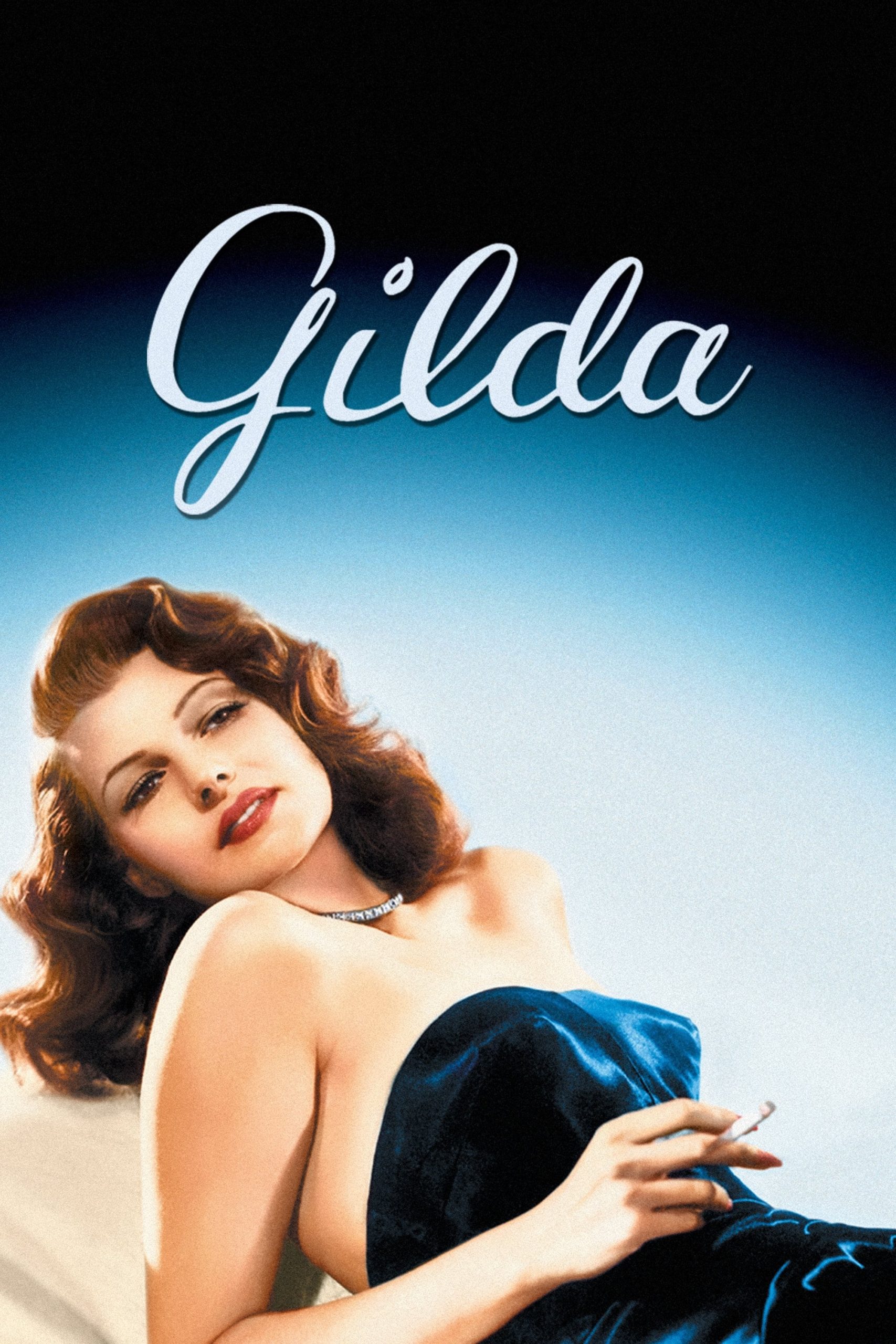
What’s always struck me about “Gilda” is how it amplifies the boundaries of film noir while giving them a glorious, seductive twist. I don’t simply see “Gilda” as a genre piece—it feels like a living, breathing negotiation with the genre’s own principles. The atmospherics of the film—its glamorous yet claustrophobic settings, the inescapable mood of paranoia underneath relentless sensuality—embody quintessential noir for me. Yet I find this movie breaking new ground, especially through its feverish, obsessive dynamic between Gilda (played by Rita Hayworth) and Johnny Farrell (Glenn Ford). Their relationship is, to my eyes, less about romance and more about control, self-loathing, and self-destruction. It’s intoxicating to watch how the film fuses seduction with danger, making every smile a threat and every confession a trap.
More than many noirs of its era, “Gilda” uses the character of the femme fatale not just as a narrative device, but as an emblem of postwar anxiety. In Gilda, I see both the ultimate unattainable woman and a complex agent trapped by patriarchal forces—her sexuality is both weapon and prison. The film’s camera lingers on Hayworth with a mixture of reverence and apprehension, reflecting not just Johnny’s confused obsession, but also the era’s own conflicting fantasies and fears about women’s liberation, sexuality, and power. This, for me, is where “Gilda” feels both specific to its time and strangely timeless: the struggle to assert control plays out in feverish emotional tableaux, often wordlessly, with bodies and glances speaking volumes.
On a technical level, I admire the film’s use of light—not just to obscure, but to create psychological spaces in which secrets and desires swirl. The cinematography (by Rudolph Maté) transforms ordinary objects—a glove, a cigarette, a doorway—into loaded symbols, and to me, that’s the hallmark of noir at its most poetic. The soundtrack heightens this effect, with the hum of nightclub jazz and Hayworth’s haunting “Put the Blame on Mame” sequence coming to embody the performance of femininity as both spellbinding and destabilizing. I return to “Gilda” often because it seems to suggest—better than nearly any other noir I know—that nothing in its world is stable: not desire, not loyalty, not even the line between victim and victimizer.
Influence on Later Genres and Films
- I often trace the rise of the psychological thriller back to the emotional hazards of “Gilda.” The film’s willingness to plunge into trauma, repression, and mental dissolution feels radically contemporary to me. Later thrillers—be it Hitchcock’s “Vertigo” or even more modern works like “Mulholland Drive”—seem to draw from “Gilda’s” foundation: the weaponization of sexual tension, the power struggles hidden beneath seduction, and the collapse of clear moral categories. I see its fingerprints in every story where paranoia is thick as smoke and love twists inexorably into obsession.
- I can’t watch neo-noirs of the late twentieth century—films like “Body Heat” or “L.A. Confidential”—without recognizing how “Gilda” recalibrated the figure of the femme fatale. For me, Gilda is less a simple seductress and more a contested battlefield over autonomy, guilt, and blame. Neo-noirs absorbed this version of the femme fatale: more ambiguous, more self-aware, more dangerous to herself than anyone else. The sense of heightened theatricality—Hayworth’s iconic performance—is something I spot in later noir-influenced performances, where style becomes a layer of psychological armor.
- Whenever I watch contemporary dramas grappling with the scars left by war, displacement, or cultural upheaval, I detect “Gilda’s” shadow: its understanding of personal identity as a site of conflict, impossible to resolve cleanly. The way the film uses genre to address psychological wounds—as opposed to just external threats—paved the way (in my view) for character-driven explorations in films outside pure noir, from the New Hollywood era to today’s streaming dramas. That willingness to let ambiguity and anxiety linger, refusing easy catharsis, is something I hold as “Gilda’s” greatest bequest to the evolution of cinematic storytelling.
The Movement’s Lasting Impact
For me, the brilliance of film noir lies in its refusal to comfort, its insistence that darkness and ambiguity are as real—maybe even more so—than idealism and certainty. “Gilda” encapsulates this lesson in a way that continues to haunt my viewing habits. Even decades after its release, the allure and disquiet it offers feel both of-their-time and uncannily prescient. Film noir, as embodied by “Gilda,” doesn’t just map a shadowy underworld; it invites me—and anyone else captured by its spell—to probe the darkness within ourselves and our societies. I find its legacy not just in lavish homage or clever pastiche, but in the willingness of filmmakers to wrestle with things that remain unresolved: desire that destabilizes, identities split by circumstance, loyalties always shadowed by doubt. This movement matters to me precisely because it keeps that tension alive, refusing to let us settle for easy answers, and pushing us to see that in the half-lit spaces between good and evil, we might find the most enduring truths about who we are.
To connect style and technique with broader context, you may find these perspectives useful.
🎬 Check out today's best-selling movies on Amazon!
View Deals on Amazon