
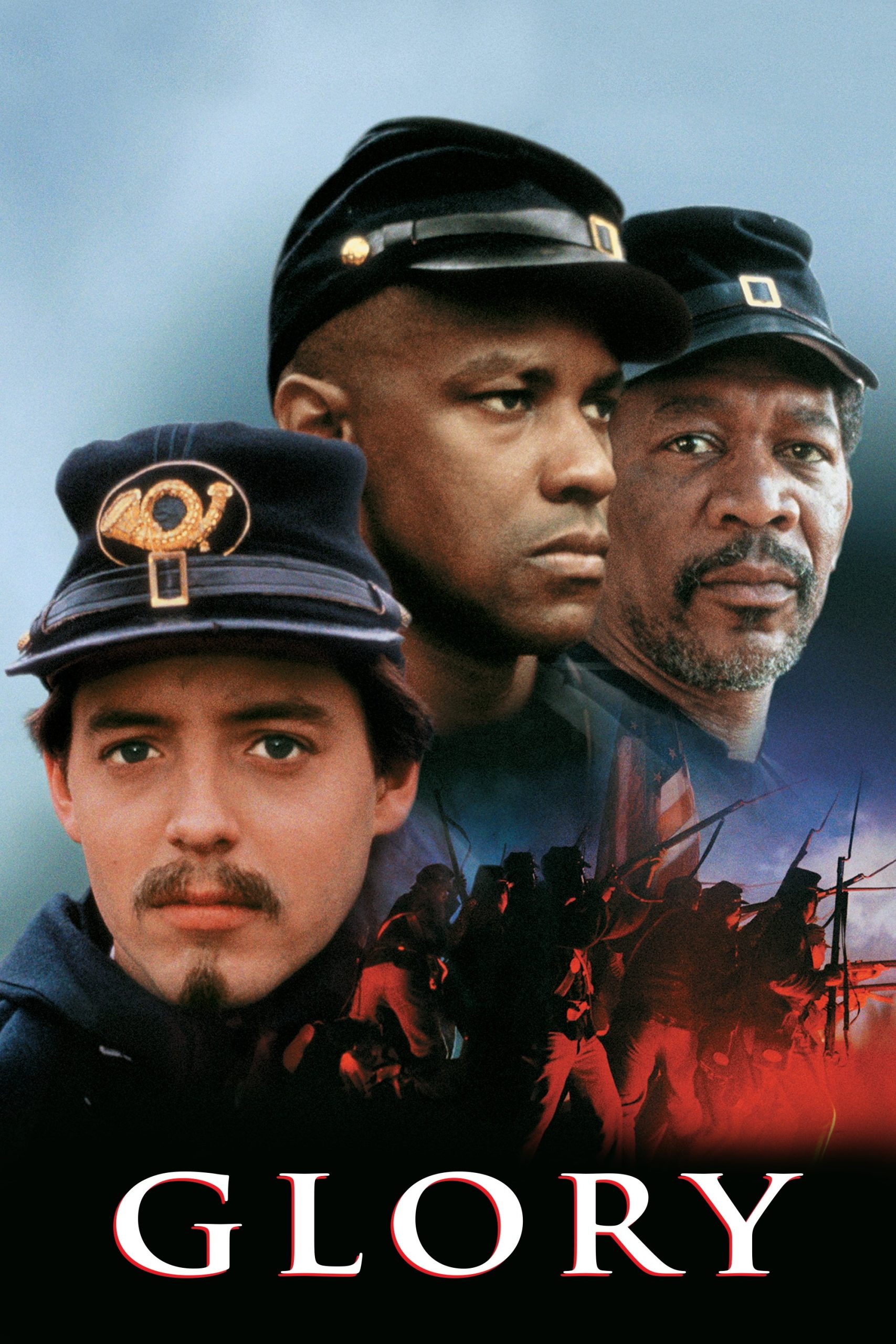
The Genre of This Film
When I first watched “Glory” from 2014, I vividly remember feeling pulled in by its unwavering commitment to realism and its sobering representation of frontline conflict. From the opening moments, I was struck by how every frame seemed dedicated to capturing wartime experience in all its complexity, grit, and intensity. For me, this film clearly situates itself within the war drama genre. It’s the painstaking detail in combat sequences, the immersion into soldiers’ daily struggles, and the harrowing moral dilemmas that left no doubt in my mind. The film doesn’t simply depict action—it engraves the psychological and physical impacts of war directly onto its characters and, by extension, onto myself as a viewer. That’s the principal mark of the war drama genre: a relentless focus on the lived realities of conflict, paired with a deep emotional resonance that transcends the battlefield. This genre isn’t just about uniforms, battles, or victory—it’s about the costs, the ambiguities, and the personal transformations forged in the cauldron of war. That’s why I immediately identified “Glory” (2014) as a war drama above all else.
Key Characteristics of the Genre
- Common themes
I’ve always found that war drama thrives on exploring extreme situations. The most persistent themes include sacrifice, duty, camaraderie, and the psychological effects of violence. Often, these films probe the loss of innocence, the burden of leadership, and the price of patriotism. Morality and personal responsibility within chaotic circumstances frequently arise. I’ve noticed the genre also likes to contrast individual survival with the collective good, sometimes revealing how the rules of ordinary life break down under fire. - Typical visual style
When I think about the war drama’s visual identity, the word that always comes to mind is authenticity. Directors typically favor handheld camera work to immerse viewers in the thick of combat. The color palette is often desaturated—terms like muddy, smoky, and muted dominate my internal descriptions. Lighting leans toward natural or practical sources, evoking candlelight, flickering lamps, or explosive flashes rather than any stylized illumination. Set design and costuming obsessively replicate period details and military gear. For me, great war dramas envelop me in environments that feel unvarnished by spectacle or embellishment, constructing a sensory reality that’s both claustrophobic and expansive. - Narrative structure
I’ve observed that war dramas tend to employ linear, chronological storytelling, emphasizing a clear progression from anxiety-laden anticipation through escalating conflict to the aftermath of battle. While some entries in the genre experiment with time, the bulk of the narrative unfurls in sequence—prologue, build-up, confrontation, fallout. Personal journeys and chain-of-command structures often anchor the plot. Multiple perspectives may be woven together to illustrate the collective experience of war, but most war dramas, in my viewing, focus intently on the evolution—sometimes dissolution—of core group dynamics. - Character archetypes
I notice recurring figures across the genre: the reluctant hero who grapples with his conscience; the hardened veteran worn down by years of battle; the green recruit, out of his depth but growing up fast; the by-the-book officer, clashing with the rebel or maverick; the loyal comrade who embodies the spirit of selfless brotherhood. Human flaws are never too far from the surface—cowardice, rage, empathy, courage, and the longing for home are all vivid, tangible qualities that make these archetypes so captivating for me. Occasionally, war dramas evoke the “enemy other” as either a mirror or a foil to the protagonists, emphasizing the shared humanity (or tragic dehumanization) across battle lines.
How This Film Exemplifies the Genre
I remember being astonished at how “Glory” (2014) refuses to blink in the face of devastation. Right from the start, I was steeped in the noise and chaos of battle, the camera pushing close to sweat-lined faces, fractured uniforms, and desperate glances. The film evokes dread and uncertainty not just through action scenes but in the quiet moments—soldiers tending to wounds, exchanging letters, or simply staring into the uncertain night. I found the themes of honor, fear, and sacrifice made raw and immediate, not as abstractions but as wounds that never quite scab over. Every character is pulled between self-preservation and duty; the burdens of command weigh visibly on their shoulders. The psychological toll is palpable—whether through tense dialogue, silences filled with exhaustion, or fractured bonds within the platoon.
For me, the visual design amplifies this sense of authenticity. Mud stains every garment, faces are caked with grime and streaked with tears, and the landscapes are rendered bleak, almost indifferent to suffering. The choice of handheld and over-the-shoulder perspectives thrusts the viewer into the maelstrom, a technique I always find maximizes both cinematic tension and emotional intimacy. There’s a persistent grayness, a visual shorthand for moral ambiguity and the numbing continuity of violence, which makes every fleeting moment of hope feel precarious and earned.
The structure of “Glory” taps directly into what I consider the quintessential war drama arc—it traces a clear but hard-won evolution: from green recruits to hardened survivors, from initial camaraderie to ruptures under pressure, and finally, to bittersweet solidarity. Time moves inexorably forward; no one emerges untransformed or unscarred. The film never lets me detach from the ongoing pulse of jeopardy, and yet, in moments where time seems to pause—a whispered conversation, a shared cigarette—I witness the kind of ephemeral connection that lies at the heart of this genre.
Most striking, though, are the archetypes played out with both fidelity and subtlety. There are characters who anchor their unit with stoic courage, others whose bravado crumbles under fire, and still others whose quiet empathy becomes a lifeline for those around them. I found myself invested not just in their fates but in their psychological journeys, watching as survival instincts clash with ideals and as bonds of loyalty are forged or shattered. “Glory” leverages these familiar types while maintaining a rough-edged uniqueness that makes every action—every moment of pain or valor—feel newly consequential, precisely because nothing is sentimentalized. That is when I’m reminded most powerfully of why I return to the war drama again and again: for these kinds of unvarnished human stories, set against the backdrop of history’s most extreme conditions.
Other Essential Films in This Genre
- Paths of Glory (1957) – I am always haunted by the stark anti-war stance Stanley Kubrick takes here. The film’s claustrophobic trenches and its unwavering focus on the hypocrisy of military command make it one of the most enduring war dramas. Kubrick’s thrumming steadicam shots draw me into a world where the violence isn’t just physical, but moral and bureaucratic.
- Saving Private Ryan (1998) – The genre-defining Omaha Beach sequence is permanently etched in my memory. For me, the film elevates the genre’s tradition of realism in combat and emotional storytelling about brotherhood and sacrifice. The relentless pace and unfiltered violence underscore the futility and cost of each tactical gain.
- Letters from Iwo Jima (2006) – What fascinates me about Clint Eastwood’s approach is the perspective-flip: by moving inside the Japanese lines, the film expands the genre’s empathic reach. Watching the enemy’s human dimensions come alive through their own fears, doubts, and hopes reminds me that war drama at its best never resorts to caricature.
- The Thin Red Line (1998) – Terrence Malick’s existential gaze transforms the genre for me. The film’s combination of lush natural beauty and internal monologue opens up a new emotional vocabulary—one where the metaphysical cost of war hovers just above every physical assault. I’m drawn back repeatedly for how it questions the very nature of conflict and our place within it.
Why This Genre Continues to Endure
I’ve often wondered what magnetic force draws audiences—myself included—back to war dramas time and again, despite their guaranteed discomfort. Over the years, I’ve realized it’s because these stories offer an unparalleled canvas for exploring the heights and depths of human nature. War, as depicted in these films, is the ultimate crucible: it amplifies everything—the nobility, the frailty, the camaraderie, and the cost. The genre endures, in my view, because it bridges the past and present; it’s a form of memory-making that both memorializes historical suffering and compels me to reevaluate my own definitions of courage, leadership, and responsibility.
Whenever I watch a great war drama, I feel myself metabolizing history not as a static record but as a lived, ongoing experience. The genre’s power lies in its authenticity: by refusing to sanitize brutality, it forces me to reckon with both horror and heroism, sometimes in the same breath. War dramas also encourage a communal form of empathy—when I see characters surviving, failing, persevering amid chaos, I’m reminded of my own capacity for resilience and connection, even at my lowest points. That’s why this genre resists obsolescence: every generation discovers its own cycles of violence and healing within these narratives, finding fresh relevance, no matter the century in which the film is set.
In summary, my fascination with the war drama genre—and its incarnation in films like “Glory”—comes down to this: it is where cinematic storytelling meets the most urgent questions about who we are and what we value, at both our best and our worst. That’s not just an academic interest for me; it’s a visceral experience, one I continue to seek out precisely because it always leaves me changed.
If you’re interested in how viewers respond beyond technique, you may want to explore audience and critical reception.
🎬 Check out today's best-selling movies on Amazon!
View Deals on Amazon