
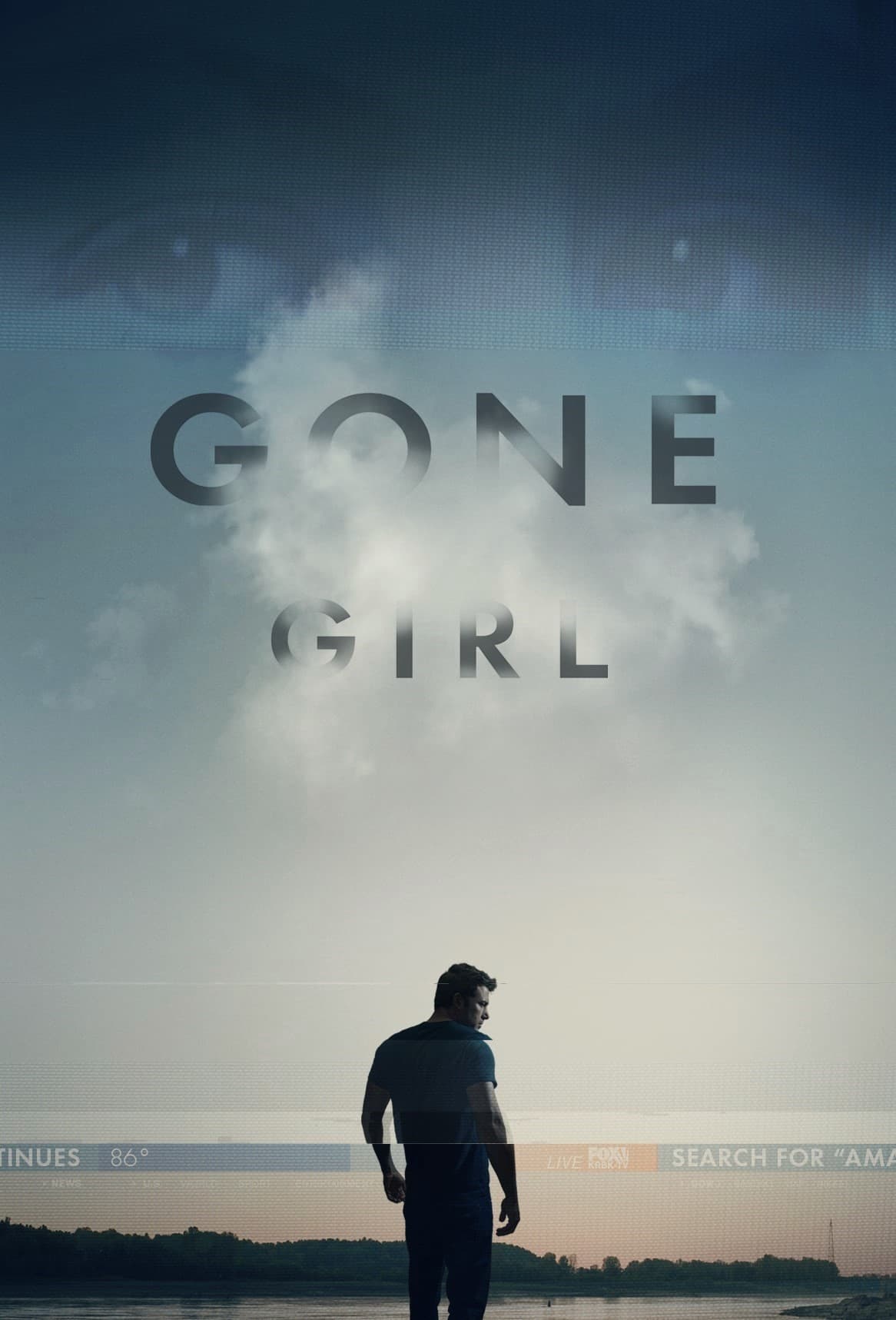
The Genre of This Film
I’ll never forget my first experience watching “Gone Girl”—it left me suspended somewhere between intrigue, suspicion, and open-mouthed awe. To me, this film stands as a quintessential example of the psychological thriller genre. From the very first scenes, I sensed that my perceptions would be tested, and it was clear from the story’s intricate web of manipulation and doubt that the film thrived on the very tenets that make psychological thrillers endlessly captivating. The intensity of emotion, the haze of deception, and the skillful play on audience perspective sealed its identity for me. It wasn’t just about who committed a crime or how the mystery would unravel; it was about the relentless exploration of the human psyche, opening doors to fears and doubts I’ve tucked away in quieter corners of my mind.
Key Characteristics of the Genre
-
Common themes
When I think about psychological thrillers, blurred lines between truth and delusion dominate my mind. This genre delights in upending certainties, manipulating trust, and exploring the unstable ground of perception. I’ve often noticed themes like marital discord, obsession, loss of identity, and a pervasive sense of paranoia. These films strike a chord with anyone who’s questioned their reality or the intentions of others. It’s never just about the threat of physical harm; it’s the possibility that our own thoughts and relationships could betray us. -
Typical visual style
Visually, psychological thrillers seem to exist in the half-light and twilight, both literally and figuratively. When I immerse myself in these films, I’m struck by a palette of cool, subdued tones—harsh whites, deep shadows, and occasional bursts of color that seem loaded with meaning. Cinematographers linger on faces, mirrors, and closed doors, often heightening my sense of isolation or claustrophobia. The camera sometimes lingers too long, unsettling me, as if daring me to question what’s truly real. Editing rhythms feel jagged at times and then suddenly smooth, perfectly matching the fluctuating mental states of the characters. -
Narrative structure
For me, the psychological thriller’s narrative is rarely, if ever, told in a straight line. Flashbacks, unreliable narrators, shifting points of view, and fragmented timelines all serve to disorient, often making me question what I’ve just witnessed. These stories thrive on ambiguity and reversal, and I often find myself rewinding moments in my mind, searching for clues I may have missed. I appreciate how exposition is delivered in drips and feints—truth is always just out of grasp. The satisfaction here doesn’t come from quick answers but the slow, satisfying build-up and unraveling of psychological tension. -
Character archetypes
Whenever I reflect on psychological thriller casts, certain archetypes instantly spring to mind. There’s often a protagonist whose reality is undermined—by others or sometimes even by themselves. I’m fascinated by the figure of the seemingly trustworthy spouse or friend, whose motives unravel into something much more complex. Antagonists are rarely simple villains; instead, I often find characters who manipulate reality, project innocence, or conceal damaging truths. There’s usually a detective, either literal or figurative, who—like me—is piecing together events, struggling against the web of deceit. What lingers for me is that in this genre, evil isn’t always external; it might lurk within the protagonist’s own mind.
How This Film Exemplifies the Genre
“Gone Girl” exemplifies the psychological thriller genre more completely than almost any film I’ve encountered in the last decade. Watching it, I felt the emotional temperature rising with each scene, as Nick and Amy’s marriage became the battleground not just for a missing person case, but for a chilling dissection of love, power, and manipulation. I was continually asked to reconsider what I believed to be true—about the characters, about the narrative, about my own sympathies and expectations. The script’s tight pacing and the deliberate misdirection made the unraveling of Amy’s disappearance a kind of psychological puzzle, one that both seduced and unsettled me as a viewer.
The film’s use of alternating perspectives—the diaries, flashbacks, news reports—immediately drew me into the unreliable narrator tradition that anchors the psychological thriller. At times, I found myself nearly complicit, reacting on cue as the narrative intended, only to have the rug pulled out from under me by a flourish of visual or narrative ambiguity. Even the visual style reinforced my sense of unease: David Fincher’s cool, almost clinical cinematography, paired with swelling music and looming close-ups, emphasized just how precarious and fragile reality could feel. Darkness, mirrors, and reflections appear throughout, reminding me that every truth is up for negotiation in this world.
The characters embody the genre’s archetypes in ways that feel both classic and startlingly fresh. Amy is by far one of the most compelling psychological antagonists I’ve ever experienced—her intelligence, charm, and unflinching willingness to reshape reality made her as magnetic as she was menacing. Nick, on the other hand, fascinated me with his combination of affability and opacity; his flaws felt grounded and real, making his descent into paranoia all the more believable. The supporting cast—the dogged yet skeptical detective, the intrusive media, the unreliable “friends”—each contributed another layer to the web of suspicion and ambiguity. Even the settings and moment-to-moment interactions—cold suburban homes, impersonal police stations, glitzy TV studios—highlighted the genre’s preoccupation with appearances and the hidden tensions beneath them.
For me, what truly sets “Gone Girl” apart within the psychological thriller tradition is how relentlessly it probes the anxieties that hide beneath the surface of seemingly ordinary relationships. It isn’t about a singular villain or a simple mystery; it’s about the capacity for deception, the fragility of trust, and the threat that sometimes, the person we know best is really a stranger. The ambiguity lingers long after the credits roll, a testament to the genre’s power to leave us unsettled, questioning, and exhilarated by the slippery truths of human nature.
Other Essential Films in This Genre
-
Prisoners (2013) –
I remember the creeping dread I felt throughout “Prisoners,” a film that transforms a missing child case into an inexorable spiral of obsession and moral ambiguity. Its relentless pacing and intense performances mirror many of the emotional currents I found in “Gone Girl.” Much like the best of psychological thrillers, it compels the audience to question not only the motives of others but also our own ethical boundaries and how easily panic and suspicion can warp our judgment. -
Side Effects (2013) –
Steven Soderbergh’s “Side Effects” immediately lodged itself in my brain as a kind of quiet, clinical chess match, where every character has something to hide. I was particularly struck by how it deals with the overlap between psychological distress and manipulation. The blurred lines between victim, perpetrator, and pawn reminded me of the subtle power plays at the heart of “Gone Girl,” and the film’s shifting allegiances left me guessing up to the last minute. -
Black Swan (2010) –
Darren Aronofsky’s “Black Swan” stands out in my memory as a feverish, mesmerizing journey into mental fragmentation. The way reality distorts for Natalie Portman’s character—as ambition evolves into paranoia and hallucination—set a benchmark for psychological thrillers that explore the brittleness of the mind. I see a clear continuity between the cracked facades in “Black Swan” and the marital masks shattered in “Gone Girl.” -
Shutter Island (2010) –
Whenever I recommend a spine-tingling psychological thriller, “Shutter Island” springs to mind. Martin Scorsese’s film is a labyrinth of mental traps, keeping me as a viewer perpetually questioning every clue and revelation. The unreliable narrator, the shadowy aesthetics, and the mind-bending plot construction echo the genre’s staples—and the same sense of disorientation I so enjoyed when watching “Gone Girl.”
Why This Genre Continues to Endure
As someone who can never resist the pull of a well-constructed psychological thriller, I often ask myself why I—and so many others—keep returning to these films, year after year. For me, it’s the delicious blend of tension and uncertainty. I’m drawn into the tightrope between trust and suspicion, craving stories that challenge my assumptions and tap into universal anxieties about truth, loyalty, and self-perception. There’s a primal satisfaction in the way these films expose how fragile understanding really is—both between people, and within our own sense of reality.
I suspect another reason for the genre’s enduring power is its flexibility and responsiveness to the times. When I consider “Gone Girl,” I’m fascinated by how seamlessly the film weaves issues like media sensationalism and performative relationships into its psychological fabric. Each era seems to produce thrillers that reflect our contemporary fears—whether that’s surveillance, loss of privacy, or the instability of our closest bonds. Personally, I appreciate how these stories often leave endings open or ambiguous. I’m not force-fed conclusions; instead, I’m given space to dwell in my own interpretations and discomfort. That kind of intellectual and emotional engagement is rare, and it’s addicting.
At their best, psychological thrillers invite me to not just witness but participate—I’m encouraged to investigate, to project, and to confront my own assumptions and prejudices. Every time I return to one of these films, I find myself both more skeptical and more empathetic, reminded of how complex, unpredictable, and thrilling the human mind—and human relationships—can be. That’s why, for my part, I believe the psychological thriller will always have a place on my screen, and in my thoughts long after the film itself is over.
If you’re interested in how viewers respond beyond technique, you may want to explore audience and critical reception.
🎬 Check out today's best-selling movies on Amazon!
View Deals on Amazon